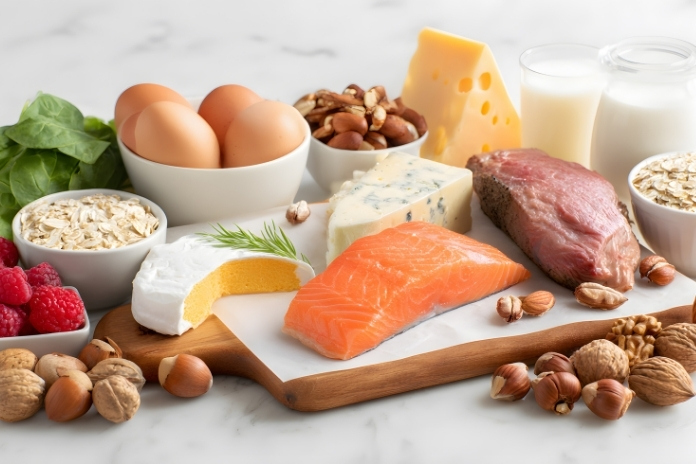
If you scroll through any fitness feed right now, you’ll notice one message popping up everywhere: eat more protein. And honestly, the attention is deserved.
Over the past decade, research has piled up showing that protein isn’t just another number on your plate. It’s one of the most effective tools we have for managing hunger, supporting fat loss, and improving metabolic health.
What makes this shift refreshing is how doable it feels. Most weight-loss advice revolves around cutting things out. Protein works differently. You’re adding something that actually helps you feel satisfied, stay energized, and build muscle while you lose fat. That’s a very different experience from white-knuckling your way through carb or fat restrictions.
But here’s the thing: just saying “eat more protein” is vague. The real insight comes from understanding how much you actually need, what protein changes inside your body at a physiological level, and which foods give you the most benefit without unnecessary calories. Let’s break this down in a simple, practical way so you can use it to your advantage.
Does a High-Protein Diet Really Help You Lose Weight?
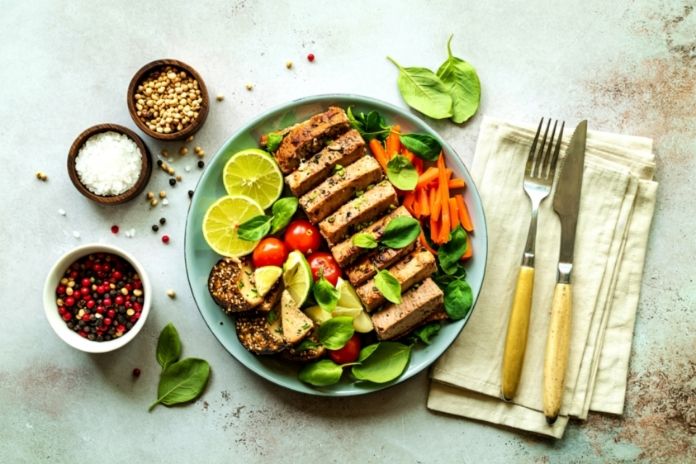
Here’s the straightforward answer: yes, and the science backing it is strong.
According to a randomized trial published in Obesity (2017), people who ate more protein each day lost more weight than those on a standard-protein diet. The higher-protein group consumed roughly 0.6 grams of protein per pound of body weight, while the comparison group ate about 0.36 grams per pound.
The higher-protein group lost more total weight and body fat, leading researchers to conclude that increasing daily protein intake can noticeably improve weight-loss results.
The effect held across different age groups, body sizes, and activity levels. A 2015 analysis published in the American Journal of Clinical Nutrition reported that people consuming 1.2 to 1.6 grams of protein per kilogram of body weight daily lost more fat and retained more lean mass than those eating the standard recommended intake.
“In our randomized crossover study, high-protein yogurt snack significantly reduced afternoon hunger, delayed the desire to eat dinner by about 30 minutes, and even cut dinner intake by nearly 100 kcal, supporting the idea that less energy-dense, high-protein snacks can improve appetite control and reduce overall food intake.” – Heather J. Leidy, a nutrition and physiology researcher at the University of Missouri.
What this really means is that protein works on multiple fronts at the same time: appetite, hormones, metabolism, and muscle retention. Weight loss isn’t just about calories; it’s about the physiology driving those calories.
Read More: 12 Roles Of Proteins In The Body – Know The Importance!
How Protein Helps Your Body Lose Fat
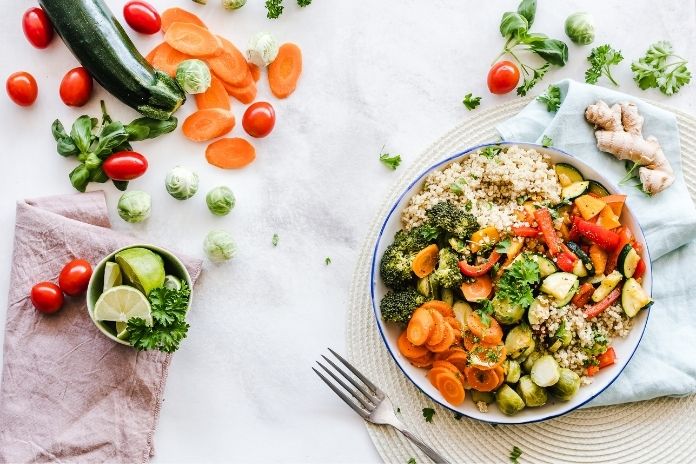
A high-protein diet isn’t magic. It’s physiology. Here are the key mechanisms that explain why it works so reliably.
1. Protein keeps you full longer
This is the strongest and most consistently proven effect. Protein triggers a sharper rise in satiety hormones such as peptide YY (PYY) and glucagon-like peptide-1 (GLP-1). These hormones tell your brain you’re full and help stabilize appetite.
According to Wayne Campbell, a nutrition scientist at Purdue University, higher-protein meals during a calorie-restricted diet helped participants feel fuller, curb cravings, and even improve sleep, all without them needing to “diet” by cutting calories drastically.
2. Protein has the highest thermic effect of food (TEF)
Your body burns calories just digesting and processing nutrients. This process is called the thermic effect of food. Protein has the highest TEF of any macronutrient:
- Protein: ~20–30% of its calories are burned during digestion.
- Carbohydrates: ~5–10%
- Fat: ~0–3%
According to Pesta & Samuel, the thermic effect of food (DIT) for protein is approximately 15–30% of its energy, much higher than carbs or fat. They also estimate that if someone increases their protein from 20% to 30% of total energy (e.g., on an 8368 kJ/day diet), the diet-induced thermogenesis would go up by about 58 kJ/day (~14 kcal/day), though measured values in studies can be significantly higher.
3. Protein protects muscle during weight loss
When you lose weight, you don’t want to lose muscle. Muscle tissue keeps your metabolism healthy, supports strength, and makes your body look leaner rather than “deflated.”
In a 6-month randomized trial, British Journal of Nutrition researchers found that a high-protein, energy-restricted diet in overweight adults preserved lean mass better than lower-protein diets.
4. Protein helps regulate blood sugar
Stable blood sugar means fewer crashes, cravings, and binge cycles.
Protein slows the digestion of carbohydrates, buffers glucose spikes, and helps improve insulin response. In people with type 2 diabetes, a study showed that replacing carbs with more protein and fat in meals significantly blunts post-meal glucose excursions.
Together, these mechanisms explain why protein isn’t just helpful for weight loss; it creates the conditions that make consistent fat loss possible.
How Much Protein Should You Eat for Weight Loss?
Most people eat far less protein than they think. The Recommended Dietary Allowance (RDA) is just 0.8 grams of protein per kilogram of body weight per day. But that number isn’t designed for weight loss or metabolic health. It’s the minimum needed to avoid deficiency, not the amount that supports fat loss, appetite control, or muscle preservation.
For weight loss and body recomposition, multiple expert groups, including the American College of Sports Medicine, recommend a much higher range:
Optimal protein intake for weight loss:
1.2 to 1.6 grams per kilogram of body weight per day.
Let’s put that into real numbers:
- If you weigh 60 kg (132 lbs), you need 72–96 g of protein per day.
- If you weigh 70 kg (154 lbs), you need 84–112 g of protein per day.
- If you weigh 80 kg (176 lbs), you need 96–128 g of protein per day.
People who are very active, strength train regularly, or are older (to prevent muscle loss) often benefit from the higher end of this range or even up to 2.0 g/kg under guidance from a healthcare professional.
The Best High-Protein Foods for Weight Loss
These foods are lean, nutrient-dense, and naturally help curb appetite. They’re also easy to incorporate into everyday meals.
Vegetarian Protein Sources
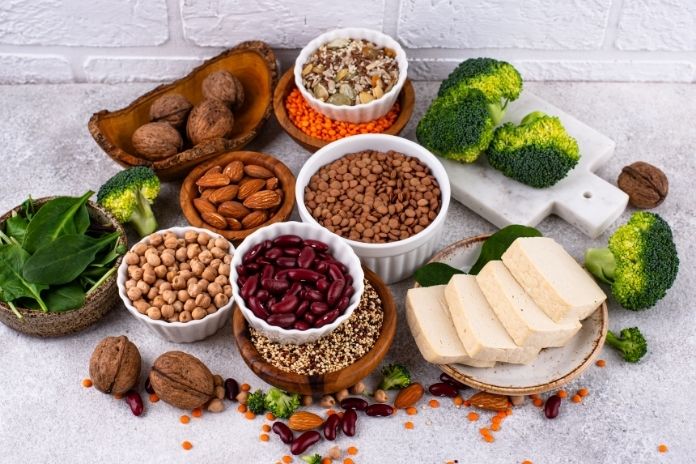
1. Greek Yogurt
Protein: 17–20 g per cup
Greek yogurt consistently ranks among the most satiating high-protein foods. It’s rich in calcium, probiotics, and slow-digesting casein protein that keeps you full for hours. Greek yogurt as a snack reduces evening hunger more effectively than snacks matched for calories.
2. Whey Protein
Protein: 20–25 g per scoop
Whey is one of the most bioavailable proteins on the planet. A 2023 meta-analysis of RCTs showed that whey protein supplementation leads to significant fat loss, reduced waist circumference, and preserved lean body mass.
3. Paneer (Fresh Cheese)
Protein: 14–19 g per 100 g
Paneer is protein-dense, slow-digesting, and highly satisfying. For people who prefer mild flavors and versatile cooking options, it’s one of the best vegetarian proteins for both meals and snacks.
4. Cottage Cheese
Protein: 14 g per half cup
Cottage cheese is one of the most efficient protein for fat loss. It’s low in calories, packed with casein, and extremely filling. Cottage cheese before bed can improve overnight muscle protein synthesis without increasing body fat.
Read More: The Cottage Cheese Comeback: Why Fitness Experts Swear by This Protein-Packed Food
Vegan Protein Sources
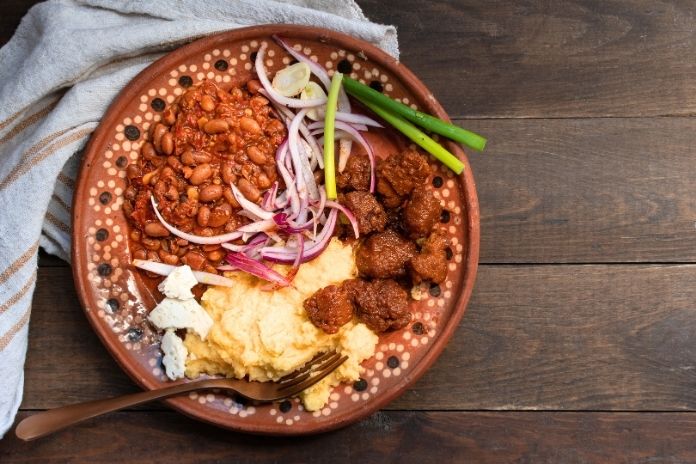
1. Tempeh
Protein: 18–20 g per serving
Fermented soy gives tempeh a unique nutritional advantage: better digestion, excellent protein quality, and a satisfying texture. Its fermentation also supports gut health, which is increasingly linked to weight regulation.
2. Tofu
Protein: 10 g per 100 g
While softer than tempeh, tofu is a lean, highly adaptable protein. When paired with vegetables and whole grains, tofu-based meals consistently support weight control.
3. Lentils
Protein: 18 g per cooked cup
A staple in Mediterranean and South Asian diets, lentils offer protein plus fiber, two elements shown to reduce hunger and increase diet adherence. Lentils also stabilize blood sugar, which is crucial during weight loss.
4. Edamame
Protein: 17 g per cooked cup
This young soybean is one of the highest-protein vegetarian foods available. It’s also rich in folate, antioxidants, and anti-inflammatory compounds. Edamame snacks have been shown to significantly increase fullness compared to carb-based snacks.
5. Seitan
Protein: 20–25 g per 3 ounces
Made from wheat gluten, seitan delivers a protein punch with very few calories. It’s a staple for vegan athletes because it mimics the texture of meat and absorbs flavor beautifully.
6. Chickpeas
Protein: 14–15 g per cooked cup
Chickpeas offer protein, fiber, and resistant starch, which improves insulin sensitivity.
According to the British Journal of Nutrition, a controlled trial found that when people ate meals containing chickpeas (about 44% of the energy), they maintained feelings of fullness and did not compensate by overeating at a later pizza meal, supporting the idea that pulses like chickpeas are satiating and help manage appetite.
7. Quinoa
Protein: 8 g per cup
Quinoa is one of the few plant foods that contain all nine essential amino acids. It’s also higher in minerals like magnesium and iron than most grains, making it a nutritious base for high-protein meals.
8. Hemp Seeds
Protein: 10 g per 3 tablespoons
Hemp seeds combine protein with healthy fats, particularly omega-3s. They’re ideal for topping salads, yogurt bowls, or smoothies to increase protein density without adding heaviness.
Read More: 8 Best Plant-Based Proteins for Muscle Building
Non-Vegetarian Protein Sources
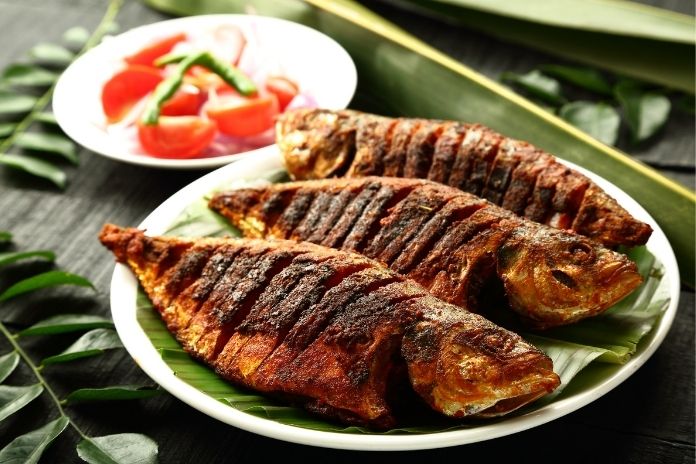
Animal proteins tend to be richer in essential amino acids, especially leucine, which stimulates muscle protein synthesis and supports lean body mass during weight loss.
1. Eggs
Protein: 6 g per egg
Eggs are one of the most studied weight-loss foods. According to a study from the University of Connecticut, consuming eggs for breakfast significantly reduced energy intake throughout the rest of the day in overweight and obese adults.
2. Chicken Breast
Protein: 26–31 g per 100 g
Lean, affordable, and extremely versatile. Because of its high protein-to-calorie ratio, chicken breast is a staple in clinical weight-management programs.
3. Turkey
Protein: 29 g per 100 g
Turkey is slightly leaner than chicken and rich in B vitamins. It digests slowly, stabilizing appetite through the afternoon or evening.
4. Salmon
Protein: 20–22 g per 100 g
Salmon brings something unique: omega-3 fatty acids. These fats reduce inflammation, support metabolism, and may improve fat oxidation. An overview of marine fish oil effects found that n-3 PUFAs may reduce fat deposition, suppress appetite, and increase fat oxidation.
5. Tuna
Protein: 25–29 g per 100 g
Low in fat, extremely high in protein, and convenient in canned form. Tuna is one of the best high-protein, low-calorie foods for quick meal prep.
6. Sardines
Protein: 20–23 g per 100 g
Sardines are underrated but incredibly nutrient-dense. They provide protein, omega-3s, vitamin D, calcium, and iron, all essential for metabolic and hormonal balance.
7. Lean Pork Tenderloin
Protein: 22 g per 100 g
Modern pork cuts can be surprisingly lean. Pork tenderloin contains protein comparable to chicken but with a richer mineral profile.
8. Shrimp
Protein: 20–23 g per 100 g
Shrimp offers lean protein with minimal calories. It’s also high in iodine, which supports thyroid function and overall metabolic rate.
Read More: Shrimp vs Chicken for Weight Loss: Which Protein Is Better?
High-Protein Snacks That Support Weight Loss
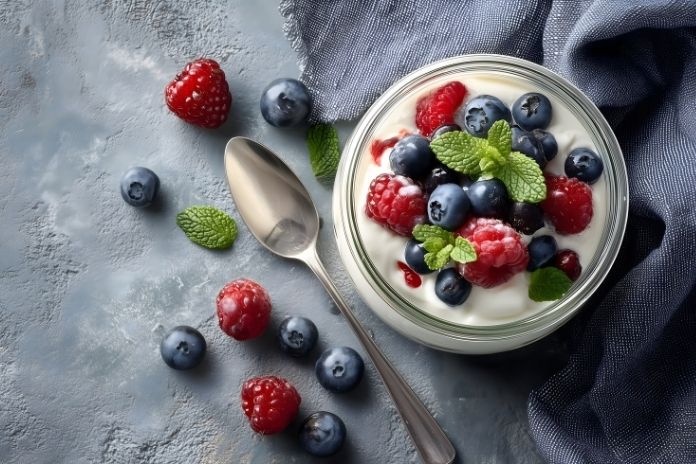
Snacks can make or break a weight-loss strategy. High-protein snacks help bridge hunger gaps and prevent overeating later.
Some reliable options:
- Greek yogurt with berries.
- Apple slices with almond butter.
- Hard-boiled eggs.
- Roasted chickpeas.
- Cottage cheese with pineapple.
- Protein shake made with whey or plant protein.
- Tuna with lemon and pepper.
- Hummus with raw vegetables.
These options deliver protein with minimal empty calories, helping stabilize blood sugar and appetite.
How to Add More Protein Without Adding Unnecessary Calories
Here are simple, research-backed ways to hit your protein goal naturally:
- Front-load protein early in the day: Studies from the University of Missouri show that higher-protein breakfasts reduce cravings and snacking later in the day.
- Swap refined carbs for lean proteins: Replace white rice with quinoa, pasta with chickpeas, or sugary cereal with Greek yogurt.
- Divide protein evenly across meals: Muscle protein synthesis works best when protein is distributed, 20–40 g per meal, rather than eaten in a single sitting.
- Combine plant proteins smartly: Pair legumes with grains (e.g., rice and beans) to create complete amino acids.
- Add proteins to snacks: Edamame, nuts, yogurt, and tuna cups are convenient and portable.
- Read labels carefully: Some “high-protein” packaged foods hide unnecessary sugars or oils.
Are There Any Risks to a High-Protein Diet?
For healthy adults, higher protein intake (up to at least 2.0 g/kg per day) is considered safe. Still, certain individuals should speak with a healthcare professional before adopting a high-protein diet:
- People with chronic kidney disease.
- Individuals with liver disorders.
- Those requiring medically supervised diets.
- People dealing with gout or high uric acid.
For most adults, however, increasing protein improves diet quality, metabolic health, and long-term weight maintenance.
Frequently Asked Questions
Does protein automatically make you lose weight?
Not by itself. Weight loss still depends on a calorie deficit. What protein does is make that deficit easier to maintain because it increases fullness, steadies appetite, and helps preserve muscle. With more muscle retention, your metabolic rate stays higher, which supports long-term fat loss. Think of protein as a tool, not the driver.
Can vegetarians or vegans get enough protein to lose weight?
Yes, and it’s more achievable than people assume. Lentils, chickpeas, tofu, tempeh, seitan, edamame, and high-protein plant yogurts all add up quickly. When you combine these foods across meals, hitting 70–110 grams a day becomes very realistic. You just have to be intentional with portions, not perfect.
Is it bad to eat protein at night?
No. Eating protein before bed isn’t harmful for healthy adults. Casein-rich foods like cottage cheese digest slowly, which helps with overnight muscle repair and may slightly boost next-morning metabolism. What matters is your total daily intake, not the clock.
Do high-protein diets hurt your kidneys?
In healthy people, the evidence says no. Reviews and clinical trials consistently show that higher protein intake doesn’t damage kidney function unless someone already has kidney disease. Your kidneys adapt to the increased workload by filtering more efficiently. If you have kidney issues, then you need medical guidance.
Is whey better than plant protein?
Whey has higher bioavailability and tends to stimulate muscle protein synthesis more efficiently. But modern plant proteins, especially blends like pea + rice or soy-based powders, perform very well for both weight loss and muscle support. The best choice is whatever you tolerate, enjoy, and can stick to consistently.
Final Takeaway
A high-protein diet isn’t a trend. It’s one of the most consistently proven nutrition strategies for fat loss. Study after study shows the same pattern: when protein goes up, appetite becomes easier to manage, cravings drop, blood sugar stays steadier, and you hold on to muscle even when calories come down. That combination is exactly what protects your metabolism during a deficit.
The approach works no matter your diet style. Vegetarian, vegan, or non-vegetarian, the principle is the same. Build your meals around a solid protein source, spread your intake across the day instead of loading it all at dinner, and choose whole foods that actually nourish you instead of filling space.
Hit your protein target, stay in a gentle calorie deficit, and you remove a lot of friction from weight loss. Hunger becomes more predictable, energy stays steadier, and the process stops feeling like punishment. It turns into something you can stick with for months, and that’s what makes it sustainable.
References
- https://www.webmd.com/diet/high-protein-diet-weight-loss
- https://www.mayoclinic.org/healthy-lifestyle/nutrition-and-healthy-eating/expert-answers/high-protein-diets/faq-20058207
- https://pmc.ncbi.nlm.nih.gov/articles/PMC7539343/
- https://www.kumc.edu/about/news/news-archive/protein-benefits.html
- https://health.clevelandclinic.org/how-much-protein-to-eat-to-lose-weight
- https://medicine.washu.edu/news/high-protein-diet-curbs-metabolic-benefits-weight-loss/
- https://pmc.ncbi.nlm.nih.gov/articles/PMC7539343/
- https://www.herbalife.com/en-in/wellness-resources/articles/how-protein-helps-in-weight-loss
- https://www.sciencedirect.com/science/article/pii/S0002916523274274
- https://fshn.illinois.edu/news/why-eating-more-protein-and-fiber-can-help-you-lose-weight
- https://blog.nasm.org/nutrition/how-much-protein-should-you-eat-per-day-for-weight-loss
- https://www.mayoclinichealthsystem.org/hometown-health/speaking-of-health/are-you-getting-too-much-protein
- https://www.health.harvard.edu/blog/how-much-protein-do-you-need-every-day-201506188096
- https://www.bbcgoodfood.com/health/special-diets/best-sources-protein-vegans
- https://www.medanta.org/patient-education-blog/20-power-packed-protein-sources-for-vegetarians
- https://fitspire.online/blogs/aspire-to-fitness/15-best-protein-rich-sources-for-vegetarians-vegans-in-india
- https://www.heart.org/en/healthy-living/healthy-eating/eat-smart/nutrition-basics/plant-based-protein-infographic
- https://m.economictimes.com/news/new-updates/10-best-vegetarian-protein-sources-other-than-paneer-that-are-great-for-weight-loss-and-muscle-building/articleshow/124981371.cms
- https://www.bhf.org.uk/informationsupport/heart-matters-magazine/nutrition/protein/how-to-get-protein-without-the-meat
- https://kapeefit.com/non-veg-protein-chart/
- https://www.eggoz.com/blogs/lifestyle/highest-protein-food-vegetarian-protein-vs-non-vegetarian-protein
- https://www.hopkinsmedicine.org/health/wellness-and-prevention/5-protein-packed-foods-for-healthy-meatless-meals
- https://timesofindia.indiatimes.com/life-style/health-fitness/health-news/top-gastroenterologist-ranks-common-non-vegetarian-protein-sources/articleshow/123107405.cms
In this Article