












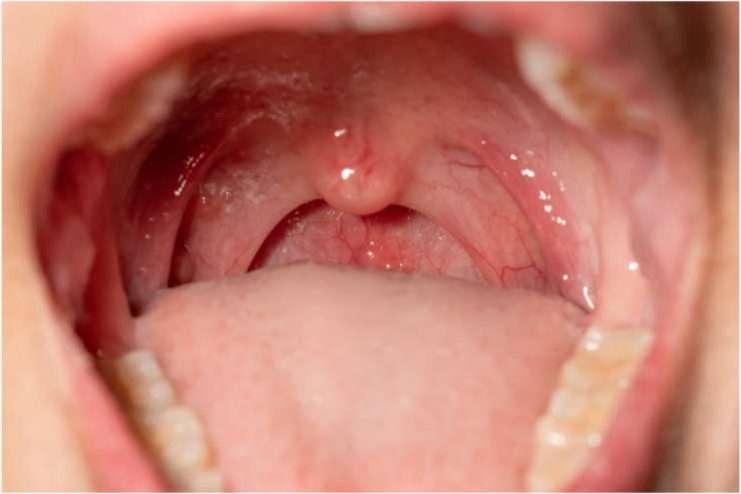
Are you experiencing a sharp, stinging pain when swallowing? If this discomfort persists, you might be dealing with uvulitis—inflammation of the uvula and surrounding throat tissues. While this condition can be uncomfortable and concerning, there are several evidence-based natural remedies that may help provide relief when used alongside proper medical care.
This comprehensive guide will explore proven natural approaches to managing uvulitis symptoms while emphasizing the importance of professional medical evaluation for proper diagnosis and treatment.
What is Uvulitis?

Uvulitis is characterized by inflammation, swelling, and irritation of the uvula—the small, teardrop-shaped tissue that hangs at the back of your throat. This condition can range from mild discomfort to severe swelling that may interfere with swallowing, speaking, or even breathing in extreme cases.
The uvula plays important roles in speech production and preventing food from entering the nasal cavity during swallowing. When inflamed, it can significantly impact your quality of life and daily activities.
What are the Causes of Uvulitis?

The causes of uvulitis are quite extensive. Some of the most common causes include:
- Allergies – Environmental or food allergens
- Hereditary issues – Genetic predisposition to inflammation
- Dry mouth – Lack of adequate saliva production
- Throat injury – Physical trauma to the throat area
- Throat infection – Bacterial or viral infections
- Acid reflux – Stomach acid irritating the throat
- Side effects of smoking – Irritation from tobacco smoke
Signs and Symptoms of a Swollen Uvula

The signs and symptoms of uvulitis include:
- Trouble swallowing
- Pain while swallowing
- Sore throat
- Swollen tonsils
- Excessive saliva production
- Gagging sensation
- Fever
- Nasal regurgitation
Home Remedies for Uvulitis
 To help speed up your recovery, here are some effective natural ways to treat a swollen uvula:
1. Stay Properly Hydrated

The most important factor influencing uvulitis is often dry mouth. Not many people realize that dry mouth is one of the most common reasons for the irritation, pain, and inflammation associated with this condition.
If you’ve been struggling with uvulitis, focus on keeping your hydration levels adequate throughout the day.
2. Salt Water Gargling

Gargling with warm salt water is an effective way to treat a swollen uvula. Salt has beneficial antimicrobial properties that help ward off infections that may be causing the condition. Additionally, warm water helps reduce inflammation, alleviating pain and discomfort.
Instructions:
- Boil water and let it cool until lukewarm
- Add ½ teaspoon of salt and mix well
- Use this salt water to gargle until you finish the glass
How Often: Once daily until the condition improves.
3. Throat Lozenges

Throat lozenges are among the best natural remedies for uvulitis. Most lozenges available contain beneficial numbing properties that help relieve pain and discomfort.
Choose sugar-free lozenges to avoid worsening the condition, especially if you have diabetes or unstable blood glucose levels. Peppermint lozenges are particularly effective in providing pain relief and reducing inflammation.
Buy Quantum Health TheraZinc Organic Zinc Lozenges
4. Ginger, Honey, and Lemon Combination

The combination of ginger, honey, and lemon has proven benefits in boosting overall health and immunity, which can help treat a swollen uvula. All three ingredients are rich in antioxidants and possess antimicrobial and anti-inflammatory properties that play crucial roles in managing the condition.
This remedy works primarily by preventing infections and allergic reactions, thereby supporting the healing process.
Instructions:
- Boil a cup of water
- Add juice from one lemon
- Stir in 1 teaspoon of honey
- Mix well, ensuring the water is still lukewarm
- Drink while warm
How Often: Once or twice daily.
5. Raw Honey

Honey is an excellent option if you’ve been struggling with uvulitis. If you’re wondering why your uvula is swollen, it could be due to an infection or allergic reaction. Consuming honey daily, especially first thing in the morning, can help if you consistently experience a swollen uvula.
The antimicrobial properties of honey help prevent the spread of infection, keeping symptoms under control. Use organic honey, as it has better effects on reducing inflammation and pain.
Instructions: Consume 1 tablespoon of raw honey in the morning for best results.
How Often: Once or twice daily until symptoms subside.
Also, Read: Raw Honey For Sore Throat | Get Rid of Sore Throat
Buy Manuka Health UMF 13+/MGO 400+ Manuka Honey
6. Frozen Ice Popsicles

When your throat is swollen and painful due to uvulitis, frozen popsicles can provide significant relief. If you’re having difficulty swallowing food, these frozen treats can offer comfort.
If popsicles aren’t available, ice chips work just as well. Opt for frozen juice bars, as they’re healthy, free from added sugar, and serve as an effective remedy for a swollen uvula.
Instructions:
- Extract juice from your preferred fruit
- Pour the juice into an ice cream tray and insert sticks
- Leave them in the freezer overnight
- Enjoy the next day
How Often: 1-2 ice treats daily until recovery.
7. Chamomile Tea

Herbal teas are excellent natural remedies for uvulitis due to their soothing and anti-inflammatory properties (R). Chamomile tea can be very effective for a swollen uvula because chamomile is rich in anti-inflammatory and antimicrobial properties that help reduce inflammation and fight off infections.
For best results, drink the tea while it’s warm.
Instructions:
- Boil water in a pot
- Pour hot water into a cup
- Steep a chamomile tea bag for 10 minutes
- Add 1 teaspoon of honey to the steeped tea
- Drink warm
How Often: 1-2 cups daily.
Buy Bigelow Tea Cozy Chamomile Herbal Tea
8. Holy Basil Leaves Tea
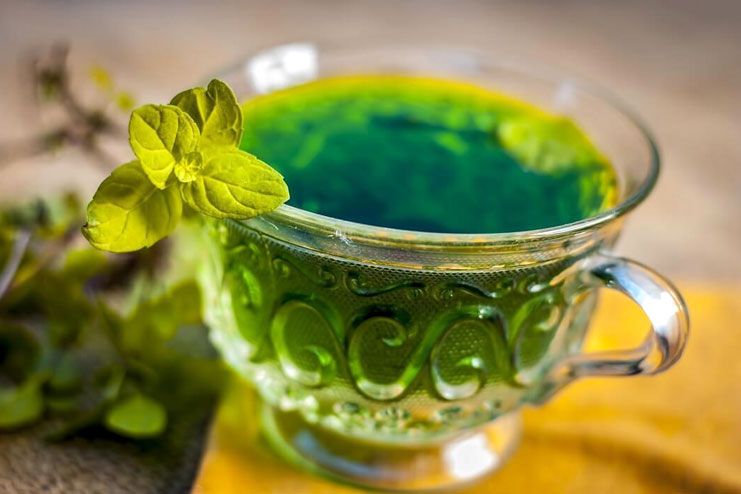
Holy basil leaf tea is another effective remedy for uvulitis (R). It’s best to steep it well, preferably using freshly plucked leaves. Like many herbal teas, holy basil tea possesses beneficial antimicrobial and anti-inflammatory properties that help alleviate the condition by reducing unnecessary inflammation and combating allergic reactions and infections.
Instructions:
- Boil water in a pot
- Add a handful of holy basil leaves
- Cover the pot and let it steep for 10-15 minutes
- Strain the liquid and add 1 teaspoon of honey
- Drink warm
How Often: 1-2 cups daily until symptoms are managed.
Buy Organic Tulsi Holy Basil Tea
9. Turmeric Tea or Turmeric Milk

Turmeric is known for its amazing range of therapeutic benefits. If you’ve been struggling with uvulitis, focus on consuming turmeric tea or turmeric milk, whichever you prefer.
Both options, when consumed warm, help soothe the throat and alleviate inflammation in the uvula, reducing pain and discomfort. Turmeric is considered effective because it’s rich in beneficial antioxidant (R) and anti-inflammatory properties (R), thanks to its active compound, curcumin.
Instructions for Turmeric Tea:
- Boil water in a pot
- Pour into a cup
- Add turmeric tea and let it steep
- Add honey to enhance taste
- You can also add grated ginger
- Drink warm
Instructions for Turmeric Milk:
- Boil milk in a pot
- Add ½ teaspoon of turmeric and mix well
- Drink warm
How Often:
- Turmeric tea: 1-2 times daily
- Turmeric milk: Once before bedtime
Also, Read: 25 Turmeric Golden Milk Benefits You Need To Know of
Buy Organic Turmeric Ginger Tea
10. Garlic
 Garlic is excellent for treating a swollen uvula, especially when caused by infection or allergic reaction. Allicin, the main component in garlic, has powerful antimicrobial (R) and anti-inflammatory (R) properties that can aid in treating the condition and promoting healing from within. Garlic also helps boost overall immunity, further supporting speedy recovery.
Instructions:
- Chew on a fresh garlic clove in the morning
- If the taste is too strong, incorporate garlic into your daily meals
How Often: Once in the morning or include in daily meals.
11. Get Proper Rest

One of the most underrated ways to treat a swollen uvula is ensuring your body gets proper rest. If you’re experiencing uvulitis due to an allergic reaction or infection, it’s important to allow your body to fight off the condition.
Getting adequate rest is crucial for boosting overall immunity and supporting recovery. Additionally, staying well-hydrated throughout the day supports the healing process. Make sure you get quality sleep at night, and if possible, include naps during the day to aid in speedy recovery.
12. Apple Cider Vinegar

Apple cider vinegar is renowned for numerous health benefits, and providing relief from a swollen uvula is one of them. If you’ve been struggling with pain and inflammation, this remedy can be highly effective.
Apple cider vinegar provides relief due to its combination of antimicrobial (R) and anti-inflammatory (R) properties, which help reduce both pain and inflammation.
Instructions:
- In a glass of water, add 1 teaspoon of apple cider vinegar and 1 teaspoon of honey
- Mix well to create a solution
- Drink in the morning on an empty stomach
How Often: 1-2 times daily.
Buy 365 by Whole Foods Market, Vinegar Apple Cider Organic
13. Wheatgrass Juice
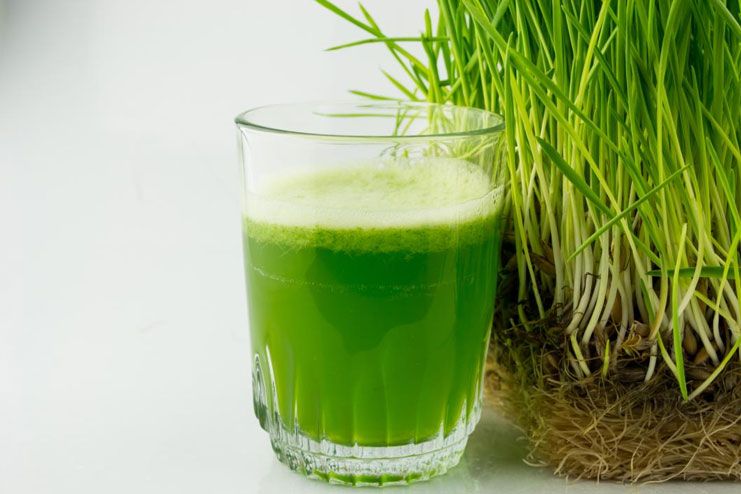
While wheatgrass isn’t everyone’s favorite due to its pungent smell and distinct green taste, it’s one of the best options for relieving pain and irritation(R) caused by a swollen uvula. The chlorophyll in wheatgrass has been found to have beneficial effects in reducing bacterial growth and managing inflammation.
Instructions:
- Source freshly cut wheatgrass from the store
- Clean thoroughly to remove any dirt
- Add to a blender along with 1 inch of ginger
- Add lemon juice and a dash of cayenne pepper
- Blend well, then strain through a sieve to extract juice
- Strain once more and drink
How Often: Once daily.
Buy Organic Wheatgrass Juice Powder
Consult Your Doctor
 While this isn’t a natural remedy, it’s important to keep this option available. If you’ve been struggling to manage your symptoms or if they persist or worsen, consult a doctor for proper evaluation of any underlying health conditions. This will provide a better understanding of your condition and help prevent complications from developing.
How to Prevent Swollen Uvula?

Prevention of uvulitis largely depends on your lifestyle choices:
- Maintain a healthy diet rich in antioxidant and anti-inflammatory foods to support immunity
- Lead an active lifestyle rather than a sedentary one
- Practice good oral hygiene
- Stay properly hydrated
- Avoid irritants such as smoking
- Manage acid reflux if present
How Long Does It Take for Swollen Uvula to Heal?

The duration of uvulitis can be difficult to determine and depends on the underlying cause. If you’ve been consistently experiencing pain and discomfort due to an infection, the quicker the infection heals, the sooner you’ll find relief from uvula inflammation.
On average, complete healing can take anywhere from one week to several weeks, depending on the severity and underlying cause.
Is Uvulitis Contagious?

No, uvulitis is not a contagious condition. While infections can be a possible trigger, many people mistakenly believe uvulitis itself is contagious, but this is not the case.
If you’ve been experiencing symptoms for an extended period, it’s important to consult a doctor before the condition worsens.
Conclusion
Although uvulitis can be painful and extremely uncomfortable, it is manageable when approached correctly. Understanding the potential causes, symptoms, and natural remedies will enable you to take proactive steps toward relief.
Simple therapeutic home remedies—including proper hydration, herbal teas, and consumption of anti-inflammatory ingredients such as honey, garlic, and turmeric—can work wonders in lessening discomfort.
However, if symptoms worsen or persist, it’s important to seek medical attention to rule out underlying infections or complications. Preventive measures also play an important role: maintaining good oral hygiene, staying hydrated, and avoiding irritants like smoking can drastically lower your chances of developing uvulitis.
With proper care and attention, most people recover completely within one to two weeks and return to normal health.
In this Article