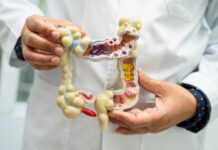












Constipation is both uncomfortable and annoying, usually caused by diet, lifestyle, or other factors. If untreated, constipation may lead to more serious digestive issues. With a healthy diet, proper digestion, and regular bowel movements, constipation can improve.
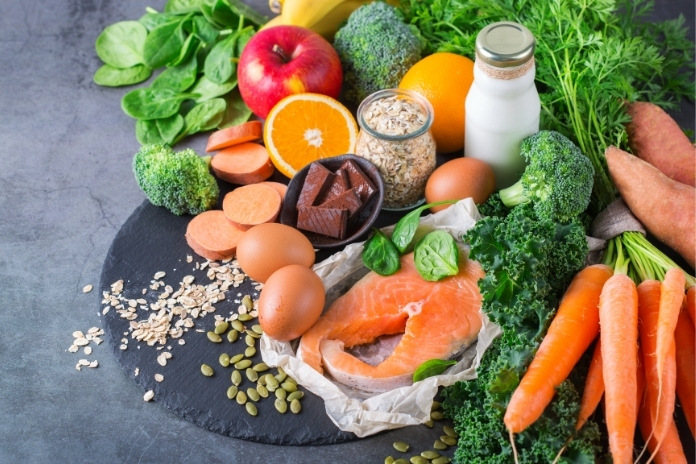
Foods that aid in digestion the most are typically high in fiber and easy to digest, according to health expert Avery Zenker. Whole grains and vegetables contain insoluble fiber, which helps increase stool volume and facilitates faster passage through the digestive system, thereby helping to avoid constipation.
In this article, we will discuss the 24 foods that help relieve constipation and facilitate digestion. Eating these highly nutritious foods as part of your daily meals will help support gut health and alleviate discomfort.
Also, Read: What Does It Mean When Your Poop Floats? 8 Possible Causes
What Foods Make You Poop and Prevent Constipation
A balanced diet with sufficient fiber intake is crucial for bowel movement. If irregular or inconvenient digestion experiences are frequent for you, minor adjustments in your diet can enhance natural bowel.
This article will cover various foods that relieve constipation and promote digestive health. These foods possess unique properties, and understanding how they work will help you select the best options for your body. Before making some major changes to your diet, it is important to find what works best for you.
Check Out These Foods Which Make You Poop
1. Apples
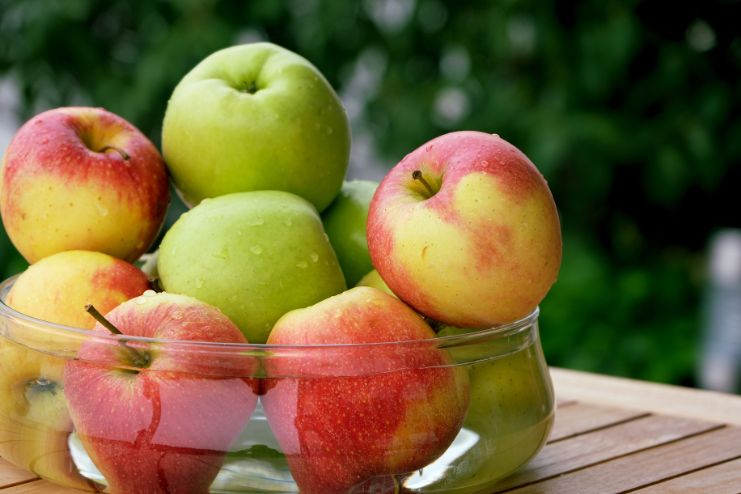
Constipation can lead to bloating, discomfort, and delayed digestion. Being high in fiber, apples facilitate digestion and promote regularity. The combination of soluble and insoluble fiber and high water content in apples makes them a natural constipation remedy.
Recommended Intake
- Health professionals recommend a daily fiber intake of 25 to 30 grams for adults
- A medium apple (with skin) provides about 4 grams of fiber
- Eating one to two apples daily can support digestive health
How Apples Alleviate Constipation
- Insoluble fiber (in the skin): Adds bulk to stool and eases passage
- Soluble fiber (pectin): Helps regulate digestion and soften stool
- High water content: Maintains hydration, softening stool for smoother bowel movements
Apples are most effective when eaten with the skin to maximize fiber intake.
2. Watermelon
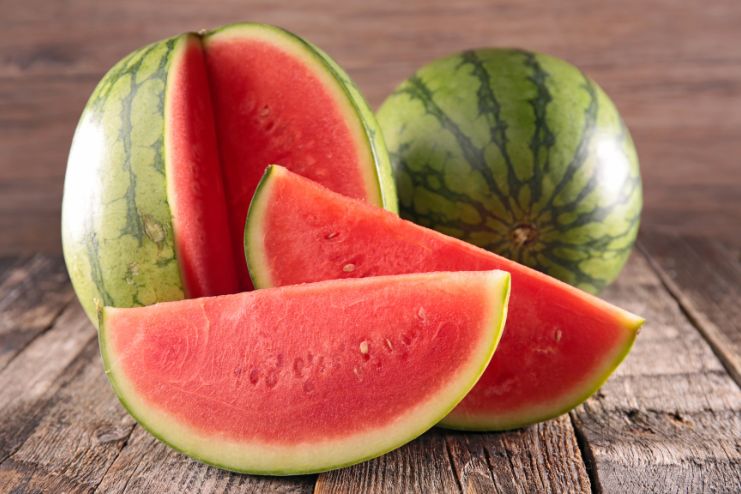
Watermelon is a refreshing and hydrating fruit rich in water and fiber, making it an excellent natural remedy for constipation. The high water content helps soften stool and promotes easy bowel movements, reducing discomfort and supporting gut health.
Recommended Intake
- A quarter of a medium-sized watermelon (roughly 2 cups diced) provides adequate hydration and constipation relief
- Consuming too much may cause flatulence or stomach upset due to natural sugars
How Watermelon Alleviates Constipation
- High water content (~92%): Provides hydration to soften stool
- Contains fiber (~0.6g per 100g): While not fiber-rich, still supports digestion
- Acts as a mild natural laxative: Promotes regular bowel movements without straining the gut
3. Bananas
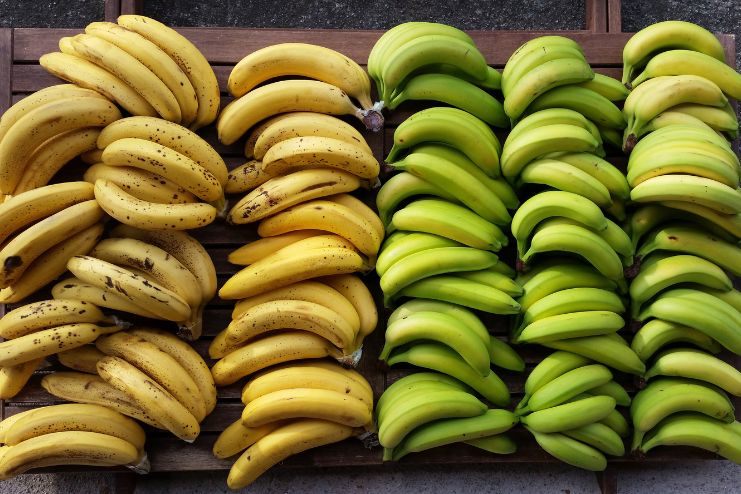
Ripe bananas act as natural laxatives, while unripe bananas can be constipating. Ripe bananas contain soluble fiber that makes bowel movements more comfortable and regular. Unripe bananas contain resistant starch, which can lead to harder stools but may help with diarrhea.
Recommended Intake
- Eating 1-2 ripe bananas daily can ease constipation and promote regular bowel movements
- Avoid green bananas if constipated, as their resistant starches can worsen the condition
How Bananas Alleviate Constipation
- High fiber content (~3g per medium banana): Promotes bulk and regularity
- Rich in pectin (soluble fiber): Draws water into stool to facilitate passage
- Gentle on digestion: Provides mild natural laxative effects without irritation
Also, Read: 4 Benefits of Eating Banana With Milk – Effective Reasons!
4. Broccoli
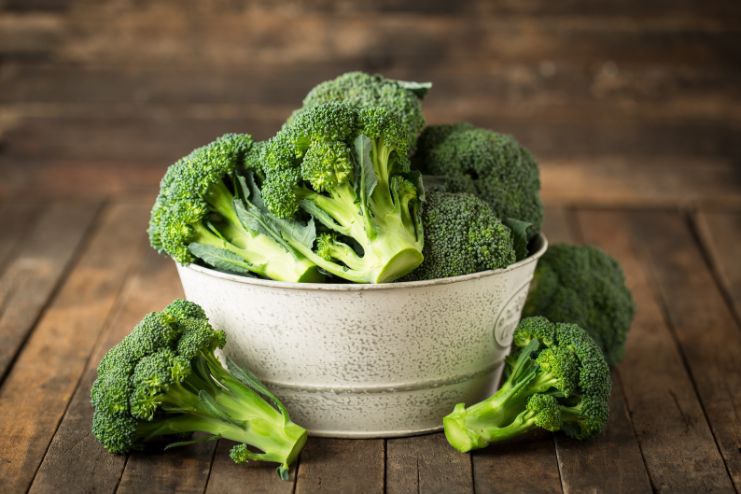
Broccoli is one of the best fiber-rich vegetables for promoting digestion and relieving constipation. This cruciferous vegetable is loaded with fiber, vitamin C, and beta-carotene, which are powerful antioxidants that support overall health, especially gut health.
Recommended Intake
- Aim for four to five large florets per serving
- Raw broccoli provides maximum fiber content
- Steaming preserves nutrients better than boiling
How Broccoli Alleviates Constipation
- High in fiber (~2.4g per 100g): Increases stool bulk and promotes bowel movement
- Rich in sulforaphane: Promotes healthy gut bacteria growth and aids digestion
- Supports digestive tract movement: Allows food to move efficiently through the system
Also, Read: Awesome Benefits of Eating Broccoli
5. Blueberries
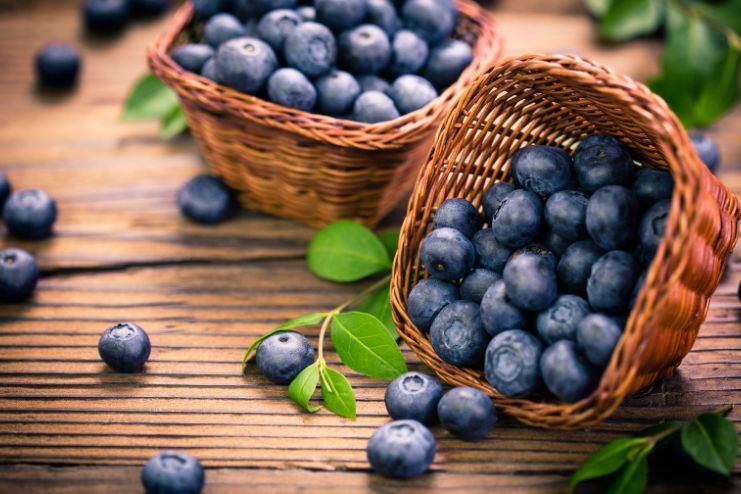
Blueberries are packed with vitamin C, antioxidants, and fiber, serving as a natural remedy for constipation. They gently promote bowel movements and support healthy gut function while providing digestive comfort.
Recommended Intake
- About ½ to 1 cup (50-100 grams) daily provides approximately 5 grams of fiber
- Makes an excellent gut-friendly snack that satisfies sweet cravings
How Blueberries Alleviate Constipation
- High fiber content (~2.4g per 100g): Adds bulk to stool for smooth digestion
- Mild laxative effect: Promotes regular bowel movements
- Hydrating and nutrient-dense: Supports digestion and prevents discomfort
Best enjoyed as a snack or added to yogurt, smoothies, or oatmeal.
Also, Read: Do Blueberries Make You Poop? Benefits And Causes
6. Chia Seeds
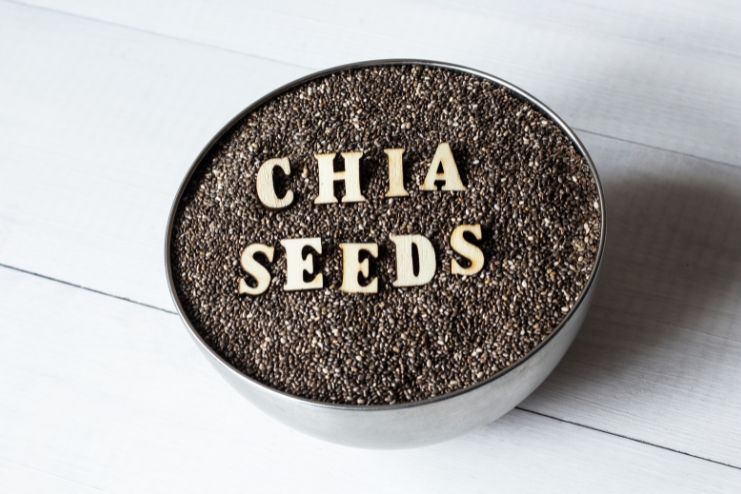
Chia seeds are nutrient-dense powerhouses containing fiber, omega-3 fatty acids, and antioxidants, making them perfect for digestive health. When soaked, they create a gel-like texture that softens stool and aids smooth digestion.
Recommended Intake
- Soak 2-3 tablespoons in water for 2-3 hours before consuming
- Add soaked chia seeds to smoothies, yogurt, oatmeal, or puddings
- Drink plenty of water when consuming chia seeds to avoid bloating
How Chia Seeds Alleviate Constipation
- Rich in fiber: High fiber and healthy fat content make them excellent natural constipation remedies
- Gel-forming ability: When soaked, they form a gel-like consistency that softens stool
- Hydration boost: They retain water, maintaining digestive tract hydration
7. Prunes
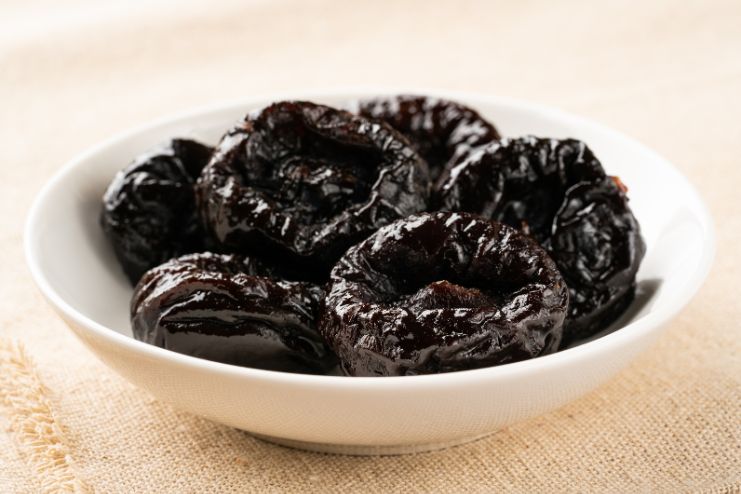
Prunes (dried plums) are among the most effective natural laxatives for constipation. Rich in fiber, sorbitol (a natural laxative), and other beneficial nutrients, they facilitate smooth digestion and regulate bowel movements.
Recommended Intake
- Consuming 3 to 5 prunes daily provides significant fiber benefits
- Can be eaten as snacks, added to smoothies, or incorporated into cereals
How Prunes Alleviate Constipation
- High fiber content: Adds bulk to stool, facilitating movement
- Rich in sorbitol: A natural sugar alcohol that draws water into intestines, softening stool
- Encourages gut motility: Promotes movement during bowel passage
- Gentle and effective: Provides natural laxation without disrupting digestion
8. Kiwifruit
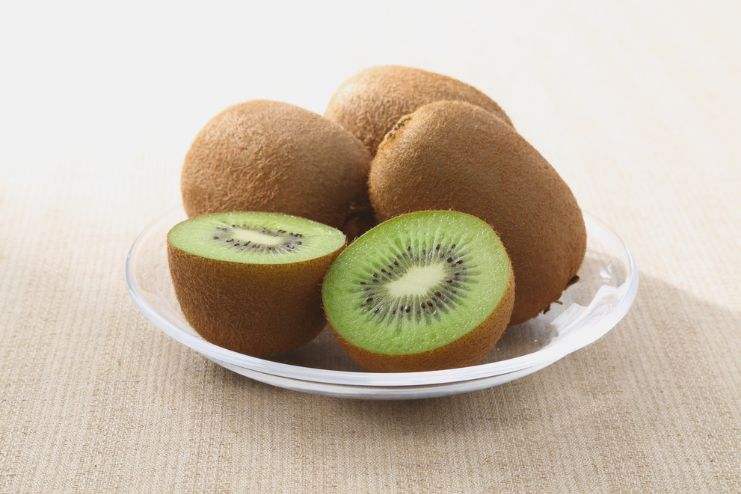
Kiwifruit is an excellent natural remedy for constipation due to its high fiber content, digestive enzymes, and nutrient-rich profile. It contains actinidin, an enzyme that helps digestion and promotes stool regularity.
Recommended Intake
- An average kiwi contains about 2.5 grams of fiber
- Eat two kiwis daily to enhance bowel regularity
- Can be eaten fresh, blended in smoothies, or mixed with other fruits
How Kiwifruit Alleviates Constipation
- High fiber content: Softens stool and improves gut motility
- Rich in actinidin: Natural enzyme that improves digestion and increases bowel movement frequency
- Hydrating and nutrient-dense: Provides essential vitamins and antioxidants for gut health
- Scientifically backed: Studies show kiwifruit effectively improves digestion and stool passage
9. Pears
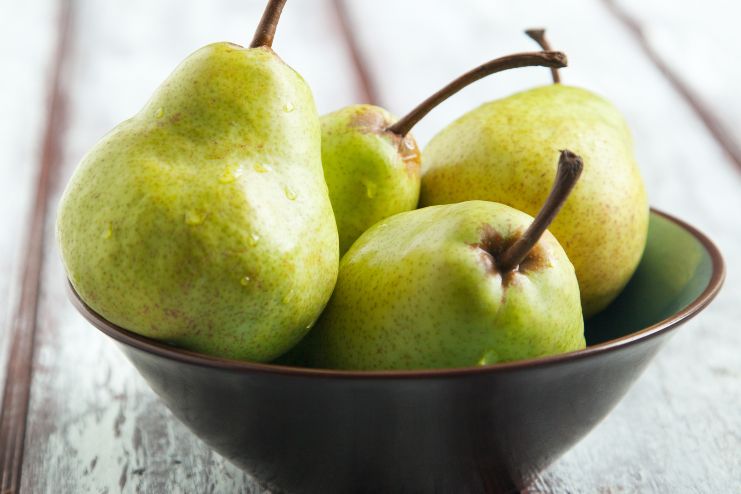
Pears are sweet, hydrating fruits known for relieving constipation. They support digestion through fiber content and high water content, while natural sugars like sorbitol act as mild laxatives.
Recommended Intake
- A medium pear provides about 5.5 grams of fiber
- Eat one to two pears daily as snacks between meals
- Keep the skin on for maximum fiber benefit
How Pears Alleviate Constipation
- Rich in fiber: Provides balanced soluble and insoluble fiber for regular bowel movements
- High water content: Hydration helps soften stool for easier passage
- Natural sorbitol: Sugar alcohol with mild laxative action
- Pectin content: Soluble fiber that promotes gut health and smooth digestion
10. Beans
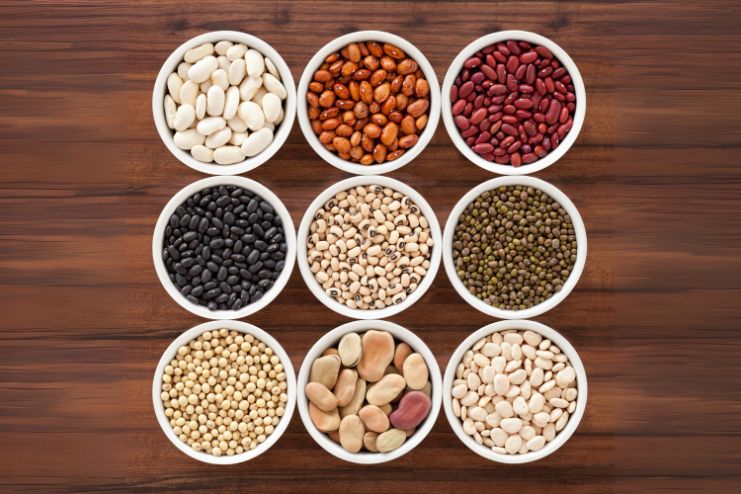
Beans are rich in dietary fiber and help maintain regular bowel movements while alleviating constipation. Though they may cause initial bloating, moderate consumption allows the digestive system to adapt and benefit from their high fiber content.
Recommended Intake
- Start with a small serving (about ½ cup) daily to allow gradual adjustment
- Best consumed at lunch to allow adequate digestion time
- Soak beans before cooking and drink plenty of water to minimize bloating
How Beans Alleviate Constipation
- High fiber: Rich source of both soluble and insoluble fiber for proper digestion
- Soluble fiber: Absorbs water, softening stool for easy passage
- Insoluble fiber: Adds bulk for efficient stool movement through intestines
- Prebiotic properties: Beneficial for gut bacteria and digestive health
Also, Read: 8 Simple Exercises to Relieve Constipation
11. Grapes
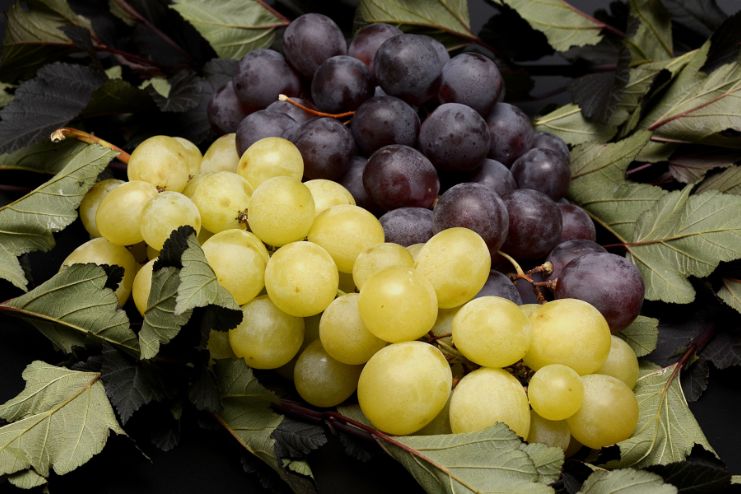
Grapes are excellent natural dietary aids for constipation relief. They’re rich in fiber, contain substantial water content, and provide magnesium—all factors that support healthy digestion and relieve constipation.
Recommended Intake
- About 10 grapes provide 2.6 grams of fiber
- Enjoy a small bowl between meals for optimal benefits
How Grapes Alleviate Constipation
- High fiber and water content: Balances hydration with natural nutrients for digestion
- Natural laxative properties: Help normalize bowel movement patterns
- Natural enzymes: Soften stool and facilitate passage through the digestive tract
12. Grapefruit
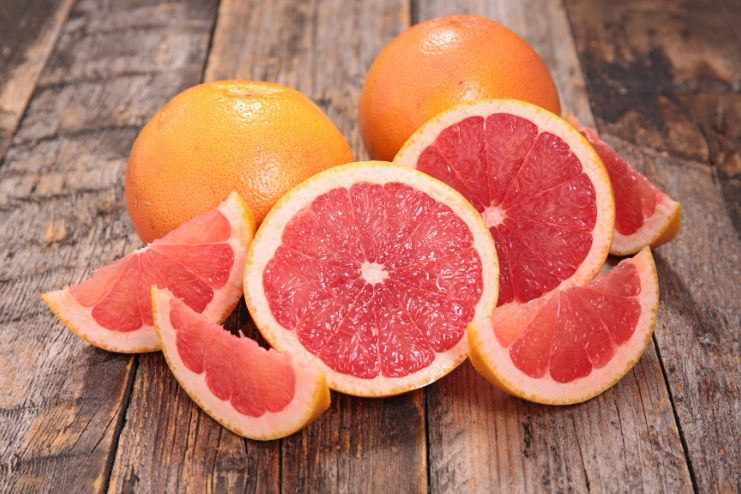
Despite its tangy, slightly bitter taste, grapefruit is a nutritional powerhouse filled with antioxidants, fiber, and vitamins that make it excellent for digestive health and constipation relief.
Recommended Intake
- Each serving contains about 10-12 grams of fiber
- Enjoy as a fruit salad with a dash of black salt to enhance flavor and digestive benefits
How Grapefruit Alleviates Constipation
- Insoluble fiber and pectin: Aid digestion and boost metabolism for regular, smooth bowel movements
- Natural laxative properties: Supports intestinal health as an excellent constipation remedy
13. Mangoes
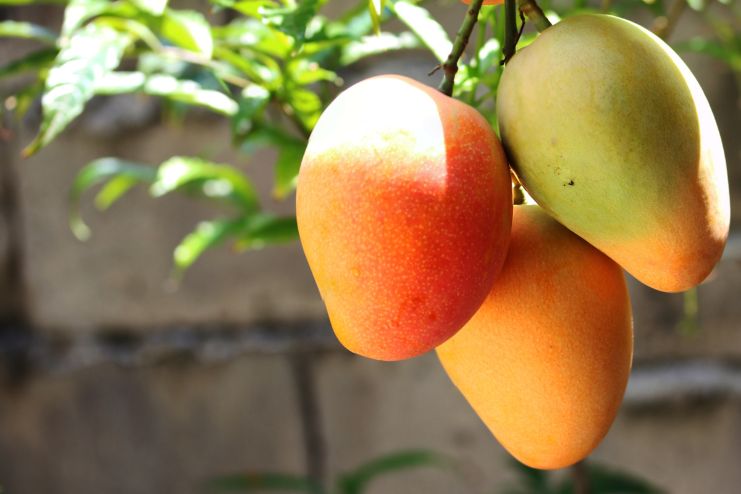
Mangoes contain important nutrients that aid digestion. Research from the University of Queensland shows that individuals who include mangoes in their diet experience improved bowel movements compared to those who don’t.
Recommended Intake
- One mango daily, with a maximum of two when in season
- Choose naturally ripened mangoes over chemically ripened ones for better nutritional value
How Mangoes Alleviate Constipation
- Rich in fiber, vitamins, and minerals: Support digestive tract health
- Natural enzymes: Help break down food for smooth digestion and regular bowel movements
14. Oatmeal
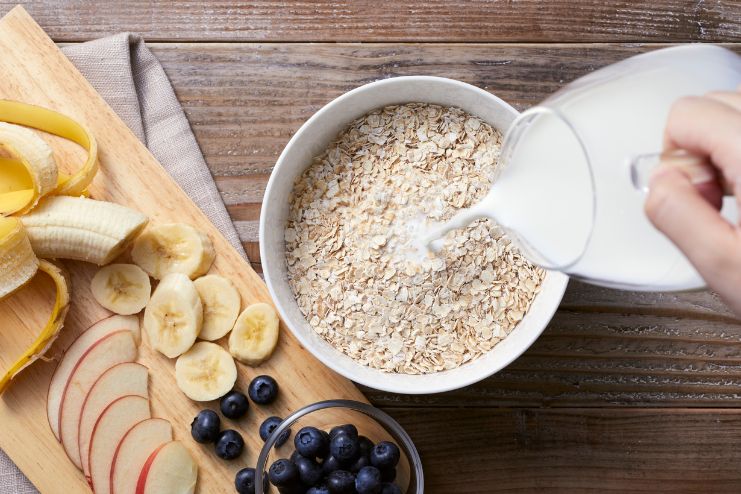
Oatmeal is highly beneficial for the digestive system and known to relieve constipation. It provides substantial fiber that helps regulate bowel movements and relieves digestive discomfort.
Recommended Intake
- One cup of oats effectively reduces constipation symptoms
- Typically consumed as breakfast cereal with milk or water
How Oatmeal Alleviates Constipation
- Balanced fiber content: Approximately 55% soluble and 45% insoluble fiber
- Soluble fiber: Absorbs water and forms gel-like consistency for easier stool passage
- Insoluble fiber: Adds weight and prevents excessive stool hardening
15. Water

Water remains the primary remedy for various constipation-related health issues. Proper hydration enables easy digestion and ensures regular bowel movements through softened stools.
“Many people don’t realize that dehydration is a leading factor in constipation, making water one of the most essential nutrients for relief,” explains Dr. Peyton Berookim, a board-certified gastroenterologist and advisor for BelliWelli, based at the Gastroenterology Institute of Southern California.
Recommended Intake
- Average adults should drink about 2 liters (8 glasses) daily
- Consume in steady sips throughout the day rather than large amounts at once
- Increase daytime intake and gradually decrease toward evening to avoid sleep disruption
How Water Alleviates Constipation
- Prevents dehydration: A leading cause of constipation
- Rehydrates the colon: Prevents excessive water absorption from stool
- Softens stool: Makes passage easier and less straining
Also, Read: 21 Simple and Proven Constipation Home Remedies (That Actually Work!)
16. Oranges

Oranges provide more than immune-boosting vitamin C. They contain fiber, antioxidants, and essential nutrients that boost digestive health with natural laxative properties for constipation relief.
Recommended Intake
- One orange contains about 4 grams of fiber and only 80 calories
- Eating 1-2 oranges daily provides excellent fiber, hydration, and energy
How Oranges Alleviate Constipation
- Soluble and insoluble fiber: Helps regulate digestion
- Contains naringenin: A flavonoid that acts as a natural laxative
- High water content: Softens stools for easier passage
17. Lemon Water

Lemon water supports the digestive system and helps treat constipation by normalizing bowel activity. The combination of water and lemon supports gut health by hydrating the colon and activating digestion.
Recommended Intake
- Most effective when consumed first thing in the morning on an empty stomach
- One full lemon squeezed into a glass of water
- Can add lukewarm water and honey based on personal preference
How Lemon Water Alleviates Constipation
- Water component: Hydrates and lubricates the colon for easy stool passage
- Citric acid: Stimulates digestive system function to break down food and move waste
- Natural detoxifier: Promotes better gut health through cleansing effects
Drinking a cocktail of lemon water on a day-in, day-out basis can surely prove to be one of the handy remedies to accelerate digestion and maintain fecal regularity.
18. Yogurt
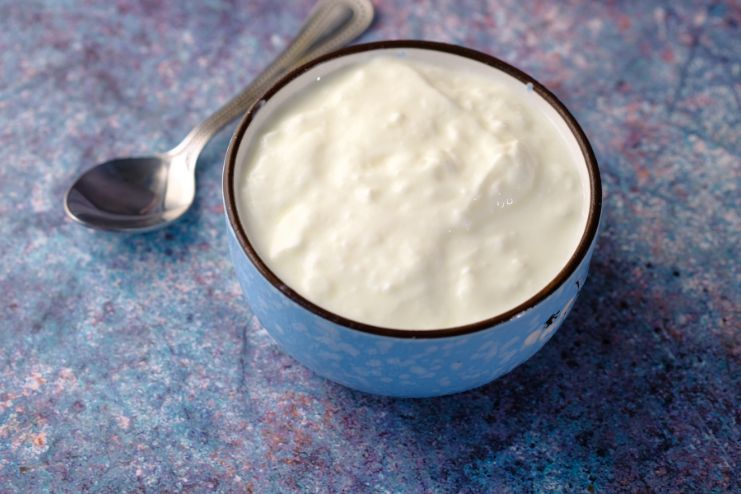
Yogurt can benefit those with occasional constipation, though it may not be suitable for individuals with IBS or dairy sensitivities. The probiotics in yogurt maintain healthy gut bacteria and stimulate regular bowel function.
Recommended Intake
- Consume a small bowl after large meals
- Combine with fiber-rich items like fruits or seeds for enhanced effectiveness
How Yogurt Alleviates Constipation
- Beneficial bacteria: Lactic Acid Bacteria and Bifidobacteria balance gut flora
- Improved digestion: Probiotic content aids nutrient absorption and bowel regularity
- Easier to digest: Lighter than other full-fat dairy products
Consult healthcare providers if you have IBS or dairy intolerance before consuming yogurt.
19. Almond Milk
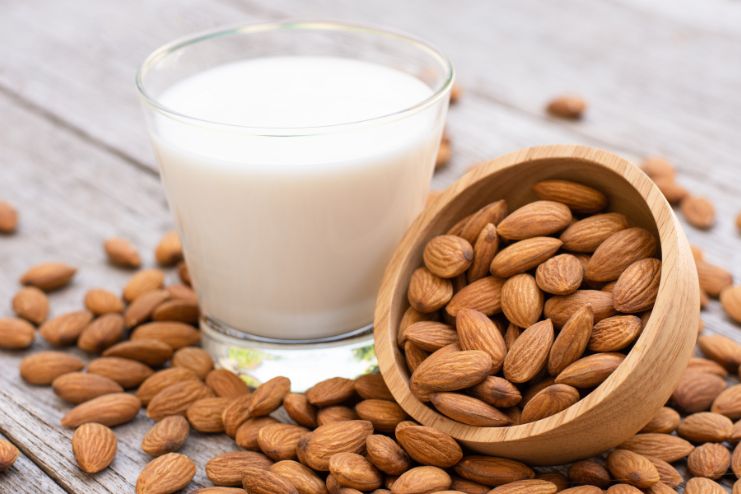
Almond milk is gentle, digestion-friendly, and unlike regular dairy milk, which may sometimes cause constipation. It’s lactose-free, making it ideal for those with lactose intolerance or dairy sensitivity.
Recommended Intake
- Drink at least once daily
- Can be consumed plain or added to smoothies, cereals, or morning oatmeal
How Almond Milk Alleviates Constipation
- Dairy-free alternative: Unlike some dairy products that may cause constipation
- Contains fiber: Aids digestion and promotes smoother bowel movements
- Light and non-acidic: Easy to digest without causing bloating or discomfort
20. Beetroot Juice
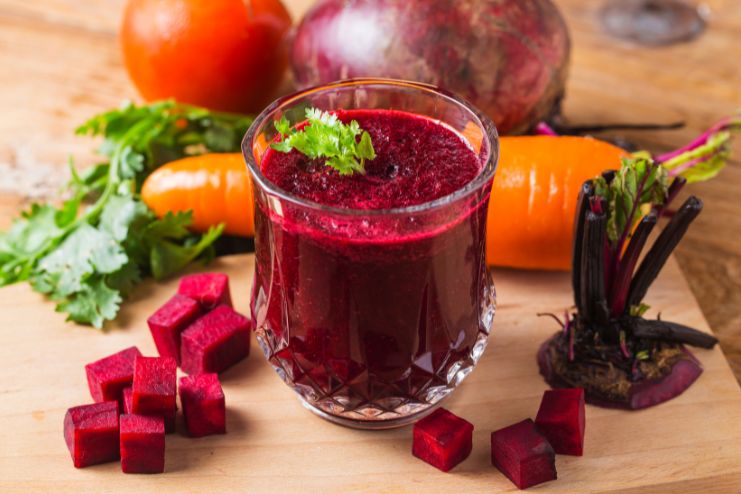
While beetroot juice may not be as fiber-rich as other foods, it’s essential for relieving constipation and promoting regularity with natural laxative properties.
Recommended Intake
- Start with half a glass daily due to its earthy flavor
- Can be mixed with other juices like carrot or apple for enhanced taste
- Use fresh, homemade juice rather than packaged varieties
How Beetroot Juice Alleviates Constipation
- Hydrating properties: Softens stool for easier bowel movement
- Stimulates intestinal contractions: Enhances digestion and alleviates constipation
- Antioxidant effects: Provides detoxifying benefits
Also, Read: What Are The Most Effective Yoga Poses for Constipation Relief
21. Coconut Water
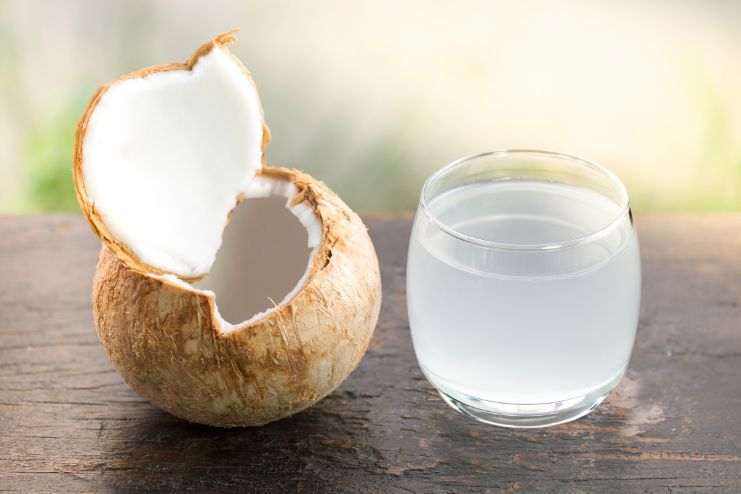
Coconut water can be an effective natural remedy for constipation when consumed in moderation. It hydrates the digestive tract, softens stool, and promotes elimination. However, excessive intake may cause digestive discomfort, especially for those with high potassium levels.
Recommended Intake
- Consume occasionally as a digestive aid
- Limit intake if potassium levels are elevated
- Choose fresh coconut water over processed varieties
How Coconut Water Alleviates Constipation
- Replenishes fluids: Restores electrolytes lost due to dehydration
- Softens stool: Enables easier passage through intestines
- Mild laxative effects: Provides relatively fast-acting natural relief
22. Cabbage
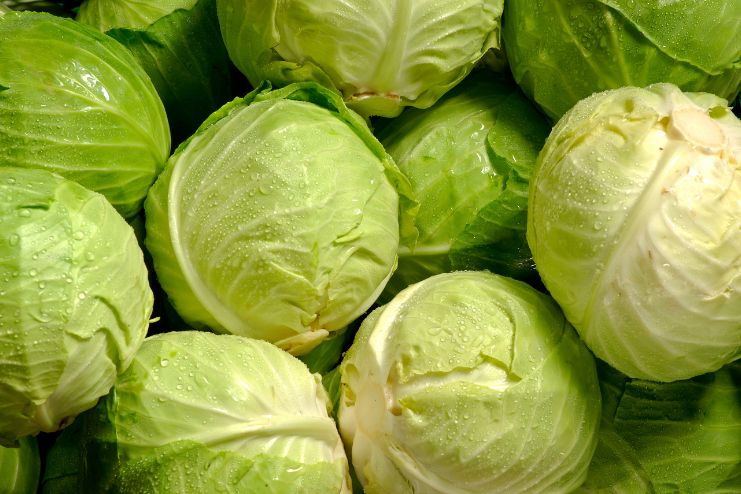
Cabbage’s fiber content helps prevent constipation like most fiber-rich vegetables. Its cellulose content aids digestion and promotes gut health, supporting regular bowel movements while providing important vitamins and minerals.
Recommended Intake
- Cabbage provides about 2.5 grams of dietary fiber per 100 grams
- Consume in small quantities once daily with balanced meals to avoid bloating
- Can be heavy on digestion, especially with sedentary lifestyles
How Cabbage Alleviates Constipation
- Dietary fiber: Adds bulk to stool for regular bowel movements
- Stimulates gut motility: Prevents digestive tract sluggishness
- Rich in vitamins and minerals: Supports overall gut health
Best consumed raw in salads, fermented as kimchi or sauerkraut, or lightly cooked to maintain fiber and nutrients.
23. Garlic
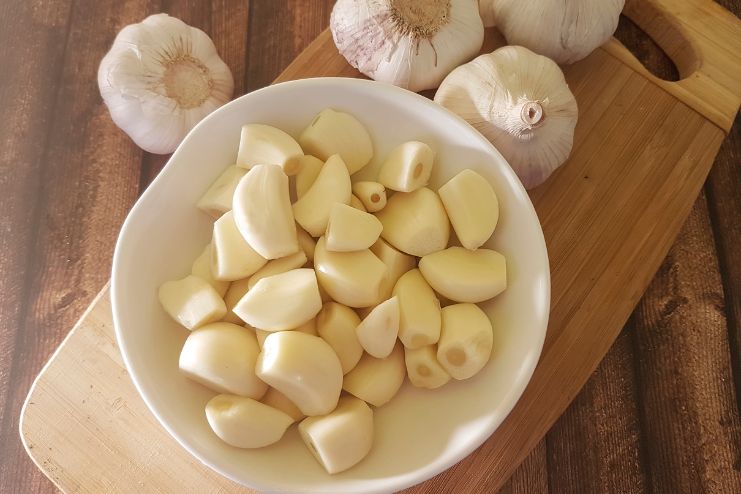
Contrary to common misconceptions, garlic aids digestion and supports healthy stool passage. Rich in insoluble fiber, prebiotics, and natural compounds, garlic contributes to gut health while providing additional benefits like immunity boost and inflammation reduction.
Recommended Intake
- One clove of raw garlic chewed on an empty stomach in the morning
- Add regularly to cooking for flavor and digestive benefits
How Garlic Alleviates Constipation
- High insoluble fiber: Assists gut motility and food transport through digestive tract
- Prebiotic properties: Enhances beneficial gut bacteria for improved digestion
- Natural detoxifier: Cleanses the digestive tract, relieving bloating and constipation
24. Brussels Sprouts
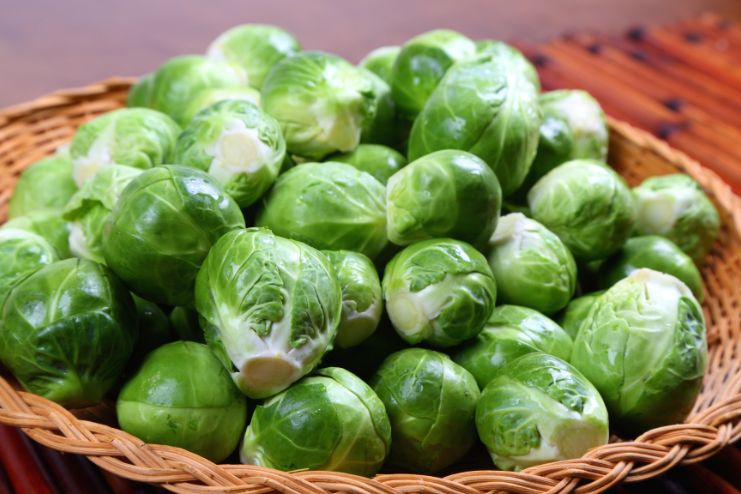
Brussels sprouts are cruciferous vegetables high in fiber, making them excellent for supporting digestion and relieving constipation. Rich in both soluble and insoluble fiber, they help regulate bowel movements while providing vitamins, minerals, and antioxidants.
Recommended Intake
- One cup daily (approximately 4g of fiber) as part of balanced meals
- Can be roasted, steamed, stir-fried, or added to salads
- Those with sensitive digestion should gradually increase intake to avoid bloating
How Brussels Sprouts Alleviate Constipation
- High fiber content: Provides bulk to stool and eases bowel movements
- Soluble fiber: Absorbs water to soften stool
- Insoluble fiber: Speeds up intestinal transit
- Prebiotic properties: Feeds beneficial gut bacteria, supporting digestion and preventing bloating
Also, Read: Tips to Use Epsom Salt for Constipation
Conclusion
Maintaining a healthy digestive system is vital for overall bodily function, and preventing constipation through balanced diet and proper hydration is key. Incorporating fiber, probiotics, and hydrating fluids into daily life can significantly improve bowel movements and gut health.
From hydrating options like water and lemon juice to fiber-filled vegetables, fruits, and probiotic yogurt, each food plays a different role in supporting digestion and softening stools to maintain regularity.
Some foods like coconut water and magnesium-rich options act as natural laxatives, while others such as garlic stimulate the digestive system. Most importantly, moderation is key—excessive consumption can cause gastrointestinal disturbances or imbalances.
Listen to your body, maintain variety and balance in your diet, and seek medical attention if constipation persists. By making small but consistent dietary changes, you can improve digestion, relieve constipation, and enhance long-term health. Stay hydrated, eat healthily, and keep your gut happy!
Frequently Asked Questions

1. Does caffeine make you poop?
A: Yes, caffeine has natural laxative properties that can stimulate bowel movements. It increases stomach acid production, helping to move food through the digestive tract. Additionally, caffeine triggers contractions in the gastrointestinal muscles, which can further encourage bowel movements.
2. Does magnesium make you poop?
A: Yes, magnesium is an effective natural remedy for constipation. It helps relax the muscles in the digestive tract, promoting smoother stool movement. Magnesium also draws water into the intestines, softening the stool and making it easier to pass.
3. Does pooping help with weight loss?
A: Pooping does not directly contribute to weight loss, but regular bowel movements indicate a healthy metabolism. While eliminating waste may cause a slight fluctuation in weight, sustainable weight loss depends on diet, exercise, and overall calorie balance.
4. Does pooping lower blood pressure?
A: Straining during bowel movements can temporarily raise blood pressure due to increased abdominal pressure. However, this is typically brief and not concerning for most healthy individuals. Frequent diarrhea or dehydration can lower blood pressure through fluid loss.
References
- https://www.realsimple.com/foods-to-help-you-poop-11769125
- https://www.diabetesteam.com/writers/683f0deb46c7aa1e0f3349e2
- https://www.hopkinsmedicine.org/health/wellness-and-prevention/foods-for-constipation
- https://www.today.com/health/diet-fitness/foods-for-constipation-rcna181395
- https://www.tasteofhome.com/collection/foods-that-make-you-poop/
- https://www.prevention.com/food-nutrition/g30856432/foods-to-help-constipation/
In this Article