











Sunflowers often evoke thoughts of sunshine, warmth, and positivity. Beyond their cheerful appearance, sunflower seeds are a nutritional powerhouse that many people overlook.
Packed with vitamin E, healthy fats, antioxidants, and essential minerals like magnesium and selenium, sunflower seeds offer a wide range of health benefits that support overall well-being, including improvements to skin and hair.
Regular consumption of sunflower seeds can help manage weight, support heart health, improve digestion, and provide anti-aging benefits.
Here are 17 key health benefits of sunflower seeds:
Health Benefits of Sunflower Seeds
1. Weight Loss

Sunflower seeds are rich in phytosterols, which help reduce excess fat and cholesterol levels. Their fiber, vitamins, and folate content support healthy weight management by promoting satiety and boosting metabolism.
2. Reduces Cholesterol Levels and Risk of Heart Disease
High in monounsaturated and polyunsaturated fats, sunflower seeds help lower LDL (bad) cholesterol, reducing the risk of heart disease. The phytosterols in these seeds block cholesterol absorption in the intestines, while their dietary fiber aids in cholesterol elimination through digestion.
Their powerful antioxidants combat free radical activity, decreasing oxidative stress and inflammation, both major risk factors for heart disease. By reducing cholesterol levels and oxidative stress, sunflower seeds may help prevent heart attacks, strokes, and other cardiovascular complications.
Including sunflower seeds in a balanced diet is an easy and effective way to support heart health while reducing cardiovascular risk factors.
3. Regulates Blood Sugar Levels
Sunflower seeds are highly effective for balancing blood sugar levels and managing glucose-related complications of diabetes. They’re rich in soluble fiber, which slows glucose absorption into the bloodstream and prevents blood sugar spikes.
Additionally, sunflower seeds contain abundant magnesium, which is crucial for improving insulin sensitivity. Better insulin function means more effective blood sugar regulation, making sunflower seeds an excellent dietary addition for people managing diabetes.
Read More: 9 Astounding Foods For Stronger Bones
4. Boosts Bone Health

Sunflower seeds are an excellent source of nutrients for strong, healthy bones, containing magnesium, copper, and vitamin E. These elements work together to build bone density, flexibility, and strength.
Magnesium is essential for bone formation and maintenance, working with calcium to provide structural integrity and stability. Most of the body’s magnesium is stored in bones, acting as a buffer to ensure bone stability and strength.
Copper is fundamental for collagen and elastin production—two proteins that give bones and connective tissue their strength and flexibility. Vitamin E provides anti-inflammatory properties that reduce bone inflammation, particularly in conditions like rheumatoid arthritis, leading to better joint and bone health.
Read More: Home Remedies For Rheumatoid Arthritis
5. Supports Muscle Health
Sunflower seeds are a rich source of plant-based protein, making them particularly beneficial for vegetarians and vegans. While they don’t contain all essential amino acids, they still provide high-quality protein for muscle repair, tissue rebuilding, and other bodily functions.
Protein also supports cell regeneration, enzyme production, and immune system function. Including sunflower seeds in meals or snacks can enhance your protein intake for energy, muscle health, and overall wellness.
6. Aids Sleep and Treats Insomnia
If you have trouble falling or staying asleep, sunflower seeds may provide natural sleep support. They’re excellent sources of tryptophan, an amino acid that helps produce serotonin and melatonin—two substances that regulate sleep cycles and sleep quality.
The magnesium in sunflower seeds also helps relax the nervous system by reducing stress and calming anxiety, two factors commonly responsible for insomnia. Adding sunflower seeds to your evening routine can calm your mind, promote relaxation, and improve sleep patterns.
Read More: 12 Scientifically Proven Tips on How to Have Better Sleep at Night
7. Fights Cancer
The combination of antioxidants, phytosterols, and lignans in sunflower seeds may help reduce cancer risk by fighting free radicals and maintaining healthy cells.
Antioxidants like vitamins C and E prevent oxidative stress and DNA damage that can lead to cancer development. These antioxidants eliminate free radicals that cause uncontrolled cell growth.
Phytosterols in sunflower seeds may inhibit tumor progression and reduce inflammation, providing protection against various cancers. Lignans, plant compounds found in sunflower seeds, may inhibit cancer cell proliferation. Research suggests they could positively affect the risk of developing colon, prostate, and breast cancers.
Read More: List of Foods That Might Cause Cancer
8. Reduces Anxiety and Depression
 Sunflower seeds contain nutrients that support brain health and mood regulation. Magnesium is crucial for calming the nervous system, reducing stress, and promoting relaxation. Magnesium deficiency is often associated with anxiety and mood disorders.
Tryptophan stimulates serotonin production—the “feel-good” neurotransmitter that regulates mood and promotes relaxation. Choline, another component in sunflower seeds, is essential for memory and cognitive function, supporting mental clarity and focus.
Regular consumption of sunflower seeds may help uplift mood, reduce anxiety levels, and improve overall mental well-being.
Read More: 6 Best Exercises For Depression and Anxiety
9. Improves Digestion
Sunflower seeds are excellent sources of dietary fiber, promoting smooth digestion and gut health. The high soluble fiber content helps retain water, softening stool and making it easier to pass through the intestinal system, promoting regular bowel movements and preventing constipation.
The B vitamins in sunflower seeds help break down food into energy and enhance the body’s efficiency in absorbing nutrients. The fiber also acts as a prebiotic, feeding beneficial gut bacteria and promoting digestive health.
10. Alleviates Pain and Discomfort
Sunflower seeds are rich in vitamin E, a powerful antioxidant with strong anti-inflammatory properties. Vitamin E’s antioxidant ability fights free radicals that cause oxidative damage and inflammation throughout the body.
These anti-inflammatory properties help alleviate pain and discomfort associated with conditions like rheumatoid arthritis and other inflammatory disorders. Since chronic inflammation is linked to heart disease, diabetes, and autoimmune disorders, the anti-inflammatory compounds in sunflower seeds may help reduce the risk of these conditions.
Skin Benefits of Sunflower Seeds
 Beyond internal health benefits, sunflower seeds also work wonders for your skin. Filled with vitamins, minerals, and antioxidants, these seeds protect, nourish, and rejuvenate the skin.
11. Nourishes and Protects Skin
Sunflower seeds are rich in vitamins, minerals, and antioxidants that nourish and protect the skin. Their vitamin E content combats oxidative stress, keeping wrinkles, fine lines, and dull skin at bay.
The copper in sunflower seeds helps with collagen formation, resulting in firmer skin and better elasticity. They also boost melanin production, helping achieve even skin tone while promoting skin repair and regeneration processes.
The healthy fats and nutrients in sunflower seeds provide optimal skin moisture, preventing dryness and irritation.
12. Prevents Acne
Acne results from excess oil secretion that clogs pores, leading to inflammation and breakouts. Sunflower seeds contain beneficial nutrients and fatty acids that act as natural acne remedies.
Rich in essential fatty acids like linoleic, oleic, stearic, and palmitic acids, sunflower seeds help balance skin oil production, preventing excess greasiness. These fatty acids naturally reduce acne-causing bacteria while reducing redness and inflammation.
The vitamin E and copper in sunflower seeds stimulate collagen production, improving acne scar healing and skin texture. Regular consumption can reduce breakouts and promote clearer, healthier skin.
Read More: 9 Home Remedies for Acne and Pimples
13. Offers Anti-Aging Properties
Sunflower seeds have powerful antioxidant potential that fights environmental damage and oxidative stress, helping slow skin aging.
Vitamins C and E provide strong antioxidant effects that defend against free radical damage, a major contributor to premature aging. This helps minimize the appearance of fine lines, wrinkles, and sagging skin.
Beta-carotene strengthens the skin’s natural defense against harmful UV rays, reducing the risk of sun-induced aging, including age spots and discoloration. Copper enhances collagen formation to maintain skin tone and elasticity for a youthful appearance.
14. Promotes Even Skin Tone
Sunflower seeds can help achieve brighter, more radiant skin with an even complexion. The copper content helps regulate melanin production, improving skin tone uniformity and reducing hyperpigmentation.
Beta-carotene protects against sun damage, preventing darkening, sunburn, and discoloration. The fatty acids and antioxidants help fade scars, reduce redness, and improve overall skin quality.
Regular consumption can lead to a more natural, even skin tone while enhancing clarity and smoothness.
Hair Benefits of Sunflower Seeds
 Sunflower seeds provide essential vitamins, minerals, and fatty acids that support strong, healthy hair growth. They help prevent damage and promote thicker, healthier hair.
15. Prevents Hair Loss
Hair loss can result from various factors, including illness, genetics, stress, or unhealthy lifestyle choices. Sunflower seeds help strengthen hair and prevent breakage through their vitamin B6 content, which strengthens hair follicles, improves hair quality, and reduces hair loss.
Vitamin B6 also boosts the body’s ability to absorb zinc, which is crucial for healthy hair growth and reducing hair fall. It enhances oxygen supply to the scalp, nourishing hair follicles and promoting stronger, healthier hair.
16. Promotes Hair Growth and Improves Thickness
Rich in zinc and vitamin E, sunflower seeds contain two essential nutrients that stimulate hair growth and enhance thickness. Zinc strengthens hair roots and follicles, supporting healthy hair growth and density.
Vitamin E boosts blood flow to the scalp, ensuring better nutrient delivery to follicles and encouraging faster growth. Its protective and repair properties help maintain a healthy scalp and promote optimal hair growth.
Read More: 45 Simple Home Remedies For Hair Growth
17. Prevents Premature Graying
While gray hair is a natural part of aging, premature graying may result from nutritional deficiencies, stress, and genetic factors. Sunflower seeds may help slow this process and maintain natural hair color.
Copper, present in significant quantities in sunflower seeds, is essential for melanin production—the pigment that gives hair its color. Regular consumption of sunflower seeds supports melanin production and helps maintain original hair color, potentially preventing early graying.
How to Eat Sunflower Seeds?
Sunflower seeds are available shelled or unshelled and make an excellent snack option. Here’s how to eat them properly for maximum benefits:
Choose high-quality seeds: Opt for organic, unsalted seeds without unnecessary additives and preservatives.
Clean thoroughly: Wash seeds before eating to remove dirt and harmful particles.
Cracking technique:
- Place the seed between your teeth
- Apply gentle pressure to crack the shell without crushing the kernel inside
- Discard the shell and chew the nutrient-rich kernel
- You can hold multiple seeds in your cheek, crack them one by one, then chew before swallowing
Daily Recommended Amount
The recommended daily amount is approximately 30 grams (roughly ¼ cup). While sunflower seeds are nutrient-dense, excessive consumption can lead to excess calorie intake and imbalances in elements like selenium and phosphorus.
Buy Whole Raw Sunflower Seeds
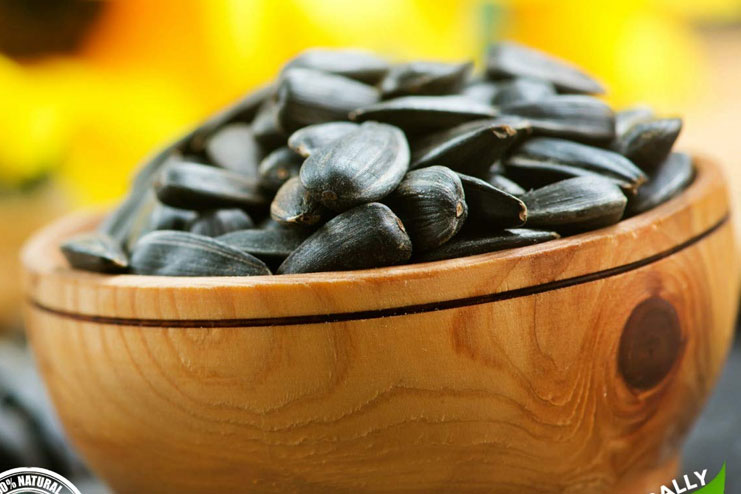
Nutritional Facts of Sunflower Seeds
Sunflower seeds are a nutritional powerhouse loaded with essential nutrients, vitamins, minerals, and phytosterols. Below is the nutritional profile per 100g serving (R).
- Calories: 570 kcal
- Carbohydrates: 18.76 g
- Dietary Fiber: 8.6 g
- Total Fat: 49.57 g (with 32 g polyunsaturated, 9.5 g monounsaturated, 4.5 g saturated)
- Protein: 22.78 g
- Vitamin E: 33 mg
- Magnesium: 325 mg
- Phosphorus: 660 mg
- Potassium: 645 mg
- Zinc: 5 mg
- Copper: 1.8 mg
- Selenium: 53 mcg
Side Effects of Sunflower Seeds

While sunflower seeds offer numerous health benefits, be mindful of portion sizes to avoid potential side effects:
1. Weight Gain
The high calorie and fat content can contribute to weight gain if consumed in excess. Stick to recommended portions of about 30g (a small handful) per day.
2. Excess Saturated Fat Intake
While mostly containing healthy unsaturated fats, sunflower seeds do contain some saturated fat. Overconsumption may raise LDL cholesterol levels, potentially increasing heart disease risk.
3. Hypertension
Salted sunflower seeds are high in sodium, which can increase blood pressure. Choose unsalted varieties and maintain a balanced, low-sodium diet.
4. Phosphorus Toxicity
Excessive intake can lead to mineral imbalances and kidney issues. Overconsumption may raise blood phosphorus levels, potentially causing bone problems, calcium depletion, and kidney complications.
5. Constipation
Too much fiber without adequate water intake can cause digestive discomfort, bloating, and difficulty passing stool. Eat sunflower seeds in moderation and drink plenty of water.
6. Pregnancy Considerations
While nutritious and containing beneficial nutrients like folate and iron, excessive intake during pregnancy may lead to excess phosphorus or sodium consumption. Choose minimally processed seeds and consume in moderation.
7. Allergies
Some people may experience allergic reactions, especially those with nut or seed allergies. Symptoms can include:
- Skin reactions (hives, itching, eczema)
- Digestive issues (nausea, vomiting, stomach pain)
- Respiratory symptoms (wheezing, coughing, difficulty breathing)
- Severe anaphylaxis (rare but life-threatening)
Those with a history of seed or nut allergies should avoid sunflower seeds or consult with a healthcare provider before consumption.
Conclusion
Sunflower seeds are a nutrient-dense superfood offering benefits for heart health, digestion, immunity, skin, and hair. Their vitamins, minerals, antioxidants, and healthy fats make them a valuable part of a balanced diet.
However, moderation is key to avoiding potential side effects such as weight gain or mineral imbalances. For best results, consume unsalted, organic sunflower seeds in controlled portions as part of a varied and healthy diet.
While sunflower seeds offer numerous benefits, they should be consumed wisely to maximize their contribution to health and wellness.
References
- https://www.webmd.com/diet/health-benefits-sunflower-seeds
- https://health.clevelandclinic.org/are-sunflower-seeds-good-for-you
- https://www.lidsen.com/journals/rpn/rpn-03-03-010
- https://pmc.ncbi.nlm.nih.gov/articles/PMC5622016/
- https://www.ncbi.nlm.nih.gov/pmc/articles/PMC2793103/
- https://www.ncbi.nlm.nih.gov/pubmed/15166807
- https://www.health.harvard.edu/heart-health/seed-of-the-month-sunflower
- https://www.sciencedirect.com/science/article/abs/pii/S2949824425001454
- https://www.sciencedaily.com/releases/2005/12/051207181227.htm
- http://digital.csic.es/bitstream/10261/127721/1/New%20sunflower%20seeds_Velasco.pdf
- https://academic.oup.com/qjmed/article/104/4/301/1564053
- https://www.ncbi.nlm.nih.gov/pubmed/12569111
- https://www.ncbi.nlm.nih.gov/pmc/articles/PMC2040110
- http://www.jocpr.com/articles/effects-of-sunflower-seeds-on-fasting-blood-glucose-in-diabetes-mellitus-type-2-patients.pdf
- https://www.researchgate.net/publication/281584996_Pumpkin_and_Sunflower_Seeds_Attenuate_Hyperglycemia_and_Protect_Liver_in_Alloxan-Induced_Diabetic_Rats
- https://www.ncbi.nlm.nih.gov/pmc/articles/PMC3953885/
- https://www.ncbi.nlm.nih.gov/pmc/articles/PMC3775240/
- https://www.ncbi.nlm.nih.gov/pubmed/6110524
- https://www.ncbi.nlm.nih.gov/pubmed/21933527
- https://www.ncbi.nlm.nih.gov/pubmed/846564
- https://www.express.co.uk/life-style/health/957834/how-to-sleep-night-rest-diet-food-sunflower-seed
- https://www.ncbi.nlm.nih.gov/pubmed/26086253
- https://www.ncbi.nlm.nih.gov/pubmed/15860433
- https://pmc.ncbi.nlm.nih.gov/articles/PMC6136931/
- https://www.ncbi.nlm.nih.gov/pmc/articles/PMC4586582
- https://www.ncbi.nlm.nih.gov/pmc/articles/PMC5452159
- https://www.ncbi.nlm.nih.gov/pubmed/19656836
- https://www.ncbi.nlm.nih.gov/pmc/articles/PMC5622016/
- https://www.ncbi.nlm.nih.gov/pmc/articles/PMC1473600/
- https://www.ncbi.nlm.nih.gov/pmc/articles/PMC4556990/
- https://www.ncbi.nlm.nih.gov/pmc/articles/PMC4976416/
- https://www.ncbi.nlm.nih.gov/pubmed/7633944
- https://www.ncbi.nlm.nih.gov/pmc/articles/PMC4601245
- https://www.ncbi.nlm.nih.gov/pubmed/11370660
- https://www.omicsonline.org/open-access/study-of-interaction-between-complexes-of-copper-ii-and-melanin-pigment-by-molecular-modeling-2329-6674.1000e107.php?aid=10521
- https://www.ncbi.nlm.nih.gov/pmc/articles/PMC2769151
- https://www.ncbi.nlm.nih.gov/pubmed/11344694
- https://www.ncbi.nlm.nih.gov/pmc/articles/PMC4828511/
- https://www.ncbi.nlm.nih.gov/pmc/articles/PMC3509882/
- https://www.ncbi.nlm.nih.gov/pmc/articles/PMC3870206/
- https://www.ncbi.nlm.nih.gov/pmc/articles/PMC3819075/
In this Article