












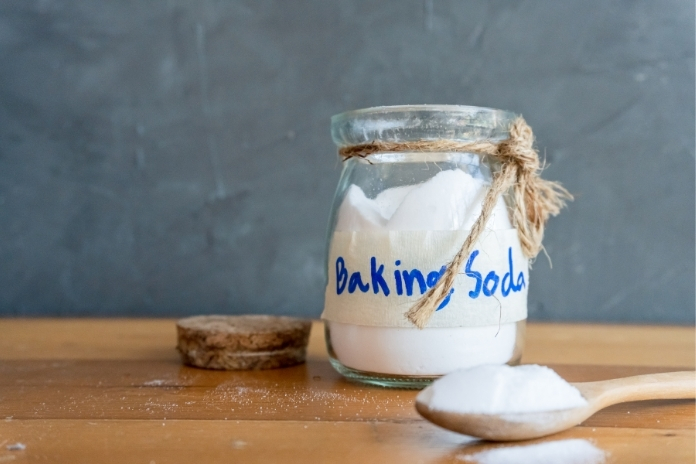
Did you know that the same white powder sitting in your kitchen cabinet could potentially help relieve one of the most uncomfortable digestive issues millions of Americans face daily? Constipation affects approximately 15% of the general population, causing both physical and mental discomfort that can significantly impact quality of life.
What is Constipation?
Constipation is defined as having fewer than three bowel movements per week, along with symptoms like hard stools and difficulty passing bowel movements. While the severity of symptoms may vary from person to person, the search for effective relief often leads people to explore natural remedies.
“Constipation is an extremely common problem,” says Dr. Neeharika Kalakota, a gastroenterologist at Houston Methodist. “I see patients for constipation in my clinic every single day.”
As Dr. Kalakota puts it, anyone with bowels is likely to experience constipation at some point in their life.
Read More: Gentle Relief: The Top 7 Laxative Powders for Effective Constipation Relief
Major Causes of Constipation Include:
According to medical research, the most common causes include:
- Lack of fiber in the diet
- Insufficient water intake
- Lack of physical activity
- Certain medications(such as opioids, calcium-channel blockers, and anticholinergics)
- Irritable bowel syndrome (IBS)
- Excessive dairy product consumption
Less Common Causes Include:
- Thyroid disorders
- Diabetes
- Pregnancy
- Mental health conditions
- Anal fissures
- In rare cases, colon cancer
Additional Contributing Factors:
- Travel and schedule changes
- Prolonged sitting
- Excessive consumption of processed foods
Common Symptoms of Constipation:
- Difficulty passing stools
- Hard or lumpy stools
- Lower abdominal pain
- Feeling of incomplete evacuation
- Bloating and discomfort
- Straining during bowel movements
Read More: 8 Simple Exercises To Relieve Constipation
How Does Baking Soda Help Treat Constipation?
It’s important to seek help from natural approaches before constipation becomes more complicated. Using baking soda for constipation can provide various benefits. Beyond its uses in beauty treatments, baking soda (sodium bicarbonate) can help address constipation due to its alkalizing properties.
When consumed, baking soda releases carbon dioxide, salt, and water into the digestive system, potentially helping to cleanse the colon and alleviate various symptoms.
Baking soda offers several benefits for constipation relief:
- Gas Relief: Helps release excess air from the digestive system, reducing bloating, stomach pain, and pressure
- Bowel Movement Stimulation: Promotes bowel movements and helps stored waste pass more easily while re-alkalizing the stomach
- Natural Laxative Effect: Acts as a gentle laxative, softening hard stools for easier passage
- Blockage Clearing: Helps treat intestinal blockages and allows waste to move through the system without straining
- Digestive Cleansing: Aids in colon cleaning and improves overall digestion
- Fluid Release: Introduces fluids into the digestive system, making stool passage easier
How to Use Baking Soda for Constipation Treatment
Method 1: Warm Water and Baking Soda
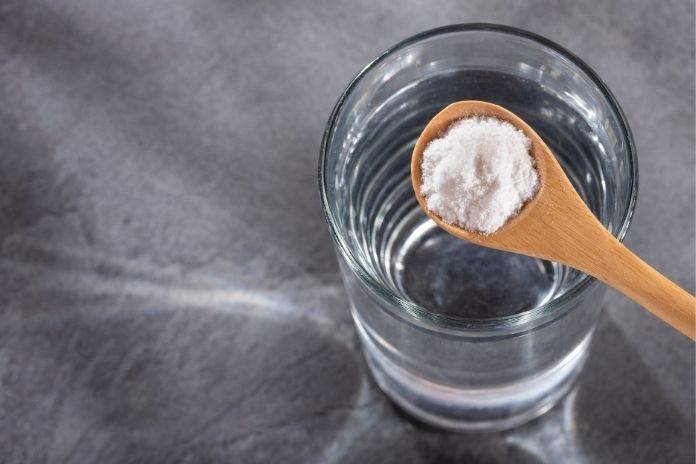
- Mix ½ teaspoon of baking soda in a glass of warm water
- Stir until the baking soda completely dissolves
- Optional: Add a pinch of salt to the mixture
- Drink this mixture in the morning
- Ensure you drink plenty of water throughout the day when using this remedy
Method 2: Apple Cider Vinegar and Baking Soda
Option A:
- Add 1 tablespoon of baking soda to 2 tablespoons of apple cider vinegar
- Consume this mixture daily
- Optional: Add a pinch of salt for additional benefits
- Caution: Large amounts may cause diarrhea
Option B:
- Mix 2 tablespoons of apple cider vinegar with ½ teaspoon of baking soda
- Stir well in a bowl
- Drink regularly
Method 3: Baking Soda with Lemon Juice
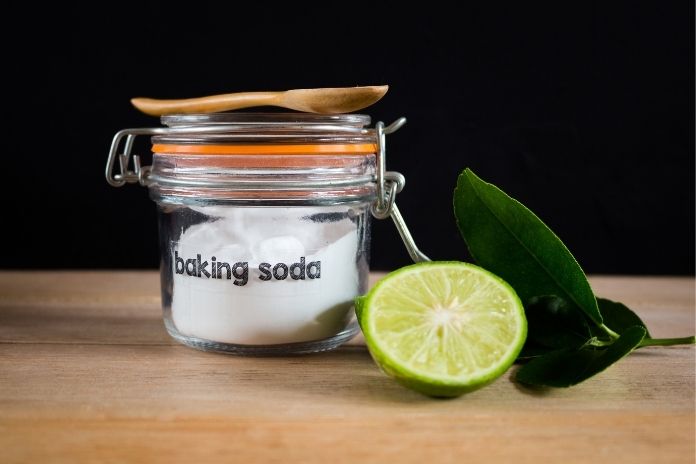
Lemon contains citric acid that helps flush toxins from the colon walls and supports digestive health. Adding baking soda to lemon juice helps neutralize excess acidity, preventing digestive discomfort.
- Add 1 teaspoon each of baking soda and lemon juice to a glass of water
- Mix well
- Optional: Add a pinch of salt
- Drink regularly
Method 4: Baking Soda Bath
- Add a sufficient amount of baking soda to a warm bath
- Mix thoroughly and soak in the bath
- This method may provide external relief for digestive discomfort
Read More: 6 Ways To Use Castor Oil for Faster Constipation Relief
Side Effects of Using Baking Soda for Constipation
While generally safe when used properly, baking soda can cause several side effects, especially with excessive consumption:
Minor Side Effects:
- Diarrhea
- Frequent urination
- Muscle weakness
- Irritability
- Nausea and vomiting
Serious Concerns:
- Gas Buildup: Baking soda produces carbon dioxide when it reacts with stomach acid. In rare cases, excessive gas buildup could cause a stomach rupture
- High Sodium Content: Baking soda is high in sodium, which can be harmful for people with high blood pressure, heart disease, or kidney problems
- Drug Interactions: Baking soda may interact with certain medications
Important Safety Notes:
- Consult with your doctor before using baking soda if you take medications
- Seek immediate medical attention if you experience severe abdominal pain after consuming baking soda
- Use only food-grade baking soda, not cleaning products
Important Tips to Prevent Constipation
Following these guidelines can help prevent constipation:
- Diet: Consume a fiber-rich diet with plenty of fruits, vegetables, and whole grains
- Hydration: Drink adequate water throughout the day (at least 8 glasses)
- Exercise: Engage in regular physical activity to promote healthy digestion
- Listen to Your Body: Don’t ignore the urge to have a bowel movement
- Avoid Over-reliance on Laxatives: While mild laxatives are available, excessive use can worsen constipation over time
- Natural Remedies: Consider natural approaches first, though scientific evidence may be limited
When to Seek Medical Help
According to healthcare experts, in most cases, constipation resolves within 2-3 days on its own. However, you should consult a healthcare provider if:
- Constipation persists for more than a week
- You experience severe abdominal pain
- There’s blood in your stool
- You have sudden changes in bowel habits
- Constipation is accompanied by weight loss or fever
Chronic constipation may indicate an underlying medical condition that requires professional evaluation and treatment.
“Chronic constipation can affect your productivity at work, your personal life and your social life as well,” says Dr. Ali Rezaie, a gastroenterologist with the GI Motility Program at Cedars-Sinai.
Read More: 24 Foods to Make You Poop and Prevent Constipation
Conclusion
While baking soda may provide temporary relief for occasional constipation, it’s important to approach this remedy with caution and understanding. The alkalizing properties of sodium bicarbonate can help some people find relief, but the potential risks—including high sodium content, drug interactions, and possible side effects—make it unsuitable as a long-term solution.
Remember that sustainable digestive health comes from addressing root causes rather than just treating symptoms. A fiber-rich diet, adequate hydration, regular exercise, and healthy lifestyle habits remain the gold standard for preventing and managing constipation.
Take Control of Your Digestive Health Today
While baking soda may offer temporary relief for some people, remember that sustainable digestive health comes from long-term lifestyle changes. If you’re struggling with chronic constipation, don’t suffer in silence—speak with your healthcare provider about developing a comprehensive treatment plan that’s right for you.
Ready to start your journey toward better digestive health? Begin with small changes like increasing your fiber intake and staying hydrated, and always consult with a medical professional before trying new remedies.
Frequently Asked Questions
Is it safe to use baking soda for constipation daily?
No, daily use of baking soda for constipation is not recommended. Baking soda is high in sodium and can cause electrolyte imbalances, metabolic alkalosis, and other serious side effects when used frequently. It should only be used occasionally and under medical supervision.
How long does it take for baking soda to work for constipation?
If baking soda is going to help with constipation, you may notice effects within 1-3 hours of consumption. However, individual responses vary greatly, and it may not work for everyone.
Can I use baking soda for constipation if I have high blood pressure?
People with high blood pressure should avoid using baking soda for constipation due to its high sodium content. The extra sodium can worsen hypertension and interfere with blood pressure medications. Consult your doctor for safer alternatives.
What’s the difference between baking soda and other laxatives?
Unlike commercial laxatives that are specifically designed and tested for constipation relief, baking soda is primarily an antacid. Commercial laxatives undergo rigorous testing for safety and efficacy, while baking soda’s use for constipation is based largely on anecdotal evidence.
Can children use baking soda for constipation?
Baking soda is generally not recommended for children’s constipation. Children are more susceptible to electrolyte imbalances and side effects. Always consult a pediatrician for appropriate constipation treatments for children.
Are there natural alternatives to baking soda for constipation?
Yes, many natural alternatives exist, including increasing fiber intake, drinking more water, regular exercise, prunes, flax seeds, probiotics, and magnesium supplements. These options are generally safer and more effective for long-term digestive health.
Can baking soda interact with my medications?
Yes, baking soda can interact with various medications, including certain antibiotics, aspirin, and medications that require specific stomach acid levels for proper absorption. Always consult your healthcare provider before using baking soda if you take any medications.
How much baking soda is too much?
Even small amounts can be problematic for some people. The general recommendation for antacid use is no more than ½ teaspoon in a glass of water, and this should not be used regularly. Consuming larger amounts or using it frequently can lead to serious health complications.
Disclaimer: This information is for educational purposes only and should not replace professional medical advice. Always consult with a healthcare provider before starting any new treatment, especially if you have existing health conditions or take medications.
References
- https://pmc.ncbi.nlm.nih.gov/articles/PMC6140151/
- https://www.niddk.nih.gov/health-information/digestive-diseases/constipation/definition-facts
- https://www.mayoclinic.org/diseases-conditions/constipation/symptoms-causes/syc-20354253
- https://www.niddk.nih.gov/health-information/digestive-diseases/constipation/symptoms-causes
- https://pmc.ncbi.nlm.nih.gov/articles/PMC3206558/
- https://www.mayoclinic.org/drugs-supplements/sodium-bicarbonate-oral-route-intravenous-route-subcutaneous-route/description/drg-20065950
- https://medlineplus.gov/druginfo/meds/a682001.html
- https://www.niddk.nih.gov/health-information/digestive-diseases/constipation/treatment
- https://pmc.ncbi.nlm.nih.gov/articles/PMC8547593/
- https://www.houstonmethodist.org/doctor/neeharika-r-kalakota/
- https://www.cedars-sinai.org/provider/ali-rezaie-3261477.html
In this Article