













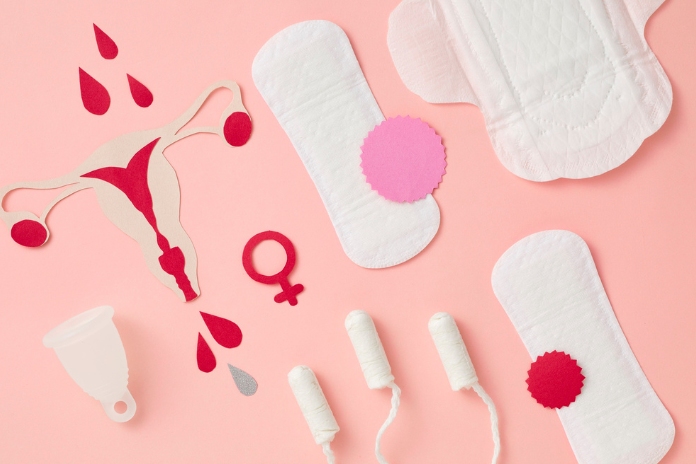
The menstrual cycle is far more than a monthly bleed. It is a carefully orchestrated sequence of hormonal and physical changes that prepares the body for potential pregnancy, and understanding it gives you a practical window into your own health.
While a 28-day cycle is often used as a teaching reference, healthy cycles typically range from 21 to 35 days, and individual variation is the norm, not the exception.
The four menstrual cycle phases, menstrual, follicular, ovulation, and luteal, each carry distinct hormonal signatures, and knowing what to expect in each one can help you distinguish normal fluctuations from patterns worth discussing with a clinician.
- The menstrual cycle has four hormone-driven phases. Fluctuations in estrogen, progesterone, FSH, and LH create predictable physical and emotional changes.
- The follicular phase starts on the first day of your period. Rising estrogen rebuilds the uterine lining and matures an egg for ovulation.
- Ovulation doesn’t always happen on day 14. Its timing varies with cycle length, stress, and individual hormone patterns.
- The luteal phase is dominated by progesterone. If pregnancy doesn’t occur, hormone levels fall, triggering menstruation and common PMS symptoms.
What Is the Menstrual Cycle?
The menstrual cycle prepares the body for a possible pregnancy by maturing an egg, releasing it, and building the uterine lining. If fertilization doesn’t occur, the lining sheds and a new cycle begins.
According to the International Federation of Gynecology and Obstetrics (FIGO), a normal menstrual cycle typically lasts 21 to 35 days. The follicular phase varies in length, while the luteal phase remains relatively consistent.
The cycle is regulated by four key hormones: FSH stimulates follicle growth, estrogen rebuilds the uterine lining, LH triggers ovulation, and progesterone stabilizes the lining after ovulation. Together, these hormones coordinate the entire menstrual cycle.
Read More: The Luteal Phase Low: Why Your Blood Sugar Crashes Right Before Your Period
Menstrual Phase (Days 1–5): Why Your Period Happens
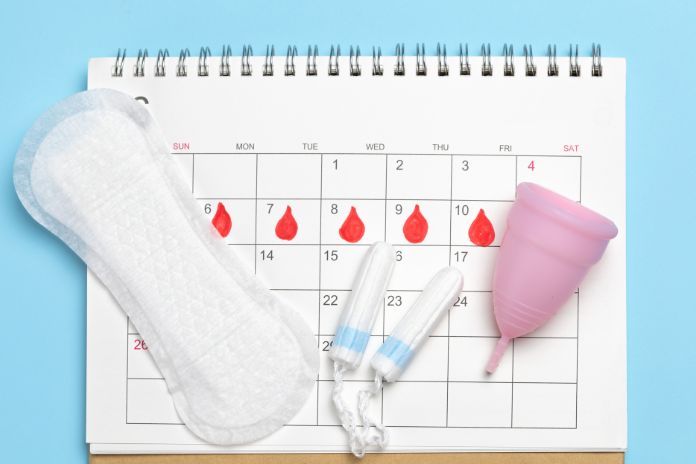
Menstruation begins on day one of a new cycle when pregnancy does not occur. Falling progesterone and estrogen cause the uterine lining to break down and shed.
At this stage, hormone levels are at their lowest while FSH begins rising to start a new cycle. Common symptoms include cramping, fatigue, bloating, lower back pain, and mood changes.
Read More: Is It Normal to Feel Depressed Before Ovulation? What Your Hormones Might Be Telling You
Follicular Phase (Days 1–13): Preparing for Ovulation
The follicular phase begins on the first day of menstruation and continues until ovulation. Rising FSH stimulates ovarian follicles to grow, while one dominant follicle matures and produces increasing amounts of estradiol. Estradiol rebuilds and thickens the uterine lining, making this the proliferative phase of the cycle.
A 2024 StatPearls review explains that the follicular phase begins on the first day of menstruation. During this phase, estradiol rises progressively until it reaches the threshold needed to trigger ovulation.
Ovulation (Around Day 14): When the Egg Is Released
When estradiol reaches a critical level, it triggers the LH surge that causes the dominant follicle to release a mature egg.
As Dr. Maeturah Harmon, DO, FACOOG, a board-certified OB-GYN at Fort Sanders Women’s Specialists in Knoxville, Tennessee, explains: “The follicular phase involves hormonal changes led by the brain, which stimulate the ovaries to promote ovulation.”
Signs of ovulation include clear, stretchy cervical mucus, mild one-sided pelvic pain (mittelschmerz), and a slight rise in basal body temperature after ovulation. The egg remains viable for 12 to 24 hours, while sperm can survive for up to five days. Ovulation does not always occur on day 14, as timing varies with cycle length and factors such as stress, illness, and weight changes.
Read More: How to Tell If You’re Ovulating: Key Signs Your Body Gives You
Luteal Phase (Days 15–28): Preparing for Pregnancy or the Next Period
After ovulation, the ruptured follicle becomes the corpus luteum, which produces progesterone. This hormone stabilizes the uterine lining, slightly raises body temperature, and helps prepare the body for a possible pregnancy.
Dr. Mary Jane Minkin, MD, FACOG, Clinical Professor of Obstetrics, Gynecology, and Reproductive Sciences at Yale School of Medicine, explains the relationship between ovulation and luteal progesterone clearly: “When we ovulate, when the egg is released, the rest of the ovary starts making progesterone. That helps control the lining of the uterus.”
If pregnancy does not occur, the corpus luteum breaks down, causing progesterone and estrogen levels to fall. This hormone drop triggers menstruation and common PMS symptoms, including bloating, breast tenderness, mood changes, fatigue, acne, and food cravings.
A 2025 systematic review published in Muscles found that the menstrual and premenstrual phases notably influenced aerobic and anaerobic capacity, performance perception, and exercise-induced muscle damage in female athletes, supporting the clinical relevance of tracking cycle phase for physical planning.
If premenstrual symptoms severely disrupt daily life, premenstrual dysphoric disorder (PMDD) should be considered. It affects an estimated 3% to 8% of menstruating people and is recognized in the DSM-5.
Week-by-Week Menstrual Cycle Timeline
Understanding Your Cycle
Menstrual Cycle Phases by Week
| Week | Dominant Hormone | Ovaries | Uterus | Common Symptoms |
|---|---|---|---|---|
| Week 1 (Days 1–7) |
FSH rising | Follicles begin developing | Uterine lining sheds (menstruation) | Cramping, fatigue, bloating |
| Week 2 (Days 8–13) |
Estrogen rising | The dominant follicle matures | The uterine lining rebuilds | Increased energy, improved mood |
| Week 3 (Days 14–17) |
LH surge, then progesterone | Ovulation occurs; the corpus luteum forms | The lining becomes receptive for implantation | Changes in cervical mucus, mild pelvic discomfort |
| Week 4 (Days 18–28) |
Progesterone dominant, then falls | The corpus luteum degenerates if pregnancy doesn’t occur | The lining stabilizes, then sheds as hormone levels drop | PMS symptoms such as bloating, mood changes, and fatigue |
How Menstrual Cycle Symptoms Can Change Throughout the Month
Physical and emotional changes during the menstrual cycle vary from person to person. A 2025 study published in Biology found that memory and attention were better during the pre-ovulatory phase, when estradiol levels are highest, than during menstruation.
Progesterone in the luteal phase can also raise body temperature, affecting sleep quality, while appetite and energy needs may increase before a period. Some people notice clear cycle-related changes, while others experience very few symptoms, and both can be normal.
Factors That Can Affect Your Menstrual Cycle
Stress, significant weight changes, and excessive exercise can disrupt hormone balance, delay ovulation, and alter cycle length. Conditions such as PCOS, thyroid disorders, and hyperprolactinemia can also affect menstrual regularity.
Hormonal contraceptives can suppress ovulation, while perimenopause often causes cycles to become irregular as ovarian function declines. As Dr. Mary Jane Minkin explains, “The ovaries tiring out is what this whole process is about. Periods start to get very wacky, and the period wackiness is related to the ovulatory dysfunction.”
Read More: How Stress Affects Your Menstrual Cycle, and What You Can Do About It
When Is a Menstrual Cycle Considered Irregular?
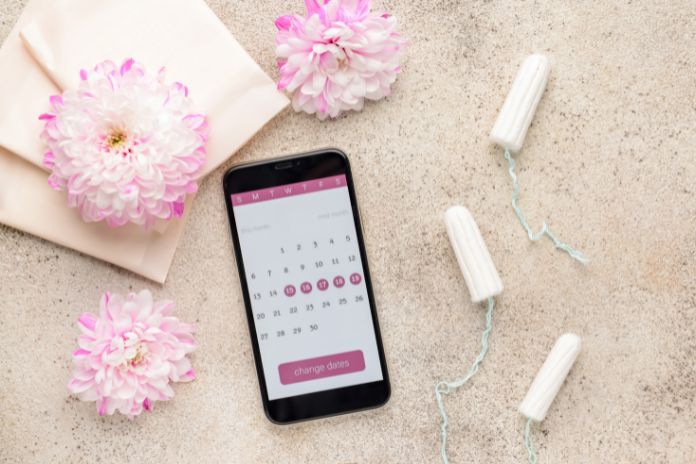
Cycles outside the 21- to 35-day range, or that vary by more than seven to nine days between cycles, are generally considered irregular.
Other signals worth evaluating include missed periods (beyond pregnancy or perimenopause), unusually heavy bleeding, defined clinically as soaking through a pad or tampon every hour for several consecutive hours, bleeding between periods, and severe cramping that interferes with daily activities.
A single irregular cycle is usually not a cause for concern. Persistent irregularity, however, warrants evaluation to rule out underlying hormonal, structural, or metabolic conditions.
Tips for Supporting Menstrual Health Throughout Your Cycle
Tracking your cycle for 2 to 3 months helps establish a baseline and makes it easier to spot changes in bleeding, timing, or symptoms. A balanced diet, regular exercise, and good sleep also support healthy hormone function and menstrual regularity.
A 2025 review in Medicina found that period-tracking apps are most effective when users understand their underlying cycle physiology rather than relying only on app predictions. Regular gynecologic checkups can also help identify menstrual or fertility concerns early.
Key Takeaway
The menstrual cycle phases, menstrual, follicular, ovulation, and luteal, follow a predictable hormonal pattern, but timing and symptoms vary between individuals.
Knowing the physiology behind each menstrual cycle phase gives you the context to recognize what is normal for your body, communicate more effectively with your healthcare provider, and identify changes, such as persistent irregularities, unusually heavy bleeding, or severe premenstrual symptoms, that deserve professional evaluation.
References
- American College of Obstetricians and Gynecologists. (2024). The menstrual cycle: Menstruation, ovulation, and how pregnancy occurs.
- Elorduy-Terrado, A., Torres-Luque, G., Radesca, K., Muñoz-Andradas, G., Saenz-Bravo, M., & Domínguez-Balmaseda, D. (2025). Evaluation of the impact of hormonal fluctuations during the menstrual cycle on the performance of female athletes, systematic review. Muscles, 4(2), 15.
- Garcia-Lopez, I., Hidalgo-Lopez, E., Dagnino, P. C., & Escrichs, A. (2025). Menstrual cycle phase influences cognitive performance in women and modulates sex differences. Biology, 14(8), 1060.
- Stujenske, T. M., Mu, Q., Pérez Capotosto, M., & Bouchard, T. P. (2023). Survey analysis of quantitative and qualitative menstrual cycle tracking technologies. Medicina, 59(9), 1509.
- Thiyagarajan, D. K., Basit, H., & Jeanmonod, R. (2024). Physiology, menstrual cycle. In StatPearls. StatPearls Publishing.
In this Article