













You’re on your third cup before noon, and somewhere in the back of your mind, a familiar worry surfaces: Is this actually bad for my heart? It’s a question millions of coffee drinkers ask themselves, usually while reaching for a refill. Coffee and heart health have a complicated public reputation: one year they’re vilified, the next they’re celebrated.
The science, as it turns out, has grown considerably more nuanced than either headline suggests, and the answer depends less on coffee itself than on how much you’re drinking and who you are.
This article breaks down what the research actually says about coffee and cardiovascular health, how much is generally considered safe, and which individuals may need to be more careful.
- Moderate coffee intake (2–3 cups daily) is consistently associated with lower rates of heart disease, heart failure, and cardiovascular mortality in large studies.
- Drinking excessive amounts may increase the risk of sleep problems, anxiety, digestive issues, and potentially cardiovascular complications in some individuals.
- People with certain heart conditions, pregnancy, caffeine sensitivity, or medication interactions may need to limit intake and consult their healthcare provider.
Read More: Does Coffee Age You? What Science Says About Coffee, Skin, and Aging
What Happens to Your Body When You Drink Coffee?
Caffeine is coffee’s primary active compound. It works by blocking adenosine receptors in the brain, thereby reducing fatigue and increasing alertness. This can also temporarily raise heart rate and blood pressure, with effects typically peaking 30 to 60 minutes after consumption and gradually fading over several hours, depending on individual metabolism.
For most healthy adults, these effects are short-lived and well-tolerated, though they may be more pronounced in some individuals.
But coffee is more than just caffeine. It contains hundreds of biologically active compounds, including chlorogenic acids, polyphenols, diterpenes such as cafestol and kahweol, and melanoidins formed during roasting. Many of these compounds have antioxidant properties and have been studied for their potential roles in inflammation, glucose regulation, and vascular health.
As a result, coffee’s health effects cannot be explained by caffeine alone. Individual responses to coffee also vary widely. Genetic differences, particularly in the CYP1A2 gene responsible for caffeine metabolism, influence how quickly caffeine is broken down.
Fast metabolizers tend to clear caffeine efficiently, while slow metabolizers may experience longer-lasting increases in heart rate and blood pressure from the same amount. Regular coffee consumption can further alter these effects by building tolerance over time.
Is Coffee Good for Heart Health?

The volume of research on coffee and heart disease is substantial, and recent large-scale studies have generally been reassuring for moderate consumers.
A meta-analysis published in the European Journal of Preventive Cardiology analyzing data from over 382,000 participants found that drinking two to three cups of coffee per day was associated with the greatest reduction in cardiovascular events, including coronary artery disease, heart failure, and cardiovascular mortality, compared to no coffee consumption.
These are observational associations, not proof of causation. People who drink moderate amounts of coffee may also differ from non-drinkers in lifestyle factors that independently affect heart health. That said, the consistency of findings across multiple large studies is notable.
Several mechanisms have been proposed to explain coffee’s apparent cardiovascular associations. Polyphenols and chlorogenic acids in coffee have demonstrated antioxidant and anti-inflammatory properties in laboratory studies, and chronic low-grade inflammation is a recognized contributor to cardiovascular disease risk.
Coffee consumption has also been associated with improvements in insulin sensitivity and a reduced risk of type 2 diabetes in observational research. Given that diabetes is a significant cardiovascular risk factor, this metabolic dimension may be part of how moderate coffee intake relates to heart outcomes.
Researchers studying coffee and cardiovascular health consistently note that coffee’s effects should be interpreted in the context of an individual’s broader diet, activity level, smoking status, and existing medical conditions. Coffee consumed as part of a generally healthful lifestyle looks quite different from coffee as the centerpiece of a high-sugar, sedentary one.
How Much Coffee Is Generally Considered Safe?
For most healthy, non-pregnant adults, up to 400 milligrams of caffeine per day is considered safe by the U.S. Food and Drug Administration and other major health organizations. That’s roughly equivalent to four 8-ounce cups of brewed coffee, though caffeine content varies by bean type and brewing method.
People with certain heart conditions, anxiety disorders, or heightened caffeine sensitivity may need to consume less. In research, moderate coffee consumption is generally defined as two to five cups per day. This is the range most consistently associated with neutral or favorable cardiovascular outcomes.
However, caffeine intake can differ substantially between coffee types, meaning the number of cups does not always reflect the same caffeine dose. More is not necessarily better. The cardiovascular benefits associated with moderate consumption do not appear to increase indefinitely with higher intake.
Some studies have linked six or more cups per day to elevated cardiovascular risk in certain groups, particularly slow caffeine metabolizers. Higher consumption also increases the likelihood of side effects such as sleep disruption, anxiety, and gastrointestinal symptoms, which can affect overall health.
Read More: Is Your Morning Coffee Sabotaging Your Gut Health?
Coffee and Blood Pressure: Should You Be Concerned?
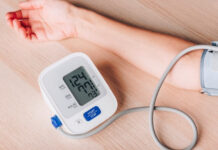
Caffeine causes a well-documented, temporary increase in blood pressure, typically peaking within an hour of consumption and returning to baseline within a few hours. For habitual coffee drinkers, this acute effect is generally modest due to tolerance. For infrequent consumers or those who are caffeine-sensitive, the temporary spike may be more pronounced.
According to Dr. Edo Paz, a cardiologist and vice president of medical affairs at K Health, the blood pressure increase caused by caffeine is generally temporary. He notes that most people who consume coffee regularly develop tolerance to caffeine’s effects, and that moderate coffee intake does not appear to cause sustained increases in blood pressure in otherwise healthy adults.
Interestingly, long-term habitual coffee consumption does not appear to meaningfully increase the risk of developing hypertension in most adults, according to several prospective studies. The body’s adaptation to regular caffeine exposure appears to blunt the acute pressor effect over time.
This finding has surprised some clinicians who initially recommended restricting coffee for blood pressure management, though the picture remains more complex for people who are already hypertensive.
For individuals with diagnosed hypertension, the recommendation is less straightforward. Monitoring individual response, specifically measuring blood pressure before and roughly an hour after coffee consumption, can help identify whether caffeine is meaningfully raising their readings. Medical guidance is appropriate here, as responses vary considerably.
Can Coffee Cause Heart Palpitations or Arrhythmias?
Heart palpitations, the sensation of a fluttering, racing, or pounding heartbeat, are a common complaint among coffee drinkers. They may result from caffeine’s stimulant effect on the heart’s electrical system, particularly at higher doses. Most caffeine-related palpitations in healthy individuals are benign, though they can be alarming.
The relationship between coffee and atrial fibrillation, the most common cardiac arrhythmia, has been studied extensively with somewhat counterintuitive results. A large Mendelian randomization study published in JAMA Internal Medicine found that genetically predicted higher caffeine consumption was not associated with an increased risk of atrial fibrillation, suggesting the relationship is more nuanced than previously assumed.
Some earlier studies suggested a modest risk reduction in habitual moderate drinkers, though this finding has not been entirely consistent across populations.
Dr. José Joglar, a cardiac electrophysiologist at UT Southwestern Medical Center, has challenged the long-standing belief that caffeine is a major trigger for atrial fibrillation. He notes that current evidence does not support routine caffeine avoidance for most AF patients, with studies generally finding no increased risk of atrial fibrillation from moderate coffee consumption.
For individuals with pre-existing arrhythmias, particularly those that are symptomatic or poorly controlled, caffeine can still be a relevant trigger in some cases. Individual sensitivity varies enough that self-monitoring and clinical guidance are warranted rather than a blanket prohibition.
Does the Type of Coffee Matter?

Not all coffee is equivalent from a cardiovascular standpoint. Unfiltered brewing methods, including French press, espresso, and boiled coffee, allow cafestol and kahweol, two naturally occurring diterpenes in coffee, to pass into the cup. These compounds have been shown to raise LDL cholesterol levels through effects on bile acid metabolism.
A study in the European Journal of Clinical Nutrition confirmed that switching from unfiltered to filtered coffee significantly reduced LDL and total cholesterol in study participants. For individuals managing elevated LDL, the brewing method is a clinically meaningful variable.
Espresso, despite its small serving size, delivers a concentrated dose of caffeine and retains some diterpenes due to minimal filtration. Cold-brew coffee tends to have higher caffeine concentrations than hot-brewed coffee of the same volume, something frequently underestimated by consumers.
Standard drip coffee through a paper filter offers the most favorable profile from a cholesterol management standpoint. A plain black coffee is an entirely different proposition from a 600-calorie blended beverage loaded with syrups, whipped cream, and high-fat dairy.
The latter carries cardiovascular implications that have nothing to do with caffeine and everything to do with added sugar and saturated fat. For people tracking cardiovascular risk factors, what goes into the coffee is as relevant as the coffee itself.
Read More: Coffee vs. Green Tea: Which One Actually Boosts Metabolism More?
Who Should Be More Cautious With Coffee Consumption?
Individuals with caffeine-sensitive arrhythmias, uncontrolled hypertension, or a recent cardiac event should discuss coffee intake with their cardiologist. For most people with stable heart disease, moderate coffee consumption is not automatically discouraged, but recommendations should be individualized.
Pregnancy is a notable exception. Because caffeine metabolism slows during pregnancy, the American College of Obstetricians and Gynecologists recommends limiting intake to less than 200 milligrams per day due to potential risks to fetal development.
Tolerance also varies widely. Some people experience anxiety, insomnia, or jitteriness at relatively low doses, making caffeine reduction a reasonable choice regardless of heart health. Caffeine can interact with certain medications, including fluoroquinolone antibiotics and adenosine-based cardiac drugs.
Anyone taking prescription medications should check for potential caffeine interactions with their healthcare provider.
Signs You May Be Drinking Too Much Coffee
Caffeine remains in the body for several hours, meaning even an afternoon coffee can interfere with sleep. Because poor sleep is independently linked to higher cardiovascular risk, sleep disruption is one of the most important signs that caffeine intake may be too high.
Caffeine can also increase adrenaline levels, contributing to anxiety, nervousness, or a feeling of being on edge in susceptible individuals. If these symptoms occur consistently, reducing intake may be beneficial. Mild palpitations after coffee are common and usually harmless.
However, persistent, irregular, or symptomatic palpitations, especially when accompanied by chest pain, dizziness, or shortness of breath, warrant medical evaluation. Coffee can stimulate stomach acid production and gut motility, causing digestive discomfort in some people. If symptoms occur regularly, reducing intake or switching to a lower-acid brew may help.
Coffee vs. Energy Drinks: Which Is Better for Heart Health?
Coffee and energy drinks both deliver caffeine, but the similarity largely ends there. Many energy drinks combine caffeine with taurine, B vitamins, herbal stimulants like guarana, and substantial amounts of added sugar. The caffeine content is frequently higher than consumers realize, with some products delivering 200 to 300 milligrams per can.
Dr. Sachin A. Shah, PharmD, a researcher of energy drink cardiovascular effects, has stated that observed changes in heart rhythm and blood pressure after energy drink consumption “cannot be attributed to caffeine” alone. His findings suggest that other ingredients or ingredient combinations may contribute to cardiovascular effects that remain incompletely understood.
Several case reports and studies have linked high-volume energy drink consumption to serious cardiac events, including arrhythmias, in otherwise healthy young adults. The cardiovascular risk profile of energy drinks is distinctly less favorable than that of moderate coffee consumption.
The weight of evidence positions moderate coffee as a more studied, better-characterized, and cardiovascularly safer option than energy drinks for the general population. This does not mean coffee is without risk, but the concerns surrounding energy drinks, particularly the combination of multiple stimulants and high sugar loads, are more pronounced in the available literature.
Practical Tips for Drinking Coffee as Part of a Heart-Healthy Lifestyle

A standard serving in research studies is eight ounces of brewed coffee. Many commercial drinks are 16 to 24 ounces, which can triple the caffeine and caloric impact of a single order. Being realistic about actual serving sizes is the first step toward understanding your true intake.
Added sugars and saturated fats in coffee drinks contribute to metabolic risk factors, including insulin resistance, elevated triglycerides, and obesity, all of which affect cardiovascular health independently of caffeine. Choosing coffee with minimal additions is the most straightforward way to keep it cardiovascularly neutral.
Caffeine consumed in the afternoon or evening delays sleep onset and reduces sleep quality. Given that poor sleep is an independent cardiovascular risk factor, keeping coffee to morning and early afternoon hours is a practical way to protect sleep while still enjoying it.
Population-level data provides useful averages, but you are not an average. If coffee consistently raises your resting heart rate, disrupts your sleep, or makes you anxious, that individual response is clinically more relevant than any population statistic. Adjusting intake based on how your body actually responds is the most personalized and practical approach.
Common Myths About Coffee and Heart Health
“Coffee Causes Heart Disease”
Current evidence does not support this claim for moderate consumers. Multiple large prospective studies associate moderate coffee intake with neutral to favorable cardiovascular outcomes in healthy adults. The fear likely stems from earlier research that did not adequately control for confounding factors like concurrent smoking.
“More Coffee Means More Health Benefits”
The dose-response relationship is not linear. The favorable associations observed in research cluster around two to three cups per day. Beyond five or more cups, the benefits plateau or reverse, and side effect risks increase.
“Decaf Has No Health Benefits”
Decaffeinated coffee retains most of the polyphenols and antioxidants present in regular coffee, just without the caffeine. Several studies have found similar associations between decaf consumption and reduced risk of type 2 diabetes, suggesting that compounds beyond caffeine are contributing to health outcomes.
“Everyone With High Blood Pressure Should Avoid Coffee”
This is an oversimplification. For many people with well-controlled hypertension who are habitual coffee drinkers, moderate consumption does not meaningfully worsen blood pressure control. Individual monitoring and discussion with a treating physician are more appropriate than a universal ban.
Read More: Black Coffee Before a Workout: Does It Really Burn More Fat?
Key Takeaway
The research picture on coffee and heart health has shifted considerably over the past two decades. For most healthy adults, moderate coffee consumption, roughly two to three cups per day of standard brewed coffee, does not appear to increase cardiovascular risk and may even be associated with modestly favorable outcomes, including reduced risk of heart failure and cardiovascular mortality.
That said, coffee and cardiovascular health are not one-size-fits-all. Caffeine metabolism, existing heart conditions, blood pressure status, pregnancy, medication use, and individual sensitivity all shape how coffee interacts with your cardiovascular system. The type of coffee and what’s added to it matter too.
The most clinically sound approach is to pay attention to how your own body responds, stay within moderate intake levels, and have an honest conversation with your healthcare provider if you have underlying cardiovascular concerns. Coffee, for most people, can be part of a heart-healthy life without being a threat to it.
References
- O’Keefe, J. H., DiNicolantonio, J. J., Lavie, C. J., & O’Keefe, E. L. (2022). The impact of coffee subtypes on incident cardiovascular disease, arrhythmias, and mortality: Long-term outcomes from the UK Biobank. European Journal of Preventive Cardiology, 30(1), 16–24.
- Zhou, A., Hyppönen, E., & Elsworth, B. (2019). Association of coffee drinking with total and cause-specific mortality: Two prospective cohorts and a Mendelian randomization study. The American Journal of Clinical Nutrition, 109(3), 509–516.
- Mayo Clinic Staff. (n.d.). Caffeine: How does it affect blood pressure? Mayo Clinic.
- LeWine, H. E. (2023, July 1). Coffee and your blood pressure. Harvard Health Publishing.
- Paz, E. (2024, October 9). How coffee affects your blood pressure, according to a cardiologist. EatingWell.
- Kim, E. J., Hoffmann, T. J., Nah, G., Vittinghoff, E., Alonso, A., Nah, D. Y., & Marcus, G. M. (2021). Coffee consumption and incident tachyarrhythmias: Reported behavior, Mendelian randomization, and their interactions. JAMA Internal Medicine, 181(9), 1185–1193.
- Nandkeolyar, K. (2019, June 3). Energy drinks may harm your heart: Study. The Indian Express.
- Bak, A. A., Grobbee, D. E., & Hautvast, J. G. A. J. (1991). Cholesterol-raising factor from boiled coffee does not pass a paper filter. Arteriosclerosis and Thrombosis, 11(3), 586–593.
- American Heart Association News. (2024, March 1). Can people with an irregular heartbeat drink coffee?
In this Article