












- Tryptophan-rich proteins may support the hormones serotonin and melatonin, improving sleep quality.
- Adequate protein intake helps maintain upper airway muscle tone.
- Balanced evening meals may stabilize blood sugar and reduce sleep disruptions..
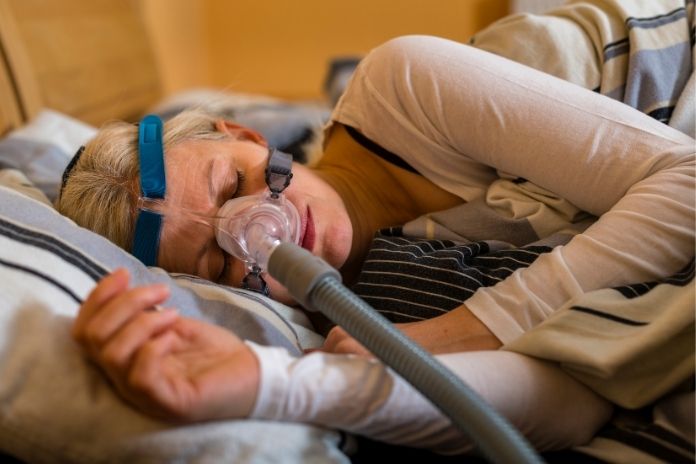
Obstructive sleep apnea is a condition that affects breathing while you sleep. Medical treatments remain the primary approach for managing sleep apnea, but more and more people are exploring the link between tryptophan and sleep apnea and how diet can help people sleep better.
This article will examine how lean protein for sleep can alter sleep patterns and the science behind the link between protein and sleep apnea. We will also look into whether eating foods high in tryptophan for sleep can help keep the airways stable.
Read More: Sexsomnia (Sleep Sex): What It Is, Why It Happens, and How to Manage It
Understanding Sleep Apnea and Why Airway Stability Matters
What Happens in the Body During Obstructive Sleep Apnea
One common issue affecting a person’s breathing while sleeping is obstructive sleep apnea (OSA). There are moments when a person with OSA cannot breathe normally. The collapse of the soft tissues in the tongue and back of the throat (upper airway) during sleep is typically the cause of the obstruction, or blockage, in airflow.
Apnea is the inability to breathe. You may briefly cease breathing when you have OSA. There may be little to no airflow into the lungs, even when you are making an effort to breathe.
These intermittent airflow interruptions, known as obstructive apnea, can wake you from a deep slumber. Frequent apnea can lead to numerous complications, and if left untreated, it may eventually result in serious health issues.
Why Upper Airway Muscle Tone Is Important
The muscles and soft tissues in the throat maintain the airway. These muscles stay active and maintain an open airway while awake. But while you’re sleeping:
- Muscle tone declines
- The risk of the airway collapsing increases
- Breathing becomes erratic
During sleep, reduced muscle tone in the upper airway can cause it to narrow or collapse, contributing to obstructive sleep apnea.
What Is Tryptophan and Why Does It Matter for Sleep

How Tryptophan Supports Sleep-Related Brain Chemistry
Tryptophan is an amino acid required for healthy growth in babies as well as for the synthesis and upkeep of the body’s muscles, proteins, enzymes, and neurotransmitters. It is a necessary amino acid. It indicates that you must obtain it through your diet because your body cannot make it.
The body uses tryptophan to produce serotonin and melatonin. Serotonin helps regulate appetite, sleep, mood, and pain, while melatonin regulates the sleep-wake cycle.
The liver can also convert tryptophan into niacin (vitamin B3), supporting energy metabolism and DNA synthesis. The body needs sufficient dietary tryptophan to convert it to niacin, and this process also depends on key nutrients such as the following:
- Iron
- Riboflavin, and
- Vitamin B6
How These Neurochemicals Influence Sleep Cycles
The change of tryptophan into serotonin and melatonin affects:
- Sleep onset (falling asleep more quickly)
- Sleep continuity (fewer times waking up)
- Balance of circadian rhythm
Better sleep quality may indirectly affect diet and obstructive sleep apnea because deeper, more stable sleep can make disruptions less severe.
Read More: Circadian Eating for Better Sleep and Digestive Health
The Emerging Link Between Tryptophan, Protein Intake, and Airway Stability
Tryptophan’s Role in Neuromuscular Control During Sleep
Research suggests that tryptophan-derived serotonin may help activate upper airway muscles. These muscles help keep the airway open while you sleep. It makes me think of an interesting idea:
- Could there be a connection between tryptophan and sleep apnea through neuromuscular control?
Some researchers propose that enhanced serotonin signaling augments muscle responsiveness, potentially facilitating upper airway stability.
Why Adequate Protein May Support Muscle Function
Protein is essential for maintaining muscle mass and strength, so it’s especially crucial if you enjoy staying in shape. For individuals 18 years of age or older, the recommended dietary allowance (RDA) is 0.8 g/kg daily.
Growing children and pregnant or nursing women need slightly more protein than an average adult, since their bodies are building muscle. It is advised that 10%-35% of your daily calories come from protein.
That, however, is insufficient for someone who is considerably more active and wishes to gain muscle because it only serves to maintain a “normal” lifestyle.
Twenty different amino acids make up proteins. Our bodies cannot produce nine of them, so we must obtain them through our diet.
Every part of our body, including the muscles, bones, skin, and hair, contains protein. It is essential for movement since it is involved in the production of hormones, muscles, and antibodies (for our immune system).
What Current Research Suggests—and Its Limitations
Researchers at Johns Hopkins Medicine claim to have stronger evidence that specific channel proteins may be therapeutic targets for sleep apnea and other slow-breathing conditions in obese individuals, based on a recent study in obese mice.
The protein, a cation channel called TRPM7, is present in the bloodstream, along with certain hormones like leptin, and in the carotid bodies, which are tiny sensory organs in the neck that detect changes in oxygen and carbon dioxide. TRPM7 proteins help regulate the flow of positively charged molecules into and out of the cells of carotid bodies.
The same study mentioned above, conducted in the Johns Hopkins Medicine Polotsky Research Lab under the direction of postdoctoral fellow Lenise Kim, Ph.D., expands on earlier lab research demonstrating that TRPM7 plays a role in the development of hypertension in mice.
Read More: How a Single Night of Poor Sleep Can Triple Your IBS Pain the Next Day
Lean Protein Foods Naturally Rich in Tryptophan

Including foods high in tryptophan for sleep can support overall sleep quality and nutritional balance. Some are listed below, along with their dietary requirements.
- Turkey and chicken breasts: 687 mg per 6 oz
- Lean pork: 627 mg per 6 oz chop
- Uncooked firm tofu: 592 mg per cup
- Salmon: 570 mg per 6 oz fillet
- Rib-eye beef steak (lean, boneless, nearly fatless): 378 mg per 100 g
- Mozzarella: 603 mg per 100 g
- Pumpkin seeds: 576 mg per 100 g
- Parmesan: 560 mg per 100 g
- Chia seeds: 436 mg per 100 g
- Tahini: 393 mg per 100 g
- Sesame seeds: 388 mg per 100 g
- Cheddar: 320 mg per 100 g
- Monterey cheese: 315 mg per 100 g
Although in considerably smaller proportions, it is also present in high-protein vegetable sources:
- Broccoli: 30 mg per 1 cup (chopped, uncooked)
- Seaweed: 929 mg per 100 g
- Sweet peppers: 229 mg per 100 g
- Leeks: 117 mg per 100 g
- Spinach: 100 mg per 100 g
- Potatoes: 98 mg per 100 g
Read More: Sleepwalking (“Somnambulism”): Why It Happens, How to Stay Safe & When to Get Help
Does Eating Protein in the Evening Affect Sleep Apnea?
Protein vs. High-Sugar Late-Night Snacks
A lot of people eat sugary snacks at night, which can:
- Elevate blood sugar
- Induce crashes in energy
- Interfere with sleep cycles
In contrast, protein before bed may improve sleep quality because protein:
- maintains blood sugar stability
- encourages fullness
- encourages a consistent outflow of energy
Potential Benefits of Balanced Evening Meals
Nutrient Intake: Dinner is an important meal that helps you get the nutrients you need every day. A balanced dinner provides your body with the vitamins, minerals, and macronutrients it needs to function well.
Restorative Sleep: A healthy dinner can help you sleep better. Foods like leafy greens and turkey have nutrients, magnesium and tryptophan, that can help you relax and sleep better.
Managing Your Weight: A balanced dinner can help control your hunger, making you less likely to snack late at night or overeat.
Digestive Health: Eating a variety of fiber-rich foods at dinner supports digestive health and helps maintain regular bowel movements.
Why Heavy Meals Close to Bedtime May Still Disrupt Sleep
Circadian rhythms are natural cycles that your body usually follows. You can stay awake during the day and fall asleep at night because of these cycles. Insomnia can result from disrupting these routines by eating too close to bedtime. Numerous biological and psychological issues are associated with chronic insomnia.
When eating late, individuals tend to eat more unhealthy foods that are very high in fat, sugar, salt, and chemical preservatives. Consuming a lot of sweet, salty, or fatty foods increases the risk of weight gain.
Consuming junk food also raises your risk of developing diabetes, high blood pressure, and cardiovascular diseases.
Read More: Always Tired but Can’t Sleep? Why IBS Patients Are 4x More Likely to Suffer from “Hypersomnia”
Dietary Habits That May Support Better Sleep With Sleep Apnea

No diet can cure apnea, but some habits may help with symptoms and overall sleep quality.
Regular Exercise: Staying active is very important for maintaining a healthy weight and reducing the severity of your sleep apnea. Getting enough exercise can also help you sleep better, resulting in a healthy body and mind.
Limit Alcohol: Drinking alcohol and smoking can make sleep apnea worse by relaxing throat muscles and causing inflammation in the airways. Limiting alcohol, especially before bed, can lower the risk of obstruction. It’s also important not to take sedatives unless your doctor tells you to, because they can relax the muscles in your throat even more and make sleep apnea symptoms worse.
Avoid Spicy Foods: Heartburn from eating spicy food can interfere with your sleep. Additionally, acid reflux frequently gets worse when you lie down. If the acid backup irritates your airway, your sleep apnea symptoms may also worsen.
Nutrition: Eating a balanced diet rich in fruits, vegetables, whole grains, lean proteins, and healthy fats can help people with sleep apnea manage weight and improve their overall health.
When Nutrition Should Complement—Not Replace—Medical Treatment
Standard Treatments for Obstructive Sleep Apnea
Given below are the possible treatments for OSA:
- Maintaining a healthy weight and avoiding sleeping on your back
- Using a continuous positive airway pressure (CPAP) device
- Using oral appliances or mouthpieces
- Undergoing surgery
Various Surgeries for obstructive sleep apnea
To treat OSA and open your airway, common surgical procedures include:
- Removing tissue from the back of your throat is known as uvulopalatopharyngoplasty (UPPP)
- Opening your windpipe to bypass a blockage is called a tracheostomy
- Removing the tonsils or adenoids is known as a tonsillectomy or adenoidectomy
- Implanting a device to activate the muscles of the airways while you sleep is known as nerve stimulation
When to Seek Medical Evaluation
You should see your physician if you experience:
- Loud snoring
- Daytime fatigue
- Morning headaches
- Noticed pauses in breathing during sleep
Even if you focus on protein and sleep apnea strategies, proper diagnosis is critical.
Read More: Hypnic Jerks: Why Your Body Jolts as You Fall Asleep (And When to Worry)
Conclusion
The relationship between tryptophan and sleep apnea demonstrates that nutrients can help ensure a sound night’s sleep. Tryptophan is essential for regulating sleep hormones such as serotonin and melatonin, which may help ensure one sleeps soundly and regularly.
A balanced diet with adequate protein may help ensure that all your muscles, including those that aid breathing, remain healthy.
But it’s important to remember that just changing your diet won’t cure obstructive sleep apnea. Medical treatment and professional evaluation remain very important for effectively managing this condition.
References
- American Lung Association. (2026, January 27). Learn about sleep apnea.:
- American Thoracic Society. What is obstructive sleep apnea in adults?:
- MedlinePlus. Obstructive sleep apnea.
- Jay Vera Summer. (July 16, 2025). What Is Tryptophan?:
- MedlinePlus. Tryptophan
- Emily Coates. (July 31, 2024). Protein and fitness: how does it support muscles and movement?
- Respiratory Therapy. (2022, November 2). Protein may be sleep apnea target.:
- Winny, A. (2026, March 2). Why Is America Fixated on Protein?:
- VIVA Mutual. (2024, October 22). The importance of a balanced dinner.:
- Gastroenterology of Greater Orlando. (2023, April 24). Should you be concerned about eating before bed?
- The Sleep & TMJ Group. Exploring the relationship between diet, lifestyle, and sleep apnea management.
In this Article