














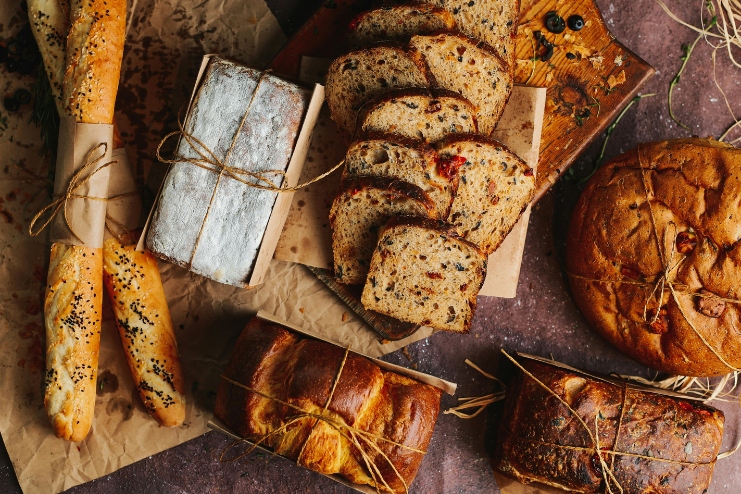
- Bread isn’t bad for blood pressure, but the type matters. Whole grain, low-sodium bread supports heart health, while refined white bread works against it.
- Sodium is the main problem. Regular sandwich bread can quietly push your daily salt intake too high without you realizing it.
- Whole grains help lower BP through fiber, better insulin control, and key minerals like potassium and magnesium. Refined carbs do the opposite.
- You don’t need to quit bread. Just choose ≤140 mg sodium and 2–3 g fiber per slice, and keep it to 2–4 slices daily.
Bread has a reputation problem when it comes to blood pressure management. Somewhere along the way, it became lumped in with salty processed foods and simple carbs as something people with hypertension should probably avoid. That reputation isn’t entirely bad, but it’s applied way too broadly.
The real story is more nuanced. Commercial sandwich bread can be a significant hidden source of sodium intake. Refined white bread raises blood sugar, promotes inflammation, and has none of the vascular benefits tied to whole grains.
But a slice of whole grain bread with 2 grams of fiber and 100 milligrams of sodium is doing something entirely different inside your body than a slice of highly processed white bread loaded with salt and additives.
The best bread for high blood pressure isn’t about eliminating bread. It’s about choosing a version that works with your body’s cardiovascular system rather than against it. This guide explains exactly what to look for, what to avoid, and what the evidence actually says.
How Bread Affects Blood Pressure
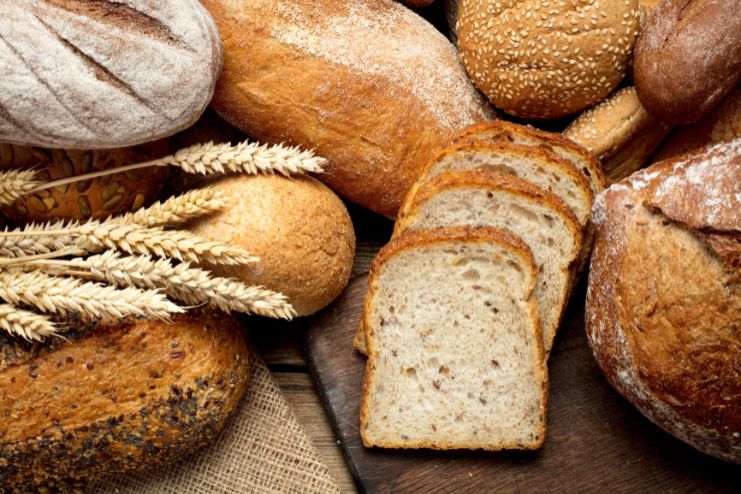
Sodium intake is the most direct connection between bread and blood pressure management. Americans consume, on average, well over 3,400 milligrams of sodium per day, significantly above the 2,300 milligram daily limit recommended by the American Heart Association, and commercially baked bread is one of the largest contributors.
A single slice of some commercial sandwich breads contains 170 to 230 milligrams of sodium. Eat two slices twice a day, and you’ve committed 680 to 920 milligrams of your daily budget before you’ve added a single ingredient.
Refined carbohydrates connect to blood pressure through a different but equally important mechanism. When refined carbohydrates are digested rapidly, they spike blood glucose and insulin, promote weight gain, increase inflammation, and contribute to insulin resistance over time.
Insulin resistance impairs the kidneys’ ability to regulate sodium excretion, which raises blood pressure. This is why the type of carbohydrate in bread, not just the sodium content, matters for cardiovascular health.
Fiber, on the other hand, works in the right direction. Dietary fiber slows digestion, reduces glycemic spikes, supports healthy gut bacteria that produce vasodilatory short-chain fatty acids, and directly supports vascular function.
A systematic review and meta-analysis published in Scientific Reports, analyzing data from over 182,000 individuals across nine cohort studies, found that the highest whole grain intake was associated with a 26% lower risk of developing hypertension compared to the lowest intake, with every additional 90 grams of whole grains daily, equivalent to roughly three slices of whole grain bread, reducing hypertension risk by a further 14%.
Whole grains support vascular function through multiple mechanisms: they improve endothelial function, increase insulin sensitivity, and deliver potassium and magnesium, both of which counterbalance sodium’s blood pressure-raising effects.
The DASH diet, specifically designed to reduce blood pressure management risk and validated in multiple large trials, explicitly recommends replacing refined carbohydrates with whole grains as a core strategy.
Dr. Frank Sacks, MD, FAHA, spoke to the compounding effect of these interventions directly: “The blood pressure reduction from cutting salt was substantial, especially in older people,” he told WBUR. “And if you add the drop from switching to a DASH diet, the difference was huge.”
The implication for bread is direct: choose bread that does both, less sodium and more whole-grain fiber, and the cardiovascular benefit multiplies.
What Makes Bread “Blood Pressure Friendly”?
These are the markers that separate bread for hypertension from the rest of the shelf.
100% whole grain as the first ingredient. “Whole wheat flour” listed first means the majority of the bread by weight is a whole grain. “Enriched wheat flour” listed first, regardless of what else is on the label, means the primary ingredient is refined carbohydrates with nutrients added back in.
Low sodium per slice. Target 140 milligrams or less per slice. This is the FDA’s definition of a “low-sodium” food. Many commercial breads exceed this. Two slices at 140 milligrams each still contribute 280 milligrams to your day, which is manageable. Two slices at 220 milligrams each is a different calculation.
At least 2 to 3 grams of fiber per slice. This is the threshold that begins to deliver meaningful cardiovascular benefit. Most white breads provide less than 1 gram. Quality whole-grain bread typically delivers 2 to 4 grams per slice.
Minimal added sugars. Some commercial breads add sugar to improve texture, flavor, and shelf life. More than 2 grams of added sugar per slice is worth flagging, particularly for people managing both blood pressure and metabolic health.
Limited ultra-processed additives. A long ingredient list with multiple preservatives, emulsifiers, and artificial additives is a signal that the bread has been highly processed.
Heavily processed breads tend to have poorer glycemic profiles than simpler formulations with the same nominal fiber content, likely because processing destroys the intact cellular food matrix that slows digestion.
Read More: What Happens to Your Blood Sugar When You Eat White Bread Every Day
Healthiest Bread Options for Blood Pressure
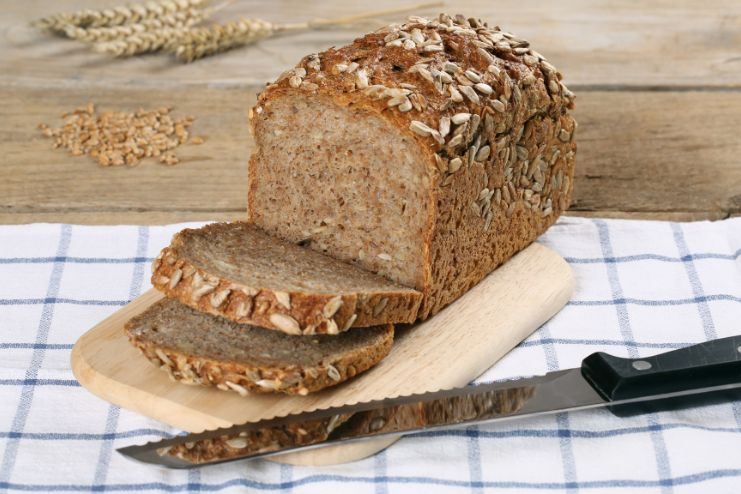
100% Whole Wheat Bread (Low-Sodium Versions)
Whole grain bread blood pressure benefits start here. If the label says 100% whole wheat and lists whole wheat flour first, you’re getting the full grain: bran, germ, and endosperm. That means real fiber, B vitamins, magnesium, and potassium in usable form.
The benefit isn’t theoretical. A randomized controlled trial published in the American Journal of Clinical Nutrition found that daily consumption of three portions of whole grain foods, including whole wheat and oat products, significantly reduced systolic blood pressure by 6 mm Hg and pulse pressure by 3 mm Hg compared to a refined grain control group over 12 weeks.
The authors noted the magnitude of blood pressure reduction was comparable to, or greater than, many cardiovascular drug trials at low risk.
Ignore front-label terms like “wheat bread” or “multigrain.” Only 100% whole wheat with the right first ingredient consistently delivers the advantage.
Sprouted Grain Bread
Sprouted grain bread takes whole grains a step further. Allowing grains to germinate before milling increases mineral bioavailability, reduces phytic acid, and may improve glycemic response.
The result is a denser, more nutrient-concentrated loaf. For people managing blood pressure, it offers more nutritional return per slice. Just don’t assume it’s automatically low in sodium. Some brands still run high. Always check the label.
Oat Bread (Whole Oat-Based)
The strength of oat bread is beta-glucan, a soluble fiber strongly linked to cardiovascular benefits. Beta-glucan lowers LDL cholesterol, improves insulin sensitivity, and supports gut changes that produce vasodilating short-chain fatty acids.
A meta-analysis of randomized trials published in the British Journal of Nutrition found that oat beta-glucan supplementation was associated with a significant reduction in both systolic and diastolic blood pressure, with the effect most pronounced in hypertensive individuals.
For impact, the bread should deliver at least 1 gram of beta-glucan per serving. Many commercial “oat breads” are mostly refined flour with a small oat addition. If oats aren’t listed first or second, the benefit is likely minimal.
Low-Sodium Specialty Bread
Low-sodium bread is formulated specifically for people with hypertension or cardiovascular disease. Some versions contain as little as 35 to 50 milligrams of sodium per slice, significantly reducing daily sodium load.
Texture and taste may differ, but palate adjustment usually happens within weeks. For people who are sodium-sensitive or medically advised to restrict salt, this category allows bread without compromising blood pressure control.
Sourdough (With Whole Grains)
Sourdough blood pressure benefits depend on fermentation plus grain quality. Long-ferment sourdough uses wild yeast and lactic acid bacteria to partially break down starches and phytic acid, improving mineral absorption and moderating glycemic response.
A study published in BMC Nutrition examining whole-grain sourdough versus conventional whole-grain bread found that the sourdough fermentation process reduced the glycemic index of the bread and improved satiety responses in healthy adults, suggesting metabolic advantages that are particularly relevant for people managing blood pressure through overall cardiometabolic health.
The caveat is sodium. Commercial sourdough often runs high in salt. Fermentation alone doesn’t make it the best bread for high blood pressure. The benefit applies only to whole-grain sourdough with controlled sodium levels.
Read More: Is Sourdough Bread Good for You? Benefits, Nutrition, and How It Compares to Other Breads
Bread Types That May Raise Blood Pressure Risk When Overconsumed
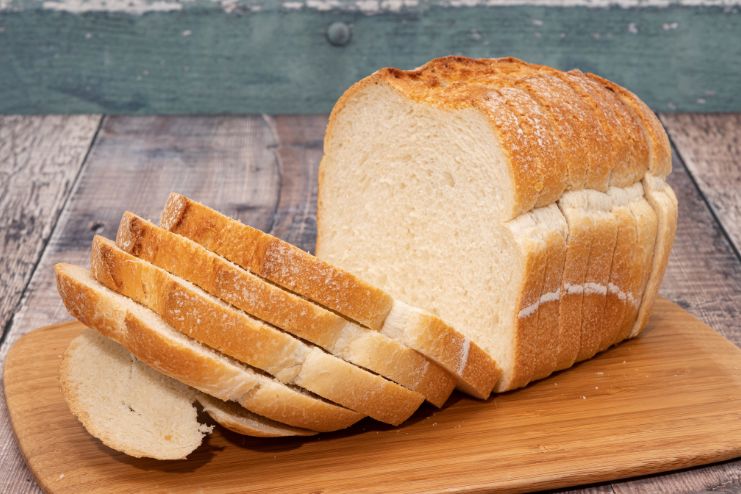
White bread is the clearest example of what to limit. Made from refined carbohydrates with the bran and germ removed, it offers minimal fiber, modest nutrition, and a higher glycemic response. It’s not uniquely toxic for people with hypertension, but compared to whole grain bread, it delivers less cardiovascular benefit for the same sodium cost. That makes it a weak choice for anyone managing blood pressure.
Highly processed commercial sandwich breads deserve scrutiny beyond sodium alone. Industrial processing alters the grain structure, so even breads with similar nutrition labels can behave differently in the body. When the natural food matrix is broken down, starches digest faster, affecting metabolic response.
Sweetened breads like brioche, Hawaiian rolls, and many burger buns combine refined carbohydrates, added sugar, and often elevated sodium. Fine occasionally. As daily staples for blood pressure control, they are not ideal.
Dr. Dariush Mozaffarian, MD, DrPH, a cardiologist, identifies exactly what makes processed grain products problematic: “UPFs are especially problematic when high in refined grains, added sugars, and sodium, whereas they are low in dietary fiber and important micronutrients.” The bread aisle is full of products that fit this description. The goal is to identify the ones that don’t.
Read More: Healthiest Breads to Support Digestion: What to Look For (and What to Avoid)
Is Gluten-Free Bread Better for Blood Pressure?
No, not inherently.
Gluten-free bread is designed for people with celiac disease or non-celiac gluten sensitivity. For those without these conditions, removing gluten offers no cardiovascular advantage. Most commercial versions rely on refined starches like white rice flour, tapioca, or potato starch. They’re often low in fiber, high in refined carbohydrates, and not lower in sodium than conventional bread.
Gluten-free bread makes sense for people with medically confirmed gluten-related conditions. In those cases, options made from whole grain sorghum, buckwheat, or oats can provide better nutrition. But for general hypertension management, gluten-free isn’t a meaningful factor.
How Much Bread Is Reasonable With High Blood Pressure?
The DASH diet, the most rigorously studied dietary pattern for lowering blood pressure, allows six to eight servings of grains per day on a 2,000-calorie plan, mostly whole grains. One serving equals one slice of bread or half a cup of cooked grain. That’s not a restriction. It’s structured inclusion.
For most people managing blood pressure, two to four slices of quality whole grain bread per day can fit comfortably into a balanced diet with lean protein, healthy fats, fruits, and vegetables. Bread topped with vegetables, avocado, or eggs is very different from bread paired with processed meats, butter, and salty spreads.
Portion awareness matters. Know what two slices of your specific brand contribute to sodium and fiber so you can adjust without micromanaging every bite.
Label-Reading Tips for Choosing a Heart-Healthy Bread
Here’s where smart decisions actually happen: at the label.
- First ingredient: Look for “whole wheat flour” or another whole grain listed first. If it says “enriched wheat flour” or “unbleached wheat flour,” it’s a refined carbohydrate.
- Sodium: Check both the number and the serving size. Some brands list one slice, others two. Aim for 140 mg or less per slice to keep sodium intake in check.
- Fiber-to-carbohydrate ratio: A practical benchmark is 10: 1. If a slice has 20 grams of carbohydrate, it should have at least 2 grams of fiber.
- Serving size tricks: Thin-sliced bread may look lower in calories or sodium simply because the slice is smaller. Compare equivalent portions.
- Marketing claims: Terms like “multigrain,” “made with whole grain,” or “wheat bread” don’t guarantee quality. They don’t automatically qualify as low-sodium bread or a meaningful whole-grain bread blood pressure choice. The ingredient list and nutrition facts panel tell the real story.
Does Cutting Bread Completely Lower Blood Pressure?
Sometimes, yes, but not because bread is uniquely harmful. Cutting bread often reduces sodium and refined carbohydrates at the same time, which can temporarily lower blood pressure. The effect comes from what’s removed, not from bread itself.
Long-term, elimination isn’t necessary for most people. Evidence consistently supports whole grains for cardiovascular health. Switching to low-sodium whole-grain bread is usually more sustainable than cutting bread entirely.
Dr. Walter C. Willett, MD, DrPH, makes the critical distinction between carbohydrate quality and carbohydrate elimination: “eating refined grains and salty meats several times a week may raise the risk of high blood pressure, strokes, and heart disease,” he told Harvard Public Health, while simultaneously recommending whole grains as a dietary priority.
The issue is refined grains and excess sodium, not grains themselves. Weight loss from any restrictive diet can lower blood pressure, but the mechanism is reduced weight and sodium, not a special anti-bread effect. Replacing white bread with low-sodium whole grain bread is often a smarter long-term move than eliminating bread only to swap in other refined carbohydrates.
The Bottom Line
The healthiest bread for blood pressure isn’t an exotic product. It’s any bread that leads with a whole grain as its first ingredient, stays at or below 140 milligrams of sodium per slice, delivers at least 2 grams of fiber, and avoids the heavy processing that degrades what whole grain integrity provides.
Sprouted grain bread and whole grain bread are consistently the best daily choices. Sourdough’s blood pressure benefit is real, but it depends on the bread being made with whole grains and kept low in sodium. Oat-based breads offer the added benefit of beta-glucan for people who want to maximize cardiovascular value per slice.
Low sodium bread formulations are worth seeking for anyone on a medically supervised sodium restriction. Gluten-free bread is only relevant if gluten is medically contraindicated.
Dr. Christopher Gardner, PhD, frames the broader principle as simply as it gets: “If everyone ate a lot more veggies, beans, and whole grains and got rid of added sugar and refined grains, then a lot of the blood glucose, cholesterol, and blood pressure stuff would clean up.” Bread can be part of that. It can also work against it. The difference is almost entirely in which bread you choose.
Portion control and overall dietary pattern matter more than any single food. Two slices of low-sodium, whole-grain bread at breakfast, alongside vegetables, lean protein, and healthy fats, fit comfortably into a DASH diet or Mediterranean-style eating pattern without compromising blood pressure goals.
References
- Aune, D., Metoudi, M., Sadler, I., et al. (2025). Whole grain and refined grain consumption and the risk of hypertension: A systematic review and meta-analysis of prospective studies. Scientific Reports, 15, 21447.
- El Khoury, D., Cuda, C., Luhovyy, B. L., & Anderson, G. H. (2012). Beta glucan: Health benefits in obesity and metabolic syndrome. Journal of Nutrition and Metabolism.
- Gardner, C. D. (2022). Christopher Gardner: Stanford alumni in food and agriculture spotlight interview #12.
- Mozaffarian, D., Bhattacharya, N., Bhattacharya, R., et al. (2026). A clinician’s guide for trending cardiovascular nutritional controversies. PMC.
- Mozaffarian, D., Appel, L. J., & Van Horn, L. (2011). Components of a cardioprotective diet: New insights. Circulation, 123(24), 2870-2891.
- Sacks, F. M. (2018). Quoted in: Game changers: 5 diet studies that made a difference. WBUR.
- Sacks, F. M., Svetkey, L. P., Vollmer, W. M., et al. (2001). Effects on blood pressure of reduced dietary sodium and the Dietary Approaches to Stop Hypertension (DASH) diet. New England Journal of Medicine, 344(1), 3-10.
- Tighe, P., Duthie, G., Vaughan, N., et al. (2010). Effect of increased consumption of whole-grain foods on blood pressure and other cardiovascular risk markers in healthy middle-aged persons: A randomized controlled trial. American Journal of Clinical Nutrition, 92(4), 733-740.
- Willett, W. C. (2024). Healthy eating advice from nutrition expert Walter Willett. Harvard T.H. Chan School of Public Health.
- Bella Vita Natural Beauty. (n.d.). 5 healthiest breads for high blood pressure.
- Blood Pressure UK. (n.d.). Blood pressure-friendly bread.
- British Heart Foundation. (n.d.). Foods that lower blood pressure.
- Cleveland Clinic. (n.d.). Bread: Best whole grain, multigrain or whole wheat?
- EatingWell. (n.d.). Whole grains for high blood pressure.
- Health.com. (n.d.). Healthiest bread for blood pressure.
- Independent. (n.d.). Sourdough bread and blood pressure.
- Lal PathLabs. (n.d.). What to eat in breakfast in hypertension?
- Mayo Clinic. (n.d.). Whole-grain foods: Expert answers.
- One Medical. (n.d.). Best foods to lower blood pressure.
- Qardio. (n.d.). Heart-healthy breakfast: Which foods lower blood pressure?
In this Article