















- If you keep smelling burnt toast when nothing is burning, it may be phantosmia, a condition where the brain produces phantom odors.
- Viral infections, sinus problems, nerve irritation, or environmental exposures are common causes.
- While often temporary, persistent symptoms should be medically evaluated..
Many people, at some point, notice something strange with the smell. Like burnt toast, smoke, maybe the smell of a wire burning. But when they check the kitchen, nothing is there. Gas off. No food burning. However, the smell persists.
Many people get worried when this happens. Some think there is an electrical problem. Some think maybe a stroke. But in most cases, the reason is actually something else: a medical condition called phantosmia.
Phantosmia means the brain is sensing a smell that is actually not present in the air. It is part of a group of smell problems known as olfactory dysfunction.
For some people, this smell happens for only a few seconds. For others, it stays for many minutes, sometimes repeating several times in a day. When the smell is strong, like smoke or chemicals, it can also disturb eating. Food may start tasting strange.
Understanding the causes of phantom smells helps remove fear and also shows when a medical check is needed.
What It Means When You Smell Burnt Toast but Nothing Is Burning
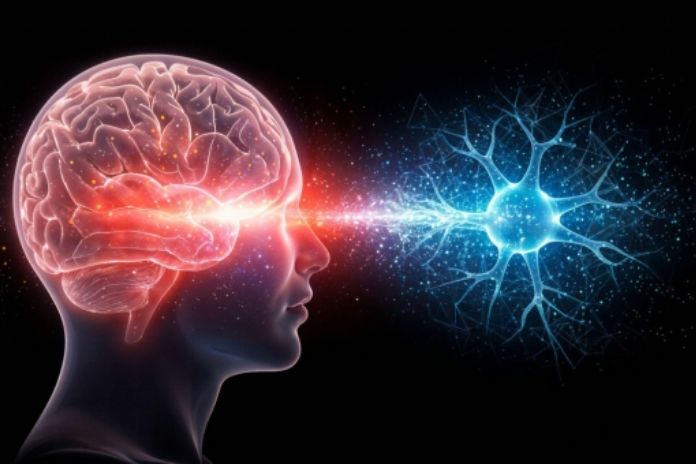
The situation where someone keeps smelling burnt toast when nothing is burning is the most common description given by individuals affected by this issue. Doctors call this an olfactory hallucination. This means the brain is creating a smell signal without a real smell source.
Normally, smell works in a simple chain. First, smell particles enter the nose. Then the smell receptors inside the nose detect it. After that, the signal travels through the olfactory nerve. Finally, the brain recognizes the smell.
In phantosmia, there is a disruption somewhere along the olfactory pathway. The brain receives a signal even when no smell molecule is present. Because of this, a person may smell things such as the following:
- Burnt toast
- Smoke
- Chemicals
- Rotten food
An interesting observation: most phantom smells are unpleasant. Sweet or pleasant smells are rare. Another problem is flavor. Taste and smell work together when we eat. When the smell signal is wrong, the food may taste burnt or metallic. Some people stop enjoying food. That is why a distorted smell affecting appetite is common in smell disorders.
Common Phantom Smells That are Reported by People
People with phantosmia describe many kinds of smells. But few patterns are always repeated.
1. Burnt toast or smoke
This is the classic example. Many patients say the smell feels like something burning in the house. They check everything, but nothing is found. Sometimes the smell stays for only a few minutes. Sometimes longer.
2. Chemical or metallic odors
Another frequent complaint is a strong chemical smell. Some people say it smells like cleaning liquid or petrol; others call it a metallic smell, like iron.
3. Rotten food or sewage smells
This type is very disturbing. It may smelll like garbage or spoiled meat. Even fresh food may start smelling bad.
4. Why unpleasant odors are more common than pleasant ones
The human smell system was developed mainly for protection, to detect smells such as fire, poison, and spoiled food. Therefore, brain networks for unpleasant smells are stronger. When signals become disorganized, those networks often get activated first.
Phantosmia vs. Parosmia: Two Different Smell Disorders
People often mix up phantosmia with another smell disorder called parosmia. They are not the same thing.
1. What parosmia is
In parosmia, smell is real, but the brain interprets it wrong. Example: coffee is there, but it smells like burnt rubber.
2. Key differences between phantom odors and distorted odors
In phantosmia, a smell appears when nothing is there. In parosmia, the smell source is present, but the brain misreads it. Both conditions (parosmia vs. phantosmia) are forms of olfactory dysfunction and sometimes appear after infections.
3. Why viral illnesses may cause either condition
After a viral infection, olfactory nerve cells may regenerate irrelgularly. Connections between the nose and the brain become confused. Because of this, some people get phantom smells, and others get distorted smells.
Most Common Causes of Smelling Burnt Toast
Many conditions can disturb the smell system. Some are temporary; some need treatment.
1. Viral Respiratory Infections and COVID-19
After a respiratory infection, the smell system often gets inflamed. One situation many doctors come across is the phantom smell after COVID. Dr. Adam C. Zoga, a radiologist, says, “Patients can really start getting – a distaste for foods and drinks they used to enjoy.”
A virus can irritate smell receptors or damage small nerve endings. When this olfactory nerve damage starts healing, signals may fire randomly.
During this stage, people often say, “Why does everything smell burnt?” Recovery usually happens slowly as nerves repair.
2. Sinus and Nasal Conditions
Sinus problems are another important reason for the phantom smells’ causes. Conditions include:
- Chronic sinusitis
- Nasal polyps
- Allergic swelling inside the nose
Inflammation inside the nasal passages can irritate smell receptors. When receptors stay irritated for a long time, abnormal signals may go to the brain.
3. Head Injury or Trauma
A head injury can disturb smell pathways, too. The smell nerve fibers pass through a very delicate area in the skull. Even mild trauma sometimes damages these connections. When the connection is disturbed, the brain may start receiving incorrect smell signals.
4. Neurological Conditions
Some neurological conditions are also linked with smell disturbances. Examples include:
- Temporal lobe seizures
- Migraine aura
- Early smell changes, sometimes reported in Parkinson’s disease
In seizure cases, a phantom smell may happen just before a seizure episode. But this is not very common.
5. Environmental or Lifestyle Factors
Daily exposures also affect smell receptors. Some examples:
- Smoking
- Chemical fumes
- Pollution
- Solvent exposure in workplaces
Repeated irritation can disturb smell receptors and lead to phantom odors.
Can Stress or Mental Health Affect Your Sense of Smell?

Stress itself is usually never the main cause of phantosmia. But stress changes how the brain processes sensory signals. When someone is anxious, the brain becomes more alert to body sensations. A small smell disturbance may feel stronger.
In rare cases, psychological conditions may contribute to discussions on olfactory hallucinations’ treatment. Still, a medical evaluation is important because physical causes are more common.
Does Smelling Burnt Toast Mean You’re Having a Stroke?
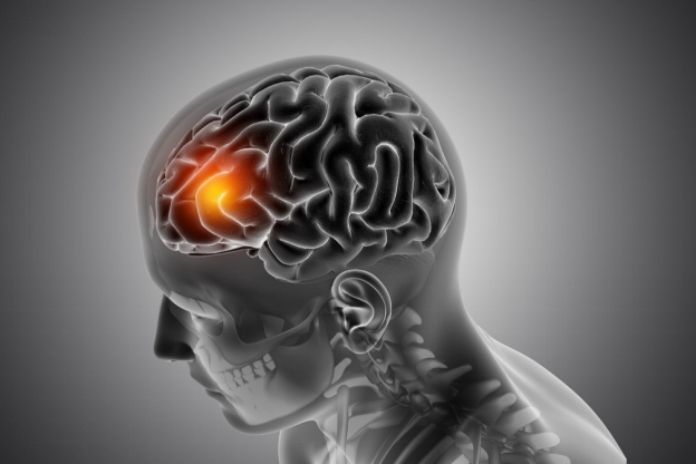
Many people hold a belief that smelling burnt toast means a stroke. Actually, this is mostly a misunderstanding. Typical stroke symptoms include the following:
- Face drooping
- Slurred speech
- Weakness in one arm or leg
- Sudden confusion
These symptoms require emergency help. Phantom smells alone are usually not a stroke sign. But if a smell change happens with sudden weakness or speech trouble, then medical help should be immediate.
How Phantom Smells Can Affect Taste and Appetite

Smell plays a very big role in taste. When the smell pathway is disturbed, the food experience changes. People with phantosmia may notice the following:
- Food tastes burnt
- Metallic taste
- Strong dislike for some foods
- Reduced appetite
“Problems with the sense of smell are just overlooked, despite their importance. They can actually have a big impact on appetite, food preferences, and the ability to smell really dangerous signals such as fire, gas leaks, and even spoiled food,” said Dr. Judith A. Cooper, a speech pathologist.
Because of these distorted smells, appetite might get affected; individuals may stop enjoying their food and hence eat less over time and lose weight.
Ways to Reduce Phantom Smells at Home

Some home measures may reduce symptoms.
1. Nasal Irrigation With Saline
A saline rinse helps wash irritants and reduce inflammation inside the nose. Doctors often suggest this for sinus-related smell disturbances.
2. Olfactory Training (“Smell Training”)
One interesting approach is smell training for phantosmia. This method uses repeated smelling of simple scents such as
- Lemon
- Rose
- Clove
- Eucalyptus
A person smells each scent daily for a few seconds. The idea is to help the brain relearn correct smell signals. Some research suggests improvement in smell disorders with this method.
2. Avoiding Strong Odor Triggers
Strong smells may worsen phantom odor sensations. Triggers often include the following:
- Smoke
- Perfumes
- Cleaning chemicals
- Heavy cooking fumes
Reducing exposure sometimes helps symptoms settle.
3. Adjusting Eating Habits
Small dietary changes can help people whose smell disturbance affects their meals. Helpful ideas include:
- Eating cooler foods
- Choosing mild flavors
- Avoiding fried foods
- Improving ventilation while cooking
These steps may really reduce those unpleasant smell sensations.
Medical Treatments Your Doctor May Recommend if You Smell Burnt Toast

When symptoms last a long time, a doctor consultation becomes important. Possible medical approaches include:
- Nasal steroid sprays
- Treatment for allergies or sinus inflammation
- ENT specialist evaluation
- Neurological tests, if needed
Treatment mainly depends on the underlying cause. Some cases improve naturally when smell nerves recover.
Read More: How to Make a Sweet Tooth Go Away (Without Feeling Deprived)
When Phantom Smells Should Be Checked by a Doctor
A medical checkup becomes important if:
- Symptoms last several weeks
- Appetite or weight changes
- Headaches or dizziness develop
- The smell problem started after a head injury
- New neurological symptoms develop
Evaluation helps identify serious causes early.
Read more: Turn Your French Toast Into a Protein Powerhouse
What Recovery From Phantosmia Usually Looks Like

The smell system is unusual because its nerve cells can regenerate. Because of this, many smell disorders improve slowly with time.
Recovery often includes:
- Gradual reduction in phantom smells
- Improved smell accuracy over months
- Better response after smell training
However, recovery speed varies between individuals.
Read More: 15 Healthy Butter Alternatives for Toast (That Taste Amazing and Are Better for You)
Final Thoughts
Experiencing a burnt toast smell when nothing is burning can feel confusing. But in many situations, the reason for smell disorders after a viral infection is phantosmia, where smell pathways send signals even without a real odor.
Common triggers include infections, sinus inflammation, nerve irritation, or environmental exposure. While the symptom can disturb appetite and daily comfort, many cases improve as the smell system heals. Still, persistent phantom smells should be checked by a doctor to rule out underlying conditions.
- Phantosmia is a brain–nose signal problem, not simply a nose issue. The smell pathway includes nerves and brain processing centers.
- Burnt and chemical smells dominate phantom odors, showing the brain interprets abnormal signals as warning smells.
- Viral infections, especially post-COVID-related inflammation, are a common trigger of smell problems.
- Smell training research still continues to understand how effective it truly is.
- Scientists still don’t fully know why some people recover quickly while others experience phantom smells for years. This remains a research gap in smell disorders.
References
- Altundag, A. (2023). Parosmia and Phantosmia: Managing Quality Disorders. Current Otorhinolaryngology Reports.
- Cleveland Clinic. (n.d.). Phantosmia (Olfactory Hallucinations): Why You Might Detect Smells That Aren’t There. Cleveland Clinic.
- Mayo Clinic. (n.d.). Phantosmia: What causes olfactory hallucinations? Mayo Clinic.
In this Article