













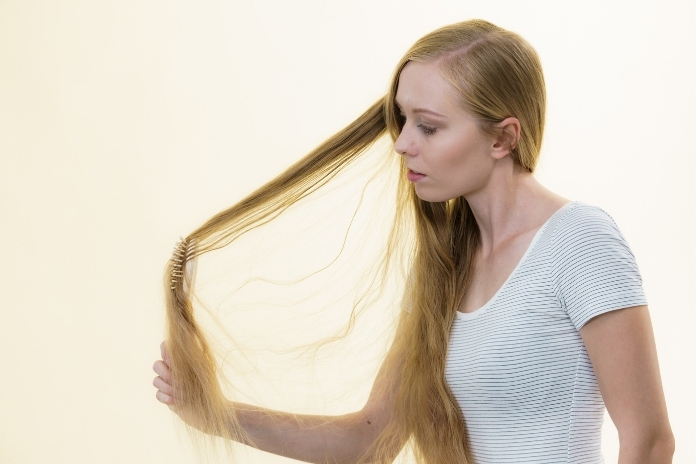
Static hair can ruin even the best hair day. You style your hair, go outside in the cold, or put a sweater over your head, and before you know it, hairs are floating, sticking to your face, or standing on its ends. Although static hair is most common during the winter months, it can also be seen in dry environments, air-conditioned rooms, or any time when your hair is dehydrated and subjected to friction.
Learning how to get rid of static in hair is not just about quick fixes. Static hair is a result of dryness, friction, and disturbance in the cuticle. Once these conditions are remedied, either by smarter styling, better hydration, or changes in your environment, quick fixes and long-term solutions become much more effective.
In this article, you’ll learn the science behind static hair, quick emergency tricks that work in seconds, and smart long-term habits that prevent static from coming back.
The Science of “Electric” Hair: Why Does Static Happen?

Static hair all comes down to simple physics. When hair comes into contact with an external agent, be it a brush, scarf, synthetic fabrics, or even dry air, there’s a trading of electrons between materials.
Hair tends to lose electrons, which leaves it positively charged. Like charges then repel one another, so the strands push apart to give you flyaways, puffiness, and that characteristic electric vibe.
This usually gets tamed by moisture. Water molecules in the air and inside the hair naturally help to discharge the excess charge. On dry air days, when hair lacks internal moisture, that static charge builds up and has nowhere to go.
That’s why static hair pops up so often during winter. The cold outdoor air holds little humidity, and heated indoor air dries it even more. Add to it the friction from hats, jackets, and scarves, and hair is particularly prone to charging the moment you shed those winter layers.
Porosity is important since dry, damaged, heat-treated, or chemically changed hair has a lifted cuticle that raises friction and allows moisture to escape more easily. The rougher the cuticle surface, the more likely you are to see static, frizz, and flyaways.
Read More: Procapil vs. Minoxidil: Which Works Better for Hair Growth?
Emergency Fixes: How to Stop Static Right Now
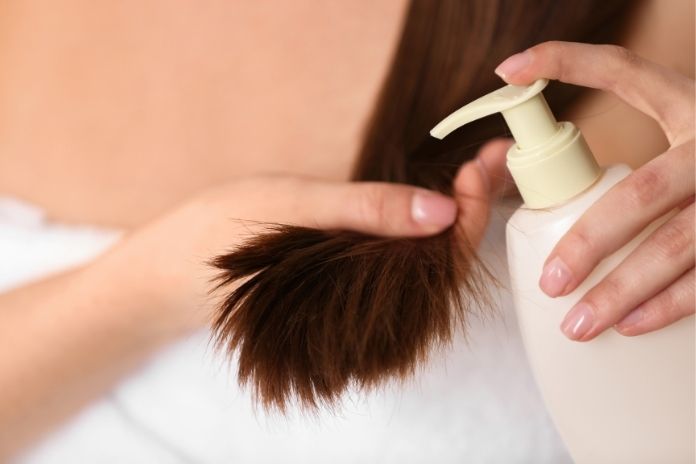
It means the simple goal is to either eliminate the charge or, better still, push in just enough moisture to reset the balance when static crops up from nowhere.
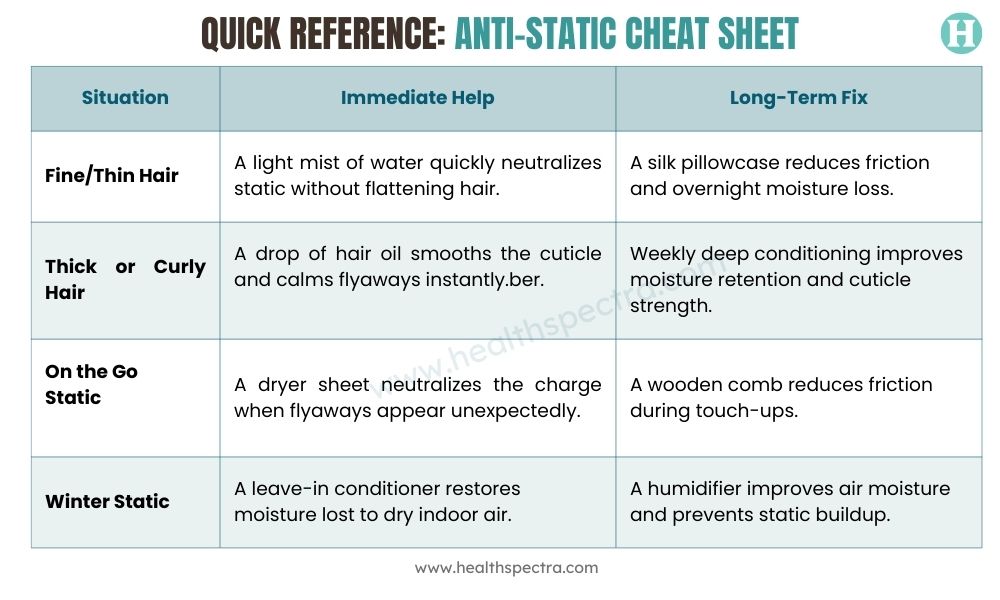
The dryer sheet is one popular, quick trick for emergencies. Dryer sheets come coated with antistatic agents to curb static buildup. Just one gentle pass of one of the sheets over your hair can calm the flyaways in an instant. The secret is to go lightly. Rubbing too hard or going over the same spots time after time will leave behind residue, especially on fine hair.
The other quite surprising fix includes using metals, since metals are very good conductors of electricity. You can lightly sweep through the hair with something as harmless as a clean metal hanger, spoon, or key to make the static go away and settle the strands.
Hydrating works at just about the same speed. A few drops of water or some dot-sized hand lotion rubbed between the palms, then smoothed over the flyaways, neutralizes static upon contact. Use this sparingly because too much product can weigh the hair down or give it that greasy look.
For a more controlled approach, spraying hairspray onto a brush instead of directly onto the hair allows you to smooth flyaways without stiffness. Gently brushing over the top layer helps keep hair polished while avoiding the crunchy feel that direct spraying can cause.
Smarter Styling: Tools and Techniques to Prevent Charge
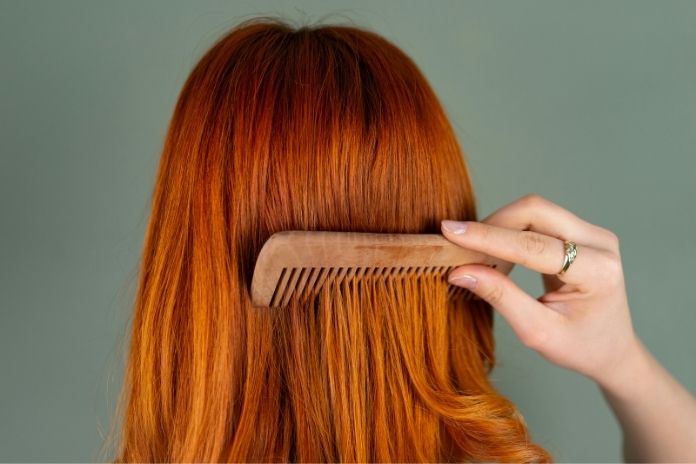
Static hair prevention begins with minimizing friction and charge during the styling process. Using an ionic hair dryer is very useful because it releases negative ions that neutralize the positive charge developed in dry hair. This not only helps prevent static but also helps to smooth out the cuticle, reduce drying time, and enhance shine.
Using the right brush or comb also helps to make a difference. Plastic brushes and combs are major contributors to friction and static. Wooden, metal, or carbon fiber combs are preferred by professionals because they move easily through the hair and do not facilitate charge transfer.
Boar bristle brushes also help because they help to distribute natural scalp oils down the length of the hair. Natural scalp oils provide a natural barrier against dryness, flyaways, and static.
Read More: Does Sleeping With Wet Hair Damage It? Experts Weigh In
In-Shower Strategies: Building a Moisture Barrier
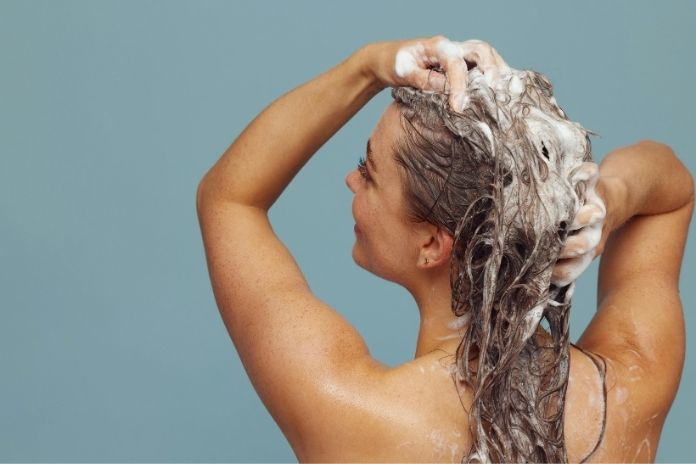
For long-term static control, the process starts in the shower. Well-conditioned and moisturized hair is less likely to become static later in the day.
Leave-in conditioners are especially helpful because they continue to hydrate the hair even after washing. Humectant-based leave-in conditioners work by drawing moisture into the hair and helping it retain that moisture, creating a barrier against dry indoor air and environmental stress.
Cool water rinses can also help to minimize static by smoothing the cuticle. A smoother cuticle surface means less friction between hair strands, fewer flyaways, and better moisture retention once the hair is dry.
Silicones are often misunderstood, but they can be very effective at static control. Lightweight silicones will smooth the cuticle and create a barrier of moisture protection that shields the hair from dry air and friction. If selected properly for your hair type, they can be very effective at reducing static without leaving your hair feeling heavy or coated.
Environmental & Lifestyle Adjustments

Static hair can be affected as much by your environment as by your hair care practices. The quality of indoor air is a big factor, especially in the winter. When heating systems are on, they remove moisture from the air, drying out your hair and making it more prone to static. Keeping the humidity level in your home between 40 and 60% can help to rebalance your hair and skin.
Fabric types also affect your hair directly. Wool, polyester, and acrylic fabrics tend to cause friction and static, while silk and satin allow your hair to slide effortlessly. Making the switch to silk or satin pillowcases, scarves, or coat lining can make a big difference in the long run.
Applying a small amount of leave-in conditioner or smoothing serum to your hair before putting on hats or scarves can help to create slip and prevent static from building. This trick alone can be the difference between smooth hair and a puffy explosion of flyaways when you take off your winter accessories.
Common Mistakes That Make Static Worse
Overwashing is one of the common causes of static. Washing the hair too frequently strips it of its natural oils, which act as a protective barrier against electrical charge. Reducing the frequency of washing or switching to a gentle formula can help preserve the hair’s natural moisture barrier.
Another source of static that is often overlooked is rough towel-drying. The friction generated by rubbing hair with a cotton towel can cause static to form almost instantly. Blotting the hair with a microfiber towel or a cotton T-shirt is much easier on the cuticle.
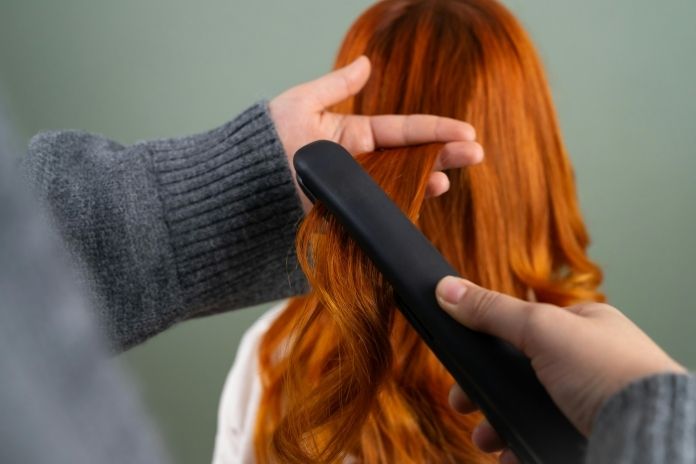
Heat styling is another cause of static that can build up over time. Using high heat settings dries out the hair shaft, causing it to become brittle and prone to friction. Using lower heat settings or heat protection products can help preserve moisture and reduce static.
Read More: Signs of Hard Water Damage on Hair (And How to Fix It)
The Bottom Line
Static hair is not a random inconvenience but a visible sign of dryness, friction, and compromised moisture balance.
By strengthening cuticle health, maintaining adequate humidity, choosing the right tools, and using targeted conditioning products, you can stop frizzy static hair instantly and prevent it from returning long-term. Incorporating nourishing leave-in treatments and minimizing heat styling further helps seal the hair shaft and reduce charge buildup.
Small daily adjustments, like switching to a microfiber towel or using a silk pillowcase, can make a noticeable difference over time. With consistent care, your hair stays smoother, shinier, and far less prone to flyaways, even in dry or cold weather conditions.
Frequently Asked Questions
Q. Can static hair cause hair loss?
A. Static itself does not cause hair loss. However, repeated friction and breakage associated with dry, static-prone hair can make hair appear thinner over time.
Q. Does drinking more water help with static hair?
A. Staying hydrated supports overall hair health, but topical moisture from conditioners and leave-ins, along with adequate environmental humidity, plays a much larger role in controlling static.
Q. What is the best anti-static spray for hair?
A. The most effective anti-static sprays contain lightweight conditioning agents, humectants, or smoothing polymers that reduce flyaways without stiffness or buildup.
References
- Clinikally. (n.d.). How hair styling tools are causing heat damage.
- Michael Anthony Salon. (n.d.). Hat hair: How to avoid the shriek of static.
- National Center for Biotechnology Information. (n.d.). Hair shaft damage and environmental factors. PubMed Central.
- Alibaba Insights. (n.d.). Why is my hair staticky in winter? Humidity tricks and product fixes.
- OrganicB. (n.d.). Wooden combs vs plastic combs: Which is right for your hair?
- Redken. (n.d.). What causes hair static and 7 ways to fight it.
- Saante. (n.d.). The truth about hair porosity: What it means for your hair care.
In this Article