
















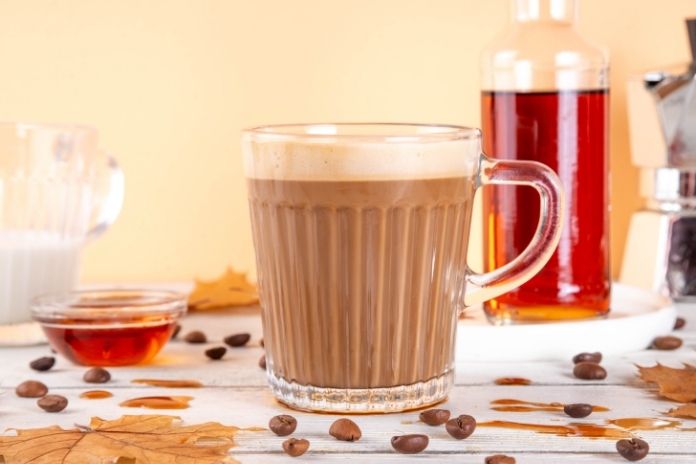
Flavored coffee has become a daily ritual for many people, but they need to reduce sugar intake. This shift is why sugar-free coffee syrup is becoming a popular choice. Whether the goal is blood sugar control, adherence to a low-carb or keto diet, or simply cutting back on empty calories, sugar-free syrups make it possible to enjoy flavored coffee without the metabolic cost of sugar.
However, the presence of the term “sugar-free” on the packaging may be misleading. Although these products may not contain sucrose or corn syrup, they may contain other ingredients that are processed in a completely different manner in the body. Some of these ingredients may affect digestion, while others may affect appetite or the perception of taste.
However, a few of these products may still pose a problem for people with sensitivities. The best sugar-free coffee syrup guide is intended to ensure that you enjoy your coffee while still being on track with your health objectives.
What “Sugar-Free” Really Means in Coffee Syrups
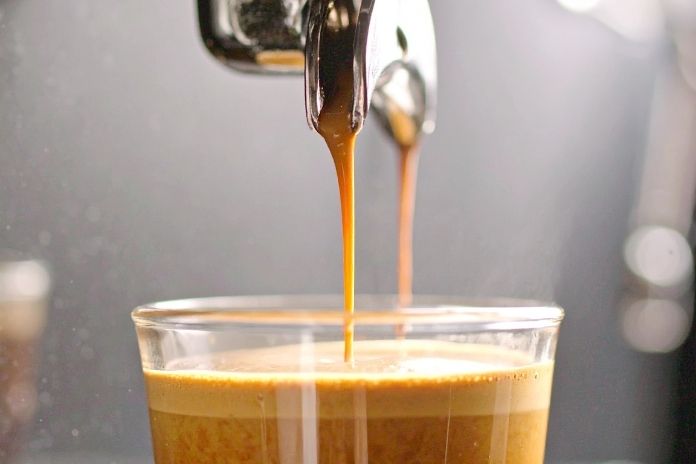
Although the term “sugar-free” can be legally defined, this does not necessarily translate to “healthy.” For instance, in both the U.S. and Canada, a “sugar-free” syrup formulation must have less than 0.5 grams of sugar per serving, a requirement governed by these countries’ regulating institutions, such as the FDA.
Thus, many syrups qualify for the “sugar-free” label even though they contain significant amounts of sugar alternatives.
Another common source of confusion can be between “sugar-free” and “no sugar added.” While a coffee syrup may be free of added sugar, it isn’t necessarily free of additives that can affect blood sugar levels or digestion—it simply lacks the common sugars typically found in foods. This helps explain why two “sugar-free” syrups can have very different effects in practice.
Most importantly, removing sugar does not automatically make a product healthier. A low-calorie coffee syrup may still contain artificial sweeteners, excess sodium, preservatives, or added flavor enhancers, ingredients that many consumers would not consider compatible with a “clean label,” however that term is defined.
Read More: Why Coffee Made From Dark Roast Has Less Caffeine
Sugar Substitutes You’ll See in Coffee Syrups
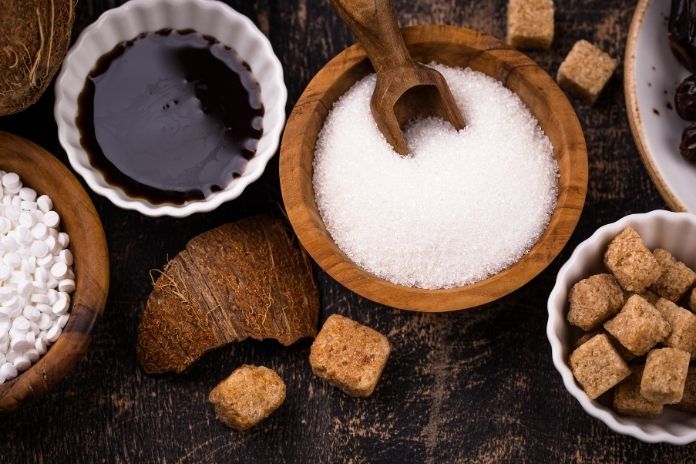
To understand how sugar-free syrups affect health and flavor, it helps to look closely at the sugar substitutes in the syrups themselves. These generally fall into three categories, each with distinct advantages and trade-offs.
Natural Sweeteners (Stevia, Monk Fruit)
Natural sweeteners are popular in keto coffee syrups and clean-label products. Stevia comes from the leaves of the Stevia rebaudiana plant, while monk fruit extract is derived from a small Southeast Asian melon. Both are incredibly sweet but bring essentially no calories or meaningful carbs.
Metabolically, they barely affect blood sugar; this is why they’re popular with people managing diabetes or insulin resistance. Taste is another story and varies by person: stevia can leave a bitter or metallic aftertaste, particularly at higher doses, although the fruit of the monk usually tastes softer and more sugar-like. Many brands mix the two to smooth out flavor and cut down on aftertaste.
Speaking about non-sugar sweeteners (NSS), Francesco Branca, WHO Director for Nutrition and Food Safety, says, “Replacing free sugars with NSS does not help with weight control in the long term. People need to consider other ways to reduce free sugar intake, such as consuming food with naturally occurring sugars, like fruit, or unsweetened food and beverages.”
Sugar Alcohols (Erythritol, Xylitol in Some Syrups)
Sugar alcohols are carbohydrates but are digested in a different manner than sugar in the body. When used, such as in sugar-free coffee syrups in the case of the sugar alcohol erythritol, the majority of it is digested before it ever gets to the colon.
This explains why it goes well with digestion in most people compared to other sugar alcohols. Then there’s xylitol—a common sweetener that, while effective at providing sweetness, can cause gastrointestinal discomfort if consumed in excess.
These sweeteners have few calories and a low impact on blood sugar levels, which is why many prefer them in their low-carb coffee syrups. Not everyone can handle them; those with delicate digestive systems may find them unpleasant if consumed in excess.
Artificial Sweeteners (Sucralose, Aspartame, Acesulfame-K)
Artificial sweeteners still populate most mainstream sugar-free coffee syrups. They’re cheap, extremely sweet, and work well with both hot and cold drinks. Sucralose, aspartame, and acesulfame potassium are artificially created chemical compounds that can be hundred times sweeter than sugar; thus, only tiny drops are needed.
These additives are indeed approved and commonly used. Some studies indicate artificial sweeteners’ effect on gut bacteria, appetite signals, and eventually long-term metabolic health. For many, use in moderation isn’t problematic, but for others, it leads to headaches, changes in digestion, or a change in taste.
It really comes down to personal preference, rather than a one-size-fits-all answer.
Read More: Can Coffee Count Toward Your Daily Water Intake?
What to Look for on the Nutrition Label

One effective way to choose a sugar-free coffee syrup that fits your needs is to read the nutrition facts label carefully. A good place to start is with the serving size. Most syrups list very small serving sizes that don’t reflect real-world use. Even when the calories per serving are low, they can add up quickly.
We must also consider the total carbohydrates. This counts a lot when we are watching net carbohydrates. Lastly, we have to consider sodium content. This may seem surprising to some of us, especially for those using or considering caramel-flavored syrups. They have significant amounts of sodium.
Health Considerations When Choosing Sugar-Free Syrups
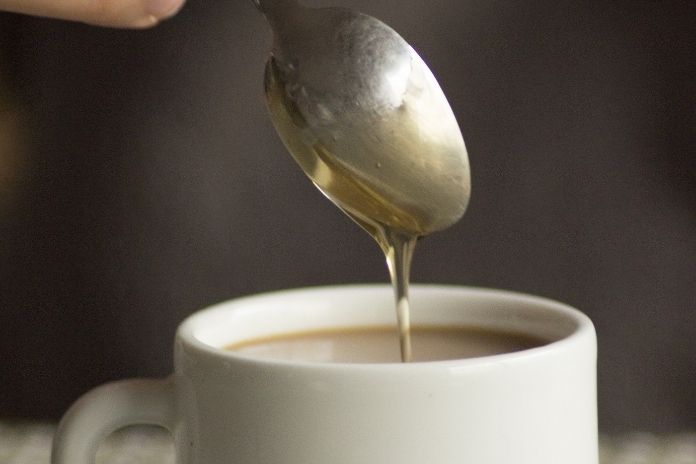
How people react to the consumption of a sugar-free syrup is highly personal. If you are monitoring your blood sugar or have diabetes, the syrup made from a combination that includes either stevia or monk fruit is by far the most reliable choice.
While artificial sweeteners are technically sugar-free, they are known to affect the way the human body secretes insulin.
Digestive comfort is also an important concern. Sugar alcohols are the major contributors to digestive discomfort, especially if you are also consuming caffeine. Apart from that, artificial sweeteners have been known to upset the digestive balance in certain individuals who are very sensitive to these sweeteners.
Likewise, caffeine increases the effect that sweeteners have on the body, leading to jitters, increased appetite, and so on. If you know that you have a sensitivity, like with aspartame, for example, then the best advice is always that more caution is better.
Flavor and Culinary Performance
Sugar-free syrups often struggle with flavor because sugar adds richness, smoothness, and balance that other sweeteners can’t fully replicate.
The classics like vanilla, hazelnut, and caramel remain fan favorites. Seasonal offerings such as pumpkin spice and peppermint help add to the flavor. Some syrups are better suited to iced coffee drinks than to hot brewed coffee, since cold temperatures can mellow certain unwanted flavors.
Alternatives to Syrup for Sweet Flavor
For those who wish to avoid syrups altogether, there are naturally sweet options that actually do sweeten the coffee effectively. A sprinkle of cinnamon, cocoa, or unsweetened nut milk has a sweet flavor without the sugar. Vanilla, cardamom, almond, etc., will sweeten the aroma without affecting blood sugar levels.
Cold brew provides an alternative. Spice or vanilla flavors can contribute a rich taste and a light sweetness without the use of a sweetener. Such an approach would support a clean label.
Read More: Do You Need to Poop After Coffee? Here’s What It Means
How to Use Sugar-Free Syrups Without Negating Health Goals
Even the best sugar-free coffee syrup should be consumed with caution. Pay attention to portion control, as regular use can impact the digestive system and create a craving for a sweeter taste. Using protein- or fiber-based foods with the coffee may help even out the appetite.
Another factor to consider is how often you plan to use it. Using sugar-free syrups occasionally may help prevent taste fatigue and maintain satisfaction, whereas relying on them heavily can reduce sensitivity and enjoyment over time.
Final Takeaway
It’s worth noting that sugar-free coffee syrups may be a useful tool to have for flavoring our coffee without any added sugars. Their nutritional value will depend upon what alternatives to sugar make their way into our beverages rather than the sugar itself. However, not all sugar-free syrups are created equal and will have differential effects based on their formulation.
By understanding different sugar substitutes used in syrups, reading nutrition labels carefully, and paying attention to individual tolerance, it becomes easier to choose products that align with both taste and health goals. When used effectively and in moderation, it is possible to have an effective and healthy coffee habit.
References
- American Heart Association. (2009). Dietary sugars intake and cardiovascular health: A scientific statement from the American Heart Association. Circulation, 120(1011–1020).
- de Cock, P. (2020). Sugar alcohols. In Kirk-Othmer Encyclopedia of Chemical Technology. Wiley.
- Silva, M. M., Reboredo, F. H., & Lidon, F. C. (2023). Sweetener food additives: A synoptical overview on their chemical properties, applications in food products and side effects. Emirates Journal of Food and Agriculture, 35(12), 1–16.
- American Heart Association. (n.d.). Sugar 101. American Heart Association. Retrieved October 2025.
- ResearchGate. (2020). Sugar Alcohols. Retrieved October 2025.
- Artemis Hospitals. (n.d.). Understanding artificial sweeteners. Retrieved October 2025.
In this Article