
















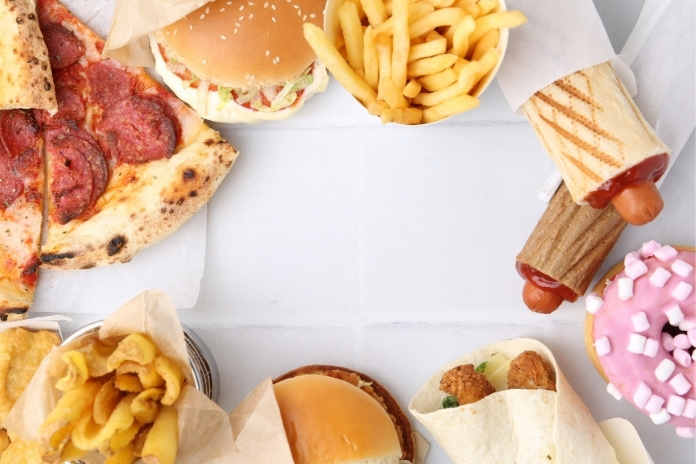
You watch your calories and exercise regularly. But even then, you can’t seem to shake off those last few pounds. Could the problem be your weekends? For people who do stay on track during the week, weekends can bring the temptation to “make up for lost time” with social gatherings, restaurant meals, movie nights, celebrations, and a small glass of wine or a cocktail now and then.
Realizing this, many people respond by cutting calories more aggressively during the week to “make up” for the weekend excesses. However, calorie cutting isn’t always as simple or as effective as it sounds to you. When done incorrectly, it can lead to excessive hunger, overeating, low energy, and even an unhealthy relationship with food.
That’s why understanding when calorie reduction works and when it backfires is essential. This article will explore how to cut calories practically and safely.
Read More: 7 Flavor-Packed Spices That Won’t Add Calories
What Does “Saving Calories for the Weekend” Actually Mean?
The philosophy of calorie banking is that the total calories consumed over a specific period, not just one day, determine how much weight you lose. The typical calorie-banking strategy is to eat less during the week so you can enjoy more caloric food on the weekends, rather than eating the same amount every day.
To “bank” calories for later, someone whose daily calorie goal is 2000 calories might eat less during the week.
They save 300 calories a day, or 1,500 calories overall, if they consume roughly 1,700 calories from Monday through Friday. The additional calories may then be distributed over the weekend, providing approximately 2,750 calories on Saturday and Sunday.
A systematic diet plan is not calorie banking. Instead, it’s a flexible strategy that some people employ to strike a balance between sociable dining on the weekends and structure throughout the week.
The Biology Behind Calorie Banking
Even if the bank doesn’t deal in calories like a new account each day, starting from zero at midnight, calorie banking is about the same energy balance concept.
When you eat less or skip a meal, the body compensates for the short-term calorie deficit by drawing on stored energy-primarily glycogen and fat. If the deficit is large enough, hunger may increase later as appetite-regulating hormones such as ghrelin and leptin adjust to signal energy needs and fullness.
Aggressive restriction can lead to cravings and overeating, while small, regulated deficits are typically well tolerated.
When Saving Calories for the Weekend Can Work
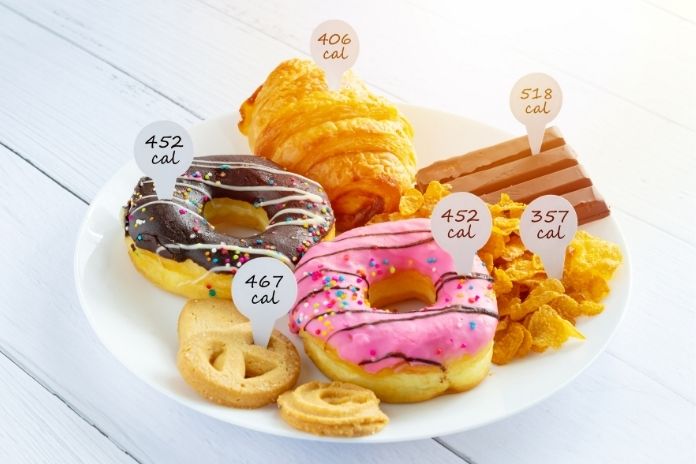
Although there is little scientific evidence to support the claim that eating fewer calories on weekends can lead to increased weight loss or greater health benefits, limiting one’s caloric intake on the weekends may allow for increased “flexibility” in food choices for some individuals.
This additional food flexibility could potentially be of benefit in several ways:
Reduce eating-related stress: During the week, when schedules are more predictable, many people find it easier to stick to a pattern. It could be simpler to manage family get-togethers, parties, and eating out on the weekends if you have more freedom.
Increased fulfillment: Flexible eating schedules with scheduled pauses may help lessen hunger and improve general satisfaction, according to research.
Easier to maintain weight loss: According to a 2019 study, those who maintained highly rigorous diets were more likely to eventually gain weight than those who were less stringent about eating on weekends.
Some people also use calorie banking to boost their metabolism or take a mental break from dieting. Nevertheless, there is no scientific evidence to support these advantages.
Read More: 11 Common Kitchen Mistakes That Could Be Secretly Causing High Cholesterol Levels
When Saving Calories Backfires
While eating a bit less during the week may be helpful occasionally, most people won’t be able to rely on it long-term. Here are some dangers to consider:
It could ruin your mood and energy levels: Restricting too many calories over the week can make you hungrier and negatively affect your mood and energy levels. On days you eat less, you could find yourself feeling irritable or tired.
May hinder weight loss efforts: Large calorie swings between weekdays and weekends may make weight loss more challenging, according to research. According to a 2018 study, those who consumed 500 additional calories on weekends lost less weight than those who maintained a more stable calorie intake or showed negligible variation between weekdays and weekends.
May encourage unhealthy eating patterns: Skipping meals over the week can also make overeating more likely. This tendency may cause some people to feel uncontrollably hungry or to overeat, making it more challenging to sustain appropriate eating habits over time.
The Weekend Effect: Why Overeating Is Common

One of the most common habits that can sabotage weight loss, increase blood sugar variability, and make you sluggish and tired is overeating on the weekends. During the week, most of us can hold the line, but when Saturday morning rolls around, all bets are off.
Saturday and Sunday meals tend to be less structured after a hectic week, and more food, especially carbs and sweets, usually ends up on our plates. Living like this can leave you feeling like you’ve been hit by a truck on Monday morning, even though it’s vital to relax and be more adaptable over the weekends.
You can protect your metabolic health and support your long-term well-being by understanding what causes weekend binge eating. Behavioral and physiological factors, not a lack of willpower or self-control, are usually to blame for overindulging or overeating on the weekends.
Thankfully, with a few tweaks to time, structure, and diet, you can minimize metabolic chaos and still enjoy all your favorite indulgences.
Does Saving Calories Affect Metabolism or Fat Gain?
Anyone who has attempted weight loss knows that it is a challenging endeavor. In an attempt to achieve results quickly, many people resort to rigid diets or intense exercise regimens, but they are often unaware of the long-term effects these practices can have on the body.
“Calories are energy that comes from the food and drinks we consume,” says Kenneth Uy, a health coach at Henry Ford Health. “When people are eating too few calories or exercising a lot while trying to lose weight, the body reverts into a state of metabolic adaptation,” adds Uy.
When our bodies are starved, they resort to metabolic adaptation as a survival defense. When hunter-gatherer societies had to store energy for hunting, our bodies evolved a defense. Your body returns to that mindset and stores the calories you need to survive when you don’t eat enough.
“Everyone’s body is different, but for most people, eating less than 1,200 calories a day could slow your metabolism enough to make it harder to lose weight,” says Uy.
Read More: MetCon vs. HIIT: Which Full-Body Format Burns More Calories?
Healthier Ways to Create Weekend Flexibility (Without Starving)
You don’t have to deprive yourself throughout the week to make time for weekend flexibility. Building tiny calorie buffers instead of making massive reductions is a more sustainable strategy.
1. Select What’s Worth It (and What Isn’t)
Just be deliberate; you don’t have to limit yourself to everything.
- “Do I really want this?” is a question to ask yourself.
- “Am I eating this because it’s there, or is it something I love?”
Don’t waste your weekend calories on pointless decisions that don’t make you happy; instead, choose the foods you genuinely appreciate.
2. Additionally, Don’t Limit
Try this instead of saying, “I can’t have that”:
- Include some fruit or vegetable with every meal
- Keep drinking water throughout the day
- Include a protein source
- Include more activity or steps in the morning
Building a balanced plate creates flexibility; it lets you enjoy foods and activities you like without feeling as though your fitness goals are being thrown off track.
3. One Meal Doesn’t Just Stop You from Making Progress
You only fall “off track” on the weekend if you completely give up. A single large meal, dessert, or additional drink does not determine your progress. The important thing is how you react afterwards.
- Return to your regular eating schedule
- Have some water
- Get your body moving
- Continue
Every time, consistency triumphs over perfection.
Alcohol, Weekend Calories, and Hidden Intake

Alcohol is one of the biggest reasons weekend calorie banking doesn’t always work so well. Unlike solid foods, liquid calories are easy to consume quickly, don’t promote the same sense of fullness, and are often overlooked when mentally accounting for what you’ve eaten during the day.
A couple of drinks can add hundreds of calories in stealth mode, wiping out a planned daily shortfall.
Alcohol has an impact on appetite regulation in addition to calories. It makes high-fat and high-sugar foods more alluring and difficult to reject by raising hunger hormones and lowering inhibitions. It explains why, even if you weren’t extremely hungry beforehand, late-night munching often follows a night out.
Saving Calories vs. Flexible Dieting: What’s the Difference?
While flexible dieting tracks the specific macronutrients (protein, carbs, and fat) to reach a target, saving calories focuses on a total day calorie goal and allows for more food variety by fitting “your macros” into a calorie budget, making it less mentally restrictive and often better for long-term adherence by incorporating fun foods.
Both approaches aim to create a calorie deficit for weight loss. However, while simple calorie reduction tends to focus on quantity alone, flexible dieting places greater emphasis on macronutrient balance to support specific body composition goals.
Read More: The NEAT Trick: How Everyday Movement Burns More Calories Than You Think
Who Should Avoid Saving Calories for the Weekend

For some people, maintaining a moderate daily deficit (around 300–500 kcal) while enjoying treats mindfully can work well. However, individuals who struggle with binge eating, have a history of disordered eating, or are aiming for significant weight loss may find that “saving calories” for the weekend often backfires, leading to overconsumption, stalled weekly progress, and increased feelings of guilt.
Rather than acute deprivation followed by binging, it is also preferable to maintain consistency and engage in mindful, balanced eating throughout the week and weekend.
What Nutrition Experts Generally Recommend Instead
Nutritionists recommend not counting calories but focusing on the food itself. Lots of whole or minimally processed foods, prioritizing fruits, vegetables, whole grains, and foods high in water and fiber, will fill you up while providing fewer calories. Reduced intake of fast, greasy, sugary processed foods, plus increased physical movement and food mindfulness.
Another common piece of advice is to plan for treats, rather than trying to “earn” them through restriction. Trying a favorite snack, dessert, or restaurant meal without compensating for it by skipping a meal break loses that element of guilt and pleasure. It helps you get familiar with the experience. Treats are less likely to feel like a loss of control when they are balanced and expected.
Conclusion
Yes, it can benefit you to save some calories for the weekend, but only if you’re doing so mindfully and appropriately. Severe restriction during the week usually triggers binging, cravings, and a sense of deprivation afterward, because our bodies aren’t wired to operate on a strict daily refresh cycle.
In fact, this strategy can backfire, a pattern that becomes easier to understand with some insight into the biology of energy balance, the weekend food environment, and the role alcohol plays.
References
- Northwestern Medicine. (2021, December). The skinny on cheat days.
- Triage Method. The Pros & Cons Of Weekly Calorie Goals
- Megan Othersen. (April 23, 2010). Weekend calories may wreck your diet.
- Prade, R. (2025, May 29). Why the 1200-Calorie diet backfires (and what to do instead).
- Sell, A. (2025, November 21). Weekend eating: How to enjoy life without losing momentum.
In this Article