
















From loaded baked sweet potatoes and creamy casseroles to quick snack bowls and filling meals, sweet potatoes topped with cheese have become a comfort food classic. People widely use this combination, and for good reason: it’s tasty, filling, and highly adaptable.
Beyond taste, many people question whether eating a rich, salty cheese with a naturally sweet, nutrient-dense carbohydrate is truly beneficial or a bad idea for regular consumption.
To give you the best of both worlds, we’ll discuss the actual advantages of eating cheese and sweet potatoes together, as well as any potential disadvantages.
Read More: Yam vs. Sweet Potato: What’s the Difference and Which Is Healthier?
Why Sweet Potatoes Are Considered a Healthy Carb
Sweet potatoes have several health advantages, much like other vegetables. They are very high in potassium, fiber, and vitamins A and C. Additionally, the antioxidants in sweet potatoes help protect your body from illness.
Despite their negative reputation for high sugar content, sweet potatoes have the same carbohydrate content per calorie as ordinary potatoes. Actually, at 4 g/100 kcal rather than 5 g/100 kcal, they are marginally lower.
Additionally, sweet potatoes have substantially higher levels of vitamin A than regular potatoes. According to the food and nutrition software, sweet potatoes have higher levels of calcium and magnesium (by weight). In contrast, the two types of potatoes have very similar levels of potassium and vitamin C.
What Cheese Adds to Sweet Potatoes—Nutritionally
Another recipe in this trend, which is pleasing and quite filling, is baked sweet potatoes with cheese. Melted cheese, either mozzarella or cheddar, is poured over a whole sweet potato baked through for an appetizing contrast of cheesy deliciousness.
Sweet potatoes, native to Central and South America, are a healthy food, very high in dietary fiber, vitamin A, potassium, and antioxidants. Cheese adds calcium and protein, but it also contributes sodium and saturated fat, which you should eat in moderation.
This appetizing snack, a side for grilled meats and salads, can also be served with fresh herbs like chives and is suitable for health-conscious diets by omitting toppings or using lower-fat cheese.
“The cheesy baked potato works nutritionally because it includes both protein and fiber,” said Lindsey Schoenfeld, RDN, a registered dietitian nutritionist and co-founder of To Taste. “These help [prevent] people from experiencing a crash in energy,” she adds.
Sweet Potato with Cheese: How the Combination Affects Blood Sugar

The GI ratings of sweet potatoes and regular potatoes differ. On the GI scale, regular potatoes score higher than sweet potatoes, though this varies by variety and cooking method.
For those who want to keep their blood sugar level stable, sweet potatoes might be a better option than regular potatoes because they tend to have lower GI scores.
There are two types of cheese proteins: whey proteins and caseins. When you use whey protein alone, it can increase insulin secretion and prevent blood glucose levels from rising.
However, cheese can affect your blood pressure, cholesterol, and the risk of related illnesses due to its high saturated fat content. Excessive consumption of saturated fats can also impair insulin sensitivity, raising the risk of diabetes.
Read More: The Sweetest Superfood: 19 Sweet Potato Benefits, Tips & Quick Recipes
Potential Benefits of Eating Sweet Potato With Cheese
A delicious balance of crucial vitamins like A and C, and minerals such as potassium and calcium for immunity and bone health, sweetness to stabilize blood sugar, and lasting energy and fullness from fiber (sweet potato) and protein/fat (cheese).
Sustained Energy: The cheesiness from the combination of protein and fat slows digestion, preventing energy crashes and keeping you fuller longer. In contrast, the fiber from sweet potatoes slows the absorption of carbohydrates.
Bone Health: Cheese adds potassium to sweet potatoes, which plays an essential role in nerve and muscle function, and calcium for our bones.
Immune and Eye Health: Cheese contains vitamin B12, while sweet potato is loaded with beta-carotene (vitamin A), which usually supports our immune system and eyesight.
Downsides of Sweet Potato With Cheese (That People Don’t Talk About)
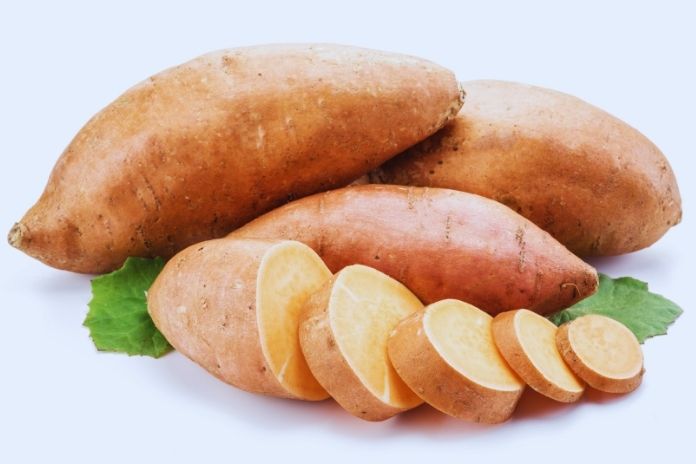
Sweet potatoes and cheese are generally a healthy combo when consumed in moderation. Still, people often experience drawbacks when they consume too much saturated fat and sodium, and when they don’t control portion sizes, their blood sugar may rise.
Sodium and Saturated Fat: Cheese can be high in sodium and saturated fat, especially when consumed in excess. Overindulgence in these can eventually lead to health problems.
Portion Size: Although both the fiber in sweet potatoes and the protein in cheese have nutritional advantages, eating too much of either can result in a high-calorie meal that may overpower other vital nutrients in a balanced diet.
Best Types of Cheese to Pair With Sweet Potatoes
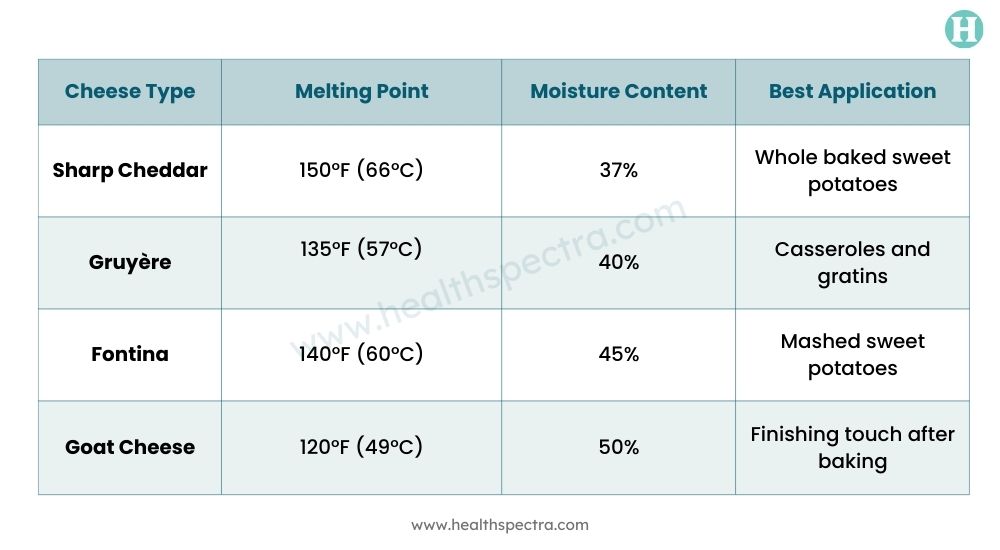
So let’s consider food science to understand why cheese works with sweet potatoes. Cheese proteins melt at 130 to 150°F (54 to 66°C), and the natural sugars in sweet potatoes caramelize at about 320°F (160°C).
The perfect pairing offsets the reactions. While aged cheeses like Parmesan enhance flavor but don’t provide the desired creamy texture, higher-moisture cheeses like mozzarella melt too quickly and become rubbery.
To improve cheesy sweet potato recipes, cooks use the Maillard reaction, which is a chemical reaction between amino acids and reducing sugars. If you add the cheese too soon, the proteins seize up before the sweet potatoes can caramelize properly.
The best course of action? Bake the sweet potatoes at around 400°F for 45 minutes until they’re fork-tender, then add the cheese for the final stage of baking.
 Read More: 10 Simple Ways to Make Mashed Potatoes Healthier (Without Losing the Creamy Comfort)
Who Benefits Most From Sweet Potato With Cheese

Sweet potatoes and cheese: vegetarians (complete protein), athletes (muscle repair), and those watching blood sugar and weight (sustained energy or fullness). It helps stabilize blood sugar levels and keeps you full by providing complex carbohydrates, fiber, and protein.
Athletes: After exercise, the carb-to-protein ratio promotes muscle protein synthesis and glycogen replenishment.
People Controlling Their Weight: Eating a lot of fiber and protein makes you feel fuller, which lowers your total caloric consumption.
Vegetarians: Cottage cheese provides essential amino acids that are often missing from plant-based diets.
Who Should Be Cautious With This Combo
Due to high potassium content, sweet potatoes may cause issues when combined with drugs like beta-blockers that raise potassium levels.
Sweet potatoes should be avoided by those with kidney issues, as a kidney that isn’t working properly can’t eliminate potassium from the body, which can lead to dangerously high potassium levels. The high oxalate content of sweet potatoes may increase the risk of calcium oxalate kidney stones.
Cheese, on the other hand, has a high sodium content, which can worsen high blood pressure and kidney problems.
How to Make Sweet Potato With Cheese Healthier
A few simple changes can make sweet potatoes and cheese healthier if you don’t want to give them up: start with portion control.
A reasonable dinner or side would be one medium sweet potato plus a small amount, about 1-2 teaspoons, of shredded cheese. Add some veggies, such as spinach, broccoli, peppers, or onions, to increase the nutrition and fiber content, or top the plate with a protein like beans, chicken, or tofu.
Instead of deep-frying, embrace cooking methods such as baking, steaming, or air-frying that preserve nutrients. Using these methods will keep calories lower while maintaining flavor.
Read More: Are Potato Skins Healthier Than the Potato Flesh? What the Research Really Shows
Sweet Potato With Cheese vs Other Toppings

Other toppings can change a sweet potato’s nutritional profile, though. Though butter and cheese both have added calories and also saturated fat, amounts matter, and cheese tends to deliver more protein and calcium than butter, making it a more balanced cold-weather topping than your everyday orange cheese.
Greek yogurt is the best bet for delivering protein while dishing up less fat. It can give your sweet potatoes a creamy, tangy flavor and is often preferable for those trying to boost their protein without significantly boosting any calories.
Plant-based toppings such as hummus and avocado add fiber and heart-healthy lipids, which can further balance blood sugar and promote digestive health. For those on a vegetarian or dairy-free diet, these choices are perfect.
Conclusion
While sweet potatoes and cheese may seem like nothing more than straight-up comfort food, this combination runs deeper than buttery-orange mash and melty bliss. Upon closer inspection, it’s actually a story of balance: satisfying protein and fat meet slow-burning carbohydrates.
For many, this translates to more consistent energy, improved fullness, and a meal that keeps you going rather than making you reach for any snacks just an hour later.
The details are where the magic lies, of course. Choosing carefully is vital because portions, toppings, and the preparation method can turn this dish from nourishing to very heavy.
References
- Lose It!. 5 Reasons to eat sweet potatoes for weight loss and health.
- MenuSano Team. (2021, December 13). Are sweet potatoes healthy?
- SnapCalorie. Baked sweet potato with cheese.
- MSN. What happens to your body when you eat a sweet potato with cheese.
- Antonio Rodriguez. (26 December, 2025). Cheesy sweet potato: Guide to pairing sweet potatoes with cheese.
In this Article