














If you’re a fitness enthusiast, consider the effects of your dietary choices beyond what you eat. Many people, however, seek quick fixes for immediate results, which do not provide lasting change. In reality, sustainable nutrition is about a well-rounded, scientifically sound program that supports your fitness pursuits in the long term and never restricts or promotes fad diets.
Sustainable nutrition means choosing foods that are not only healthy but are also produced in an eco-friendly and socially responsible manner.
This article outlines how scientific nutrition approaches can influence your training, nutrition, and recovery. We will look at practical techniques that help you maintain a good, healthy weight, support muscle growth, and boost energy levels, rather than just focusing on restriction.
Read More: Quinoa vs. Couscous: Nutrition, Health Benefits, and Which One’s Better for You?
The Foundation – Understanding Your Nutritional Needs
There is no one-size-fits-all approach to fitness nutrition. Your body is different; what “eating right” means to you depends on your metabolism, degree of exercise, and fitness objectives. Hence, your unique nutritional needs are the basis for successful long-term health. Upon realizing what your body really needs, the task is to turn this knowledge into simple, healthy, but easy nutrition habits.
Eating well need not be complicated. You can have a nutritious diet that nourishes your body and promotes long-term health by following a few simple guidelines. The following simple ideas define our nutrition philosophy:
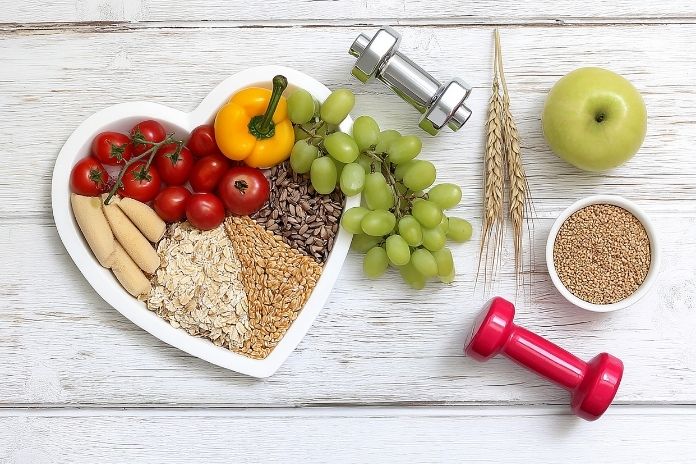
Eat a Rainbow: Make sure to include a variety of fruits and vegetables in your meals. A rainbow plate accommodates a variety of foods because each color indicates different nutrients.
Use Whole Grains: Instead of refined grains such as white bread or rice, choose whole-grain options like brown rice, quinoa, and whole-wheat bread. These support your digestive system (thanks to their high fiber content) and prolong satiety.
Put Protein First: Eat lean sources of protein, such as cod, fish, fowl, beans, and eggs. Protein is a very essential part of a healthy diet for men and women. Your body requires it for muscle repair and vital processes.
Limit Salt and Added Sugars: Check labels and avoid foods with too much salt or added sugar. Too much intake leads to permanent health problems, like diabetes and hypertension.
Stay Hydrated: Water is essential for all bodily functions, so proper hydration is vital to maintain overall health.
“I would never resolve to cut out an entire food group,” says Meredith Sorenson, MS, RD, LD, a registered dietitian at Memorial Hermann Rockets Sports Medicine Institute in Houston, TX. “Each food group serves a specific purpose and possesses a unique profile of nutrients that contribute to a healthy diet.”.
Nutrient Timing Without the Obsession

Nutrient timing can seem complicated, as if you need to eat right before or right after a workout to feel the effects. In reality, meal timing matters far less than what you eat over the course of the day. Although timing might improve recovery and performance, it shouldn’t become a fixation.
Nutrient timing is the practice of consuming macronutrients at specific periods, such as before, during, or after exercise. The idea introduces new rules of protein timing, emphasizing the ‘anabolic window’ after exercise when muscles respond most effectively to protein. It also becomes relevant when planning how to eat before a major endurance event.
A balanced snack that includes carbohydrates for immediate energy and a small amount of protein for muscle support should be eaten 30 to 180 minutes before exercise.
Your objective is to recover from a workout by replenishing your glycogen stores and healing your muscles. To hasten healing and lessen muscular discomfort, consume a combination of carbohydrates and protein (15–30g) within 0–2 hours after working out.
Although these suggestions are an excellent place to start, there are no hard-and-fast nutrition guidelines that meet everyone’s needs. Therefore, it is crucial to pay close attention to how you feel during exercise and how your food affects your performance.
To find the optimal combination of exercise and nutrition, try changing your routines and adjusting their timing.
Read More: The Magic of Red Rice: Why Nutritionists Recommend It for Fat Loss and Metabolic Health
Overcoming Real-World Nutrition Challenges
Daily life can derail good nutrition, but active individuals can overcome these common challenges with the right methods.
Lack of time: Use quick, nutrient-dense options like smoothies, Greek yogurt bowls, or precooked grains, and prepare ingredients in bulk on the weekends. Keep in mind that simplicity is preferable to complication.
Late Night Snacking: At least one late-night snack is consumed by more than three-quarters of adults each week. Additionally, these snacks are typically convenience foods that are high in energy. Snacking late during the night can cause weight gain.
You might feel hungrier at night if you don’t get enough fat and protein in your meals throughout the day. Your food will have time to digest before you fall asleep if you eat your last meal at least two to three hours earlier. A ten-minute stroll can also aid with digestion and keep your blood sugar from rising too high.
Stress Eating: Food fulfills roles that extend beyond sustenance; it offers emotional satisfaction and supports social connection. If anxiety leads you to eat, try to explore the root cause behind that behavior.
Use a distraction to help relieve your anxiety, such as going for a walk, exercising, meditating, or calling a friend.
When traveling or dealing with erratic schedules, bring ready-to-eat snacks such as fruits, protein bars, and nuts. Look for well-balanced meals with vegetables, lean proteins, and carbohydrates on the go. Flexibility is imperative.
Progressive Nutrition Strategies

Along with your skills, your diet must also improve as you advance in your training. As your fitness improves, your body’s needs for calories, recovery, and nutrients change too. What works for you in the beginning may not remain effective over time.
- As a standard practice, beginners should first be encouraged to build consistent habits by ensuring that meals are balanced using the plate method, drinking plenty of water, and recognizing the importance of protein in the diet
- During the intermediate stage, you can refine your diet by adjusting the proportions of different food groups based on your recovery and performance needs.
- At the advanced stage of lifting, accuracy is more important. It will mean adjusting macronutrient percentages, timing food intake around hard training, and using supplements as needed.
Food Quality for Sustainable Performance
Healthy fats are essential for your brain function, hormone production, and your overall health. Examples of healthy fats include avocados, nuts (walnuts, almonds), seeds (chia seeds, flaxseed), and oils (olive oil, coconut oil), which are a very sustainable source of healthy fats that require less energy to produce than animal-derived fats.
Incorporating these fats into your diet can help to promote your cellular health, regulate your energy levels, and keep you feeling full. Be sure to purchase organic, fair-trade food products to make your food choices as healthy and sustainable as possible.
Read More: 8 Best Meal Prep Containers for Balanced Nutrition
Hydration Strategies for Optimal Performance

Every cell in your body needs water. It distributes nutrients to support your energy and health, helps maintain your body temperature, and lubricates your joints. Your performance may suffer from muscle fatigue, lightheadedness, and impaired coordination due to dehydration.
Drink Water Often: Don’t wait until you are thirsty. You may be dehydrated before you feel thirsty. Drink eight glasses of water or more each day if you live in a hot climate or are an active person.
Watch your Urine: Dark yellow urine may indicate you need more fluids. Light yellow or clear urine usually indicates adequate hydration.
Pre-Hydrate: Drink water before, during, and after your training activities. Sports beverages that restore electrolytes are a good option for prolonged or intense workouts.
Eat Foods High in Water Content: Oranges, strawberries, and cucumbers are high in water and may help address your hydration needs.
Just like your automobile needs the right fuel to run correctly, your body needs the best nutrients to function at its optimum level! A properly balanced diet promotes general health, supports recovery, and provides energy for exercise.
“Your body is 60% water, and you lose some of that during exercise, from perspiring and breathing moisture out,” says Sarah Eby, MD, PhD, a sports medicine specialist with Mass General Brigham and Spaulding Rehabilitation.
“When you don’t have enough water in your system, it essentially thickens the blood and affects the blood’s oxygen-carrying capacity,” explains Dr. Eby. “
Conclusion
The focus of sustainable fitness nutrition is on developing habits rather than solutions. Knowing what your body needs nutritionally, prioritizing food quality over restriction, and demanding excellence and consistency over perfection are the three most important things to remember. These principles will help stabilize long-term health and performance. Developing habits rather than solutions is the basis of sustainable fitness nutrition.
Think of it this way: enhance one thing at a time, one meal, one workout, one day at a time, and work on improvement. In time, through perseverance and wise decisions and habits, your diet will change from a habit into a diversified lifestyle that will promote your future success.
Read More: 8 Health Benefits of Fonio and Its Nutritional Values
References
- https://www.lesmills.com/us/fit-planet/nutrition/diet-advice/
- https://www.crunch.com/thehub/sustainable-food-options-for-fitness-enthusiasts/
- https://pledgetofitness.com/beyond-quick-fixes-building-a-sustainable-fitness-and-nutrition-lifestyle/
- https://www.hollyroser.com/sustainable-fitness-going-green-with-your-routine/
- https://danmarinofoundation.org/healthy-eating-habits-simple-steps-for-a-better-life/
- https://rollingout.com/2025/04/25/nutrient-timing-vs-calories/
- https://drscottlear.com/2024/09/25/common-dietary-challenges-and-how-to-overcome-them/
- https://guidingstars.com/our-dietitian/three-common-nutrition-challengesand-how-to-overcome-them/
- https://drscottlear.com/2024/07/18/five-common-barriers-to-healthy-eating-and-how-to-overcome-them-2/
- https://www.health.harvard.edu/nutrition/why-is-eating-healthy-so-hard
- https://exrx.net/Nutrition/ProgressiveDiet
- https://www.bhf.org.uk/informationsupport/heart-matters-magazine/nutrition/small-changes-add-up
- https://www.niddk.nih.gov/health-information/diet-nutrition/changing-habits-better-health
- https://www.hdphysicaltherapy.com/hydration-and-nutrition-for-optimal-physical-performance/
- https://www.hprc-online.org/nutrition/performance-nutrition/basic-hydration-strategies
- https://www.gssiweb.org/en/sports-science-exchange/Article/fluid-intake-strategies-for-optimal-hydration-and-performance-planned-drinking-vs.-drinking-to-thirst
- https://www.hdphysicaltherapy.com/hydration-and-nutrition-for-optimal-physical-performance/
- https://www.hprc-online.org/nutrition/performance-nutrition/basic-hydration-strategies
- https://www.thehealthy.com/weight-loss/resolutions-you-should-quit-says-registered-dietitian/
- https://saotg.com/our-staff/meredith-sorenson/
- https://www.massgeneralbrigham.org/en/about/newsroom/articles/tips-for-staying-hydrated
- https://www.massgeneral.org/doctors/23054/sarah-eby
In this Article
