













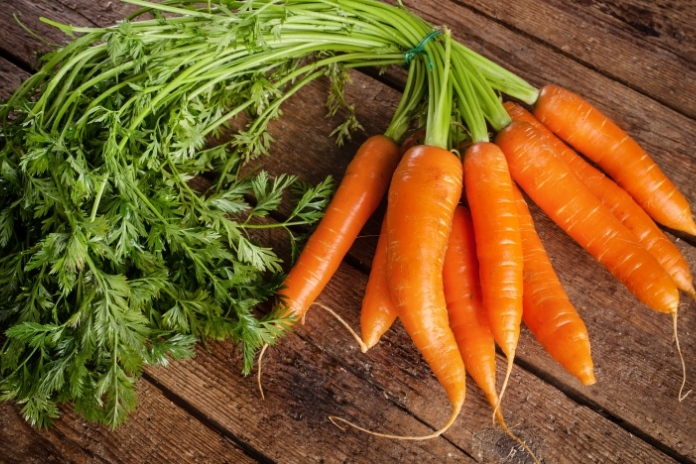
You’ve probably heard the line, “Eat your carrots if you want good eyesight.” It’s one of those phrases parents have repeated for generations. Surprisingly, it has its roots in truth. While carrots won’t give you night vision or magically improve your prescription, they do play a meaningful role in keeping your eyes strong and healthy.
In fact, the notion has often been linked to this idea, dating back to World War II, which linked fighter pilots’ good night vision to carrots. But the actual truth is more scientific than mythical.
Carrots are packed with compounds that directly feed your eyes, especially beta-carotene, lutein, and zeaxanthin. These nutrients will protect your retina and improve your visibility in low light, due to a link between vitamin A and night vision. They protect your eyes from long-term degenerative damage related to age and oxidative stress.
In this article, we’ll break down the ways eating carrots regularly can improve your eyesight, the nutrients responsible, what the research says, and practical tips for getting the most from this humble orange vegetable. We will also find an answer to the most asked question,” Do carrots improve eyesight?
Read More: How to Protect Your Vision from Screen Overload
Key Takeaways — What You’ll Learn
- The main nutrients in carrots promote eye health and visual function.
- How beta-carotene, lutein, and zeaxanthin contribute to night vision and age-related eye protection.
- What carrots can’t do, like reversing nearsightedness or replacing glasses.
- Smart, research-backed tips to maximize the carrots’ eyesight benefits in your daily diet.
Nutrients in Carrots That Benefit Eye Health

Carrots are filled with nutrients for the eyes. It is this unique mixture of carotenoids, vitamins, and antioxidants that together promote good eye health.
1. Beta-Carotene: A Precursor for Vitamin A
Beta-carotene is responsible for the bright orange color of carrots. It is also the building block of vitamin A, a nutrient essential for vision. Inside your body, beta-carotene is converted into vitamin A, which forms rhodopsin. Rhodopsin is a pigment in your retina that helps your eyes detect light. If you don’t get enough vitamin A, your eyes struggle in dim light, a condition called night blindness.
This is one of the clearest links between beta carotene carrots and vision: consistent intake prevents vitamin A deficiency, which could otherwise cause dryness, damage to the cornea, and in severe cases, loss of vision.
2. Lutein and Zeaxanthin: The Natural Eye Protector
Apart from vitamin A, carrots also contain lutein and zeaxanthin. Additionally, carotenoids that form in the macula, the part of your eye responsible for central vision. They work as natural filters to block out damaging blue light and protect sensitive eye tissues from oxidative stress. This way, carrots and eye health are interrelated.
Research indicates these nutrients can reduce the chances of two significant conditions that cause visual impairment among elderly people, AMD (age-related macular degeneration) and cataract.
3. Other Supporting Nutrients
Carrots also provide smaller amounts of vitamin C, fiber, and various phytonutrients that help with overall eye comfort and vascular health. Together, they nourish the cornea, maintain the quality of the tears, and support healthy circulation to the eyes.
Beta-carotene is fat-soluble. It means that your body absorbs it better when taken with healthy fats, such as olive oil, nuts, seeds, or avocado. Oiling roasted carrots or taking a fistful of nuts with raw carrots can make a significant difference.
Read More: Home Remedies for Healthy Eyes: 6 Tips to Support Vision Naturally
Evidence-Based Benefits of Eating Carrots for Your Eyesight

1. Supports Vision In Low Light & Prevents Vitamin A Deficiency
One of the first symptoms of vitamin A deficiency is poor night vision. Carrots prevent this by providing beta-carotene, a substance that your body converts into vitamin A. Vitamin A in sufficient quantity maintains the health of the retina and enables your eyes to adapt to any changes in light.
All the same, if you already get enough vitamin A, eating more carrots won’t suddenly sharpen your night vision; it simply helps maintain what’s already healthy.
2. Protects Against Age-Related Eye Conditions
With aging, oxidative stress and blue-light exposure can cause damage to the retinal cells, posing a higher risk for macular degeneration and cataracts. Lutein and zeaxanthin in carrots protect your eyes through their light-filtering effects against high-energy light and neutralize free radicals.
Several studies have indicated that higher carotenoids lead to a reduced risk of these age-related diseases, making carrots a smart food choice for lifelong protection of your vision.
3. Helps Maintain The Eye’s Surface & Tear Production
Vitamin A also supports the corneal surface, that transparent layer that focuses light. It helps the eyes produce mucins, which are essential components of healthy tears. People with low vitamin A often report symptoms related to dry eyes, such as irritation or grittiness.
Including carrots in your meals can help you maintain moisture and comfort, especially after several hours in front of the screen.
4. Antioxidant Protection for Eyes
Your eyes remain in contact with the two sources of oxidative stress: light and oxygen. Carotenoids in carrots, specifically beta-carotene, act as antioxidants and protect the lens and retina from UV and environmental damage. This can make a difference over time by preserving the natural aging of your eyes and overall visual clarity.
Dr. Peter Kertes, Chief of Ophthalmology at Sunnybrook, says, “While there’s no evidence that eating a pile of carrots will grant you 20/20 vision, carrots do contain beta-carotene, one class of carotenoids. Beta-carotene is a naturally occurring pigment that gives carrots their orange colour. Healthy eyes do need carotenoids along with other vitamins.”
What Carrots Can’t Do: Setting Realistic Expectations
While carrots are indeed a true friend to your eyes, you must set realistic expectations:
- They cannot correct refractive errors. Carrots will not correct nearsightedness, farsightedness, or astigmatism.
- They won’t give “night vision”. The myth of seeing in complete darkness emanated from wartime propaganda, not science.
They’re part of a bigger picture, in which nutrition plays a major role in prevention, but regular eye exams, UV protection, and overall health habits matter just as much.
Additional carrots make no difference to people with normal vitamin A levels. These also do not give you super-vision, but they do contribute to the long-term resilience of the eyes.
How to Add Carrots to Your Diet for Healthy Eyes
Consistency is key. You don’t have to eat a bag of carrots every day. Just make them a staple in your diet.
- Daily Intake:Daily consumption should be about a cup of raw or cooked carrots per day.
- Cook for Better Benefits:Cooking breaks down cell walls, releasing more beta-carotene. Lightly steam or roast them for maximum absorption.
- Add Healthy Fats: Combine carrots with olive oil, hummus, nut butter, or yogurt. Fat enhances the absorption of carotenoids.
Try these creative recipes:
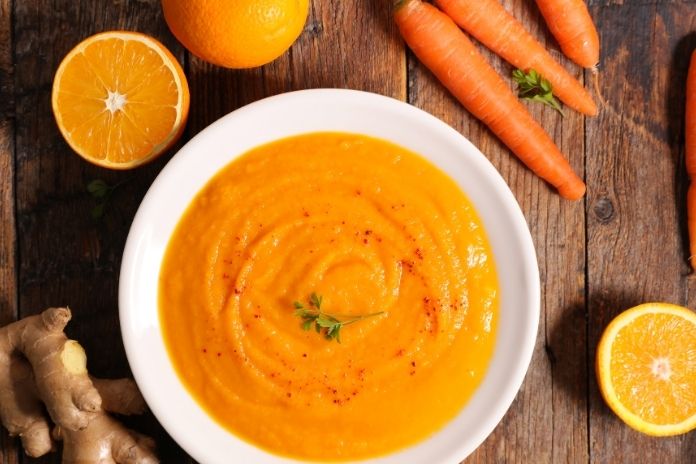
- Carrot-Ginger Soup: Take olive oil in a pan, and add diced carrots. Once soft,add in the chopped carrots, onion, and fresh ginger, then blend with vegetable broth, adding a touch of cream for a silky, warm soup. Serve with a drizzle of olive oil or some fresh herbs on top.
- Roasted Carrots with Olive Oil and Herbs: Toss carrot sticks in olive oil, salt, pepper, and mixed herbs; roast in the oven at 400°F (200°C) for 25-30 minutes until caramelized. Finish with sea salt or lemon zest for added flavor.
- Carrot-Orange-Yogurt Smoothie: Blend chopped carrots, orange pieces, and plain yogurt until smooth. Top with crushed nuts or seeds for extra crunch.
- Shredded Carrot Salad with Lemon and Sunflower Seeds: Grate fresh carrots and mix with lemon juice, olive oil, and a pinch of salt. Sprinkle sunflower seeds on top for a nutty finish.
Tip: Pick firm, bright carrots. Refrigerate to keep fresh, or blanch and freeze any extras to preserve nutrients.
Those Who Should Pay Extra Attention
Paying closer attention to the intake of vitamin A and carotenoids may be more beneficial for certain groups through foods such as carrots:
- People who have diets low in vitamin A or carotenoids.
- Those who consume a diet of very few colorful fruits and vegetables, or a diet rich in processed foods, may be deficient in these nutrients.
- People who follow a vegan or vegetarian diet rely on plant-based beta-carotene as their primary source of vitamin A.
- Individuals at risk of age-related macular degeneration and/or cataracts.
- Carotenoids, such as lutein and zeaxanthin in carrots, can support retinal health and help slow the oxidative damage that leads to these common age-related eye conditions.
- In case of dry-eyed people or those with inadequate tear production.
- Vitamin A can help maintain the surface of the eye by supporting natural tear production.
- People who have eye dryness or irritation may want to add carrots and more vegetables to their diet.
- For pregnant or breastfeeding women, vitamin A is essential.
- It is important for the proper development of the eyes of baby.
- Too much carrot may be toxic. It is safer to rely on food sources, like carrots, than on supplements, unless advised by the doctor.
- If you already have eye problems or certain health conditions:
- You may want to consult with an optometrist or ophthalmologist for specific advice on how you can safely meet your needs for vitamin A.
Read More: Natural Remedies for a Better Vision
Quick Summary
They are not a mere childhood tale, as carrots happen to be among the foods that are particularly good for maintaining healthy eyesight. Their beta-carotene, lutein, and zeaxanthin strengthen night vision, protect against oxidative stress, and reduce the risk of age-related damage.
You must remember that nutrient absorption is best with cooked carrots paired with healthy fats. Regularly consuming carrots helps keep your eyes comfortable, clear, and well-protected. However, it does not replace corrective lenses or professional care.
While carrots won’t give you X-ray vision, they are a simple, palatable means of protecting your eyes naturally. Added to a medley of colorful vegetables, regular checkups, and a healthy lifestyle, carrots will help you keep your vision clear from childhood well into your golden years.
References
- Fiedor, J., & Burda, K. (2014). Potential role of carotenoids as antioxidants in human health and disease. Nutrients, 6(2), 466–488.
- WebMD. (2024, January 25). Carrots: Nutrition, benefits, risks, & preparation. WebMD.
- WebMD. (n.d.). Health benefits of beta-carotene. WebMD.
- Continental Hospitals. (n.d.). Can eating carrots prevent vision loss over time? Continental Hospitals.
- University of Utah Health. (2025, April). Carrots & eye health: Myth or fact? University of Utah Health.
- Donofrio, J. (n.d.) Carrot ginger soup recipe. Love and Lemons.
In this Article