













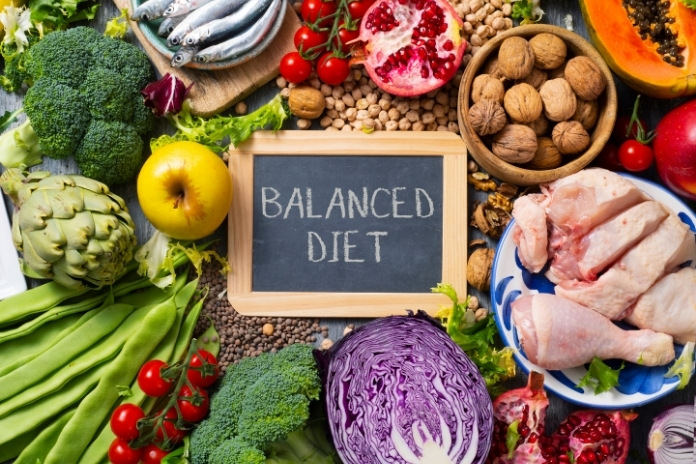
Have you ever stopped to think about what a truly balanced diet means? The ideal combination of all the ingredients on the plate to keep your body functioning throughout the day has nothing to do with eating more vegetables and less sweets.
A balanced diet is essential to good health because it provides the body with the right balance of vital nutrients—carbohydrates, protein, healthy fats, vitamins, and minerals.
Enhancing your overall health through a balanced diet can be a very powerful tool that improves your well-being. It helps with good weight management, builds up your immune system, helps promote physical and mental health over the long term, and has the benefit of sustaining energy throughout the day.
A diet featuring all the necessary food combinations to maximize performance is crucial for living a whole and healthy life. Would you like to learn more and start a balanced eating plan? Let’s go!
Read More: The Sunlight Diet: Can Eating Seasonally Improve Your Health?
Benefits of Following a Balanced Diet
- Weight Management: Eating a good, balanced diet can help you lose weight and/or prevent excessive weight gain.
- Prevention of Nutrient Deficiencies: A Balanced diet ensures you receive all those essential vitamins and minerals your body requires to function effectively.
- Improved Sleep Quality: Eating a nutrient-dense diet can help induce a better sleep pattern and help you relax and recover.
- Improved Complexion: A balanced diet helps achieve and maintain healthy, glowing skin.
- Prevention of Premature Aging: Many foods possess antioxidant properties that help counteract the process of aging.
How Important a Balanced Diet Is

Balanced diets offer numerous benefits that support the body’s normal functioning and are crucial for maintaining overall health and well-being.
Supports Optimal Brain Function: For proper brain health, vitamins, antioxidants, and omega-3 fatty acids are essential, as they support cognitive skills such as learning, recall, and concentration. A balanced diet helps ensure that we provide our brains with the proper nutrition and the capacity to function correctly.
Supports Growth and Development: Balanced diets help ensure healthy physical, emotional, and cognitive development, notably in children and adolescents. They provide the nutrients we need to function the body properly during these critical periods of growth and maturation.
Provides Sustained Energy: Throughout the day, consuming a combination of nourishing and high-nutrient foods provides a steady source of energy to maintain high levels of activity. When the amount of energy we consume (proteins, lipids, and carbohydrates) is balanced, we have an uninterrupted supply of energy (for example, to drive or complete our daily tasks).
Lowers the Risk of Chronic Disease: Chronic diseases, as a result of dietary habits, can include obesity, heart disease, diabetes, and hypertension. By maintaining a healthy weight and consuming the necessary nutrients in your diet, you can also significantly reduce risk of many of these diseases.
Boosts Digestion: Eating enough fiber, staying hydrated, and having healthy fats in the diet also support digestion and gut health. Adequate fiber intake supports effective digestion, which can help reduce bloating, constipation, and associated digestive issues.
Supports Bone Health: To maintain healthy bones and to limit the occurrence of bone illnesses like osteoporosis, calcium, vitamin D, and magnesium are all essential for bone health. As part of a balanced diet, proper nutrients contribute to optimal bone health throughout life.
Helps Maintain a Healthy Weight: Eating balanced meals helps manage the number of calories you consume, allowing you to maintain a healthy weight. Balanced diets encourage healthy body composition (and discourage overeating) regardless of the goal: weight loss or weight maintenance.
A balanced diet is essential and diverse for all of these reasons and more. A balanced diet affects almost every bodily process and function important to maintaining your health and well-being: heart health, mental health, immunological function, and brain health.
Read More: Meal Planning Hacks for Busy Families: Save Time, Eat Healthier!
What Does a Balanced Diet Plan Look Like?
Creating a diet chart is similar to planning a treasure hunt to find the prize of good health.
Step 1: Calculate How Many Calories You Need
Determine your daily caloric requirements first. Your age, gender, and degree of exercise will determine this. Knowing your Basal Metabolic Rate (BMR) is particularly helpful in this context.
Step 2: Separate the macronutrients
It’s time to divide those calories evenly across fats, proteins, and carbohydrates. Although there isn’t a single, universally applicable approach, there are specific suggestions that can assist you in developing a strategy that works for your body and way of life.
Step 3: Incorporate Different Food Groups
A plate with color is a healthy plate. A well-rounded diet comes from mixing up your food choices. Fruits and vegetables provide vitamins, and their flavors add appeal to meals. You get energy from grains like rice or chapati. Tissues are rebuilt and repaired by proteins, whether they come from meat or lentils.
Creating a Well-Balanced Diet
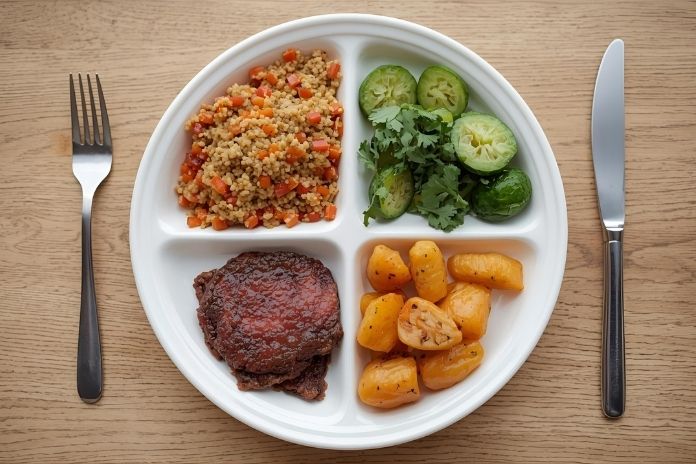
There’s no reason that building a balanced plate should be daunting! As long as you focus on dense, nutrient-rich meals, variety, and portion size, you are energizing your body for health and vitality.
We have curated some suggestions to help you prepare a nourishing meal that promotes health and wellness over time.
Make up half of your plate with fruits and veggies
Aim for color and diversity, and keep in mind that due to their detrimental effects on blood sugar, potatoes are not considered vegetables on the Healthy Eating Plate.
Fill one-quarter of the plate with whole grains
Unlike refined options like white bread or white rice, unprocessed grains—such as brown rice, quinoa, oats, barley, wheat berries, and whole-wheat pasta—affect blood sugar and insulin levels more gently.
¼ of your plate is protein power
Pair nuts, beans, chicken, and fish with veggies on a plate or add them to salads as nutritious, versatile protein options. Steer clear of any processed meats like bacon and sausage, and limit your intake of red meat.
Moderate use of healthy plant oils is advised
Avoid partly hydrogenated oils, which contain harmful trans fats, and go for healthier vegetable oils like peanut, sunflower, maize, canola, olive, and soy. Remember, a food labeled “low-fat” isn’t automatically healthy.
Drink tea, coffee, or water
Steer clear of sweetened beverages, limit yourself to one or two servings of milk or other dairy each day, and keep juice intake to just a small glass.
Read More: 23 Foods With Electrolytes You Must Include In Your Diet TODAY
Common Mistakes to Avoid in a Balanced Diet
Many people make mistakes that keep them from reaping the full advantages of eating a balanced diet, even when they mean well. You can keep on course by being mindful of these typical traps.
Aiming too High, too soon: It might be challenging to maintain the severe measures required to accomplish an abrupt weight reduction over the long run. A gradual, steady weight loss of one to two pounds each week is preferable for long-term success.
Meal Skipping: Although skipping meals, particularly breakfast, may seem like a quick fix for managing weight, it frequently backfires. A slower metabolism combined with stronger cravings later in the day often leads to eating more than necessary.
Overindulging in “Healthy” Foods: Nuts, smoothies, and whole grains are all good for you, but overeating them might result in an excess of calories. Even with nutrient-dense alternatives, portion management is essential.
Going too long without eating: You can be more prone to overeating later if you’re hungry. Because you won’t become too hungry, eating a decent breakfast every morning and healthy snacks in between meals may help you lose weight and keep it off.
Prohibiting Favorite Foods: Nobody likes feeling left out. You don’t have to fully give up your favorite comfort food if it has a lot of calories, fat, or added sugars. Eat less often and in smaller quantities. For the remainder of the day, counterbalance it with healthier options.
Read More: 19 Potent Benefits of Vitamin A For Overall Health, Skin, and Hair
Conclusion
A balanced diet chart is a great tool to support enjoying food and maintaining optimal health, not a “system”. When you ensure that your meals contain the appropriate daily levels of healthy fats, proteins, carbohydrates, vitamins, and minerals, you are fueling your body with the energy that it needs to operate at its optimum level.
It also aids in weight management, mental clarity, and the prevention of long-term illnesses, while improving energy and immunity when incorporated regularly.
Remember, eating well does not need to be complicated. Start with small, manageable changes. You are your best investment, and the choices you make today will impact how you feel and function in the future.
In addition to enhancing your energy during the day, maintaining a healthy meal plan will help you build and ensure a strong foundation for sustainability and longevity.
-
Feb 2017Written by Pradeepa Polineni
-
Sep 2025Edited by Ankita
References
- https://www.nhsinform.scot/healthy-living/food-and-nutrition/eating-well/eatwell-guide-how-to-eat-a-healthy-balanced-diet/
- https://www.mountsinai.org/files/MSHealth/Assets/HS/MonthlyMealPlan_Brochure_Rev24.pdf
- https://www.chp.gov.hk/en/static/90017.html
- https://nutritionsource.hsph.harvard.edu/healthy-eating-plate/
- https://www.apollohospitals.com/health-library/balanced-diet
- https://healthinfo.coxhealth.com/Library/TestsProcedures/Urology/88,p11227
- https://www.ummhealth.org/health-library/5-common-diet-mistakes-to-avoid
In this Article