













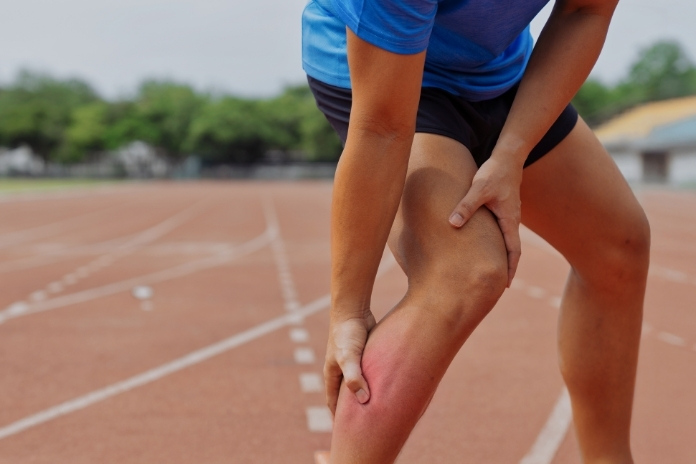
Have you ever experienced an unexpected cramp in your calf or foot while working out or on a sweltering summer day? You’re often frozen in mid-step by that sudden, intense, and tightening ache.
You become dehydrated when you lose so much bodily fluid that your body cannot operate normally. It happens when your fluid intake is less than your fluid loss. On a particularly hot day, dehydration can occur if you perspire excessively or if you have a fever, diarrhea, or vomiting. Additionally, it may happen if you don’t drink enough water or if you’re taking a medication that causes your urine to flow more frequently.
“Muscle cramps are a fairly common condition,” says Dr. William Ondo, a neurologist at Houston Methodist who specializes in movement disorders. “They can happen in any part of the body, but they’re most common in the legs and feet.”
In this article, we’ll discuss the causes, warning signs, and simple but very effective ways to find relief.
Read More: 12 Home Remedies to Treat Leg Cramps
What Are Dehydration Cramps?
Muscle cramps affect up to 95% of people. These painful and uncomfortable cramps can happen at any time, even when you are simply relaxing on your couch.
Water makes up as much as 78% of your body. Both your heart and brain are composed of approximately 73% water. Your bones have 31% water, muscles and kidneys are 79% water, and your skin is 64% water. In fact, your lungs are a whopping 83% water.
Water is good for you:
- Aids digestion and also removes waste.
- Your joints are working; they get lubricated by water.
- Produces saliva that you need to swallow.
- Distributes oxygen throughout your body.
- Protects your bones.
- Regulates your body temperature.
Muscle cramps brought on by dehydration are more common than you might think and aren’t exclusive to sports. These involuntary contractions can occur in anyone, regardless of whether they exercise frequently, sit for extended periods, or don’t drink enough water. The initial facet of prevention is determining what causes them.
In this context, most people are unaware of their dehydration until it is too late. They will not consciously connect it to their muscle spasm. The spasms, rather than regular cramps caused by overuse or muscle fatigue, occur when the body denies muscles the necessary contraction and relaxation due to a lack of balanced minerals and hydration.
If dehydration causes leg cramps that disrupt your workout, your water bottle could provide the solution. Dehydration cramps are typically painless yet uncomfortable.
Why Dehydration Causes Muscle Cramps
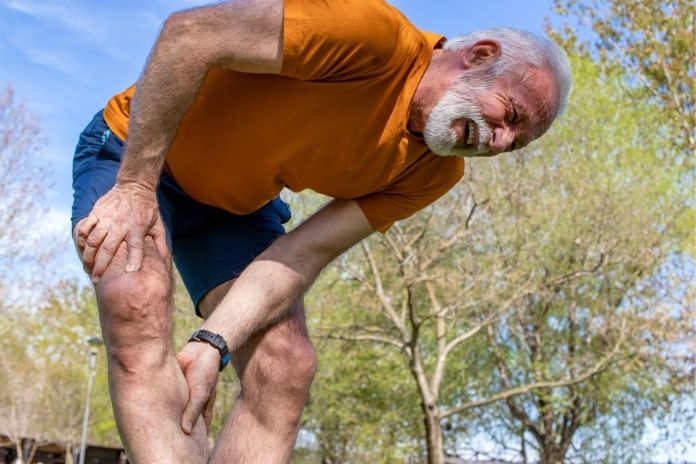
Muscle cramps mostly occur when exercising in hot temperatures, according to the American Academy of Orthopaedic Surgeons (AAOS). Sweating causes the body to lose electrolytes, salt, and fluids. Muscle cramps and spasms may result from the depletion of these chemicals.
If a person loses more water than they consume, dehydration may result from heavy perspiration, vigorous exertion, or exercise in hot conditions.
When your body loses more fluids and electrolytes (vital minerals like potassium) than it takes in, you’ve lost. you are said to be dehydrated. The severity of your symptoms depends on the amount of water Water is drawn from the less vital muscles (such as the lower legs) when you are dehydrated because the body uses the fluids and electrolytes it has for the vital organs (such as the heart and lungs).
Restoring lost water is insufficient on its own, according to studies. Restoring sodium, potassium, and magnesium levels helps prevent muscle cramping, while drinking water deficient in electrolytes can increase the likelihood of cramping.
Symptoms of Dehydration: Cramps
The body doesn’t always need water based on thirst. Many people, particularly elderly adults, often do not feel thirsty until dehydration has already begun. For this reason, it’s critical to drink more water when it’s hot outside or when you’re sick. The following are the most typical indicators to watch out for:
- Disorientation, delirium, and headache.
- Fatigue or weariness.
- Weakness, lightheadedness, and dizziness.
- Sharp, sudden discomfort in the muscles.
- Tight, hard knots in the muscles.
- A dry cough or dry mouth.
- Low blood pressure but a fast heartbeat.
- Appetite loss, but possibly a sugar addiction.
- Getting chills or being unable to tolerate heat.
- Dark urine (poop). The color of your urine should be clear and pale.
You must rest, drink plenty of water immediately, and seek medical help if dehydration cramps worsen or show signs of heat illness.
Read More: 17 Remedies For Dehydration For Immediate Relief
Quick Relief: How to Stop Dehydration Cramps Fast
Once you have a muscular spasm, you would like to find a way to relieve your pain quickly. The following techniques may help you to stop the muscle pain and relax your muscles:
- Stretching: It is essential to get relief as quickly as possible when cramps occur. You should stretch gently by very slowly lengthening the affected muscle and holding the position for a little while.
- Massage: Applying consistent pressure to the area, moving away from the tightest area, will help improve local blood flow.
- Heat or Cold: You may apply a cold pack to help reduce the local inflammation or a warm compress to help relieve the tightness of the affected muscle.
These methods may relieve your cramping quickly, but when there is an electrolyte imbalance and drinking in general is insufficient, there will be cramping again.
Prevention: How to Avoid Dehydration Cramps
The best way to prevent cramps due to dehydration is to establish good habits through your daily lifestyle. By focusing on healthy exercise, diet, and fluid intake, you can significantly reduce the chance of cramping. Here are some recommendations to prevent dehydration:
- According to U.S. National Academies of Science, Engineering, and Medicine, adequate daily fluid intake is approximately 11.5 cups (2.7 liters) for women and 15.5 cups (3.7 liters) for men.
- In addition to fluids, your muscles rely on electrolytes for proper functioning. Magnesium from foods like nuts, seeds, and green leafy vegetables helps maintain muscle relaxation. Foods such as bananas, oranges, and avocados contain potassium to help maintain fluid levels. Although you should try to reduce salt intake, a little sodium is needed, especially if you are sweating a lot.
- It is best to limit alcohol and caffeine, as it can dehydrate your body and also lead to more cramping.
- Regular stretching is crucial for preventing cramps, as it promotes flexibility in your muscles.
- Making minor adjustments to lifestyle can help alleviate cramping. If you are working out in a hot environment, try not to overexert yourself and listen to your body. Make accommodations to allow for more frequent breaks when working out in the heat. Also, it makes sense to wear lighter, breathable clothes so that your body can regulate its temperature and not sweat excessively.
By following the recommendations above in your daily life, you can expect to live a cramp-free life.
Hydration While Working Out: Essential Information
When it comes to hydration during exercise, it can improve performance and help prevent muscle cramps.
Helpful hints for hydration during exercise:
- Hydrate before exercise: To prepare your muscles for exercise, drink fluids before starting your planned workout.
- Sipping: During your planned workout, take small sips of fluid from the bottle next to you.
- Hydrate after exercise: To aid your recovery from exercise, replenish electrolytes immediately after exercise to help with recovery and prevent cramping.
Your body will be adequately hydrated, and it will perform at its highest level before, during, and after exercise, allowing your muscles to recover and build strength and endurance.
Read More: Signs Your Body Is Lacking Electrolytes (and What to Do)
When to See a Doctor

It’s crucial to see a physician if someone has muscle cramps that:
- Are serious
- Happen often
- Do not get better with home treatments like stretching
- Are not brought on by an apparent reason, like dehydration or intense activity
Although muscle cramps are usually not harmful, they could indicate an issue with:
- Circulation
- Diet
- Hormones
- Drugs
- Nerves and metabolism
Muscle cramping can occasionally indicate an underlying illness, including:
- Spinal nerve inflammation or compression
- Narrowing of the spinal
- Having a thyroid condition
- Having a long-lasting infection
- Stiffening of arteries
- Liver scarring
- (ALS) amyotrophic lateral sclerosis
If you have tried hydrating enough and replacing your electrolytes, and your cramps do not go away, you should also seek medical care. Persistent cramps may sometimes represent an underlying medical condition that requires special treatment, such as diabetes, kidney disease, or circulation issues.
You should also listen to your body; if cramps feel unusual, worsen, or come with other concerning signs, seek prompt medical care to stay safe.
“Muscle cramps and spasms often happen due to sudden changes in the body, such as dehydration, overuse, or a shift in position,” says Rio Dickens-Celestin, MD, an internal medicine physician at Scripps Clinic Carmel Valley. “These triggers can happen quickly, so the muscles react instantly.
Conclusion
Dehydration-induced cramps are a clear indication that your body is not retaining enough fluid and electrolytes. They can start as an abrupt, excruciating cramp in your foot, calf, or leg, especially after strenuous exertion or in extreme weather conditions. You should be able to control them really fast once you know how to relieve them. Generally, it is best to cool your body temperature, stretch the cramping muscle, and drink plenty of fluids.
As an ongoing preventive strategy, it is equally essential to prevent the condition from occurring in the first place. Monitoring your exposure to ambient temperature and staying hydrated (along with the right amount of electrolytes, or balanced fluid intake) is one of the better preventive options you have for staying cool. The behavioral practice of drinking enough to avoid feeling thirsty in the first place is more effective than a hydration plan in preventing cramps.
Read More: Why Your Hands Go Numb at Night — and How to Fix It
References
- https://www.medicalnewstoday.com/articles/dehydration-cramps
- https://my.clevelandclinic.org/health/diseases/9013-dehydration
- https://nortonhealthcare.com/news/dehydration-cramps/
- https://www.houstonmethodist.org/doctor/william-ondo/
- https://orthoinfo.aaos.org/en/diseases–conditions/muscle-cramps
- https://www.mayoclinic.org/diseases-conditions/dehydration/symptoms-causes/syc-20354086
- https://www.betterhealth.vic.gov.au/health/conditionsandtreatments/muscle-cramp
- https://wellnessandpain.com/when-to-see-a-doctor-for-leg-cramps-symptoms-and-prevention/
- https://www.scripps.org/news_items/6374-common-triggers-for-muscle-spasms-and-cramps
- https://www.scripps.org/physicians/18840-rio-dickens-celestin
In this Article