











White bread is everywhere. It’s the soft slices stacked in your morning toast, the base of your sandwich at lunch, and sometimes the quick fix for late-night hunger. For many households, it’s cheap, convenient, and so ingrained in daily meals that it almost feels invisible, just another “normal” part of eating.
But here’s the thing: foods that feel the most harmless often deserve the most attention. White bread isn’t just a blank canvas for butter or jam. It’s a highly processed product made by stripping grains of their fiber and nutrients, leaving behind mostly refined carbs. And those refined carbs don’t just fill your stomach, they directly affect how your body processes sugar, how steady your energy feels, and even how your long-term health unfolds.
The real question isn’t whether white bread is universally “bad” or “good.” It’s how your body responds to it, especially if it’s something you reach for every single day. By looking at the way white bread impacts blood sugar and energy balance, you can start to see why it might matter more than you think. And once you understand those effects, you’re in a much stronger position to decide whether that daily slice is helping you or quietly working against your goals.
Why White Bread Affects Blood Sugar So Quickly
White bread is made from refined flour, which means the bran and germ of the wheat kernel are stripped away during processing. This removes most of the natural fiber, vitamins, and minerals, leaving behind a product that is mostly starch. With the fiber gone, your body digests it rapidly, almost like eating straight sugar.
Here’s what happens step by step:
- Fast breakdown of starch – Without fiber to slow digestion, white bread is quickly converted into glucose.
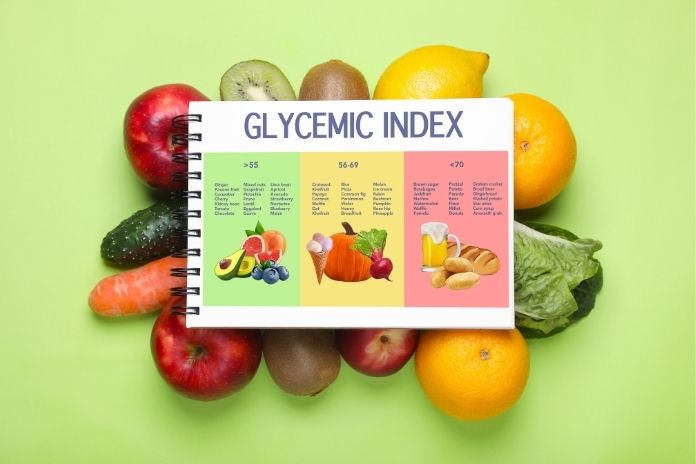
- High Glycemic Index (GI) – According to the Harvard School of Public Health, white bread has a GI above 70, placing it in the “high” category. For comparison, pure glucose is 100.
- Sharp blood sugar spike – That high GI means blood glucose rises steeply within minutes of eating.
- Insulin surge – Your pancreas responds by releasing a rush of insulin to move glucose into your cells.
- Sudden drop (“crash”) – The strong insulin response often overshoots, causing blood sugar to fall quickly.
This cycle explains why you may feel:
- A quick burst of energy.
- Followed by fatigue, brain fog, or irritability.
- Renewed hunger even soon after eating.
In other words, white bread acts like a fast fuel source with poor staying power. It delivers a quick lift but doesn’t provide the steady, balanced energy you’d get from foods rich in fiber and protein. Over time, repeating this spike-and-crash cycle can also put extra stress on your metabolism and raise the risk of insulin resistance and type 2 diabetes.
Read More: Important Tips To Maintain Normal Blood Sugar Level
Short-Term Effects of Eating White Bread Daily

Eating white bread every now and then isn’t going to derail your health. The problem shows up when it becomes a daily habit. Over time, your body starts to fall into predictable patterns, many of which you can actually feel within hours of a meal.
1. Blood Sugar Spikes and Crashes
A typical slice of white bread has about 15 grams of carbohydrates but almost no fiber to slow things down. When you eat it by itself, your blood sugar rises rapidly.
- A study found that frequent consumption of high-GI foods like white bread triggers sharper post-meal glucose swings compared to low-GI alternatives.
- Those swings aren’t just numbers on a chart; you feel them in real time.
The cycle usually looks like this:
- Quick energy boost, an initial “lift” right after eating.
- Drop in blood sugar, fatigue, or sluggishness an hour or two later.
- Cravings kick in, your body pushes you toward more carbs or sweets to restore balance.
- Brain fog and irritability are especially common in the mid-afternoon if bread-heavy meals are your go-to at breakfast or lunch.
2. Insulin Surges and Fat Storage
Every spike in blood sugar is followed by a surge of insulin, the hormone that moves glucose out of your bloodstream. At the same time, this is perfectly normal; repetition matters.
- Frequent insulin spikes from eating white bread daily push your body to store more calories as fat.
- Even if your total calorie intake isn’t high, these repeated signals can still tilt your metabolism toward fat storage rather than steady fuel burning.
This is one reason people who rely heavily on refined carbs often find weight management harder; it’s not always about overeating, but about how the body processes what’s eaten.
3. Reduced Satiety
White bread digests quickly, which means it doesn’t keep you satisfied for long. Compare that to whole grains, which release glucose gradually and bring along fiber, protein, and healthy fats that promote fullness.
In a 2023 study, researchers added whole-cell chickpea flour to bread and compared it with standard white wheat flour. One of the senior authors, Prof. Peter Ellis, said: “At a time that we are all being encouraged to increase our fibre intake, this study highlights the importance of the physical form of fibre, as intact cell walls, in slowing starch digestion, improving blood glucose levels, and simulating satiety hormones to help us feel full.”
- With white bread, hunger often returns sooner than expected.
- That leads to more snacking, more calories, and a constant feeling of “not quite satisfied.”
Over days and weeks, this lack of satiety can easily add up, making it tougher to keep eating habits in check.
In short, eating white bread daily sets you up for a repeat cycle of energy highs and lows, stronger hunger signals, and subtle weight-related challenges. These short-term effects may feel small meal by meal, but over weeks, they can shape your mood, appetite, and overall eating patterns in ways you can’t ignore.
Long-Term Impact on Blood Sugar and Health

The real issue with white bread isn’t just the quick energy crash after a meal; it’s what happens when those ups and downs become part of your everyday life. Eating refined carbs daily sets your metabolism on repeat: sharp rises in blood sugar, heavy insulin responses, and sudden drops.
Over months and years, this cycle puts stress on your body’s ability to manage glucose, influences how your heart and weight respond, and quietly raises the risk of chronic disease. In other words, the short-term “harmless” effects can compound into much bigger problems down the line.
1. Insulin Resistance
When blood sugar spikes happen too often, your cells begin to lose sensitivity to insulin. This condition, called insulin resistance, forces your pancreas to release more insulin just to keep glucose under control.
- Over time, this can progress to prediabetes or full-blown type 2 diabetes.
- The American Diabetes Association highlights diets high in refined grains and added sugars as a key driver of this risk.
2. Type 2 Diabetes Risk
The connection between refined carbs and diabetes isn’t just theoretical; it’s well studied.
- A Systematic Review (2013, European Journal of Epidemiology) found that higher whole-grain intake was strongly linked with a reduced risk of type 2 diabetes, while refined grains such as white bread showed no protective effect. The review pooled results from multiple cohort studies and concluded that substituting whole grains for refined grains is a key strategy in lowering diabetes risk.
- The reason is straightforward: refined carbs flood your system with glucose but provide little nutrition, steadily wearing down the body’s ability to regulate blood sugar effectively.
Read More: The Connection between Insulin Resistance and Type 2 Diabetes
3. Heart Health
Blood sugar and heart health are closely linked, and refined carbs hit both. Diets high in foods like white bread have been shown to:
- Raised triglycerides increase cardiovascular risk.
- Lower HDL cholesterol (“good” cholesterol), which normally protects against plaque buildup in arteries.
The Mayo Clinic stresses that blood sugar issues often overlap with metabolic syndrome, a cluster of risk factors (high blood pressure, high blood sugar, unhealthy cholesterol levels, and abdominal fat) that together raise the odds of heart disease and stroke.
Read More: How Insulin Resistance Impacts Your Heart Health
4. Weight Gain
White bread doesn’t just leave you hungry sooner; it changes how your body handles calories.
- Lack of fiber and protein means satiety is low, pushing you toward overeating.
- Frequent insulin surges promote fat storage, even if your calorie intake isn’t excessive.
- Over time, these small daily imbalances add up to gradual weight gain, especially around the abdomen, which is also tied to higher metabolic risk.
Bottom line: Eating white bread daily doesn’t just affect how you feel in the moment. It can set the stage for insulin resistance, diabetes, heart problems, and weight gain. The more refined carbs dominate your diet, the harder it becomes for your body to stay balanced and resilient.
White Bread vs. Whole Grain Options
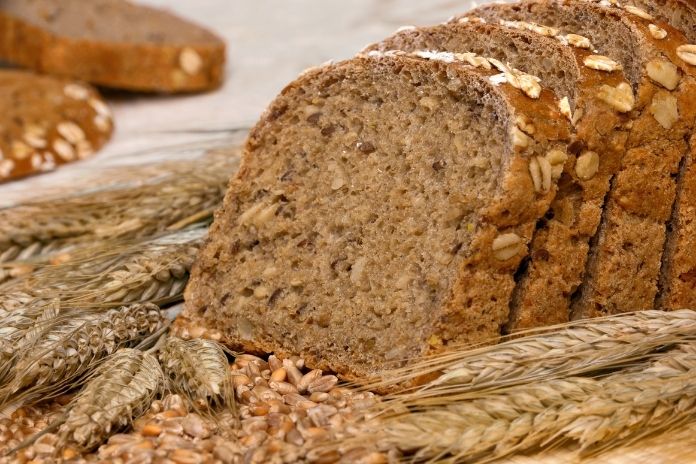
Not all breads are created equal, and the difference comes down to how the flour is processed. White bread and whole-grain bread may look similar on the shelf, but inside your body, they behave very differently.
Whole Grain Bread
Whole-grain bread uses the entire wheat kernel, the bran, the germ, and the endosperm, so you’re getting the full nutritional package.
- Rich in fiber: slows digestion and steadies blood sugar.
- Packed with micronutrients: B vitamins for energy metabolism, magnesium for blood sugar regulation, iron, and antioxidants.
- Lower glycemic index (GI 50–55): meaning a more gradual rise in blood glucose.
- Greater satiety: helps you stay full longer and reduces the urge to snack.
Example: A slice of 100% whole wheat bread may list a similar carb count to white bread on the label, but thanks to its fiber and nutrients, it raises blood sugar more slowly and keeps you fueled for hours instead of minutes.
White Bread
White bread, by contrast, is made from refined flour where the bran and germ have been stripped away.
- Fiber-stripped: digests rapidly and spikes blood sugar.
- High glycemic index (GI 70+): behaves almost like pure glucose.
- Minimal micronutrients: most natural vitamins and minerals are lost during refining, and only a few may be added back through “enrichment.”
- Poor satiety: leaves you hungry sooner and more prone to overeating.
Why It Matters
Switching from white bread to whole grain is more than just a nutrition tweak; it has measurable health payoffs.
- Whole grain consumption is also linked to a lower risk of heart disease, stroke, and obesity.
- Even small swaps, like choosing whole-grain bread at breakfast or in sandwiches, can improve blood sugar stability, support weight management, and protect long-term health.
In short, white bread gives you fast energy with long-term costs, while whole-grain bread provides slower, steadier fuel that supports metabolic health. Choosing whole grains more often is one of the simplest dietary shifts with the biggest long-term rewards.
How to Make White Bread Less Harmful (If You Love It)
Let’s be real, white bread is comforting. It’s soft, versatile, and for many people, part of family traditions or daily routines. Completely cutting it out isn’t always realistic. The good news is you don’t have to. Instead, you can use a few smart strategies to reduce its impact on blood sugar and overall health without feeling deprived.
1. Pair with Protein or Healthy Fats
One of the simplest ways to tame white bread’s blood sugar spike is to slow down digestion by combining it with protein or fat. This buffers the glucose release and keeps energy levels more stable.
- White toast topped with eggs and avocado.
- A sandwich with lean turkey, cheese, and vegetables instead of just spreads.
- Peanut butter on toast rather than plain jam or honey.
These pairings not only balance blood sugar but also improve satiety, making one slice feel like enough.
2. Opt for Sourdough
Sourdough bread isn’t automatically whole grain, but the fermentation process changes how your body responds to it.
- The natural fermentation produces organic acids that slow starch digestion, lowering the glycemic index compared to standard white bread.
- A study in the Nutrition Journal found that sourdough leads to a more moderate blood sugar rise than conventional white bread.
If you enjoy the tangy flavor, sourdough can be a slightly better choice while still giving you the texture you love.
Read More: Is Sourdough Bread Good for You?
3. Practice Portion Control
The difference between white bread being harmless and harmful often comes down to how much and how often.
- A single slice with a balanced meal isn’t the same as two or three slices forming the bulk of every breakfast and lunch.
- If you love it, treat it as an occasional comfort food or a small side, not the centerpiece of your daily carb intake.
This way, you still get the enjoyment without overloading your system.
4. Add Fiber on the Side
If white bread itself doesn’t bring fiber, you can add it back through the rest of your meal.
- Pair with a salad or raw veggies.
- Add beans, lentils, or chickpeas to your sandwich fillings.
- Serve bread alongside roasted vegetables or soups rich in legumes.
Fiber not only blunts the blood sugar spike but also makes the meal more filling, helping you avoid the quick return of hunger.
5. Be Selective About When You Eat It
Timing matters too. Eating white bread as part of a post-workout meal, when your body is primed to use glucose for recovery, is less problematic than snacking on it at night before bed.
Takeaway: You don’t have to ban white bread to protect your health. By pairing it smartly, choosing better versions like sourdough, keeping portions modest, and surrounding it with fiber-rich foods, you can soften its impact while still enjoying it in moderation.
Who Should Be Especially Careful
White bread isn’t the healthiest option for anyone if eaten in large amounts, but for some groups, the risks stack up much faster. These individuals are more vulnerable to the blood sugar swings, insulin surges, and fat-storage effects that come with daily consumption. If you fall into one of these categories, limiting white bread (or pairing it wisely) becomes even more important.
1. People with Prediabetes or Diabetes
- White bread’s high glycemic index means it raises blood sugar rapidly, exactly what those with impaired glucose control need to avoid.
- For people already struggling with prediabetes or type 2 diabetes, these spikes make it harder to keep glucose levels steady throughout the day.
- Over time, frequent surges can worsen complications like neuropathy, kidney strain, and cardiovascular issues.
2. People with PCOS (Polycystic Ovary Syndrome)
- Many women with PCOS have underlying insulin resistance, which makes refined carbs especially problematic.
- Eating white bread daily can intensify hormonal imbalances, worsen weight gain, and increase the risk of developing diabetes.
- Shifting to whole grains or pairing white bread with protein and fiber can help reduce these effects.
3. Those with Metabolic Syndrome or a Family History of Heart Disease
- Metabolic syndrome, marked by high blood sugar, high triglycerides, low HDL (“good” cholesterol), and belly fat, is closely tied to refined carb intake.
- For people with this condition, or those genetically predisposed to heart disease, white bread adds fuel to the fire.
- Regular spikes in glucose and insulin strain the cardiovascular system, increasing the risk of heart attack or stroke over time.
4. Sedentary Individuals
- Physical activity helps muscles use up glucose efficiently. Without it, the sugar from white bread is more likely to be converted into stored fat.
- People with low daily movement, desk jobs, and minimal exercise are at higher risk of weight gain, insulin resistance, and fatty liver disease when white bread is a staple food.
- Even modest exercise (like walking after meals) can help buffer some of these effects.
In short, while white bread isn’t the best choice for anyone, it’s especially risky for those with metabolic or hormonal conditions, a family history of heart disease, or a sedentary lifestyle. For these groups, replacing or reducing white bread isn’t just a nutrition tweak; it’s a protective step for long-term health.
Conclusion: Balance Over Elimination
White bread isn’t toxic, and enjoying it once in a while won’t undo your health. The problem begins when it quietly becomes a daily habit.
In the short term, that means sharp blood sugar spikes followed by energy crashes that leave you craving more. In the long run, it can push you toward insulin resistance, type 2 diabetes, heart disease, and unwanted weight gain.
The smarter move isn’t to fear bread, it’s to upgrade it. Whole grain or sourdough most of the time, white bread only occasionally, and always paired with protein, fiber, or healthy fats. That small shift turns a blood sugar bomb into a balanced meal.
Here’s the real takeaway: carbs aren’t the villain. The quality of the carbs you choose determines whether they fuel your body steadily or work against it. By replacing even part of your white bread intake with whole grains, you’re stacking the odds in your favor for better energy, more stable blood sugar, and stronger long-term health.
References
- https://www.medicalnewstoday.com/articles/295235
- https://www.eatingwell.com/article/8008233/what-happens-to-your-body-when-you-eat-bread-every-day/
- https://zoe.com/learn/is-white-bread-good-for-you
- https://www.eatthis.com/news-dangerous-side-effects-eating-white-bread/
- https://www.medicinenet.com/how_bad_is_bread_for_your_diet/article.htm
- https://www.sourdough.co.uk/could-eating-sliced-white-bread-be-as-dangerous-for-your-health-as-smoking/
- https://timesofindia.indiatimes.com/life-style/health-fitness/health-news/eating-bread-daily-doctor-warns-it-could-lead-to-a-rare-disease/articleshow/120237507.cms
In this Article