














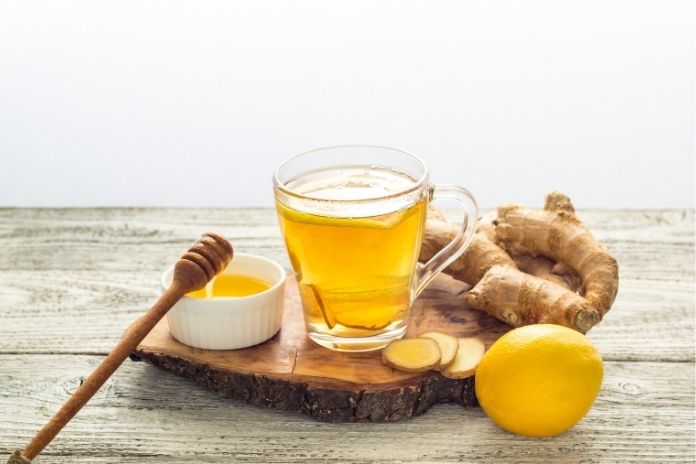
Sometimes the simplest combinations deliver the biggest punch when it comes to health benefits. Ginger, lemon, and honey, three humble kitchen staples, have been trusted across cultures for centuries, woven into home remedies passed down through generations. Whether it’s grandma’s cure for a winter cold, a morning ritual to jump-start digestion, or a comforting drink after a long day, this trio has earned a spot in both traditional medicine cabinets and modern wellness trends.
In Ayurveda and other traditional healing systems, ginger is celebrated for its warming, anti-inflammatory properties, lemon for its cleansing and alkalizing effects, and honey for its soothing, antimicrobial qualities. Together, they’re more than just a pleasant-tasting drink; they form a synergistic blend that works on multiple levels of your health.
In recent years, this simple infusion has gained a modern reputation as an immunity booster, metabolism kick-starter, and natural detox drink. But beyond the hype, what really happens when you make it part of your daily routine? Let’s break down the science behind each ingredient, the proven benefits, the right way to prepare it, and when to exercise caution, so you can sip with both pleasure and purpose.
Nutritional Profile of Ginger, Lemon, and Honey
Before diving into the benefits, it helps to understand what’s actually inside your cup. Each ingredient, ginger, lemon, and honey, carries its own nutritional strengths, and together they create a drink that’s more than the sum of its parts.
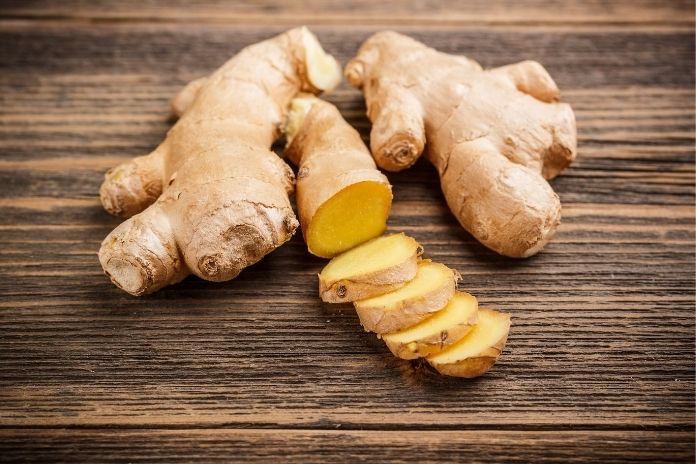
1. Ginger: A Potent Root with Bioactive Compounds
Ginger’s main active compound, gingerol, is known for its anti-inflammatory and antioxidant activity. When fresh ginger is heated or dried, it produces shogaols and zingerone, which further enhance its digestive and circulation-supporting effects.
Beyond these, ginger contains:
- Manganese and magnesium– support enzyme activity and bone health.
- B6 (pyridoxine)– important for metabolism and neurotransmitter production.
- Small amounts of potassium– essential for fluid balance and muscle function.
These compounds work together to promote gut health, reduce oxidative stress, and support overall vitality.
Read More: 10 Health Benefits of Ginger That You Wouldn’t Have Imagined
2. Lemon: A Vitamin C Powerhouse
Lemon is one of nature’s richest sources of vitamin C, a nutrient that plays a direct role in immune defense and collagen synthesis. Its flavonoids, especially hesperidin and eriocitrin, have antioxidant and anti-inflammatory properties that may help protect blood vessels and improve circulation. Nutritionally, lemon offers:
- Citric acid– aids digestion and may reduce kidney stone risk.
- Folate– supports DNA synthesis and cell repair.
- Potassium– helps regulate heart rhythm and nerve function.
The tartness of lemon also stimulates saliva and digestive enzyme release, making it an excellent pre-meal tonic.
Read More: 10 Promising Benefits of Drinking Lemon Water
3. Honey: Nature’s Energy Source
Honey delivers a natural blend of glucose and fructose for quick yet sustained energy. It’s more than just sugar; raw, unprocessed honey contains:
- Polyphenols and flavonoids– act as antioxidants to combat cell damage.
- Enzymes like glucose oxidase– contribute to its mild antibacterial activity.
- Trace mineralssuch as zinc, iron, and selenium – are essential for immune support.
Its thick, soothing texture can coat the throat, reducing irritation from cough or dryness, while its mild acidity supports a balanced oral microbiome.
Read More: 22 Extraordinary Benefits of Honey And Cinnamon
The Synergy in Your Cup
When ginger, lemon, and honey are combined, you’re not just blending flavors; you’re layering nutrients and bioactives that complement each other. The vitamin C in lemon may enhance the absorption of plant compounds from ginger, while honey’s antioxidants add an extra layer of protection against oxidative stress. The result is a warm, nutrient-dense drink that supports immunity, digestion, and overall wellness.
A 2022 study in Antioxidants (MDPI) investigated the chemical composition and antioxidant activity of both ginger and lemon juice extracts. Individually, each displayed strong antioxidant potential, yet when combined in a formulation, they exhibited even greater activity in neutralizing free radicals, demonstrating clear synergistic antioxidant effects.
Potential Health Benefits of Drinking It Daily

Here’s the thing: a simple ginger, lemon, and honey drink might not look like much, but the mix of compounds inside can work quietly in your favor over time. When you make it a daily habit, the benefits can touch everything from your immune resilience to how light and energetic you feel after meals. Let’s break it down.
1. Supports Immune Function
Think of this drink as a little daily insurance policy for your immune system. Ginger’s gingerol helps reduce inflammation that can otherwise wear down immunity. Lemon floods your system with vitamin C, which supports white blood cell production and function. Honey adds its mild antimicrobial properties, which can help defend against certain bacteria. Together, they don’t just fight symptoms; they can help your body stay ready before trouble starts.
Study: A 2024 article identified both ginger and citrus ingredients as having recognized immunostimulating properties, placing ginger firmly among botanicals known to support immune response.
2. Soothes Sore Throat and Cough
There’s a reason honey and ginger have been in grandma’s medicine cabinet for generations. Honey forms a protective layer on the throat, reducing irritation and calming the urge to cough. Ginger helps open the airways and ease swelling in the respiratory tract. Add the gentle heat of warm water, and you’ve got a drink that’s both soothing and functional when cold season hits.
Study: A 2014 study in Pediatrics reported that honey was more effective than dextromethorphan (a common cough medicine) in reducing nighttime coughing in children. Research in BMC Complementary and Alternative Medicine (2013) also found that ginger reduced airway inflammation in animal studies.
3. Aids Digestion
If you’ve ever felt heavy or bloated after a meal, this is where the trio shines. Ginger stimulates movement in the digestive tract, which can help food pass more comfortably. Lemon’s acidity signals the stomach to release enzymes that break down proteins and fats. Warm water keeps everything flowing, reducing the chances of sluggish digestion or constipation.
Study: A study published in 2008 in the European Journal of Gastroenterology & Hepatology found that ginger significantly accelerates gastric emptying in healthy volunteers, halving the usual transit time and stimulating stronger antral contractions, which can help reduce post-meal discomfort.
4. May Help with Weight Management
No, this tea won’t magically melt fat, but it can make healthy eating easier to stick with. Ginger may slightly increase calorie burn and reduce hunger signals. Lemon can help balance blood sugar swings, keeping cravings in check. Honey, when used sparingly, offers a gentle sweetness that satisfies without the blood sugar spikes of refined sugar. Over time, these small effects can support weight control when paired with good habits.
Study: A 2012 study in Metabolism found that drinking a hot ginger beverage with 2 g of ginger powder significantly increased thermogenesis by about 43 kcal per day and reduced hunger and prospective food intake in overweight men, suggesting potential benefits for weight management.
5. Anti-Inflammatory and Antioxidant Benefits
Modern life constantly exposes us to oxidative stress, from pollution to processed food. Ginger and lemon are both loaded with antioxidants that help neutralize free radicals before they damage cells. Honey’s polyphenols add another protective layer, potentially reducing the long-term risk of issues like heart disease, joint pain, or premature aging.
Study: A 2022 systematic review in Oxidative Medicine and Cellular Longevity notes ginger’s potent antioxidant and anti-inflammatory properties.
6. Hydration and Gentle Detox Support
Your body’s detox champions are your liver and kidneys, but they work best when you’re well-hydrated. Starting your day with this drink gives your fluid intake a boost right away. The combination of warm water, mild acidity from lemon, and ginger’s circulation support may also help reduce puffiness and fluid retention, leaving you feeling lighter and refreshed.
Best Time to Drink for Maximum Benefits

Finding the right time to drink ginger, lemon, and honey tea isn’t just about convenience; it can influence how well your body absorbs its nutrients and experiences its benefits. Different timings offer slightly different effects, and science backs this up.
1. Morning on an Empty Stomach
- Why it works: Drinking this tea first thing in the morning helps kickstart your digestive system, hydrate after hours of sleep, and provide a natural metabolic boost. The warm liquid can also gently wake up your stomach lining, making digestion smoother for the rest of the day.
- Scientific insight: A study published in Phytotherapy Research(2015) found that ginger consumption in the morning may help increase thermogenesis and reduce hunger, supporting metabolism and weight management. Another research paper in the Journal of Clinical Biochemistry and Nutrition (2014) noted that lemon polyphenols aid fat metabolism, especially when consumed before breakfast.
2. Midday Refresh
- Why it works: If you’re sensitive to acidity or have a light breakfast, drinking this tea mid-morning or early afternoon can still offer its antioxidant and anti-inflammatory benefits without irritating your stomach. It’s also an excellent caffeine-free alternative to coffee when you need an energy lift.
- Scientific insight: Research in the Journal of Medicinal Food(2018) shows ginger can enhance mental alertness and cognitive performance, making midday consumption ideal for improving focus without the caffeine jitters.
3. Evening for Relaxation and Digestion
- Why it works: Having this tea after dinner, especially a heavy or oily meal, can aid digestion and reduce bloating. The honey offers a soothing effect, while ginger helps the stomach process fats more efficiently.
- Scientific insight: A clinical trial in the European Journal of Gastroenterology & Hepatology(2019) reported that ginger significantly sped up gastric emptying and reduced symptoms of indigestion.
One caution: Lemon-based drinks can sometimes trigger acid reflux if consumed right before lying down. If you’re prone to this, aim to have your tea at least an hour before bedtime.
Dr. Gerard Mullin, M.D., reinforces the idea that gut health is deeply connected to digestion, immunity, and metabolic balance. He highlights how aging, diet, sleep, stress, and our microbiome all interlink in maintaining digestive wellness.
As he puts it, “As we age, the natural cycles slow down and don’t work as well. When gut health is good, you’re less likely to experience damaging inflammation and lapses in immunity. Everything ties together.”
Possible Side Effects or Precautions

While ginger, lemon, and honey tea are generally safe and healthy for most people, it’s still important to be aware of a few possible downsides, especially if you plan to drink it daily. Even natural ingredients can have unwanted effects depending on your health, dosage, and timing.
Here’s what to keep in mind:
1. Tooth Enamel Erosion
Lemon juice is naturally acidic, and frequent exposure to citric acid can gradually wear down tooth enamel, making teeth more sensitive over time. To minimize this, try sipping your tea through a straw so the liquid bypasses your teeth, and rinse your mouth with plain water afterward. Avoid brushing your teeth immediately after drinking, as the enamel is temporarily softened.
2. Honey and Infants
Honey should never be given to children under 12 months old. It can contain spores of Clostridium botulinum, which may lead to infant botulism, a rare but potentially serious illness. For adults and older children, honey is perfectly safe in moderate amounts.
3. Ginger Sensitivity
While ginger is famous for aiding digestion and reducing inflammation, too much of it can trigger heartburn, diarrhea, or stomach discomfort in certain people. It can also interact with blood-thinning medications, increase bleeding risk, and influence blood sugar levels. Pregnant women should consult their doctor before consuming ginger tea regularly, as high doses may affect pregnancy.
4. Allergies
Although uncommon, some individuals may be allergic to ginger, lemon, or honey. Symptoms might include rash, itching, swelling, or difficulty breathing. If you notice any unusual reaction after drinking the tea, stop immediately and seek medical advice.
How to Make Ginger, Lemon, and Honey Tea (Simple Recipe)
Ingredients:
- 1 inch fresh ginger root, sliced or grated
- 1 cup hot water
- ½ fresh lemon, juiced
- 1–2 teaspoons raw honey
Method:
- Place the sliced or grated ginger into a cup or mug.
- Pour hot water over the ginger and let it steep for 10–15 minutes.
- Strain the tea if you prefer a smoother texture.
- Stir in the lemon juice.
- Allow the tea to cool slightly, then add honey. (Adding honey to boiling water can reduce its beneficial enzymes.)
- Enjoy it warm.
The Day I Finally Stuck to My Ginger-Lemon-Honey Ritual

When I first decided to make ginger, lemon, and honey tea a daily habit, I’ll be honest, it was rocky. The first week was full of missed days, late nights, and mornings where I told myself, “I’ll make it tomorrow.” The tea sounded like a small commitment, but building consistency was harder than I expected. Some days, I’d even forget until halfway through the afternoon, and by then, the motivation felt lost.
But around the third week, something shifted. I started noticing little changes: my digestion felt smoother, those mid-morning energy dips weren’t as sharp, and my throat didn’t get scratchy even when the weather turned cold. These changes were subtle at first, but they made me curious enough to keep going. I told myself, “If this is what a few weeks can do, what will a few months look like?”
The real motivation boost came when other people noticed. A colleague mentioned that my skin looked fresher. A friend asked if I’d been sleeping better because I “just looked more alive.” These comments might sound small, but they hit differently when you’ve been quietly working on a habit that no one else knew about. It was like an unspoken validation, proof that my efforts were paying off.
Soon, making the tea each morning became less of a “to-do” and more of a ritual. I’d look forward to the warm steam, the tangy scent of lemon, and that faint spicy kick from the ginger. It became my cue to slow down for a moment before the day’s rush began.
Now, months in, I don’t think twice about it. What once felt like an effort has become automatic, and it’s a small but steady reminder that consistency, especially in the tiny things, has the power to transform how you feel, inside and out.
Bottom Line
Making ginger, lemon, and honey tea a daily ritual can do more than just warm you up; it can nurture your body from the inside out. From aiding digestion and soothing the throat to delivering a natural hit of antioxidants and immune-boosting compounds, this simple blend packs surprising health potential in every sip. And unlike store-bought drinks loaded with sugar or additives, it’s affordable, fresh, and easy to make at home.
Still, it’s important to keep perspective. This tea isn’t a magic potion that will erase health problems overnight. What it can do is complement a balanced lifestyle, working alongside nutrient-rich meals, regular movement, good sleep, and stress management to keep you feeling your best.
The key is consistency with mindfulness. Pay attention to how your body responds, start with moderate amounts, and adapt the recipe to suit your taste and health needs. If you have medical conditions or take medication, a quick check-in with your healthcare provider ensures you get the benefits safely. Think of it as a small, enjoyable habit that, over time, can play a meaningful role in your overall well-being.

References
- https://www.eatthismuch.com/calories/lemon-ginger-honey-tea-2648656
- https://sabaithai.com/benefits-of-drinking-ginger-with-honey-lemon-tea/
- https://immune-schein.com/blogs/news/ginger-lemon-honey-benefits-uses-and-history
- https://www.webmd.com/diet/health-benefits-lemon-ginger-tea
- https://www.eatthismuch.com/calories/lemon-honey-ginger-drink-3862214
- https://www.fatsecret.co.in/Diary.aspx
- https://www.thehealthsite.com/fitness/diet/is-ginger-lemon-and-honey-good-for-you-1168415/
- https://www.medicinenet.com/13_benefits_of_lemon-ginger_tea_before_bed/article.htm
- https://www.signos.com/blog/benefits-of-lemon-ginger-tea
- https://twobusybeeshoney.com/blogs/news/the-numerous-health-benefits-of-honey-and-ginger
- https://www.medicinenet.com/13_benefits_of_lemon-ginger_tea_before_bed/article.htm
- https://farmm2home.com/ginger-lemon-honey-syrup/
In this Article