
















You’ve just picked up takeout or stepped into a café on a blistering afternoon. The waitstaff asks, “Would you like a soda or sweet tea with that?” Both are cold, sweet, and fulfilling. But if you’re trying to make a healthier decision, you’ll automatically reply, “Sweet tea, please.”
Sweet tea or sweet iced tea is also better known as a more “natural” drink, thanks to its foundation of steeped black tea. Soda, on the other hand, is often blamed for its high sugar content, carbonation, and artificial ingredients.
But just how much healthier is sweet tea? Is it healthier for your heart, your blood sugar, or your midsection? Or are you merely exchanging one sugary vice for another?
This article gets to the root of sweet tea vs soda with a comparison of their nutritional content, antioxidant levels, long-term consequences, and how both can or cannot be incorporated into a healthy diet.
Sweet Tea vs. Soda: Nutritional Breakdown

Let’s start with a head-to-head comparison of what you’re really consuming when you grab a soda or a glass of sweet tea.
Compare Calories and Sugar Content in an Average 12-oz Serving:
Here’s how a typical 12-oz (about 355 ml) serving of soda, bottled sweet tea, homemade sweet tea, and unsweetened tea stacks up:
 Although soda has more sugar in most instances, it’s not too difficult to come across sweet tea products that rival or even exceed soda in terms of sugar content, particularly in restaurants, large servings, or commercial bottles.
What’s more worrying is that certain fast food sweet teas (such as those at Chick-fil-A or McDonald’s) have more than 40g of sugar per one medium cup, equivalent to 10 teaspoons. That’s nearly your entire recommended daily intake of sugar in one beverage.
Variations in Sweet Tea Recipes:
Sweet tea’s nutritional value is significantly different depending on how it is prepared:
- Homemade recipes can be adapted with reduced sugar or other sweeteners.
- Bottled teas usually contain high-fructose corn syrup, stabilizers, and preservatives.
- Restaurant teas are usually pre-brewed in large quantities and heavily sweetened to have a consistent flavor.
Soda recipes aren’t all that different (carbonated water, sweeteners, acids, and artificial flavors), but sweet tea leaves you a little more room to improvise—but also a little more potential for it to go wrong if you’re not watching the sugar level.
Ingredients Comparison:
- Sweet Tea: Water, brewed black tea, cane sugar or syrup, occasionally lemon or mint
- Soda:Carbonated water, high-fructose corn syrup (or sugar), caramel color (for colas), caffeine, phosphoric acid, and artificial flavorings
Sweet tea has fewer ingredients and, in its best state, can be brewed fresh with natural ingredients. Soda is a processed drink full of man-made chemicals.
Read More: Coffee vs. Green Tea – Which One Actually Boosts Metabolism More?
The Antioxidant Advantage: Sweet Tea’s Secret Weapon
One of the most important differences between sweet tea and soda is something that you can’t taste, but your body surely notices: antioxidants.
Black Tea Contains Polyphenols (e.g., Theaflavins, Catechins):
Black tea, the foundation of most sweet tea, is full of healthy compounds known as polyphenols. These include:
- Catechins
- Theaflavins
- Flavonols
These antioxidants have been found to:
- Fight free radicals and decrease oxidative stress
- Reduce inflammation
- Promote cardiovascular health
- Protect brain cells from aging
- Assist digestion and metabolic health
As a comparison, soda provides no antioxidant value at all. It’s so-called empty calories in the purest sense—sugar and chemicals with no nutritional value.
Oxidative stress is linked to chronic diseases like heart disease, cancer, and cognitive impairment. The polyphenols in tea capture free radicals before they can harm your cells.
So, while soda is pro-inflammation (because of sugar, artificial ingredients, and acidity), tea is anti-inflammation in the body.
Is Sweet Tea Good for You? Depends on How It’s Made
Let’s get to answering the burning question.
Health Benefits of Tea (Heart Health, Hydration, Mental Clarity):
If we are only considering the tea part of sweet tea, the news is good. Here’s how it supports your health:
- Heart Health: Daily tea drinking is linked with lower heart attack and stroke risk.
- Hydration: Far from being a dehydrating agent, tea contributes to your daily fluid intake.
- Cognition: Tea’s L-theanine interacts synergistically with caffeine. Together, they enhance attention and relaxation.
Several studies indicate that daily consumption of black or green tea can result in enhanced health indicators, particularly if consumed unsweetened.
Most sweet teas, particularly restaurant-served or bottled ones, have excessive amounts of added sugar. This leads to:
- Blood sugar peaks and drops
- More fat storage and insulin resistance
- Greater obesity, diabetes, and tooth decay risk
Some bottled sweet teas have even more sugar than soda, according to the American Heart Association. Limit your intake to:
- 25g (6 tsp) of added sugar daily for women
- 36g (9 tsp) for men
A single commercial sweet tea can easily exceed this amount in one serving.
Most bottled teas contain added sugars or high-fructose corn syrup. Some even include “natural flavors” or syrups, which also boost insulin and lead to sugar-related illness.
So, is sweet tea healthy? Only if it’s freshly brewed, lightly sweetened, and eaten in moderation.
Is Sweet Tea Better Than Soda? Here’s the Catch
Let’s get to the main question: Is sweet tea better than soda?
Yes, if made with less sugar or unsweetened
Sweet tea wins in the following ways:
- It has natural antioxidants
- It’s often less acidic than soda
- It can be made at home and tailored
- It contains no artificial coloring, phosphoric acid, or preservatives
Even sweet tea typically contains a bit less sugar than soda, but it’s how much and how frequently you consume it. Both can be unhealthy if taken every day in large quantities.
Consuming any sweet drink regularly is dangerous:
- It leads to obesity, fatty liver, and type 2 diabetes
- It replaces healthier beverages such as water and herbal teas
- It habituates your taste buds to want more sweetness
Soda is carbonated, acidic, and may reduce calcium, too. Soda’s phosphoric acid and high acidity are particularly harmful in the following ways:
- Tooth enamel: Wearing away over time causes sensitivity and cavities
- Bone density: Too much soda could decrease bone calcium levels
While soda comes from a chemical source, tea is a plant-based one and provides phytonutrients. You get hydration along with a dose of caffeine, minus the overwhelming harmful effects of carbonation and chemicals.
So, although sweet tea isn’t ideal, it’s less harmful than soda—assuming you manage the sweetness.
Read More: Switching from Coffee to Tea – 15 Benefits You Didn’t Know Of
How to Make Sweet Tea Healthier
Bad News: You don’t have to abandon sweet tea. You just need to make it intelligent.
Brew Your Own and Cut Sugar Slowly:
Control the process:
- Use loose-leaf or bagged black tea
- Add a little sugar, then cut it back gradually
- Chill and keep in the fridge so it’s convenient when cravings hit
- Even reducing sugar by 25–50% can make a vast difference in the long run
To make sweet tea tastier, you can boost flavor naturally with:
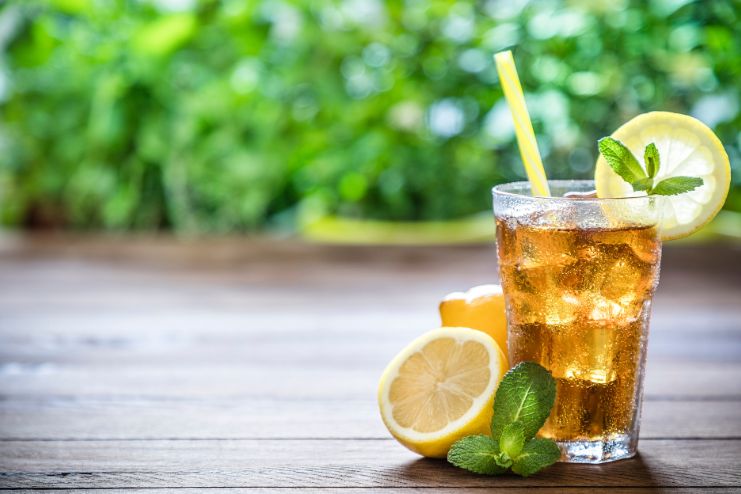
- Lemon slices to add zest and vitamin C
- Fresh mint is cooling and refreshing
- Berries or peaches that are not just about natural sweetness, but visual appeal
- Cinnamon or ginger for a spicy twist without sugar
These add-ins elevate your tea without affecting your health goals.
Consider Switching to Unsweetened Tea With Stevia or Honey:
If you’re avoiding sugar altogether, try:
- Stevia: Zero calories and no glycemic impact
- Monk fruit extract: Natural and sweet, with no crash
- Honey (sparingly): Still sugar, but with some trace nutrients
Try to brew a batch of unsweetened tea and sweeten to taste with a splash of stevia—it’s life-changing.
Final Verdict – Is Sweet Tea the Lesser Evil?
So what’s the verdict?
If We Had to Choose: Sweet Tea > Soda, Particularly if it’s Made at Home and Less Sweet
Here’s the takeaway:
- Sweet tea contains antioxidants; soda does not
- Sweet tea is less acidic, meaning it’s easier on teeth and bones
- Tea offers real health benefits—if sugar is kept in check
But don’t overdo either—moderation is key. Both can lead to weight gain and blood sugar peaks if taken too often. Both can take the place of better beverages such as water, herbal tea, or sparkling water
Take your sweet tea only a few times a week, not several times daily. Hydrate yourself with alternatives such as herbal teas, sparkling water, or infused water
If you’re trying to cut down on sugar altogether, try these instead:
- Unsweetened iced tea
- Herbal teas like hibiscus or peppermint
- Fruit-infused water
- Sparkling water with lemon or cucumber
Final Tip: Think of sweet tea as a “treat,” not a default drink. Brew it fresh, use less sugar, and sip mindfully—and you’ll enjoy the benefits without the baggage.
References
- https://www.heart.org/en/healthy-living/healthy-eating/eat-smart/sugar/how-much-sugar-is-too-much
- https://www.heart.org/en/healthy-living/healthy-eating/eat-smart/sugar/difference-between-sugar-free-and-no-added-sugar
- https://pmc.ncbi.nlm.nih.gov/articles/PMC4055352/
- https://www.intechopen.com/chapters/67461
- https://www.snapcalorie.com/nutrition/sweet_tea_nutrition.html
- https://www.newindianexpress.com/magazine/2014/Oct/18/sweet-poison-673108.html
- https://www.snapcalorie.com/nutrition/small_glass_of_sweet_tea_nutrition.html
In this Article