











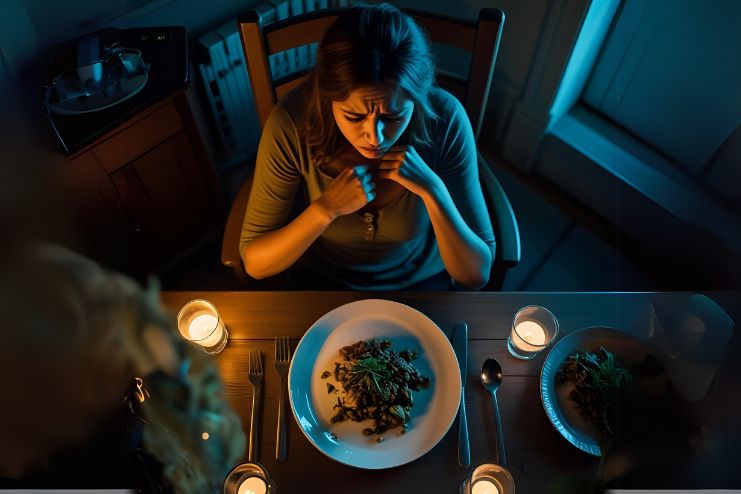
The wellness world celebrates “healthy eating,” but what happens when it becomes an obsession? While anorexia is a well-known eating disorder focused on extreme food restriction to lose weight, orthorexia is a lesser-known condition centered around an obsession with eating only “clean” or “pure” foods.
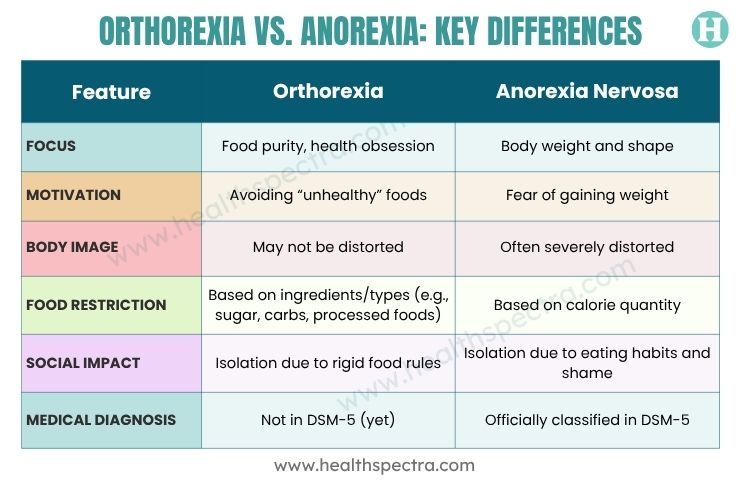
At first glance, it may seem like someone is simply being health-conscious, but orthorexia can lead to anxiety, social withdrawal, and serious health issues. The key difference between orthorexia and anorexia lies in the motive: anorexia is driven by a fear of gaining weight, while orthorexia is driven by a fear of eating anything perceived as unhealthy.
Both disorders can result in nutritional deficiencies and emotional distress. Let’s take a closer look at how orthorexia and anorexia differ, how they manifest, and why orthorexia deserves more recognition and support.
Read More: Anorexia vs. Bulimia: How These Eating Disorders Differ
What Is Orthorexia?

Coined in the 1990s, the term orthorexia refers to an unhealthy obsession with eating only foods that are considered “clean,” “pure,” or “healthy.” While aiming for a nutritious diet is generally good, orthorexia takes this goal to a dangerous extreme.
People become so fixated on food purity that it negatively affects their physical health, emotional well-being, and social life.
Not Yet Officially Diagnosed, But Clinically Recognized
Although orthorexia is not officially listed in the Diagnostic and Statistical Manual of Mental Disorders (DSM-5), it is widely recognized by health professionals. As awareness grows, more clinicians acknowledge it as a serious and growing issue, especially in cultures that promote wellness trends and restrictive eating habits.
The lack of an official diagnosis can make it difficult to identify, allowing the disorder to go unnoticed or be misunderstood as simply being health-conscious.
Quality Over Quantity
A key feature of orthorexia is its focus on food quality, not quantity. Unlike anorexia, which often involves restricting how much food is eaten to lose weight, orthorexia centers on avoiding foods that are perceived as impure or unhealthy, such as those with artificial additives, sugar, gluten, or preservatives.
Over time, this can lead to extreme food restrictions, rigid meal planning, and feelings of guilt or anxiety when certain “rules” are broken.
Symptoms of Orthorexia
Common symptoms of orthorexia include obsessively reading ingredient labels, avoiding social situations that involve food, feeling anxious if “safe” foods are unavailable, planning meals far in advance, and experiencing guilt or shame after eating foods deemed “unhealthy.”
These behaviors can lead to physical issues like malnutrition or fatigue, and emotional challenges such as isolation or heightened stress.
Why It Matters
While orthorexia may begin with a desire to eat better, it can quickly become harmful. Understanding what orthorexia is and recognizing the symptoms of orthorexia is important in helping yourself or someone you know seek support and find a more balanced relationship with food.
Christy Harrison, registered dietitian and host of the Rethinking Wellness podcast, explains that orthorexia exists on a spectrum and can be harmful at any level. In severe cases, it disrupts daily life, including social connections and work. It may also lead to nutritional deficiencies and often co-exist with conditions like body dysmorphia, OCD, and anorexia.
Read More: Diseases That Can Cause Dehydration in Adults
What Is Anorexia Nervosa?

Anorexia nervosa is a severe and familiar eating disorder. It’s characterized by extreme calorie deprivation, a morbid fear of gaining weight, and an abnormal perception of body weight.
Individuals with anorexia view themselves as fat despite being severely underweight. They become overly concerned with weight loss, influencing all aspects of their lives, from the way they eat to the way they think and feel.
More Than Just a Food Issue
Anorexia is not just eating; it’s an emotional illness. Individuals suffering from anorexia have low self-esteem, anxiety, or perfectionism. They tend to associate their worth with weight or appearance.
This creates unhealthy habits such as skipping meals, severe dieting, excessive exercising, or purging. It is one of the many restrictive eating disorders in which food is allowed only in unhealthy extremes.
Physical and Emotional Impact
The effects of anorexia are both physical and psychological. Common symptoms include fatigue, hair loss, irregular heartbeats, dry skin, and low blood pressure.
Over time, severe malnutrition can lead to serious health issues like heart problems, brittle bones, organ damage, or infertility. Emotionally, anorexia can cause depression, social withdrawal, and an inability to focus.
These effects demonstrate the close relationship between mental health and eating habits, as both the body and mind are affected when nutrition is poor.
One of the Deadliest Mental Health Disorders
Anorexia nervosa carries one of the highest mortality rates of any mental illness, through medical complications or suicide. For this reason, early treatment is essential.
Treatment tends to involve a team of professionals, physicians, therapists, and dietitians, who assist in weight restoration and emotional recovery.
Why Awareness Matters
Knowing what anorexia nervosa is and being able to spot the warning signs can save lives.
It’s not about wanting to be thin; it’s a serious disorder that is a sign of a deeper struggle with self-worth and control. With education, support, and the right treatment, recovery from anorexia is achievable.
Read More: Understanding the Early Signs of Anorexia
Orthorexia vs. Anorexia: Key Differences
 Overlapping Traits Between Orthorexia and Anorexia
Although they may appear to be different, orthorexia and anorexia nervosa have several common characteristics. These are both hidden eating disorders that involve negative eating, control, and self-worth practices.
An awareness of the overlap can promote quick support and aid in the detection of early warning indicators.
Preoccupation with Food
This excessive attention on eating is one of the main similarities between the discussion of orthorexia vs anorexia. Weight loss and calorie restriction are the main obsessions of anorexics.
Thoughts about eating take over daily life in both situations, frequently interfering with relationships, employment, and education.
Anxiety Around Eating
In both conditions, eating becomes a cause of anxiety. Orthorexia sufferers may experience intense guilt or terror when they consume anything they consider “unhealthy,” but anorexics may feel frightened about absorbing too many calories.
Food avoidance, meal skipping, or strict eating regimens might be the outcome of this mental anguish. They demonstrate how eating can become emotionally charged and unpleasant, even though their motivations are different.
Social Withdrawal and Perfectionism
Due to their rigid eating habits, people tend to avoid social interactions, particularly those that involve food. They may isolate themselves by avoiding parties, family dinners, and dining out. Perfectionism is also very important.
Ororexics may strive for the “ideal” diet, whereas anorexics may want the “ideal” figure. Both turn to food to feel in control and to fulfill their irrational desires.
Sense of Control Tied to Dietary Choices
Both conditions provide a feeling of control in a chaotic environment. Eating “right” or controlling weight are just two examples of how these dietary guidelines can be used as coping mechanisms for more serious mental issues. But frequently, this control turns into a harmful fixation.
Risk of Malnutrition Despite “Healthy” Intentions
Orthorexia can cause malnutrition by excluding important nutrients, similar to anorexia, even though it may appear to be clean eating. Both disorders carry significant health hazards, although they have different objectives.
To comprehend and treat these intricate and frequently concealed eating disorders, it is essential to acknowledge the overlap between orthorexia and anorexia.
Read More: Top Reasons You’re Not Feeling Hungry
Why Orthorexia Often Goes Unnoticed

Orthorexia is becoming more common, yet it often slips under the radar. It’s not always easy to recognize because it hides behind socially praised behaviors. What may look like a commitment to health is sometimes clean eating gone too far.
Here’s why this disorder is frequently overlooked and why raising awareness is so important.
Disguised by Wellness Culture
We live in a world that celebrates “clean eating,” diet trends, and strict food routines. Social media is filled with posts promoting detoxes, raw foods, and sugar-free living.
This makes orthorexia—an unhealthy obsession with eating only “pure” or “healthy” foods—easy to miss. Since these habits are socially accepted, they often aren’t questioned, even when they’re damaging. What begins as health-focused behavior can quickly spiral into a serious issue.
Praised as Discipline or Willpower
Someone with orthorexia may be admired for their dedication to their diet. Friends, family, or even health coaches might compliment their “willpower,” not realizing they’re reinforcing dangerous patterns.
This praise can make it harder for the person to recognize they have a problem. Their fear of unhealthy food, like sugar, oil, or processed items, feels justified by the compliments they receive.
Limited Awareness in the Medical Field
Orthorexia is not yet officially recognized in the DSM-5, the manual used to diagnose mental health conditions. Because of this, even doctors and therapists may miss the warning signs.
If a person is not underweight and appears physically healthy, their behaviors may be seen as positive or simply “health-conscious.” This gap in understanding makes it harder for individuals to get the help they need.
The Need for Greater Recognition
Though orthorexia may seem like a healthy lifestyle, it can lead to malnutrition, social isolation, and emotional distress. It’s a clear example of clean eating gone too far, where the goal of being healthy turns into an obsession.
Raising awareness and educating both the public and healthcare providers can help people recognize when “healthy” has become harmful. Understanding the role of fear of unhealthy food is key in identifying and treating this hidden eating disorder.
Read More: Treatment for Eating Disorder and Ways to Overcome It
Red Flags to Watch For

Orthorexia can start with a healthy intention to consume better, but when the intention becomes all-consuming, it then becomes detrimental.
While other eating disorders will center around weight loss as the primary focus, orthorexia is about consuming only foods that are deemed to be “clean” or “pure.” The following are some critical warning signs of disordered eating and red flags to watch out for.
Fear, Guilt, or Anxiety Around Certain Foods
One of the warning signs of orthorexia is experiencing overwhelming fear, guilt, or anxiety after consuming anything that is “unapproved.” This can be processed foods, sugar, or even anything that is not deemed perfectly healthy.
The individual will avoid consuming these foods and will become upset if they violate their own rules. This emotional response towards food over time indicates a transition from being careful about eating to an unhealthy obsession.
Obsessive Focus on Food and Diet
Individuals with orthorexia tend to spend hours preparing meals, reading food labels, and studying food trends. Such preoccupation with food can disrupt work, relationships, and daily activities. It becomes increasingly about control rather than health.
Such activity is a definitive indicator of disordered eating, particularly if it provokes stress or hinders everyday life.
UK-based dietitian Renee McGregor, author of Orthorexia: When Healthy Eating Goes Bad, explains that orthorexia is often connected to perfectionism and obsessive-compulsive traits. She notes that it frequently affects high-performing athletes and individuals following strict diets, such as veganism, where rigid food rules can heighten the risk of developing obsessive behaviors around eating.
Avoiding Social Events Involving Food
Because they are afraid of losing control of what they’re eating, orthorexics often skip social events, family meals, or dining out.
They might bring their own food to such events or avoid meals in public altogether. This social isolation can be damaging to mental health, even though it’s actually concealed under the guise of “healthy living.”
Physical Symptoms and Health Changes
Even with positive intentions, orthorexia can lead to physical issues such as fatigue, hair loss, gastrointestinal problems, and hormonal imbalance.
Malnutrition can result from limiting entire food groups. These body effects tend not to be noticed because the individual does not always look underweight.
Body Image vs Food Purity
In contrast to anorexia’s preoccupation with body weight or size, orthorexia is more of a concern with body image vs food purity, pursuing health and moral integrity through the consumption of “clean.” Just like the desire for perfection can be hurtful, so can this.
If these habits resonate, please get help. Orthorexia is a serious eating disorder, and becoming aware of the warning signs is the key to recovery.
Read More: Tips and Strategies for Mindful Eating
Mental Health Impact

Although eating healthily may be the initial motivation for orthorexia, the psychological and emotional repercussions can be profound and long-lasting. A fixation with eating “right” can eventually be detrimental to one’s relationships, sense of self, and mental health.
Links to Anxiety, Depression, and Obsessive Behavior
When it comes to food, people with orthorexia frequently exhibit obsessive-compulsive tendencies. They may feel compelled to adhere to stringent dietary guidelines, and any departure from them may result in severe anxiety, guilt, or stress.
High levels of anxiety and even despair may result from this ongoing concern, particularly if the person starts to feel alone or out of control. The desire to use food to feel “clean” or “pure” turns into an emotionally and mentally taxing endeavor.
At Risk of Developing Other Eating Disorders
Orthorexia can develop into more serious eating disorders like anorexia nervosa if treatment is not received. The rigorous dietary guidelines can result in severe calorie restriction, quick weight loss, and a fear of gaining weight, all of which are symptoms of anorexia.
In other situations, it may develop into bulimia, binge eating, or other eating disorders. Preventing the development of these more severe disorders requires early intervention.
Impact on Relationships and Identity
Relationships with family and friends may suffer as a result of orthorexia’s external impacts. Individuals may withdraw, avoid food-related social gatherings, or become unduly critical of others’ eating habits.
Their entire identity could eventually become entangled with their eating habits, causing them to feel superior or valuable depending solely on the foods they choose. When they are unable to meet their own unachievable expectations, this might lead to emotions of humiliation, dissatisfaction, or loneliness.
Finding Balance Again
Orthorexia has a significant negative influence on mental health, yet it is also curable. Rebuilding a healthier connection with food and oneself can be facilitated by education, support groups, and therapy.
The first step to healing and regaining balance and joy in life is realizing the tight relationship between food habits and mental health.
Read More: Effective Ways to Increase Appetite for a Healthier Body
Getting Help: Treatment and Support

Healing from orthorexia or anorexia is more than overhauling eating behavior; it’s about mending the mind, body, and feelings. These disorders have the power to influence self-esteem, relationships, and physical health profoundly.
For this reason, early intervention and proper support are critical. Everyone’s treatment may look different, but the goal is to establish a balanced relationship with food again and regain trust in your body once more.
Treatment Options for Orthorexia Recovery
- Cognitive Behavioral Therapy (CBT):CBT is an evidence-based therapy that assists individuals in learning to recognize and dispute unhealthy ways of thinking, such as fear of consuming “unapproved” foods or that value is linked to eating flawlessly. It replaces these with more balanced, supportive thoughts and decreases anxiety about food.
- Nutrition Therapy with a Non-Diet Approach:A registered dietitian with eating disorder training can support individuals in orthorexia recovery through a non-diet model. This involves eating without judging food as “good” or “bad.” The idea is to reconcile with food and satisfy the body’s nutritional requirements without shame.
- Trauma-Informed Care:For some, disordered eating is tied to a traumatic history, anxiety, or an intense need for control. Trauma-informed care honors that history and provides a safe place for recovery. It is not judgmental or blaming and proceeds at a pace that is safest for the individual.
- Group Therapy or Support Communities:Recovery can be isolating, but support from groups or peer groups can reverse this. Hearing other people’s stories and sharing your own reduces shame and reminds individuals that they’re not alone. These groups provide support, encouragement, and empathy.
Finding the Right Support
- Look for HAES-Aligned, ED-Informed Practitioners: While finding help, attempt to find providers who adhere to the Health at Every Size (HAES) framework and are trained in eating disorders.HAES-aligned practitioners emphasize wellness rather than weight and do not perpetuate restrictive dieting. HAES-aligned providers recognize the social, emotional, and physical effects of eating disorders and develop non-judgmental, respectful treatment.
Recovery is a process, but with the proper tools and loving care, a life without compulsive food rules is well within reach.
Read More: Treatment for Anorexia Nervosa and Overcoming the Battles
Final Thoughts

Despite not being as focused on weight as anorexia, orthorexia can still have a major negative impact on your physical and mental health. A desire to eat healthily can quickly transform into a life-consuming set of rigid eating habits, dread, and shame.
It’s time to examine your concept of “healthy eating” more closely if it feels more like pressure than relaxation. Acknowledging the issue is the first step to recovery, so you don’t need to wait until things worsen.
In addition to being feasible, healing is well worth the effort with the correct assistance and support. You’re not alone, whether you need counseling about your diet, therapy, or just chatting to someone who gets it.
If eating is making you more anxious than happy, get help. You deserve to discover a more balanced and healthful path forward.
References
- https://pmc.ncbi.nlm.nih.gov/articles/PMC10490497/
- https://centerfordiscovery.com/blog/anorexia-nervosa-orthorexia-nervosa/
- https://www.sciencedirect.com/science/article/abs/pii/S0195666322002252
- https://www.waldeneatingdisorders.com/blog/8-warning-signs-of-orthorexia/
- https://www.webmd.com/mental-health/eating-disorders/what-is-orthorexia
- https://pmc.ncbi.nlm.nih.gov/articles/PMC8947656/
- https://www.ncbi.nlm.nih.gov/books/NBK459148/
- https://www.mayoclinic.org/diseases-conditions/anorexia-nervosa/symptoms-causes/syc-20353591
- https://my.clevelandclinic.org/health/diseases/9794-anorexia-nervosa
- https://pubmed.ncbi.nlm.nih.gov/37615059/
- https://withinhealth.com/learn/articles/similarities-between-anorexia-nervosa-and-orthorexia
- https://onlinelibrary.wiley.com/doi/10.1002/eat.24051
- https://health.osu.edu/wellness/exercise-and-nutrition/dangers-of-orthorexia
- https://www.orri-uk.com/eating-disorder/orthorexia/
- https://withinhealth.com/learn/articles/what-causes-orthorexia-nervosa
- https://www.nationaleatingdisorders.org/warning-signs-and-symptoms/
- https://withinhealth.com/learn/articles/signs-and-symptoms-of-orthorexia-nervosa
- https://nourishher.com/eating-disorder-red-flags/
- https://pmc.ncbi.nlm.nih.gov/articles/PMC10490497/
- https://www.sciencedirect.com/science/article/abs/pii/S147101532300034X
- https://www.mayoclinic.org/diseases-conditions/eating-disorders/symptoms-causes/syc-20353603
- https://my.clevelandclinic.org/health/diseases/4152-eating-disorders
In this Article