



















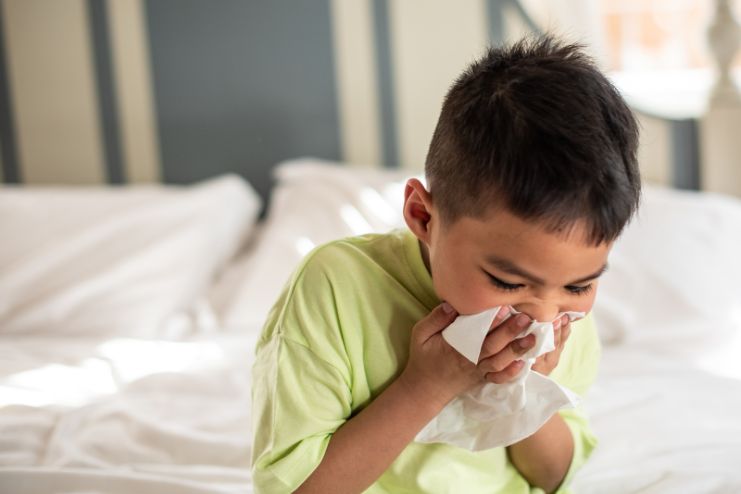
It’s 2 AM, and your baby’s stuffy nose is keeping the entire household awake. Sound familiar? Every parent has been there – watching helplessly as their little one struggles with their first cold, wondering what safe, natural remedies might bring some relief.
Watching your baby suffer from a cold or flu can be one of the most distressing experiences for any parent.
Infants are particularly vulnerable to respiratory illnesses during seasonal changes, and since they can’t communicate their discomfort, it’s often difficult to gauge the severity of their symptoms. Unlike older children who can express their feelings, babies rely entirely on their caregivers to recognize signs of illness and provide comfort.
Currently, there is no known remedy for the common cold. Antibiotics don’t work for colds because they it is caused by other viruses rather than bacteria.
Pediatrician Dr. Bruce Terrin explains that most children recover from colds naturally, so it’s best to let the illness take its course. However, a few home remedies can still provide relief from the symptoms.
The good news? You don’t have to feel powerless. Several gentle home remedies can help ease your baby’s cold symptoms naturally, often using items you already have at home. Here are some time-tested approaches that may provide relief when your little one is feeling under the weather.
Important Note: Always consult your pediatrician before trying any home remedies, especially for babies under 3 months old or if symptoms worsen.
Read More: Asthma Action Plan for Kids: What Every Parent Should Have Ready
1. Breast Milk: Nature’s Perfect Medicine

Breast milk truly deserves its reputation as liquid gold for infants. For babies under six months, breast milk provides nearly everything they need to fight off infections, including cold and flu viruses. This remarkable substance is packed with antibodies that strengthen your baby’s developing immune system while keeping them properly hydrated.
The beauty of breast milk lies in its simplicity – it requires no preparation, has no side effects, and provides both nutrition and medicine in one package. Research shows that human milk protects against infections mainly via secretory IgA antibodies, along with other protective factors. If you’re breastfeeding, continue nursing frequently to help your baby stay hydrated and give their immune system the best possible support.
2. Saline Drops: Gentle Nasal Relief
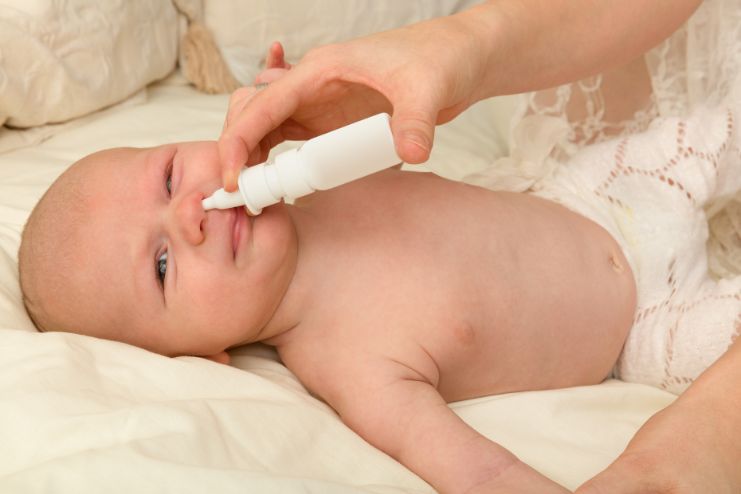
Saline nasal drops are a pediatrician-approved remedy that works just as effectively for babies as it does for adults. These gentle drops help clear blocked nasal passages without causing irritation, making breathing easier for your congested little one. Recent studies have shown that saline nasal drops can reduce the duration of common cold symptoms in children by up to two days.
To use saline drops effectively, first clean your baby’s nostrils gently with a damp cotton swab. Then, using a dropper, administer the saline solution as directed on the package. You can find specially formulated pediatric saline drops at any pharmacy, available under various brand names designed specifically for children.
After applying the drops, you can use a bulb syringe or nasal aspirator to gently remove loosened mucus, helping your baby breathe more comfortably.
Read More: 10 Possible Ways to Boost Your Immunity
3. Aromatic Garlic and Carom Seed Pouch
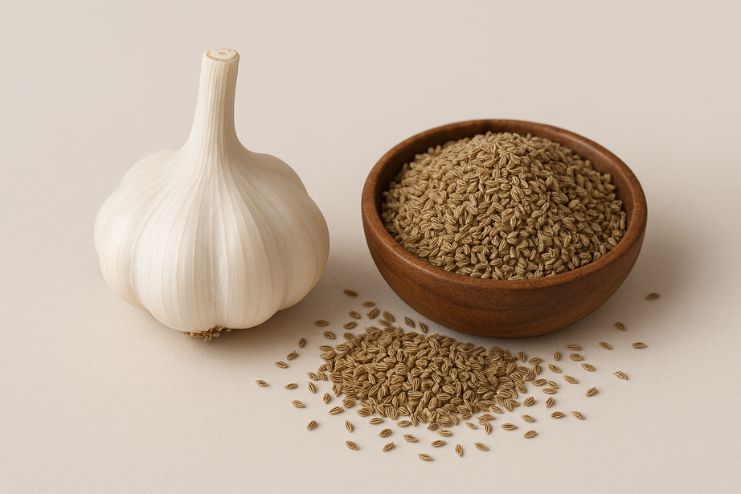
This traditional remedy involves creating a small aromatic pouch using natural ingredients known for their respiratory benefits. Take a couple of fresh garlic cloves and combine them with ajwain (carom seeds) – a spice commonly used in Indian cooking that’s increasingly available in American health food stores. Garlic has well-documented antimicrobial properties that have been recognized for centuries.
Wrap these ingredients in a soft piece of cloth to create a small pouch. Hold this pouch near (but not touching) your baby’s nose, allowing them to breathe in the gentle aroma. The natural properties of these ingredients may help provide respiratory relief.
Caution: This remedy should be used carefully and only with older infants (over 6 months). Always consult your pediatrician first, especially if your baby has sensitive skin or respiratory issues.
4. Warm Oil Massage: Soothing Comfort

A gentle massage with warm oil can provide significant comfort to a baby suffering from cold symptoms. Heat a small amount of mustard oil (or substitute with olive oil if mustard oil isn’t available) and add a couple of crushed garlic cloves to infuse the oil with beneficial properties. Research indicates that garlic’s sulfur-containing compounds contribute to its antimicrobial effects, which may help with respiratory wellness.
Once the oil is warm (not hot), remove the garlic pieces and gently massage the oil onto your baby’s chest, back, feet, and temples, being very careful to avoid the eye area. This massage may help relieve congestion, body aches, and provide overall comfort.
Safety tip: Test the oil temperature on your wrist first to ensure it’s comfortably warm, not hot. Never heat garlic to the point of burning, as this destroys its beneficial properties.
5. Saffron Application: Traditional Hydration Helper
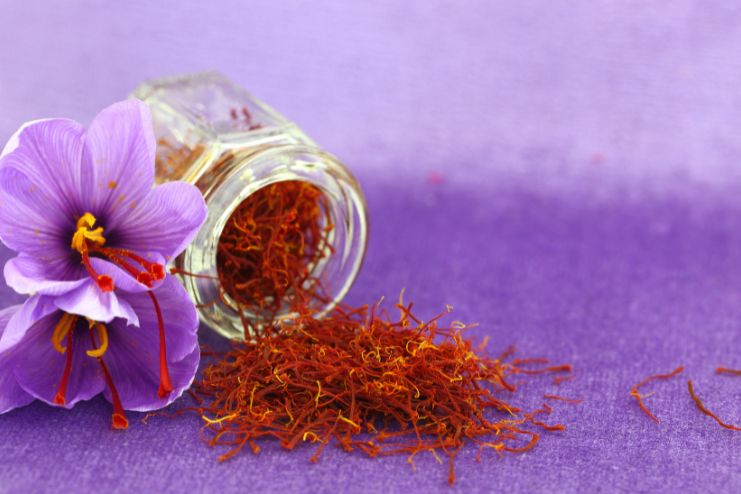
Saffron, though expensive, has been traditionally used to help regulate body moisture during illness. Take a few saffron strands and rub them against a clean, hard surface with a drop of water to create a paste.
This paste can be gently applied to your baby’s feet and forehead. According to traditional practices, saffron may help the body manage excess moisture and provide comfort during illness.
Note: This remedy is more traditional than scientifically proven. Use only high-quality saffron and apply sparingly, as some babies may be sensitive to new substances on their skin.
Read More: DIY Herbal Teas: 7 Home Remedies to Soothe Common Ailments
Additional Tips for Baby Cold Care
- Maintain humidity: Use a cool-mist humidifier in your baby’s room to help ease breathing.
- Keep baby upright: Holding your baby upright can help with drainage and make breathing easier.
- Ensure adequate rest: Allow plenty of sleep and quiet time for recovery.
- Monitor hydration: For breastfed babies, nurse frequently. Formula-fed babies may need additional small amounts of water if approved by your pediatrician.
- Watch for warning signs: Seek immediate medical attention if your baby has difficulty breathing, refuses to eat, has a high fever, or shows signs of dehydration.
When to Call Your Pediatrician

While home remedies can provide comfort, it’s crucial to know when professional medical care is needed. Contact your healthcare provider if:
- Your baby is under 3 months old and has a fever
- Symptoms worsen or don’t improve after a few days
- Your baby shows signs of difficulty breathing
- There are signs of dehydration (fewer wet diapers, dry mouth, lethargy)
- You notice unusual behavior, or your parental instinct tells you something isn’t right
Read More: 15 Home Remedies For Chickenpox For Faster Recovery
Remember, these home remedies are meant to complement, not replace, proper medical care. Your baby’s health and safety should always be the top priority, and when in doubt, it’s always better to consult with a healthcare professional.
1Take Action for Your Baby’s Comfort Today
Your baby is counting on you to provide comfort during their most vulnerable moments. While colds are a normal part of childhood development, you now have a toolkit of gentle, natural remedies to help ease their discomfort. Start with the safest options like breast milk and saline drops, and always keep your pediatrician’s number handy.
Ready to help your little one feel better? Bookmark this guide, share it with other parents in your circle, and remember – trust your instincts. You know your baby better than anyone, and with these natural remedies in your arsenal, you’re well-equipped to provide the loving care they need to get back to their happy, healthy selves.
2References
- https://pmc.ncbi.nlm.nih.gov/articles/PMC9016618/
- https://pubmed.ncbi.nlm.nih.gov/9892025/
- https://www.metropediatrics.com/pediatric-blog/top-benefits-of-saline-nasal-spray-for-newborn-care/
- https://www.ersnet.org/news-and-features/news/saline-nasal-drops-reduce-the-duration-of-the-common-cold-in-young-children-by-two-days/
- https://www.littleremedies.com/remedies/nose-remedies/saline-spray-drops
- https://pmc.ncbi.nlm.nih.gov/articles/PMC8362743/
- https://www.frontiersin.org/journals/immunology/articles/10.3389/fimmu.2024.1277074/full
- https://health.usnews.com/doctors/bruce-terrin-433714
- https://www.hackensackmeridianhealth.org/en/healthu/2022/11/29/at-home-cold-remedies-for-kids
In this Article