














Did you know that something five times smaller than a chicken egg could pack more nutrition per gram than its larger counterpart? For generations, chicken eggs have been a staple food consumed worldwide, with numerous studies demonstrating their impressive health benefits.
However, quail eggs have been quietly gaining popularity in recent decades, offering their own remarkable health advantages. These tiny speckled gems are creating quite a buzz in the nutrition world – and for good reason.
“Quail eggs have 2 mg more iron per 100g serving than chicken eggs and less than 1 microgram more of Vitamin B12,” Courtney Pelitera, a Registered Dietitian at Top Nutrition Coaching, told Health Digest. Because quail eggs are much smaller than chicken eggs, Pelitera said that you need to eat four quail eggs to meet the nutritional equivalent of one chicken egg.
Read on to discover the detailed health benefits of these tiny nutritional powerhouses.
Read More: Bored of Eggs? Try 6 Healthy Avocado Recipes
What Are Quail Eggs?
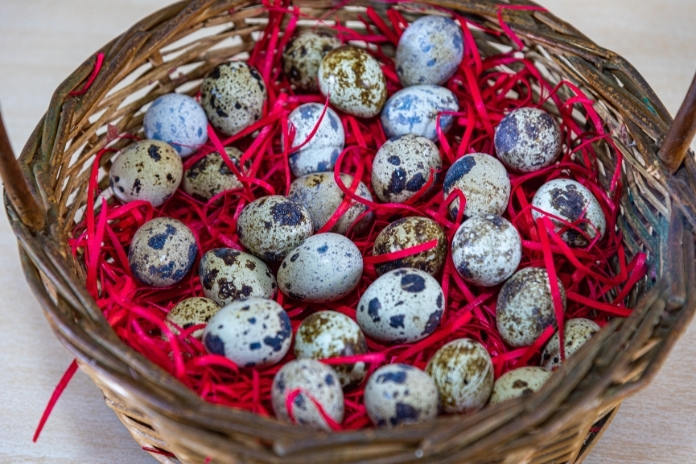
Quails are medium-sized birds that lay small, speckled eggs known as quail eggs. Different species of quail are primarily found across North Africa, Europe, Asia, and the southern United States. While these eggs are significantly smaller than chicken or duck eggs, they pack an impressive nutritional punch, delivering substantial health benefits.
Nutritional Value of Quail Eggs
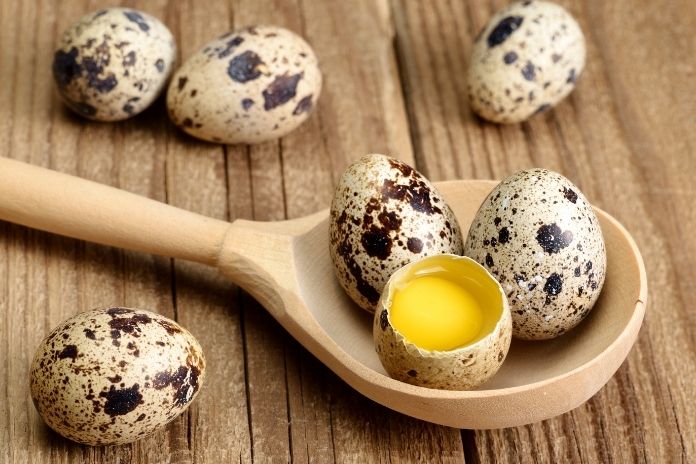
Quail eggs are an excellent source of essential nutrients including phytonutrients, vitamins, antioxidants, and minerals. These tiny eggs provide comprehensive health benefits and contain approximately 13% protein – that’s 2% more than chicken eggs.
Nutrition Facts: Raw Quail Egg
Amount Per 100 grams (1 egg =9grams)
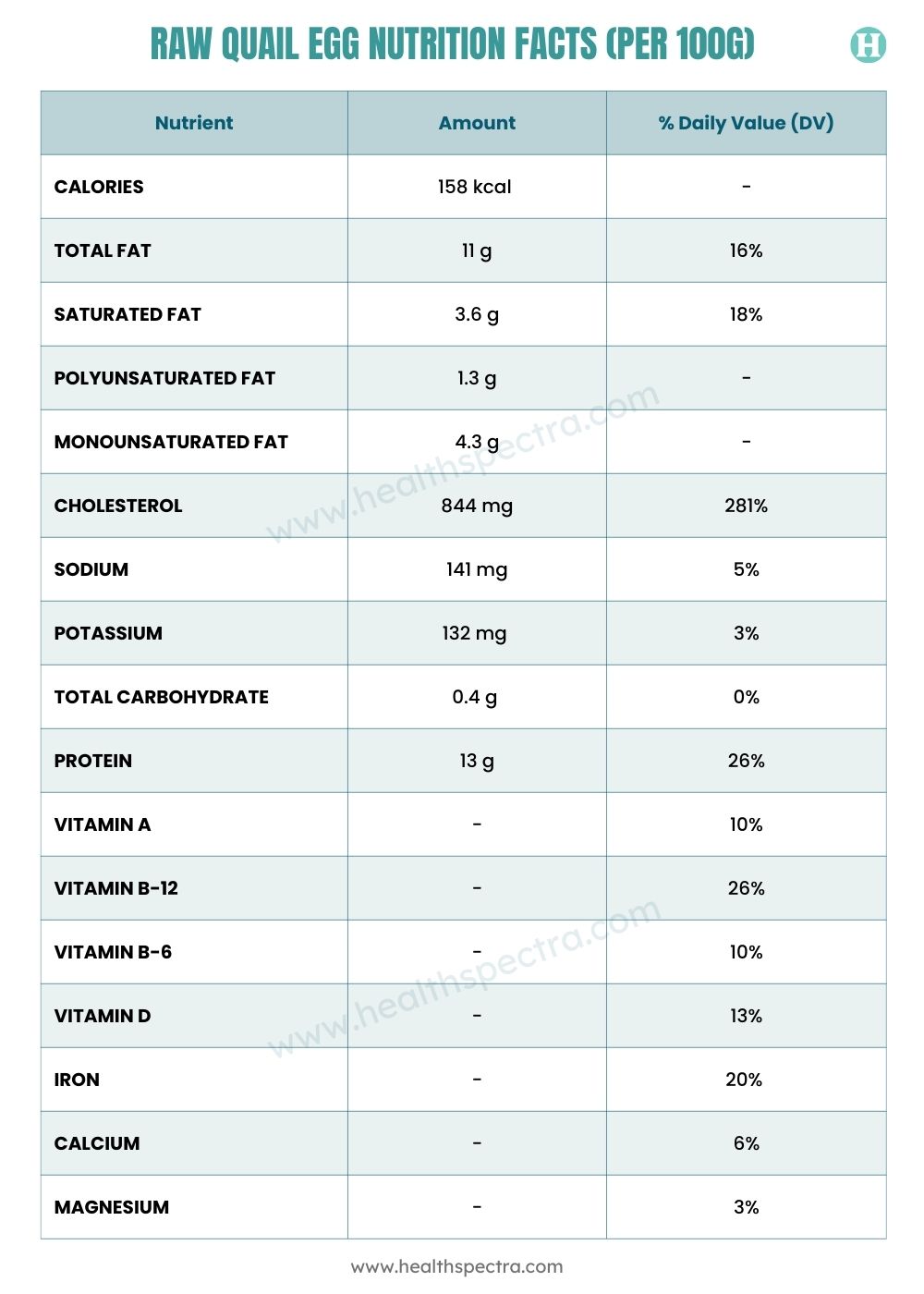 Percent Daily Values based on a 2,000-calorie diet
Health Benefits of Quail Eggs

1. Supports Eye Health
Quail eggs are rich in antioxidants and vitamin A, which play crucial roles in maintaining good vision. Vitamin A is essential for healthy vision and helps prevent night blindness. The nutrients in these eggs fight free radicals in the body, preventing oxidative damage to cells and protecting eyes from age-related conditions like macular degeneration while reducing the risk of glaucoma and cataracts.
Read More: No-Cook Healthy Lunches You Can Take Anywhere
2. Promotes Body Growth
The high protein content and essential amino acids in quail eggs support healthy growth and development, making them particularly beneficial for children and adolescents.
3. Helps Manage Blood Pressure
Regular consumption of quail eggs may help control hypertension due to their potassium content. Potassium acts as a natural vasodilator, relaxing blood vessels and improving circulation, which helps maintain healthy blood pressure levels.
4. Supports Body Detoxification
The nutrients in quail eggs assist the body’s natural detoxification processes, helping to eliminate harmful toxins and support liver function.
5. Maintains Healthy Metabolism
Quail eggs contain essential nutrients that support metabolic function, helping the body efficiently convert food into energy and maintain optimal cellular processes.
6. Boosts Energy Levels
As an excellent source of numerous nutrients, quail eggs provide sustained energy, making them perfect for breakfast. They also support brain development and cognitive function. Vitamin A protects the neurological system from oxidative damage caused by free radicals.
7. Strengthens Immune System
A robust immune system means better protection against illness. Quail eggs help build strong immunity, reducing the risk of common ailments like flu, colds, coughs, and fevers. The antioxidants and lysine present in quail eggs play major roles in building immunity by increasing antibody production.
8. Aids Recovery from Illness
The concentrated nutrients in quail eggs can support faster recovery during illness by providing essential building blocks for healing and immune function.
Read More: Low-Histamine Recipes for People with Food Sensitivities
9. Reduces Risk of Anemia
The iron content in quail eggs helps prevent anemia by supporting healthy red blood cell production, reducing symptoms like dizziness, fatigue, pale skin, and weakness.
10. May Help with Allergies
Some studies suggest that quail eggs may help reduce allergic reactions, though more research is needed to fully understand this potential benefit.
11. Helps Manage Cholesterol
Quail eggs may help balance cholesterol levels by reducing harmful LDL cholesterol while increasing beneficial HDL cholesterol. This helps prevent arterial blockages and reduces the risk of cardiovascular problems like heart attacks, strokes, and irregular heartbeat.
12. Supports Blood Sugar Control
Quail eggs can be beneficial for people with diabetes as they help maintain healthy blood sugar levels. Their low glycemic index means they release sugar into the bloodstream slowly. Research has shown that quail egg consumption significantly reduced hyperglycemia in diabetic rats, and the amino acid leucine also helps regulate blood sugar levels.
13. Promotes Healthy Skin
Regular, moderate consumption of quail eggs supports healthy, glowing skin. The antioxidants, vitamins, minerals, and phytonutrients protect against skin damage and premature aging symptoms like age spots, fine lines, dark spots, wrinkles, and blemishes. These nutrients also support skin elasticity and collagen production.
14. May Help with Depression
The nutrients in quail eggs may help support mental health and mood regulation, potentially providing relief from depression symptoms.
15. Supports Cardiovascular Health
The combination of nutrients in quail eggs supports overall heart health and cardiovascular function.
Read More: What Is Protein Leverage Theory—And Could It Explain Your Cravings and Overeating?
16. Promotes Hair Health
The protein and nutrients in quail eggs support healthy hair growth and strength.
17. Supports Bone Development
Essential minerals in quail eggs contribute to healthy bone formation and maintenance.
18. Supports Oral Health
The nutrients in quail eggs may help reduce oral health problems and support overall dental health.
19. Supports Respiratory Health
Vitamins A and E in quail eggs help maintain lung health and may reduce the risk of respiratory conditions like bronchitis and asthma.
20. May Enhance Sexual Health
Some traditional uses suggest quail eggs may support reproductive health, though scientific evidence is limited.
Read More: The Flexitarian Diet: Balancing Plant-Based and Animal-Based Foods
Potential Side Effects of Quail Eggs

1. Digestive Issues
Consuming more than a moderate amount of quail eggs long-term may cause gastrointestinal problems including flatulence, irritable bowel syndrome, abdominal pain, and indigestion.
2. Risk of Low Blood Pressure
While moderate consumption helps with high blood pressure, excessive intake may cause hypotension (low blood pressure), potentially leading to heart problems like irregular heartbeat, stroke, or heart attack due to high potassium levels.
3. Excessive Antioxidants
While antioxidants are beneficial, consuming too many over long periods may increase cancer risk, as they may begin targeting healthy cells.
4. Allergic Reactions
Some people may be allergic to quail eggs, experiencing symptoms similar to other food allergies.
Read More: The Power of Macronutrients: Understanding Proteins, Carbs, and Fats in Your Diet
5. Risk of Low Blood Sugar
Excessive consumption may cause hypoglycemia (low blood sugar), leading to symptoms like nausea, tingling lips, excessive thirst, anxiety, vomiting, excessive sweating, and blurred vision.
6. Not Recommended During Pregnancy or Nursing
Pregnant and breastfeeding women should avoid quail eggs or consult their doctor before consumption due to potential complications for both mother and baby.
Important: Quail eggs are beneficial only when consumed in moderation. Consult your doctor before adding them to your diet, especially if you have existing health conditions.
Your Guide to Quail Eggs: Cooking & Eating Tips
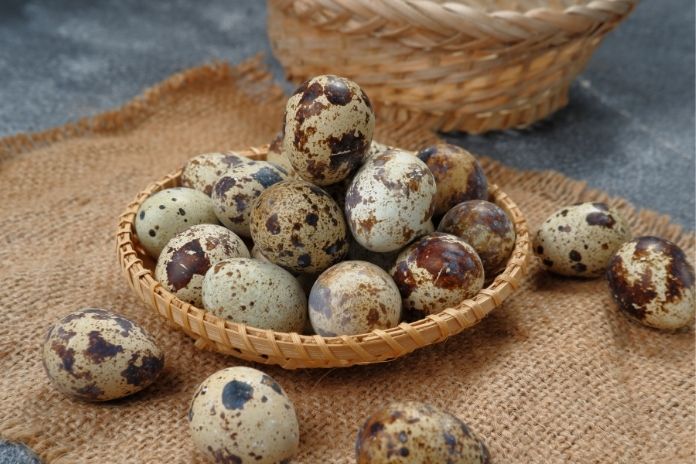
How to Cook and Eat Quail Eggs?
Quail eggs can be boiled and eaten like chicken eggs:
- Fill a small saucepan two-thirds full with water
- Bring to a boil on the stove
- Carefully place 2-3 quail eggs in the boiling water using a spoon
- Boil until desired doneness is reached
- Remove eggs with a spoon
- Cool in normal water for 5 minutes
- Carefully peel the eggs
- Serve immediately
How Long Should You Boil Quail Eggs?
Since quail eggs are smaller than chicken eggs, they require shorter boiling times:
- Soft-boiled with runny yolk:2 minutes
- Soft-boiled:5 minutes
- Medium-boiled:3 minutes
- Hard-boiled:4 minutes
How Many Quail Eggs Can You Eat Per Day?
Despite their small size, don’t eat more than 10 quail eggs daily, as they provide significant amounts of vitamins A and B2, and excess intake isn’t beneficial.
Do Quail Eggs Cause Weight Gain?
Quail eggs are relatively low in calories. Five quail eggs contain about 71 calories – the same as one large chicken egg. Each serving provides 6 grams of protein and they’re not considered a fatty food.
Ready to Try Quail Eggs?
Now that you understand the impressive nutritional profile and health benefits of quail eggs, why not give them a try? These tiny powerhouses could be the perfect addition to your healthy eating routine. Start with a few eggs and see how your body responds. Remember to source them from reputable suppliers and always consult with your healthcare provider if you have any existing health conditions.
Ready to boost your nutrition naturally? Start incorporating quail eggs into your diet today and experience the difference these tiny nutritional gems can make in your overall health and well-being.
Read More: The Carnivore Diet: Examining the All-Meat Eating Trend
Frequently Asked Questions About Quail Eggs
Are quail eggs safe for everyone to eat?
While quail eggs are generally safe for most people, they should be avoided by pregnant and breastfeeding women unless approved by a doctor. People with egg allergies should also exercise caution and consult their healthcare provider.
How do quail eggs compare nutritionally to chicken eggs?
Quail eggs contain more fat, protein, iron, riboflavin, and vitamin B12 by weight compared to chicken eggs. However, they’re also higher in cholesterol, so moderation is key.
Where can I buy quail eggs?
Quail eggs can be found at specialty grocery stores, Asian markets, farmers’ markets, and some health food stores. They can also be ordered online from various suppliers.
Can quail eggs really help with allergies?
Some studies suggest quail eggs may help reduce allergy symptoms, but more research is needed. Always consult with an allergist before using quail eggs as an allergy treatment.
Are quail eggs expensive?
Yes, quail eggs are typically more expensive than chicken eggs due to their specialty nature and smaller production scale. However, many people find the nutritional benefits worth the extra cost.
How should I store quail eggs?
Store quail eggs in the refrigerator just like chicken eggs. They typically stay fresh for 2-3 weeks when properly stored.
Can children eat quail eggs?
Yes, children can eat quail eggs in moderation as part of a balanced diet. However, introduce them gradually and watch for any allergic reactions.
Do quail eggs need to be cooked differently than chicken eggs?
Quail eggs cook much faster than chicken eggs due to their smaller size. Adjust cooking times accordingly to prevent overcooking.
References
- https://ods.od.nih.gov/factsheets/VitaminA-HealthProfessional/
- https://my.clevelandclinic.org/health/diseases/23107-vitamin-a-deficiency
- https://pmc.ncbi.nlm.nih.gov/articles/PMC9339908/
- https://pubmed.ncbi.nlm.nih.gov/27462698/
- https://pmc.ncbi.nlm.nih.gov/articles/PMC5055609/
- https://www.healthline.com/nutrition/quail-eggs-benefits
- https://www.webmd.com/diet/what-to-know-quail-eggs
- https://www.alliedacademies.org/articles/effects-of-quail-coturnix-japonica-egg-diet-on-both-the-blood-sugar-and-the-lipid-profile-of-alloxan-induced-diabetic-albino-rats-10920.html
- https://www.stylecraze.com/articles/health-benefits-of-quail-egg/
- https://www.linkedin.com/in/mary-sabat-4b2524a/
- https://www.healthdigest.com/1696039/eating-quail-eggs-every-day-health-benefits/
- https://bodynetwork.com/author/courtney-pelitera/
In this Article