















Did you know that nearly 2 billion people worldwide are at risk of iodine deficiency? This silent nutritional gap could be affecting your energy levels, weight management, and cognitive function without you even realizing it.
Iodine is one of the most important nutrients your body needs to boost metabolism, regulate thyroid function, and promote healthy growth and development. According to the National Institutes of Health, iodine is essential for thyroid hormone synthesis, which regulates several physiologic processes, including growth, development, metabolism, and reproductive function.
Research shows that iodine deficiency early in life impairs cognition and growth, while iodine status is also a key determinant of thyroid disorders in adults. This makes it crucial to consume iodine-rich foods to avoid iodine deficiency, which can lead to various serious health disorders.
“There are many misconceptions about the thyroid, specifically around diet,” says Northwestern Medicine Endocrinologist Ayla Bakar, MD. “The bottom line is everything is fine in moderation, and food will not affect thyroid function for the most part.”
Eating foods rich in iodine is particularly beneficial for thyroid health, helping to prevent thyroid-related problems. Healthcare professionals also recommend consuming iodine-rich foods during pregnancy to support healthy fetal development.
In this article, we’ll explore everything you need to know about the importance of consuming iodine-rich foods, the symptoms of iodine deficiency, and natural ways to maintain healthy iodine levels in your body.
Read More: Unexplained Fatigue? It Could Be a Thyroid Issue
What Are the Symptoms and Signs of Iodine Deficiency?
Consuming foods with insufficient iodine is the primary cause of iodine deficiency. It’s essential to provide your body with adequate amounts of this vital mineral. Unfortunately, many chemicals added to modern foods can reduce your body’s ability to absorb iodine. A prime example is bromine, which is commonly found in plastic containers and baked goods. Regular consumption of these products can significantly decrease iodine levels in your body.
Hair loss is one of the most noticeable symptoms of iodine deficiency, but you may experience several other warning signs as well. According to the Cleveland Clinic, iodine deficiency can cause severe complications and affect your body’s ability to function properly. Common symptoms of iodine deficiency include:
- Swelling of salivary glands and dry mouth
- Skin problems and dry skin
- Weakness and muscle pain
- Difficulty concentrating and retaining information
- Poor digestion and reduced saliva production
- Increased risk of thyroid disease
- Risk of fibrosis and fibromyalgia
- Developmental problems in infants and children
Top Iodine-Rich Foods to Include in Your Daily Diet
There are numerous iodine-rich foods that can help you combat iodine deficiency and prevent related health issues. Even vegetarians and vegans can find plenty of plant-based options to maintain adequate iodine levels and avoid serious health conditions.
While iodized salt is considered a major source of this essential mineral according to Harvard’s School of Public Health, you can obtain iodine from many other food sources.
1. Baked Potato

Baked potatoes are always a better nutritional choice than mashed potatoes. The potato skin contains essential nutrients, including vitamins, potassium, and fiber. A medium-sized baked potato provides approximately 60 micrograms of iodine, which meets about 40% of your daily recommended intake.
Read More: Best Yoga Poses for Thyroid Treatment
2. Milk
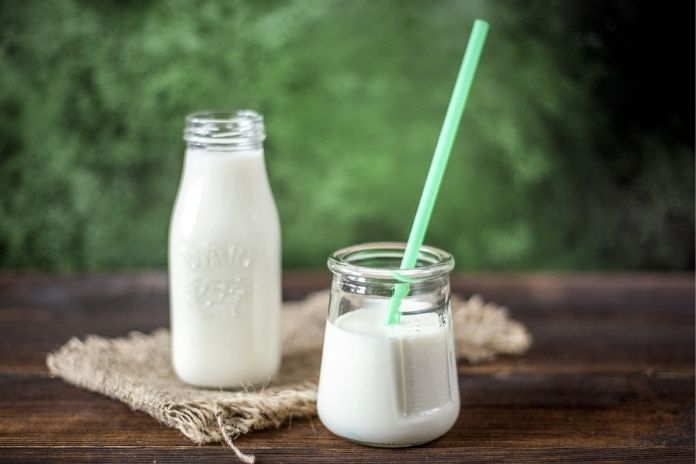
While milk is well-known for its calcium and vitamin content, it’s also an excellent source of iodine. One cup of milk contains around 56 micrograms of iodine, providing about 37% of the average person’s daily iodine requirement.
3. Iodized Salt

It’s important to understand that regular salt and iodized salt are different – your body specifically needs the iodine found in fortified salt. Many manufacturers produce iodized salt that’s high in iodine content. Always check to ensure your salt contains iodine. However, consume salt in moderation to avoid other health complications while still getting the iodine benefits.
4. Shrimp

Seafood has long been recognized as one of the best sources of iodine, with shrimp being an excellent example. Shrimp provides about 35 micrograms of iodine, which is substantial for your daily needs. It also supplies essential nutrients, including vitamins, proteins, and calcium.
Read More: 8 Period Symptoms That Might Actually Be a Thyroid Issue
5. Turkey Breast
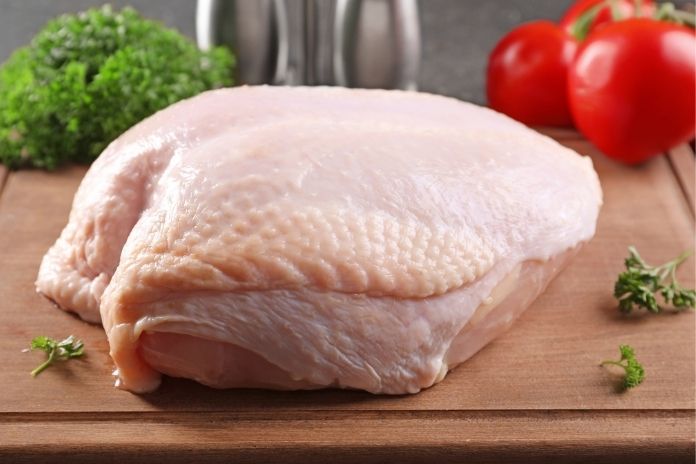
Three ounces of baked turkey breast provides approximately 34 micrograms of iodine. Additionally, turkey breast is rich in B vitamins, phosphorus, and potassium – all essential nutrients for maintaining optimal health.
6. Dried Prunes
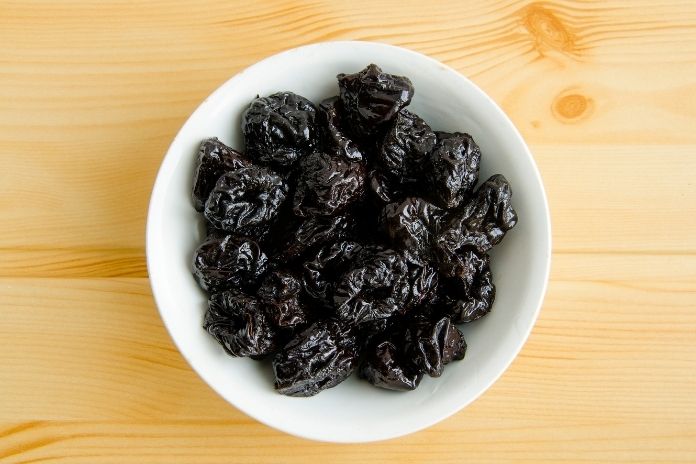
If you’re not eating enough prunes, you’re missing out on important minerals, vitamins, and other essential nutrients. Health experts recommend that about five dried prunes can provide essential fiber, vitamin A, vitamin K, and boron. Prunes are also high in iodine, making them a valuable addition to your diet.
What Are the Best Supplements for Iodine Deficiency?
You may also consider taking supplements to address iodine deficiency. These supplements often provide additional vitamins alongside iodine and are considered an effective treatment for iodine deficiency. Here are some of the best iodine supplements available:
1. Detoxadine
This supplement contains sufficient iodine to help cure iodine deficiency. In addition to boosting your immune system, Detoxadine helps prevent various thyroid problems and may offer protection against radiation exposure. While it comes at a slightly higher price point, it’s well worth the investment considering its significant health benefits.
2. Sea Iodine
For people suffering from severe iodine deficiency or experiencing difficulties with iodine absorption, Sea Iodine can be highly beneficial. However, since it contains high concentrations of active ingredients, it’s recommended to consult with your doctor before taking this supplement. This product is specifically designed for individuals with significant iodine shortages who need rapid correction.
Read More: All You Want to Know About Iodine-Rich Foods
3. Iodoral
Iodoral contains high levels of iodine, and the manufacturer believes people should consume more iodine than traditionally recommended. If you’re comfortable with this approach, Iodoral might be an excellent choice for you. However, since the makers challenge conventional daily iodine intake recommendations, it’s important to use this supplement carefully and monitor how your body responds.
4. Iodine Support
This is a unique type of iodine supplement. Rather than simply providing an iodine dose, this supplement focuses on enhancing your body’s ability to absorb iodine naturally. This can be an amazing solution if you’re experiencing difficulties with iodine absorption.
Tips to Optimize Your Iodine Levels Naturally
Iodine is a powerful mineral that provides numerous important benefits to your body. Consuming iodine-rich foods can help with hypothyroidism and weight management, as iodine and weight loss are interconnected. Maintaining a healthy weight helps prevent obesity-related complications. Here are some natural tips to maintain optimal iodine levels in your body:
- Choose organic foods to reduce pesticide exposure in your body
- Always use glass or ceramic containers to store food in the refrigerator – never use plastic containers
- When selecting flour, ensure it’s made from whole grains and consider grinding your own flour when possible. Also, choose bromine-free baked products
- Check packaged foods for toxic chemicals before purchasing
- Always drink filtered, natural water and avoid soda consumption
- When using a bathtub, opt for ozone purification systems to keep water clean and chemical-free
By following these guidelines and incorporating iodine-rich foods into your daily diet, you can maintain healthy iodine levels and support your overall well-being naturally.
Read More: Struggling to Conceive? Your Thyroid Could Be the Missing Piece in Your Fertility Puzzle
Take Action for Your Health Today
Don’t let iodine deficiency silently impact your health. Start incorporating these iodine-rich foods into your meals this week, and consider consulting with your healthcare provider about testing your iodine levels if you’re experiencing symptoms of deficiency. Your thyroid—and your entire body—will thank you for taking this important step toward optimal health.
“Poor lifestyle choices, such as an unbalanced diet, chronic stress or a lack of exercise, can disrupt your hormone balance and contribute to inflammation, potentially leading to thyroid dysfunction, including an underactive thyroid (hypothyroidism) and an overactive thyroid (hyperthyroidism),” said Thomas McAndrew, M.D., a physician with Inspira Medical Group Primary Care.
Preventive measures like proper nutrition, healthy lifestyle choices, stress management, and regular checkups with your doctor can help reduce your risk of thyroid disorders and support optimal thyroid function.
Frequently Asked Questions
How much iodine do I need daily?
According to the National Institutes of Health, the recommended daily allowance (RDA) for iodine is 150 micrograms for adults, 220 micrograms for pregnant women, and 290 micrograms for breastfeeding women.
Can I get too much iodine?
Yes, excessive iodine intake can be harmful. The tolerable upper intake level is 1,100 micrograms per day for adults. Too much iodine can cause thyroid dysfunction, including both hyperthyroidism and hypothyroidism.
Are iodine supplements safe?
While iodine supplements can be beneficial for those with a deficiency, it’s best to consult with a healthcare provider before starting any supplement regimen. The Mayo Clinic notes that iodine deficiency is rare in the United States due to iodized salt use.
What foods should I avoid if I have thyroid problems?
If you have thyroid issues, consult your doctor about foods that may interfere with thyroid function, such as soy products, cruciferous vegetables in large amounts, and certain supplements.
How can I test my iodine levels?
Your healthcare provider can test your iodine status through urine tests, which are the most reliable method for assessing iodine levels in the body.
Is sea salt a good source of iodine?
Natural sea salt typically contains very little iodine compared to iodized table salt. If you prefer sea salt, make sure to include other iodine-rich foods in your diet.
Can vegetarians and vegans get enough iodine?
Yes, vegetarians and vegans can meet their iodine needs through iodized salt, seaweed, fortified plant-based milks, and certain vegetables grown in iodine-rich soil.
References
- https://ods.od.nih.gov/factsheets/Iodine-HealthProfessional/
- https://pmc.ncbi.nlm.nih.gov/articles/PMC9967346/
- https://pubmed.ncbi.nlm.nih.gov/25591468/
- https://my.clevelandclinic.org/health/diseases/23417-iodine-deficiency
- https://nutritionsource.hsph.harvard.edu/iodine/
- https://www.mayoclinic.org/diseases-conditions/hypothyroidism/expert-answers/hypothyroidism-iodine/faq-20057929
- https://ods.od.nih.gov/factsheets/Iodine-Consumer/
- https://www.nm.org/healthbeat/healthy-tips/nutrition/myths-about-diet-and-thyroid
- https://www.nm.org/doctors/1720284367/ayla-bakar-md
- https://www.inspirahealthnetwork.org/news/healthy-living/8-proactive-steps-maintaining-healthy-thyroid-and-preventing-complications
- https://health.usnews.com/doctors/thomas-mcandrew-636228
In this Article