













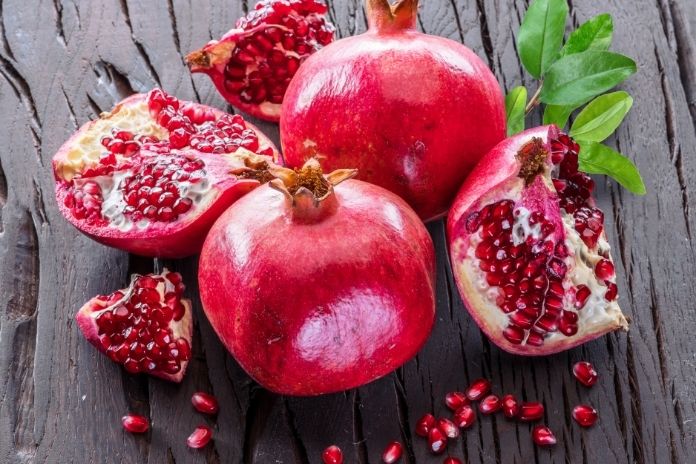
Did you know that ancient physicians once called pomegranates “the pharmacy in one fruit”? This wasn’t just poetic language – modern science has now validated what traditional healers knew centuries ago.
Pomegranate is a beloved fruit known for its sweet and tangy flavor that delights the taste buds. Beyond its delicious taste, this ruby-red fruit offers remarkable health benefits backed by scientific research.
David Heber, MD, founding director of the UCLA Center for Human Nutrition, and Zhaoping Li, MD, chief of the Division of Clinical Nutrition at UCLA, both addressed the variety of health benefits offered by the pomegranate.
“It has the largest and most potent polyphenol antioxidant known,” Dr. Heber said. “And when it gets into your intestine, this polyphenol is broken down to smaller molecules that enter into the bloodstream.”
Pomegranates are considered among the healthiest fruits due to their rich concentration of antioxidants, vitamins, and beneficial plant compounds. If you’ve been curious about pomegranate’s health benefits, read on to discover how these juicy red seeds can effectively support your overall well-being.
Read More: 23 Foods With Electrolytes You Must Include In Your Diet Today
What Are the Science-Backed Health Benefits of Pomegranate?
Numerous studies have investigated the potential health benefits of pomegranates due to their exceptional nutritional value. Research demonstrates the fruit’s antioxidant properties and potential therapeutic applications. Here are 13 evidence-based benefits:
1. Improves Heart Health

Cardiovascular health research on pomegranates shows promise, though more human studies are needed. Pomegranate’s antioxidant and anti-inflammatory properties may offer some heart health benefits.
Research suggests several possible ways pomegranates may support cardiovascular health:
- Blood pressure support: Studies suggest pomegranate juice may help support healthy blood pressure in some individuals.
- Arterial health: Research indicates pomegranates may help support arterial health and circulation.
- Antioxidant support: The high antioxidant content may help protect against oxidative stress that can affect cardiovascular health.
2. Supports Cognitive Function

Pomegranates contain beneficial antioxidants that researchers are studying for their potential effects on brain health and cognitive function. The polyphenols in pomegranates have shown neuroprotective properties in laboratory studies.
There is evidence linking nutrition to dementia, and researchers from the U.S. National Institute on Aging and the University of Copenhagen have discovered that increasing consumption of walnuts, strawberries, and pomegranates may enhance Alzheimer’s patients’ memory.
3. Improves Digestive Health

Pomegranates may help support both digestive health and comfort through multiple mechanisms.
Studies suggest that pomegranate compounds may support digestive health and help with occasional digestive discomfort. Pomegranates contain natural compounds that may help support a healthy digestive system, while their fiber content is essential for digestive health and may help with issues like occasional constipation.
The combination of antioxidant and anti-inflammatory properties, along with natural fiber, may help support digestive wellness and comfort.
For digestive support, consume fresh pomegranate seeds or drink small amounts of 100% pomegranate juice. You can also mix a small amount of 100% pomegranate juice with water. The natural compounds and fiber may help support overall digestive wellness.
Read More: Fruits For Weight Loss: 18 Fruits That Shed Off Unwanted Fats
4. Improves Immunity
Pomegranates support immune system function due to their high concentration of antioxidants, vitamin C, and natural compounds with antimicrobial properties.
Research shows that pomegranates contain significant levels of vitamin C and other antioxidants that help protect cells from free radical damage. These antioxidants may also support healthy aging and immune function.
The antioxidants in pomegranates help protect cells from oxidative stress. Research shows that pomegranate compounds also have anti-inflammatory properties that may support overall immune health.
Consuming pomegranates as part of a balanced diet may help support your body’s natural defenses, especially during cold and flu season.
5. Supports Dental Health
Oral health is crucial for overall wellness, and pomegranates may offer some benefits for dental hygiene.
Research suggests that pomegranate compounds may help support oral health by addressing harmful bacteria that can affect gums and teeth. The antioxidant properties may also help support gum health.
While pomegranates may offer some oral health benefits, they should complement, not replace, regular dental hygiene practices like brushing, flossing, and regular dental checkups.
6. Has Anti-Inflammatory Properties
Chronic inflammation is linked to many health issues, and pomegranates contain compounds that may help support the body’s natural anti-inflammatory processes.
The polyphenols and antioxidants in pomegranates have been shown to have anti-inflammatory effects in laboratory studies. Research indicates that regular consumption of pomegranates may help support the body’s natural response to inflammation.
While more human research is needed, incorporating anti-inflammatory foods like pomegranates into your diet may contribute to overall wellness and healthy aging.
Read More: Are Hybrid Fruits Healthier? What You Need to Know About Crossbred Produce
7. Supports Menstrual Health

Some women find that pomegranates may help support menstrual comfort and regularity.
Traditional and preliminary research suggests that pomegranate compounds may help support menstrual health through their antioxidant and anti-inflammatory effects. Some women report improved menstrual comfort when consuming pomegranates regularly.
If you experience severe menstrual issues, consult with your healthcare provider for proper evaluation and treatment. Pomegranates may be a helpful addition to an overall healthy lifestyle, but should not replace medical treatment when needed.
8. Supports Healthy Aging

Aging is a natural process influenced by many factors, including oxidative stress and cellular damage. Research has investigated the potential role of pomegranate in supporting healthy aging.
Studies suggest that pomegranate compounds may help protect against cellular oxidation, which is associated with aging processes. The high antioxidant content may contribute to cellular health and support the body’s natural repair processes.
While pomegranates cannot prevent aging, consuming them as part of a balanced diet rich in antioxidants may contribute to healthier aging and overall wellness throughout life.
9. Pomegranate and Prostate Health

Prostate health is a common concern among men as they age. Preliminary Research indicates that pomegranate juice may help slow the rate of prostate-specific antigen (PSA) rise in some men, which could be beneficial for overall prostate health.
However, this research is still in early stages and should not replace conventional medical treatment.
Read More: Lack Of Fruits And Vegetables In The Diet Can Impose Risks to Heart Health
10. Pomegranate and Breast Health
Preliminary laboratory studies have investigated pomegranate’s potential effects on breast health, particularly related to hormone-sensitive conditions. Research suggests that ellagitannins in pomegranates may influence certain enzymatic activities in laboratory settings.
However, this research is primarily from test-tube and animal studies, and more human clinical trials are needed to determine any real-world applications for breast health.
11. Supports Healthy Blood Pressure

Normal blood pressure is approximately 120/80 mmHg. Maintaining steady blood pressure is crucial for proper body function, as hypertension is a primary contributor to heart disease risk.
Studies suggest that pomegranates may help support healthy blood pressure levels, possibly through their antioxidant and anti-inflammatory properties. Some research indicates pomegranate compounds may support vascular health and circulation.
Important: Pomegranates should not replace prescribed blood pressure medications. Always consult your healthcare provider before using pomegranates as part of a blood pressure management plan.
12. Pomegranate for Diabetes Management

The relationship between pomegranates and diabetes management is nuanced but promising. While pomegranates won’t cure diabetes, they can be safely consumed by diabetic patients in moderate amounts.
Pomegranates are rich in polyphenols with powerful antioxidant properties that benefit overall health. Although the fruit contains natural sugars, these sugars are bound to antioxidants, making them less problematic for diabetic patients compared to other sugary foods.
Can diabetic patients eat pomegranates? Yes, but in reasonable quantities. The antioxidants help improve overall body function and eliminate harmful free radicals. While pomegranates don’t cure diabetes, studies from the NIH show they may provide some metabolic benefits for diabetic individuals when consumed as part of a balanced diet.
13. Pomegranate for Weight Management

One of the notable benefits of pomegranate is its potential role in supporting healthy weight management.
Pomegranates are packed with antioxidants, polyphenols, and beneficial acids that may support healthy metabolism. Additionally, the fruit’s fiber content and natural compounds may help with satiety, potentially reducing overeating and supporting weight management goals.
For optimal results, eat fresh pomegranate seeds as a nutritious snack between meals. The fiber content helps you feel full while providing essential nutrients. Remember that no single food causes weight loss – pomegranates work best as part of an overall healthy diet and lifestyle.
How Much Pomegranate Should You Consume Daily?
According to the United States Department of Agriculture (USDA), daily pomegranate consumption recommendations vary by gender:
- Men: Up to 2 cups of pomegranate seeds daily
- Women: Up to 1.5 cups of pomegranate seeds daily
- Pomegranate juice: 4-8 ounces of 100% pomegranate juice daily
Always stick to suggested quantities and choose 100% pomegranate juice without added sugars when selecting juice products.
Who Should Exercise Caution with Pomegranates?
While pomegranates are safe for most people, certain groups should exercise caution:
- Diabetic patients: Monitor blood sugar levels and consume in moderation due to the natural sugar content
- People taking blood pressure medications: Pomegranates may enhance the effects of blood pressure medications
- Those taking blood thinners: Consult your healthcare provider, as pomegranates may interact with certain medications
- Pregnant women: Stick to moderate amounts of fresh fruit and juice; avoid concentrated extracts
Potential Side Effects of Pomegranates

While generally safe, excessive pomegranate consumption may cause:
- Medication interactions: May interfere with certain medications, particularly blood thinners and blood pressure medications
- Allergic reactions: Some people may experience allergic reactions, including skin rashes or digestive upset
- Digestive issues: Excessive consumption may cause stomach discomfort in some individuals
- Blood sugar effects: People with diabetes should monitor their blood sugar levels when consuming pomegranates
- Blood pressure effects: May enhance the blood pressure-lowering effects of medications
Read More: 10 Powerful Benefits of Passion Fruit for a Healthier You
Conclusion
Pomegranates offer several well-documented health benefits, particularly due to their high antioxidant content, vitamin C, and anti-inflammatory properties. The strongest evidence supports their role in cardiovascular health, antioxidant protection, and overall nutritional value as part of a healthy diet.
While research shows promise in areas like cognitive function, immune support, and anti-inflammatory effects, it’s important to remember that pomegranates work best as part of an overall healthy lifestyle. No single food is a cure-all, and more human clinical trials are needed to fully understand all potential benefits.
Ready to add pomegranates to your healthy routine? Start by incorporating this nutritious fruit gradually into your diet. Begin with small amounts – perhaps half a cup of fresh seeds or 4 ounces of 100% pomegranate juice – and monitor how your body responds.
Remember to consult with your healthcare provider before making significant dietary changes, especially if you have existing health conditions or take medications. While pomegranates offer many potential benefits, they should complement, not replace, proper medical care and a balanced diet.
Frequently Asked Questions (FAQ)
Q: Can I eat pomegranates every day?
A: Yes, most healthy adults can safely consume pomegranates daily within the recommended amounts (1.5-2 cups of seeds for women and men, respectively). However, people with diabetes should monitor their blood sugar levels and may want to consume them every other day.
Q: What’s the best time to eat pomegranates?
A: Pomegranates can be consumed at any time, but eating them as a snack between meals may help with satiety and provide sustained energy. Avoid consuming large amounts late at night, as the natural sugars might affect sleep quality.
Q: Are pomegranate supplements as effective as fresh fruit?
A: Fresh pomegranates and 100% pomegranate juice generally provide more comprehensive benefits than supplements because they contain the full spectrum of nutrients, fiber, and natural compounds working together. Supplements may be more concentrated but lack other beneficial components found in whole fruit.
Q: Can pomegranates interact with medications?
A: Yes, pomegranates can interact with certain medications, particularly blood thinners, blood pressure medications, and cholesterol-lowering drugs. Always consult your healthcare provider before consuming pomegranates regularly if you take prescription medications.
Q: How do I know if I’m allergic to pomegranates?
A: Pomegranate allergies can cause symptoms including facial redness, skin rashes, difficulty breathing, or digestive upset. If you experience any of these symptoms after consuming pomegranates, discontinue use and consult a healthcare provider immediately.
Q: Is pomegranate juice as healthy as eating the whole fruit?
A: While pomegranate juice retains many beneficial antioxidants, eating the whole fruit provides additional benefits from fiber and helps control the intake of natural sugars. If choosing juice, opt for 100% pomegranate juice without added sugars and consume in moderation.
Q: Can children safely consume pomegranates?
A: Yes, pomegranates are generally safe for children over 12 months old. Start with small amounts to ensure they don’t have allergic reactions. The seeds can be a choking hazard for very young children, so supervise consumption or consider giving them diluted juice instead.
Q: Do pomegranates help with weight loss?
A: Pomegranates may support weight management through their fiber content and potential effects on satiety, but they are not a weight loss cure. They work best as part of an overall healthy diet and active lifestyle for weight management goals.
References
- https://www.ncbi.nlm.nih.gov/pmc/articles/PMC4007340
- https://www.ncbi.nlm.nih.gov/pubmed/23684435
- https://www.ncbi.nlm.nih.gov/pmc/articles/PMC5555799
- https://www.ncbi.nlm.nih.gov/pmc/articles/PMC3245758
- https://www.mayoclinic.org/diseases-conditions/high-blood-pressure/in-depth/high-blood-pressure/art-20045868
- https://www.ncbi.nlm.nih.gov/pmc/articles/PMC3612487
- https://www.health.harvard.edu/heart-health/pomegranates-super-heart-food
- https://www.ncbi.nlm.nih.gov/pmc/articles/PMC5672313
- https://www.ncbi.nlm.nih.gov/pubmed/23528829
- https://www.ncbi.nlm.nih.gov/pmc/articles/PMC3678830
- https://www.nia.nih.gov/alzheimers/clinical-trials/pomegranate-juice-and-memory
- https://www.sciencedirect.com/science/article/pii/S2090506816301968
- https://www.linkedin.com/in/david-heber-9b998334
- https://www.uclahealth.org/providers/zhaoping-li
- https://www.uclahealth.org/news/article/health-benefits-of-pomegranates-extend-throughout-the-body
- https://www.lifeextension.com/magazine/2017/9/pomegranate-improves-markers-of-aging
- https://nypost.com/2024/06/07/health/alzheimers-patients-could-help-alleviate-symptoms-by-eating-this-food-study
In this Article