












Your immune system doesn’t just start working when you catch a cold. It does its resetting and rebalancing overnight. Mornings are when it is most responsive to cues from the environment and behavior. Cortisol and other hormones, immune messengers like cytokines, gut motility, and inflammatory signaling follow daily rhythms linked with your morning waking routine.
This is the reason why morning habits for strong immunity matter way more than most people think. What you do in the first few minutes of the day directly influences inflammation levels, gut health, and immunity. This determines how well your body can fight infections later.
People who rarely get sick are not dependent on luck. They are practicing consistent behaviors every single morning that boost their immunity. In this article, we will learn more about this.
Read More: Healthy Aging: Tips and Habits for a Vibrant Life After 50
1. They Don’t Rush Out of Bed – They Start with a Slow Wake-Up
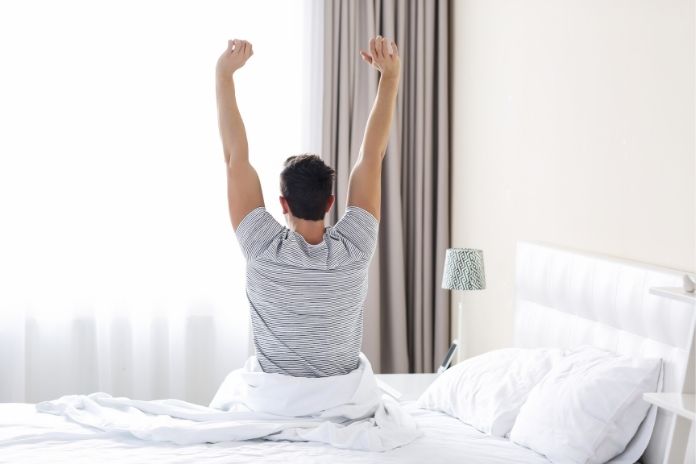
One of the most overlooked immune-boosting morning routine habits is how you actually wake up. Jumping right out of bed immediately triggers a sharp cortisol spike, activating the body’s stress response. When it is repeated daily, it can impair immune regulation over time.
People who seldom get sick allow their nervous system to transition gradually from sleep to wakefulness.
Here’s how a slow wake-up supports stress and immune function:
- Preventing sudden surges of cortisol that suppress the immune cell activity.
- Allowing the blood pressure and heart rate to normalize smoothly.
- Supporting lymphatic flow is an important aspect of immune protection.
Simple practices include slow nasal breathing, light stretching, or sitting upright for a minute before standing. This little break decreases inflammation and supports long-term immune resilience.
2. They Hydrate Before Doing Anything Else
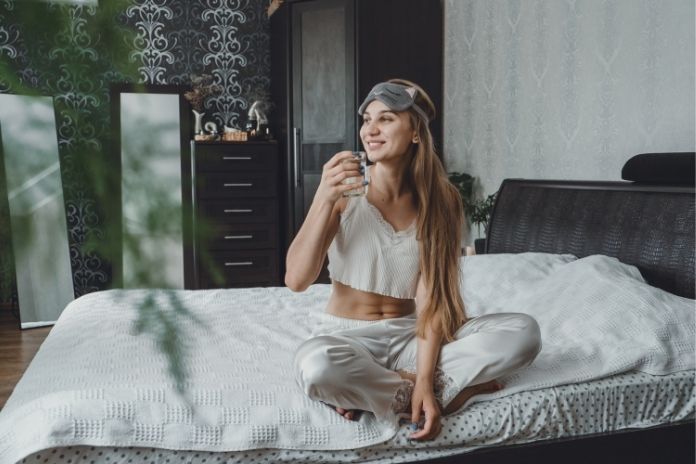
Hydration and immunity go together. At night, your body loses water through breathing and sweating, causing a mild degree of dehydration in the morning. This weakens mucosal barriers in the nose, throat, and gut-the very first line of defense against viruses and bacteria.
People who seldom get sick stress hydrate as soon as they wake up, because:
- Rehydrates immune tissues, improves circulation.
- Supports lymphatic detoxification and removal of waste.
- Improves digestion and gut motility, therefore influencing gut health and immunity.
Warm or room-temperature water works best. Adding lemon or electrolytes can be beneficial. However, plain water itself already strengthens immune preparedness.
3. They Get Natural Sunlight Within The First Hour
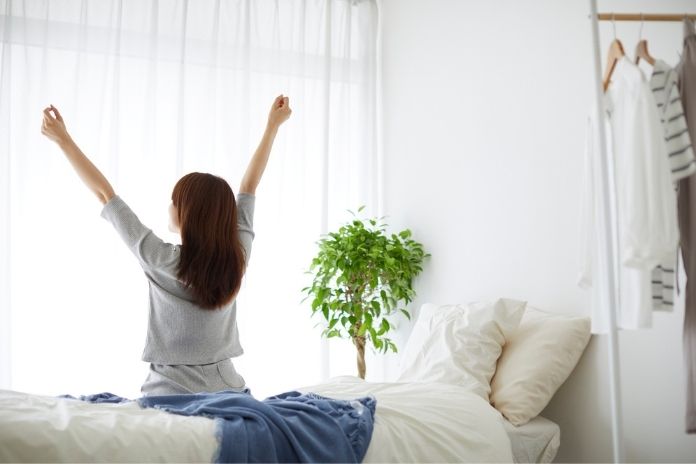
Morning sunlight is key, but its benefits go far beyond mood. Light exposure early in the day directly regulates your body clock and strengthens the circadian rhythm-immune system connection.
“Morning sunlight is one of the strongest signals for resetting the body’s circadian rhythm,” says Dr Michael Howell, MD, a sleep medicine physician and chief medical officer at GEM Sleep.
Natural light exposure serves to:
- Timing of melatonin and cortisol regulation.
- Improving the quality of sleep the next night.
- Supporting vitamin D synthesis, which plays an essential role in immune defence.
The more powerful the circadian rhythm, the quicker the immune cells react to an attack. Even 5–15 minutes of outdoor light, on a balcony, at a window, or on short walks, significantly boosts immunity.
This is why people who focus on strengthening their immune system health take sunlight as a daily non-negotiable.
4. They Move Their Body (Even a Light Activity Counts)

You don’t need intense workouts to support immunity. Morning movement is about circulation, not calorie burn. Light activities promote the flow of blood and lymphatic drainage. Both of these are essential in transporting immune cells.
Exercise supports immune function by:
- Enhancing immune protection.
- Reducing systemic inflammation.
- Improving insulin sensitivity and hormonal balance.
The everyday habits of people who never get sick in the morning include walking, light yoga, mobility drills, or breathing-based exercises. Even 5–15 minutes helps reset the immune system in the morning routine.
5. They Eat A Fiber-Rich Breakfast That Nurtures Their Gut Health

Almost 70% of your immune system is in your gut. Gut health and immunity are interrelated. A fiber-rich breakfast feeds good gut bacteria that control inflammation and immune signaling.
People who rarely get sick choose breakfasts that include the following:
- Whole grain oats.
- Berries, rich in polyphenols.
- Yogurt or kefir with probiotics.
- Chia seeds, nuts, and seeds for prebiotic fibre.
These foods strengthen the gut barrier while improving the immune response. On the other hand, excess sugar and ultra-processed breakfast foods inflame and weaken immunity.
Read More: Millet vs. Oatmeal for Breakfast: Which Is Healthier for You?
6. They Do Not Check Their Phone First Thing

Immediately checking your phone upon waking causes spikes in dopamine and cortisol related to stress. This puts the body into fight-or-flight mode before the immune system has stabilized.
Early-morning digital reduction improves stress and immune function by:
- Reducing baseline cortisol levels.
- Improving concentration and emotional regulation.
- Lowering inflammation associated with chronic stress
People who rarely get sick usually wait 10–30 minutes before using the phone because their morning immune system routine builds calm, not chaos.
7. They Practice Some Form Of Mindfulness Or Stress-Lowering Ritual
Chronic stress ranks among the strongest of known immune suppressors. High levels of stress hormones lower antibody production and also impair communications between immune cells.
Common stress-reducing behaviors of persons not frequently falling ill include:
- Journaling for processing thoughts
- Meditation or prayer
- Gratitude practices
Slow breathing activates the parasympathetic nervous system. Since these practices directly improve stress and immune function, they form a vital part of daily habits that lead to better immunity.
8. They Keep a Consistent Wake-Up Time (Even on Weekends)
Irregular sleep timetables upset the circadian rhythm-immune system link. Immune cells, such as T-cells and natural killer cells, follow daily timing cues.
Consistency in wake-up time helps with:
- Enhancing immune cell responsiveness
- Improve hormone balance
- Improving infection-fighting efficiency
People who seldom get sick protect their schedules, knowing that rhythm, not perfection, gives them immune strength.
9. They Support Nasal & Respiratory Health
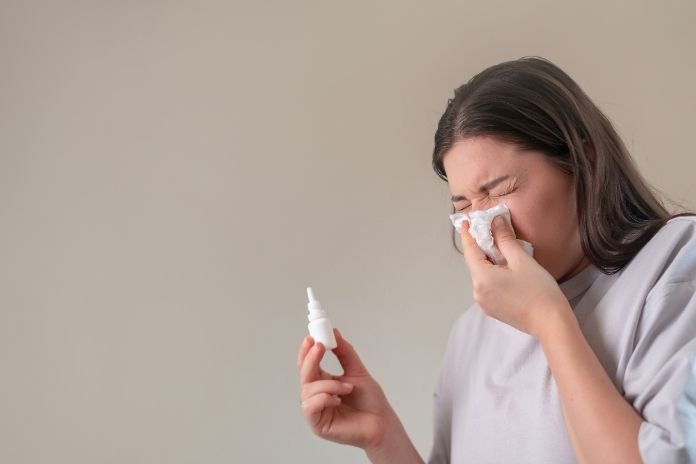
The nose and upper airway act as the key first-line immunological barriers. Preserving mucosal integrity limits viral entry and growth.
Common practices include:
- Saline nasal sprays or rinses.
- Using humidifiers in dry areas.
- Brief steam inhalation.
These habits preserve respiratory tissue moisture and integrity to support immune barriers.
10. They Go Outside And/Or Get Fresh Air

Fresh air promotes oxygen delivery, lung function, and improves mood. Even short exposure helps the immune function. You can:
- Improve circulation.
- Reduce indoor air irritants.
- Maintain respiratory health support.
Two to five minutes outside or near an open window can make a significant difference.
Read More: 10 Ultimate Ways To Boost Immunity For A Healthy Living
11. They Prioritize Sleep the Night Before

Here’s the real secret behind what people who rarely get sick do: they sleep well. Restorative sleep is when immune memory forms and repair processes peak.
Strong sleepers experience:
- Lower risk of infection.
- Faster recovery from illness.
- Stronger antibody responses.
The key to boosting immunity naturally is seven to nine hours of quality sleep. No morning habit can replace poor sleep fully.
When Morning Habits Aren’t Enough: Signs Your Immunity Needs Attention
If you fall sick often, take a long time to recover, always feel fatigued, have gut problems, or are highly stressed, your immune system may need deeper support regardless of your healthy morning habits.
Possible next steps include:
- Checking vitamin levels, especially Vitamin D, B12, and zinc.
- Assessing thyroid function, addressing chronic stress, or sleep disorders.
The morning routine can indeed be powerful, but it usually works best as part of a holistic health approach.
Conclusion
People who rarely get sick aren’t just genetically lucky. Their daily choices-especially in the morning-consistently strengthen immune defenses. These healthy morning habits regulate stress, support gut health, align circadian rhythms, and improve immune readiness.
The good news is that anyone can start with these simple, science-backed behaviors. The immune-boosting morning routine doesn’t need perfection, just consistency. Over time, these tiny actions build on each other toward stronger immunity and fewer sick days.
References
- Sleep & immunity (Sleep Foundation)
Sleep Foundation. (n.d.). How sleep affects immunity. Sleep Foundation. - Su et al. (2022) — Broken circadian clock
Su, K., Din, Z. U., Cui, B., Peng, F., Zhou, Y., Wang, C., Zhang, X., Lu, J., Luo, H., He, B., Kelley, K. W., & Liu, Q. (2022). A broken circadian clock: The emerging neuro-immune link connecting depression to cancer. Brain, Behavior, & Immunity – Health, 26, 100533. PubMed - Times of India article
Singh, S. (2025, December 4). Why scrolling your phone first thing in the morning could increase anxiety and stress: AIIMS neurologist explains. Times of India. - JustAddBuoy blog (hydration & immunity)
JustAddBuoy. (2020, December 10). Hydration and your immune system: All the need-to-knows. - Wiertsema et al. (2021) — Gut microbiome & immune system
Wiertsema, S. P., van Bergenhenegouwen, J., Garssen, J., & Knippels, L. M. J. (2021). The interplay between the gut microbiome and the immune system in the context of infectious diseases throughout life and the role of nutrition in optimizing treatment strategies. Nutrients, 13(3), 886. PubMed - CDC — Enhancing immunity
Centers for Disease Control and Prevention. (2025, November 19). Healthy habits: Enhancing immunity. U.S. Department of Health and Human Services. - LiveWell Twin Cities — Start day with natural light
LiveWell Twin Cities. (n.d.). Start your day with natural light.
In this Article