













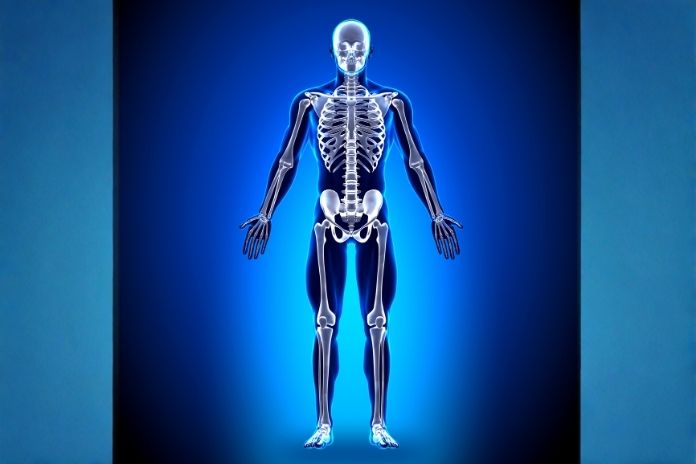
People usually think strong bones are all about calcium. Drink some milk, pop a supplement, done. But your skeleton’s way more complex than that. It’s not just some chalky stick soaking up minerals. Your bones are alive, always busy. Through a process called remodeling, they’re constantly tearing down old tissue and building fresh layers, keeping themselves strong and ready for whatever you throw at them.
Consider your skeleton to be a work of architectural art. Sure, calcium loads up your bones with the raw minerals, but protein is really the backbone; think of it as the steel rods holding everything up. Phosphorus?
That’s the glue that locks the whole structure together, turning those minerals into solid bone. Take any one of these out, and the whole setup gets shaky.
In this article, you’ll get the real story on how bones get their strength and how to fuel them the right way.
Read More: Natural Ways to Build Healthy Bones
The Overlooked Allies in Bone Health
Why Calcium Isn’t Enough
There is no question about the necessity of calcium. Nearly all the calcium in your body, about 99%, lives in your bones and teeth. It’s actually the most common mineral we have. But here’s the thing: calcium only really does its job when it’s got the right support.
Without vitamin D to help you absorb it, phosphorus to lock it into your bones, and enough protein to build a strong framework, it can’t do much. So, just eating calcium isn’t enough. Your body needs the whole team working together.
According to research published in Nutrients (NIH), bone density is not solely determined by calcium but rather by a complex interaction of minerals, hormones, and structural proteins. Ignoring its companions and concentrating only on calcium is like pouring concrete without rebar.
Phosphorus — The “Mortar” in Your Skeleton
Although phosphorus plays an essential role in bone health, many people rarely discuss it in conversations about bones. Strong, healthy bones are built and maintained by the amazing synergistic relationship between calcium and phosphorus. Each of them has a unique but equally important role in bone structure and function, making them more than just coworkers.
Together with calcium, phosphorus creates hydroxyapatite, a mineral that gives bones their strength, density, and hardness.
Your bones and teeth usually contain about 85% of the phosphorus in your body. It is a component of the bone matrix itself and does more than float about in your blood doing strange tasks. It indicates that it is integrated into the structure rather than being a supporting component.
Protein — The “Framework” That Holds It All Together
Most individuals are usually surprised to learn that protein, primarily type I collagen, accounts for almost 50% of bone volume. Protein is essential for your body’s development, upkeep, and repair. Scientists refer to amino acids as the “building blocks of life” because they form the foundation of proteins.
The form and function of cartilage, muscles, bones, skin, and even your hair and nails are all influenced by protein, which is a necessary component of every cell in your body.
Protein has a role in growth, maintenance, and repair as well as several other biological functions, such as:
- Biochemical processes
- Communications between cells
- Preserving the pH of your body
- Keeping your body’s fluids in balance
How Protein and Phosphorus Work Together for Strong Bones

The Synergy Effect
Beyond promoting collagen formation, sufficient protein intake improves the gut’s absorption of calcium and phosphorus. Additionally, it promotes the synthesis of the hormone insulin-like growth factor (IGF-1), which stimulates bone growth and remodeling.
Protein, however, helps maintain muscle mass, which keeps bones mechanically loaded, and bone grows denser in response to mechanical stress.
In summary, calcium, phosphorus, and protein not only coexist but also enhance one another. Your lunch provides an ideal opportunity to harness the combined effects of these nutrients.
The Ideal Balance of Calcium and Phosphorus
Calcium and phosphorus both work hand in hand in the body, and your system goes to great lengths to keep both in balance. Several organs and hormones jump in to regulate these minerals, because that balance matters a lot.
It keeps your cells signaling, holds your DNA together, strengthens your bones, lets your muscles contract, helps blood clot, and keeps your nerves firing the way they should.
In particular, the kidneys, bones, and intestines are the organ systems that are involved in maintaining calcium and phosphorus homeostasis.
Vitamin D, parathyroid hormone (PTH), calcitonin, and fibroblast growth factor (FGF23) are among the hormones that contribute to the equilibrium of calcium and phosphorus. To balance your intestines, kidneys, and bones, these hormones cooperate.
An imbalance in any of these hormones or organ systems can affect calcium and phosphorus homeostasis and directly affect bone health.
Read More: 9 Astounding Foods For Stronger Bones
Why Too Much Processed Phosphorus Can Backfire
According to a recent study, a lower total calcium-to-phosphorus ratio is associated with higher dietary phosphorus intake than calcium intake. When people consume too little calcium and too much phosphorus, they increase their risk of impaired arterial development, bone loss, and even death.
Your bones become weak due to calcium being drawn out of them by bodily changes brought on by excess phosphorus. Dangerous calcium deposits in the heart, lungs, eyes, and blood vessels are another consequence of elevated phosphorus and calcium levels.
It may eventually raise the risk of a heart attack, stroke, or even death. Controlling calcium and phosphorus is crucial for your general well-being.
Bone-Building Foods to Include in Your Lunch

You can use your lunch plate as a support structure. Let’s construct it.
Dairy products: Milk, cheese, and yogurt provide a good dose of phosphorus, vitamin D, and protein, all of which help your body absorb calcium and put it to good use.
Leafy greens: Just like kale and spinach, collard greens are another solid choice. They’re full of calcium and vitamin K, which both support strong bones. And don’t forget the antioxidants that help protect your bones and keep them sturdy as you get older.
Fatty fish: Omega-3 fatty acids and vitamin D, which are essential for bone health, are found in salmon, mackerel, and sardines. While omega-3 fatty acids help reduce inflammation, which can weaken the bones, vitamin D helps the body absorb calcium.
Tofu: This plant-based protein, which is high in calcium, promotes bone mass. Some varieties provide even greater benefits because manufacturers fortify them with additional calcium. Tofu also contains isoflavones that may help prevent bone loss.
Almonds: Eating almonds is great for your bones. They’ve got calcium, magnesium, and protein, exactly what your bones need to stay strong. Plus, they’re good for your heart, too.
Fortified plant milks: Manufacturers fortify almond, soy, and oat milks with calcium and vitamin D, making them excellent substitutes for dairy. These nutrients help prevent bone loss and maintain strong bones.
Read More: Yoga Positions to Strengthen Bones and Support Osteoporosis Management
Balanced Lunch Ideas for Stronger Bones
Salmon and Quinoa Salad
Quinoa topped with wild salmon, arugula, pumpkin seeds, and lemon vinaigrette.
Why it functions:
- Protein + vitamin D = Salmon
- Phosphorus + magnesium = Quinoa
- Potassium + good fats = Seeds
Lentil and Spinach Soup
Spinach, carrots, and garlic are cooked with a thick lentil base.
Why it functions:
- Plant protein + phosphorus = lentils.
- Folate, iron = spinach
- Fiber promotes intestinal health, which is crucial for absorbing nutrients
Tofu and Broccoli Stir-Fry
Sautéed broccoli, bell peppers, and sesame seeds with calcium-set tofu.
Why it functions:
- Protein + calcium = tofu
- Broccoli can provide vitamin K.
- Protein + healthy fats = sesame
Chicken and Bean Salad with Yogurt Dressing
Cucumber, cherry tomatoes, mixed beans, grilled chicken, and a Greek yogurt-based vinaigrette.
Why it functions:
- High-quality protein is chicken
- Protein + Iron = Beans
- Probiotics + calcium = yogurt
Nutrient Boosters to Enhance Bone Strength
A few other nutrients function as multipliers for skeletal health in addition to the core of calcium, phosphorus, and protein:
B12: Insufficient amounts of vitamin B12 can cause your bones to become brittle, which raises your risk of fractures. Increasing vitamin B12 intake can support bone mineral density development. The standard recommendation is to consume approximately 2.4 micrograms of vitamin B12 daily.
Vitamin D: Your body needs vitamin D to help absorb calcium. When combined, they offer defense against conditions that weaken bones, such as osteoporosis. Fifteen to twenty micrograms is the daily requirement. Over-70-year-olds might be prescribed a slightly higher dosage.
Magnesium: Essential for maintaining strong bones, muscles, and nerves. Additionally, it can support the body’s ability to maintain blood sugar levels. Individuals who consume insufficient amounts of magnesium may be more susceptible to osteoporosis and diabetes.
Health experts generally recommend that adults consume 300–400 mg of magnesium daily, and they often advise pregnant women to take a slightly higher amount.
Vitamin K: It plays a very major role in keeping bones strong. It helps blood clot and protects you from osteoporosis. Adults need about the same number of micrograms of vitamin K each day as their body weight in kilograms. So, if you weigh around 80 kilos, aim for at least 80 micrograms daily.
Read More: Carpal Tunnel vs Regular Wrist Pain: How to Tell the Difference
Conclusion
You need a mix of proteins that help your bones bend instead of breaking, phosphorus makes them sturdy, and nutrients like zinc, magnesium, vitamin D, and vitamin K keep things in sync.
When you pull all these from real, unprocessed foods, they work together to protect your bones for years to come.
References
- Margaret Martin. (January 14, 2025). Protein for Osteoporosis and Bone Health: The Protein Prescription Diet.
- MoreLife Health. (June 14). The Complete Guide To Strong Bones Over 60.
- Angelica Stabile. (June 4, 2025). 6 foods you should be eating for stronger bones, according to nutritionists.
- Ubie Health. (January 2, 2026). Osteoporosis: Why Calcium Supplements Aren’t Enough: The Dangers of Ignoring Resistance Training.
- DrUchen.net. (January 15, 2026). Phosphorus: A Key Component of Bone Structure.
- UNC Gillings School of Global Public Health. (2015, November 24). Study finds older adults consume too much phosphorus, too little calcium.
- National Kidney Foundation. (2024, July 16). Phosphorus and your CKD diet.:
- NHS. (2024, April 25). Food for healthy bones.
- Tamara Sims-Dorway, RD, LD. (October 03, 2023). Concerned About Bone Health? Here Are Essential Nutrients To Keep You Going Strong.
- Practice Plus Group. (2023, October 12). Best foods and vitamins for bone and joint health.
In this Article