










If a doctor has told you that you have high blood pressure, you might wonder whether your diet affects it. Yes, is the response. Diet and other kinds of lifestyle choices can significantly reduce blood pressure.
In fact, simply altering their diet can help some older persons regulate their blood pressure. They may then require less or no blood pressure medication as a result of this. You can monitor your blood pressure at home using a blood pressure monitor.
Although high blood pressure usually shows no symptoms, there can be other serious health hazards associated with it. In addition to adopting natural methods to lower blood pressure, treatment may also involve the use of medication.
“Blood pressure significantly impacts your overall cardiovascular health,” says Dr. Lola Ojutalayo, MD, a Mass General Brigham interventional cardiologist and medical director of the Cardiac Catheterization Lab and the Cardiac Rehabilitation Program at Salem Hospital. “High blood pressure increases the force of your blood through your arteries, which can lead to organ damage.”
Read More: Healthy Cooking Made Easy: 10 Must-Have Cookbooks for Hypertension-Friendly Recipes
Natural Remedies to Treat Hypertension
You might be wondering if taking medication is necessary to control high blood pressure. However, altering one’s lifestyle is essential for managing high blood pressure.
Maintaining a healthy lifestyle and controlling blood pressure may help avoid, postpone, or reduce the need for medication. These lifestyle modifications can help decrease and maintain blood pressure.
1. Reduce Excess Weight
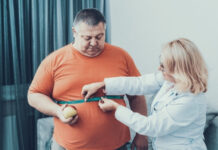
Blood pressure often increases as body weight goes up. Sleep apnea, a disorder where breathing is disturbed while you sleep, can also be brought on by being overweight. Sleep apnea further elevates blood pressure.
Losing weight is the most effective way to control blood pressure. Even modest weight loss can lower blood pressure in individuals who are overweight or obese.
2. Regular Aerobic Exercise

Regular exercise can lower blood pressure by around 5 to 8 mmHg, and maintaining a consistent workout routine is essential to prevent it from rising again. Generally speaking, try to get in at least 30 minutes of moderate exercise each day.
Exercise can also stop mildly elevated blood pressure from progressing into full-blown hypertension. Regular exercise can help people with hypertension lower their blood pressure to safer levels.
3. Add Yogurt to Your Diet
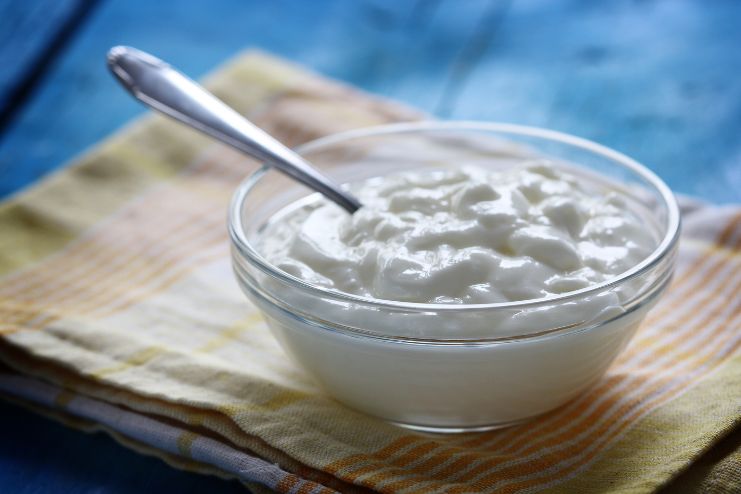
Yogurt may help those with hypertension get better blood pressure results, according to a 2021 study. Its high concentrations of calcium, potassium, and magnesium, all believed to aid in blood pressure regulation, cause this effect.
Choose unsweetened Greek or natural yogurts for a nutritious breakfast or snack, and mix them with nuts, seeds, and fruits.
4. Consume More Berries
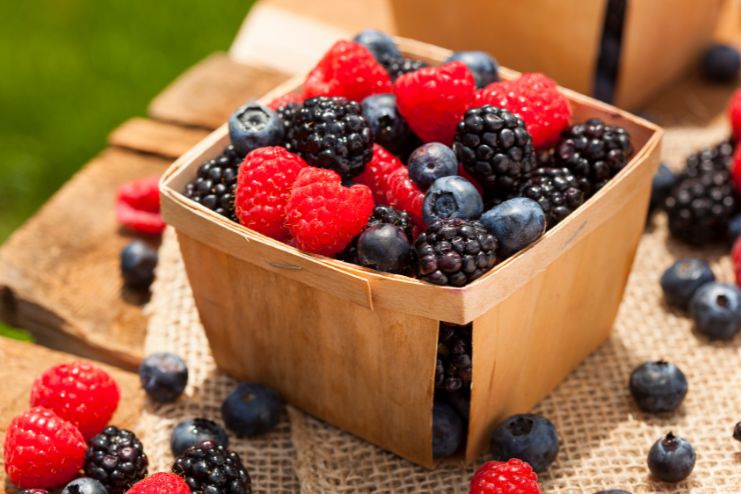
Anthocyanins, which are powerful antioxidants, are found in high concentrations in blueberries and strawberries. Anthocyanins have been related in studies to lower blood pressure in hypertensive individuals.
There’s more good news: berries are versatile! You may eat them as a sweet afternoon snack or sprinkle them over your oatmeal, cereal, or yogurt.
Read More: Heart-Healthy Kitchen Essentials: 6 Best Salt Substitutes for Hypertension Management
5. Cut Back on Salt
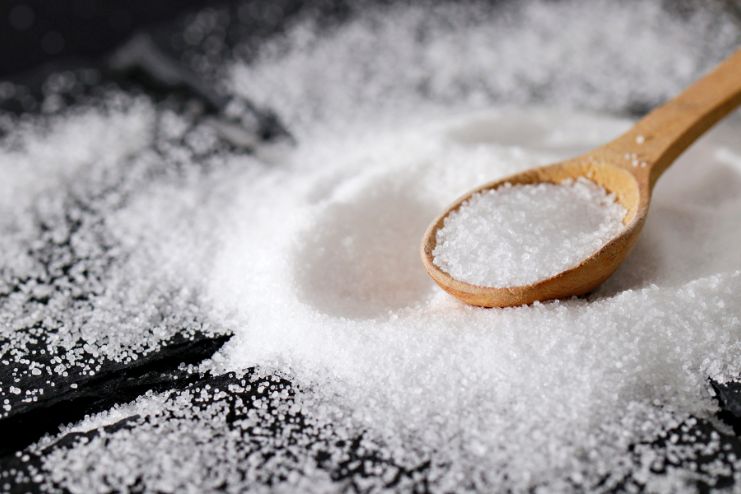
Salt contains sodium, which directly impacts blood pressure levels. “Increased sodium in the bloodstream causes you to retain fluid in your blood vessels,” says Dr. Ojutalayo. “More fluid volume in your vessels increases the pressure in them, leading to high blood pressure.”
Your body can maintain a regular level of fluid in your arteries by consuming less salt. Dr. Ojutalayo recommends people with high blood pressure limit their sodium intake to not more than 1,500 milligrams daily. Food labels show the amount of sodium in a serving or package of food, helping you keep track.
6. Limit Alcohol Intake
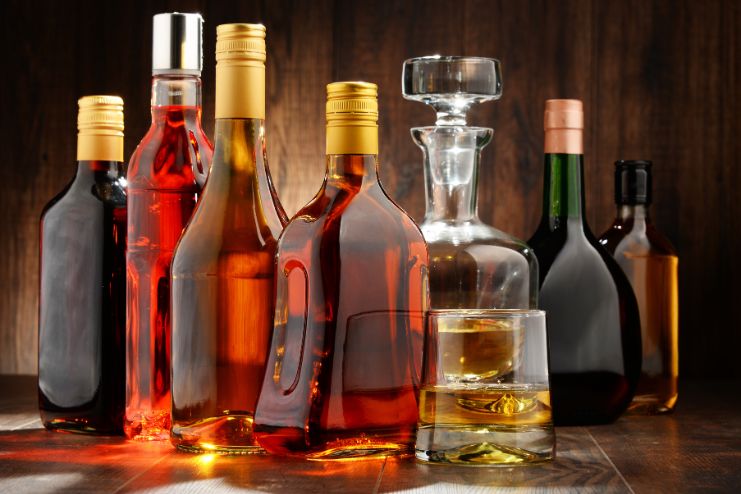
Limiting alcohol consumption to less than one drink per day for women and two drinks per day for men can help lower blood pressure by about 4 mm Hg. One drink is approximately equivalent to twelve fluid ounces of beer, five ounces of wine, or one and a half ounces of 80-proof liquor.
On the other hand, excessive alcohol consumption can raise blood pressure in several ways. It may also reduce the effectiveness of blood pressure medications.
7. Add Fatty Fish to Your Weekly Menu
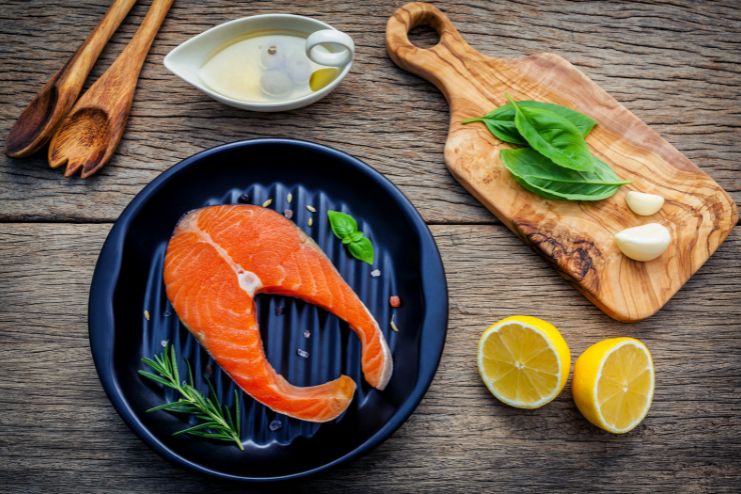
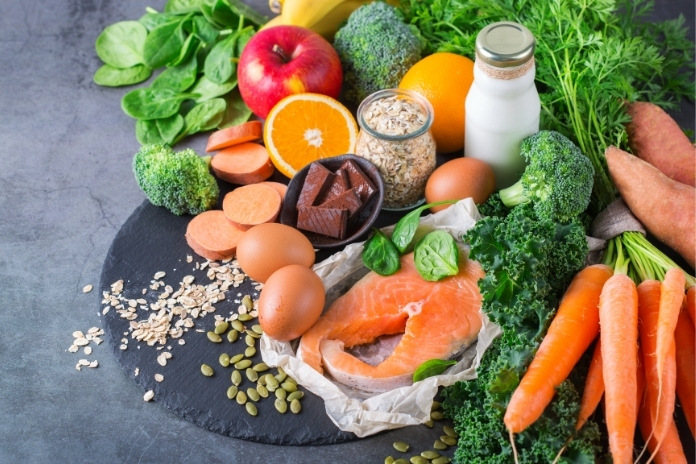
Vitamin D and heart-healthy omega-3 fatty acids can help decrease and regulate blood pressure. These nutrients are abundant in salmon and mackerel. Season your chosen filet, lightly coat it with olive oil, and then broil it in the oven.
8. Consume More Leafy Greens
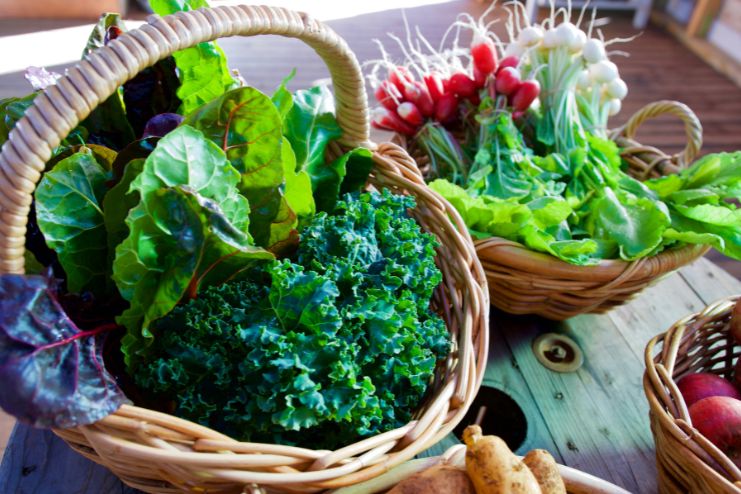
Vegetables like cabbage, collard greens, spinach, and kale are rich in nitrates, which research suggests can help lower blood pressure. Finding different ways to enjoy these greens can make it easier to meet your daily recommended intake.
For example, you can bake kale chips in the oven, add fennel to soup, or sauté spinach for a tasty side dish.
Read More: The Link Between Salt Intake and Hypertension Explained
9. Give Up Smoking

Quitting smoking reduces blood pressure, improves overall health, and lowers the risk of heart disease, possibly extending lifespan.
10. Sleep Better

A chronic lack of sleep can result in hypertension, and this isn’t just about the occasional late night during long weekends. “Chronic” refers to weeks of insufficient sleep, specifically getting less than seven hours each night. Sleep disorders such as sleep apnea, restless legs syndrome, and insomnia can disrupt your sleep patterns.
Adults should aim for seven to nine hours of sleep each night. If you often have trouble falling asleep, inform your healthcare provider. Sleep can help address various issues and concerns.
11. Eat Some Bananas
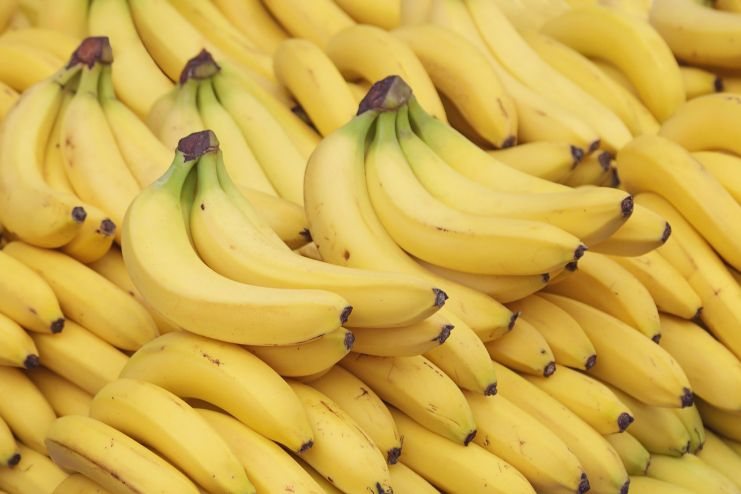
Potassium is an essential nutrient that lowers blood pressure and dilates blood vessels so the body can get rid of sodium. A medium-sized banana contains about 420 milligrams of potassium.
Other food sources of potassium, including avocado, tomatoes, beans, and mushrooms, may also induce natural blood-pressure reductions.
12. Reduce Your Stress
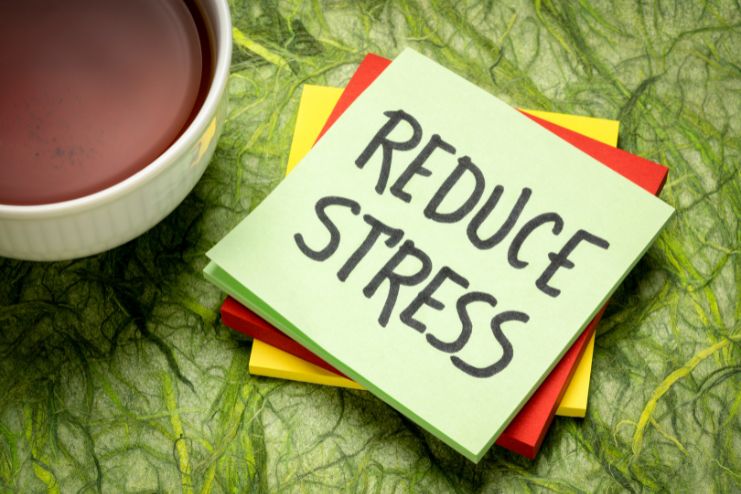
Prolonged stress may contribute to hypertension. To determine if stress-reduction strategies can reduce blood pressure, further study is required.
However, identifying the sources of stress, work, family, money, or illness, can’t harm. You can take control of your stress if you understand what’s causing it.
Read More: Supplement Your Health: Top 5 Potassium Supplements for Hypertension Control
13. Manage Your Blood Sugar and Cholesterol
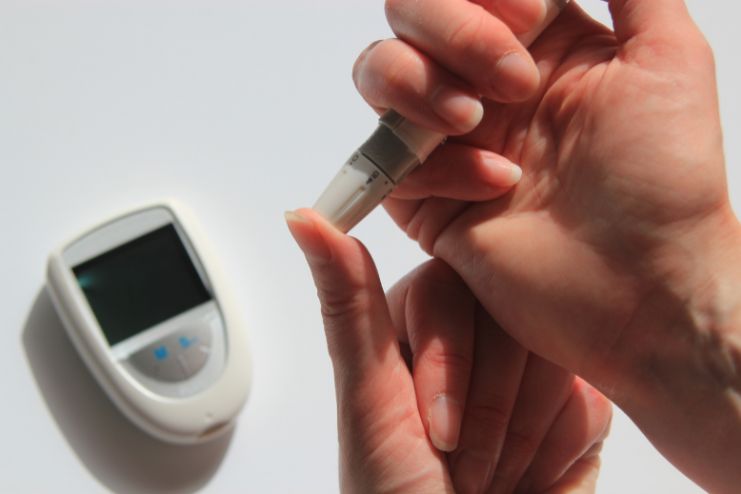
Excessive blood sugar and “bad” non-HDL cholesterol levels increase the risk of heart disease. Adopt the same healthy habits that lower blood pressure to also manage blood sugar and cholesterol: maintain a balanced diet, stay active, avoid smoking, and shed any extra weight.
Follow the guidance provided by your healthcare provider on blood sugar and cholesterol management.
14. Consume Some Beets
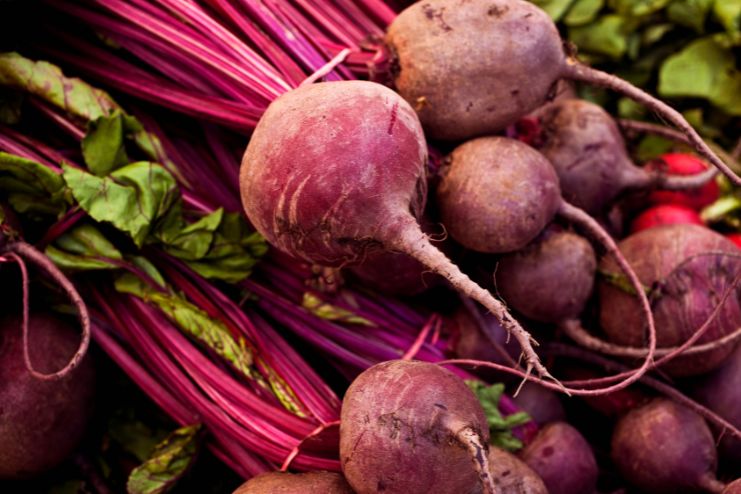
The body uses the nitrates in beets to create nitrous oxide, a substance that studies have shown lowers systolic blood pressure.
Enjoy beets raw by adding them to salads or serving them as a side dish. You may even buy sugar-free beetroot juice to sip by itself or mix into smoothies.
Read More: The Role of Meditation and Mindfulness in Hypertension Control
Conclusion
Managing hypertension naturally involves practicing increased mindfulness with lifestyle changes. Many will require medication, but also a proper and nutritious diet, regular exercise, stress management, and adequate sleep. These natural changes enhance overall cardiovascular health, vitality, and well-being, not just blood pressure.
You must also be consistent! Lasting change often comes from making small, sustainable adjustments. Also, it’s essential to check your blood pressure regularly and talk with your doctor about making changes, particularly if you are on medications.
By following these natural approaches, you are taking charge of your health, reducing the chances of complications, and living a healthy life!
-
Dec 2016Written by Premji
-
Sep 2025Edited by Ankita
References
- https://www.massgeneralbrigham.org/en/about/newsroom/articles/lower-blood-pressure-naturally
- https://www.mayoclinic.org/diseases-conditions/high-blood-pressure/in-depth/high-blood-pressure/art-20046974
- https://www.nm.org/healthbeat/healthy-tips/foods-that-can-lower-your-blood-pressure-naturally
- https://www.ncoa.org/article/10-foods-that-help-lower-blood-pressure-naturally/
- https://www.sciencedaily.com/releases/2021/12/211207152554.htm
- https://www.mdpi.com/2072-6643/11/6/1431