










Rheumatoid arthritis (RA) is a chronic autoimmune disease in which the immune system mistakenly attacks the joints, resulting in pain, swelling, stiffness, and ultimately joint destruction. This progressive condition affects millions globally and can severely impact physical function and quality of life.
While traditional treatments—including medications and lifestyle modifications—are essential for managing RA, many people seek complementary therapies, such as home remedies, to help reduce symptoms alongside conventional medicine.
This article provides a comprehensive overview of RA, including its symptoms, standard treatments, and scientifically supported home remedies that may offer additional relief.
What Is Rheumatoid Arthritis?
Rheumatoid arthritis is an autoimmune disease in which the body’s immune system attacks the synovium—the lining of the membranes surrounding the joints. Over time, this inflammation thickens the synovium, potentially damaging the cartilage and bone within the joint. RA can also affect other organs, including the lungs, heart, eyes, and blood vessels.
Unlike osteoarthritis, which results from wear and tear, RA is a systemic condition that can cause widespread inflammation throughout the body. While there’s no known cure, early diagnosis and treatment can significantly reduce symptoms and improve long-term outcomes.
Causes and Risk Factors
Genetics: A family history of RA increases your risk.
Hormones: RA is more common in women, possibly due to hormonal influences.
Environmental Triggers: Smoking, infections, or exposure to certain chemicals (such as silica) may contribute to development.
Age: Most commonly diagnosed between ages 40-60.
Obesity: Being overweight increases both the risk and severity of the disease.
Read More: Rheumatoid Arthritis – Types, Causes, Symptoms, Diagnosis And Treatment
Symptoms of Rheumatoid Arthritis

RA typically begins gradually, affecting small joints (such as those in the fingers and toes) before progressing to larger joints. The condition is characteristically symmetrical, usually affecting the same joints on both sides of the body.
Common Signs and Symptoms
- Joint pain and swelling
- Morning stiffness lasting more than 30 minutes
- Warmth and redness around joints
- Fatigue and lack of energy
- Unintentional weight loss and fever
- Joint deformities and loss of function (in advanced stages)
RA may also present with additional symptoms, including:
- Dry mouth and eyes
- Lung nodules or inflammation
- Cardiovascular complications
- Vasculitis (inflammation of blood vessels)
Treatment of Rheumatoid Arthritis
Managing rheumatoid arthritis requires a multidisciplinary approach involving rheumatologists, physical therapists, and occasionally surgeons.
Medications
NSAIDs (Nonsteroidal Anti-inflammatory Drugs) provide pain relief and reduce inflammation. Example: ibuprofen
Corticosteroids offer rapid relief from inflammation. Example: prednisone
DMARDs (Disease-Modifying Antirheumatic Drugs) slow disease progression. Examples: methotrexate, leflunomide
Biologic Agents target specific components of the immune system. Examples: etanercept, adalimumab
JAK Inhibitors are newer oral medications that reduce inflammation. Example: tofacitinib
Physical Therapy and Lifestyle Modifications
- Physical therapy to maintain joint mobility
- Stress reduction techniques
- Regular low-impact exercise
- Adequate rest and sleep
- Joint-supportive devices
Surgical Procedures (in severe cases)
- Joint replacement (hip or knee)
- Synovectomy (removal of inflamed tissue)
- Tendon repair
- Joint fusion
Home Remedies for Rheumatoid Arthritis
While home remedies cannot cure RA, certain natural treatments supported by research may help ease symptoms, reduce inflammation, and improve quality of life. It’s important to note that these remedies are meant to complement, not replace, conventional medical treatment.
Here are the most promising options:
1. Apple Cider Vinegar and Baking Soda:
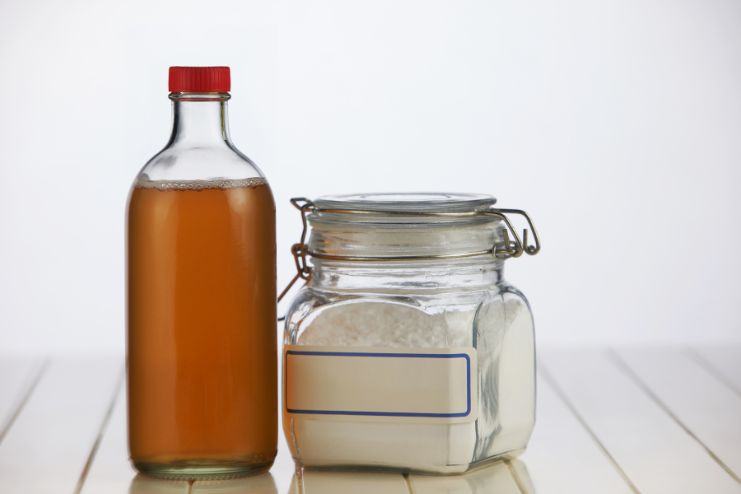
How it works: Apple cider vinegar (ACV) has natural anti-inflammatory and antimicrobial properties. Baking soda (sodium bicarbonate) may help balance body pH levels.
How to use:
- Mix 2 tablespoons of ACV with 1/4 teaspoon baking soda in a glass of filtered water
- Add 1 teaspoon of unsulfured blackstrap molasses or Manuka honey for taste
- Drink twice daily, 20 minutes before meals
- Gradually increase to 3 times daily if well-tolerated
2. Aloe Vera:
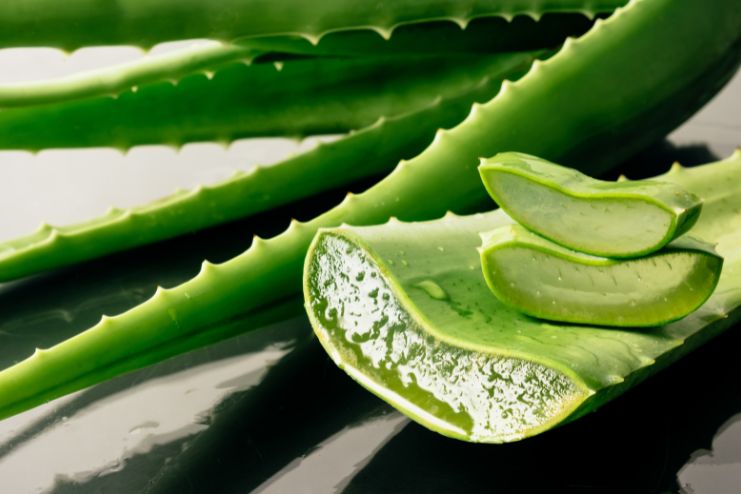
Why it works: Aloe vera gel contains compounds like acemannan that demonstrate anti-inflammatory effects in both oral and topical applications.
How to use:
- Cut fresh aloe vera leaves, remove the outer skin, and extract the inner gel
- Apply directly to swollen joints
- Alternatively, use organic, preservative-free aloe gel from stores
Read More: Scientists Have Identified the Causative Gene Behind Rheumatoid Arthritis – Study Shows Evidence
3. Cinnamon and Honey:

Why it works: Cinnamon contains cinnamaldehyde, which can block inflammatory molecules. Honey provides antimicrobial and anti-inflammatory properties.
How to use:
- Mix cinnamon and honey to create a paste
- Add the paste to warm water
- Drink daily to help control inflammation
4. Cloves:
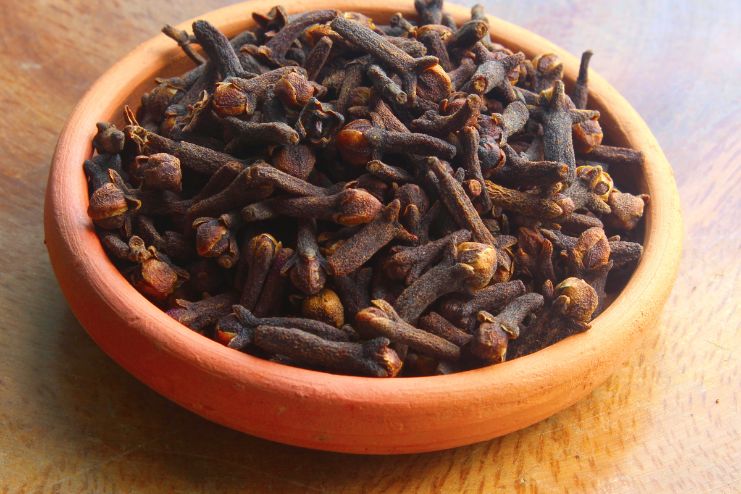
Why it works: Cloves are rich in eugenol, a compound that research shows can suppress inflammatory cytokines.
How to use:
- Incorporate cloves into meals or chew raw
- Apply clove essential oil to joints (diluted with a carrier oil)
5. Ginger:
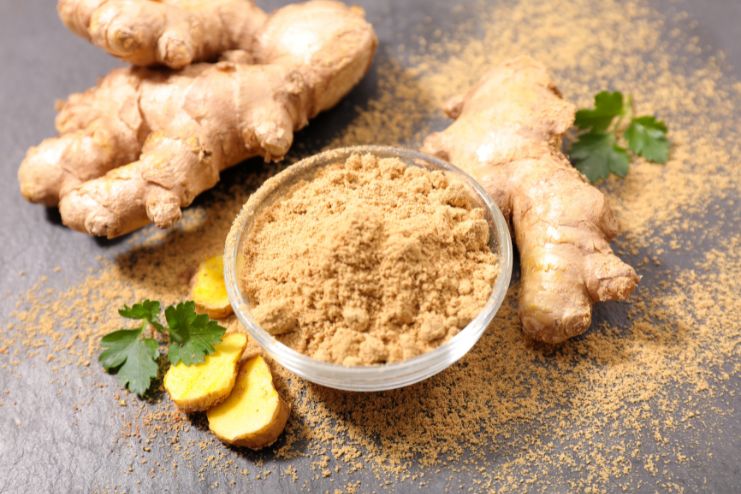
Why it works: Ginger contains gingerol, an anti-inflammatory compound that may reduce joint pain and inflammation.
How to use:
- Use fresh or cooked ginger in meals
- Drink ginger tea regularly
6. Garlic:
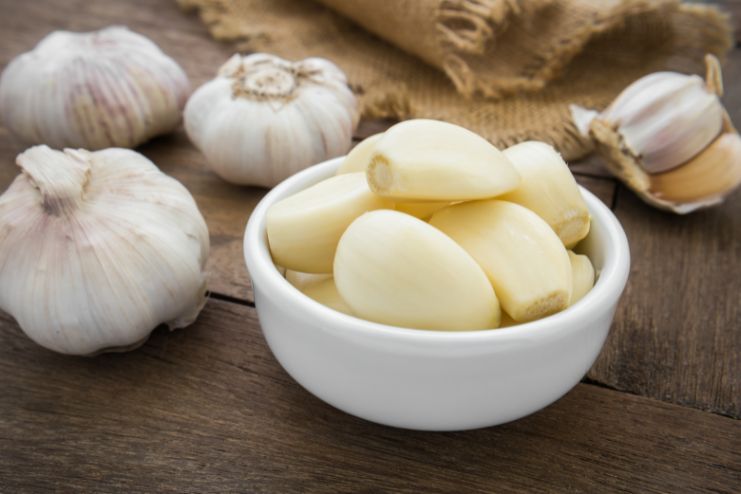
Why it works: Garlic’s sulfur-containing compounds can inhibit pro-inflammatory cytokines and may help modulate immune function.
How to use:
- Consume raw garlic or add it to food
- Limit to 1-2 cloves per day if taking blood-thinning medications
7. Green Tea:

Why it works: Green tea is high in EGCG (epigallocatechin-3-gallate) a powerful antioxidant and immune modulator.
How to use:
- Consume 1-2 cups of green tea daily
- Choose organic, unsweetened varieties for optimal benefits
Read More: Which Foods To Avoid With Rheumatoid Arthritis
8. Fish Oil:
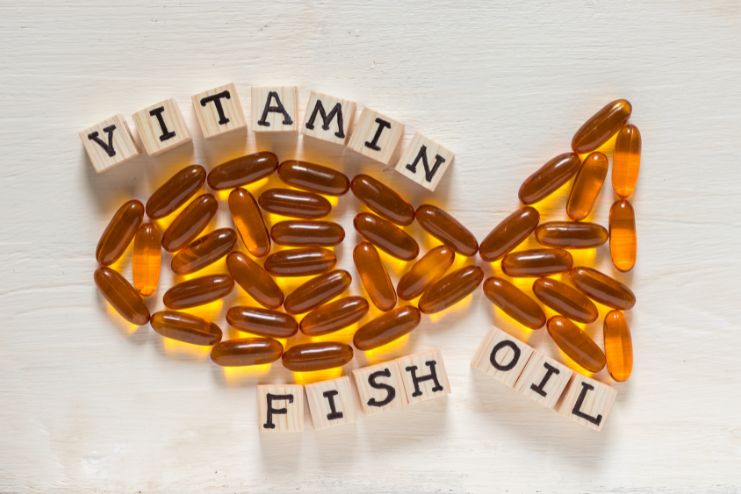
Why it works: Fish oil is rich in omega-3 fatty acids (EPA and DHA), which multiple studies show can reduce joint pain, stiffness, and dependence on NSAIDs.
How to use:
- Take 250-500 mg/daydaily of combined EPA and DHA (consult your doctor first)
- May cause mild side effects such as fishy aftertaste or nausea
Note: Dosing should be individualized based on your condition and other medications. Always consult with your healthcare provider for appropriate dosing.
9. Turmeric:
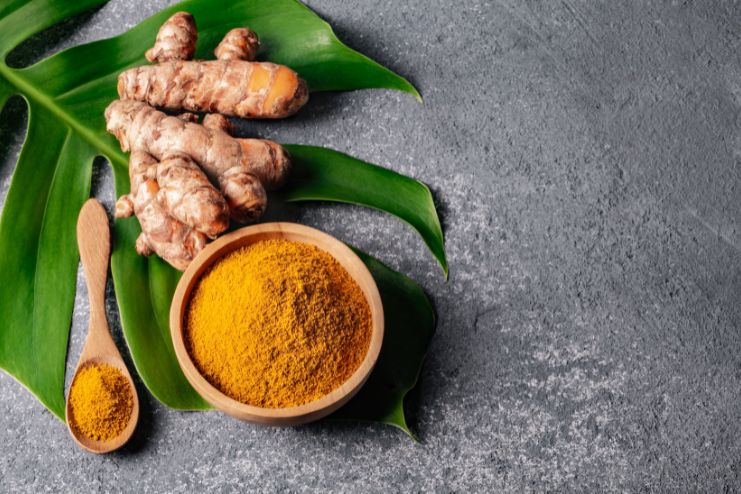
Why it works: Curcumin, the active ingredient in turmeric, is a well-researched natural anti-inflammatory compound that blocks inflammatory cytokines and enzymes such as COX-2.
How to use:
- Add turmeric to soups, curries, or other dishes
- Prepare turmeric tea or “golden milk”
- Use turmeric supplements (consult with healthcare provider for dosing)
10. Epsom Salt:
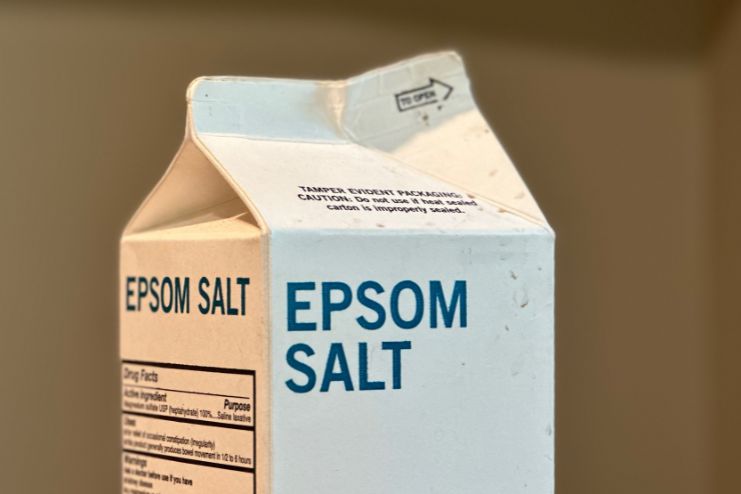
Why it works: Epsom salt contains magnesium sulfate, which may help relax muscles and soothe aching joints.
How to use:
- Add 1-2 cups to a warm bath
- Soak for 15-20 minutes
- Rinse thoroughly after soaking
11. Massage Therapy:

Why it works: Studies indicate that regular massage can help reduce pain, improve grip strength, and decrease stress hormones in RA patients.
How to use:
- Seek professional massage therapy (Swedish, deep tissue, or specialized techniques)
- Practice self-massage using warmed oils (such as coconut or sesame oil)
12. Essential Oils:
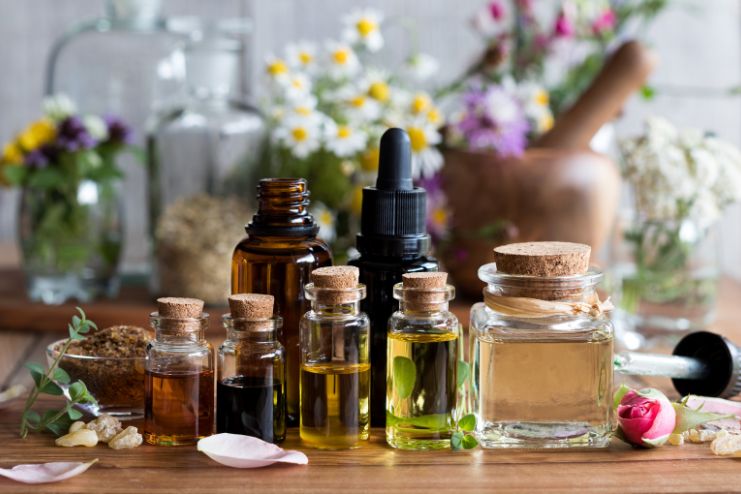
Why it works: Certain essential oils possess anti-inflammatory and pain-relieving properties.
Beneficial oils include:
- Peppermint
- Ginger
- Frankincense
- Myrrh
- Turmeric
How to use:
- Diffuse in the air or mix with carrier oils for topical application
- Ensure you use only food-grade oils if consuming internally
Frequently Asked Questions- FAQs
- How does rheumatoid arthritis start?RA typically begins with mild symptoms like joint pain, morning stiffness, and fatigue, which progressively worsen over weeks or months. It usually starts in smaller joints before affecting larger ones.
- What is the difference between rheumatoid arthritis and arthritis?“Arthritis” is a general term for joint inflammation, while “rheumatoid arthritis” is a specific autoimmune disease. Other types include osteoarthritis, psoriatic arthritis, and gout.
- What is the difference between rheumatoid arthritis and osteoarthritis?Osteoarthritis results from joint wear and tear, while RA is caused by an overactive immune system. RA typically affects joints symmetrically, whereas osteoarthritis usually does not.
- What foods should be avoided with RA?Limit inflammatory foods including processed meats, refined sugars, processed foods, fried foods, excessive alcohol, and refined carbohydrates.
- What is the best exercise for RA?Low-impact activities like walking, swimming, cycling, yoga, and tai chi are beneficial. Always consult your doctor before starting a new exercise program.
- Does rheumatoid arthritis resolve on its own?No. RA is a chronic condition requiring ongoing management through medications, therapies, and lifestyle modifications.
- How long can someone live with RA?With early treatment and proper management, many people with RA can live full, productive lives. However, severe, uncontrolled RA may reduce life expectancy.
- Are there helpful supplements for RA?Yes. Vitamin D, calcium, omega-3 fatty acids, turmeric extract, and folic acid (especially if taking methotrexate) may be beneficial. Always consult your healthcare provider before starting supplements.
Conclusion

Rheumatoid arthritis is a complex, lifelong condition, but proactive management can significantly improve quality of life. While conventional medical care remains essential, research-supported home remedies can provide valuable additional relief.
From turmeric and fish oil to green tea and massage therapy, these natural approaches may help reduce inflammation, ease joint pain, and promote overall well-being. However, it’s crucial to remember that these remedies should complement, not replace, proper medical treatment.
Always consult your healthcare provider before trying new remedies, especially if you’re taking medications. A comprehensive, individualized approach—combining medical treatment with supportive lifestyle practices—offers the best strategy for managing RA successfully.
References
- https://www.myrateam.com/resources/ra-life-expectancy-does-ra-affect-life-span
- https://pmc.ncbi.nlm.nih.gov/articles/PMC5467308/
- https://pmc.ncbi.nlm.nih.gov/articles/PMC7522354/
- https://www.webmd.com/healthy-aging/what-to-know-about-fish-oil-dosage-for-older-adults
- https://www.sciencedirect.com/science/article/abs/pii/S0965229910000695
- https://pmc.ncbi.nlm.nih.gov/articles/PMC9820274/
- https://www.sciencedirect.com/science/article/pii/S2667142524002033
- https://www.mdpi.com/2227-9717/11/8/2453
- https://www.niams.nih.gov/health-topics/rheumatoid-arthritis
- https://www.mdpi.com/2673-4176/6/2/36
In this Article