










Did you know that pneumonia affects over 1 million Americans each year and is responsible for more than 50,000 deaths annually?
While this lung infection can be life-threatening, the right combination of medical treatment and supportive home care can significantly improve recovery outcomes.
What is Pneumonia?
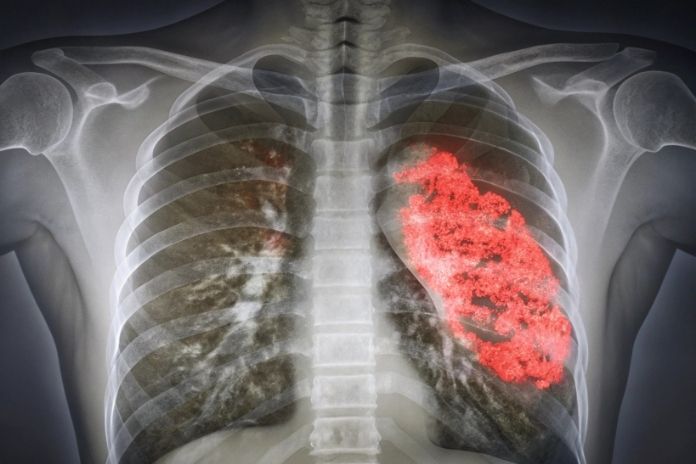
Pneumonia is an infection that inflames the air sacs in one or both lungs, which may fill with fluid or pus.
It can be caused by bacteria, viruses, or fungi, with bacterial pneumonia being the most common form. Symptoms typically include cough with phlegm, fever, chills, and difficulty breathing.
Types of Pneumonia
By Cause:
- Bacterial pneumonia: Most common type, often caused by Streptococcus pneumoniae
- Viral pneumonia: Usually milder than bacterial, more common in children
- Fungal pneumonia: Often affects people with weakened immune systems
By Location of Infection:
- Community-acquired pneumonia (CAP): Contracted outside healthcare facilities
- Hospital-acquired pneumonia (HAP): Develops during or after hospitalization
- Aspiration pneumonia: Caused by inhaling food, liquid, or saliva into the lungs
Home Remedies to Support Recovery
Important Note: Pneumonia is a serious medical condition that requires professional medical care. These home remedies should be used only as supportive care in conjunction with proper medical treatment. Always consult your doctor before trying any home remedies, especially if you have severe symptoms.
1. Stay Hydrated
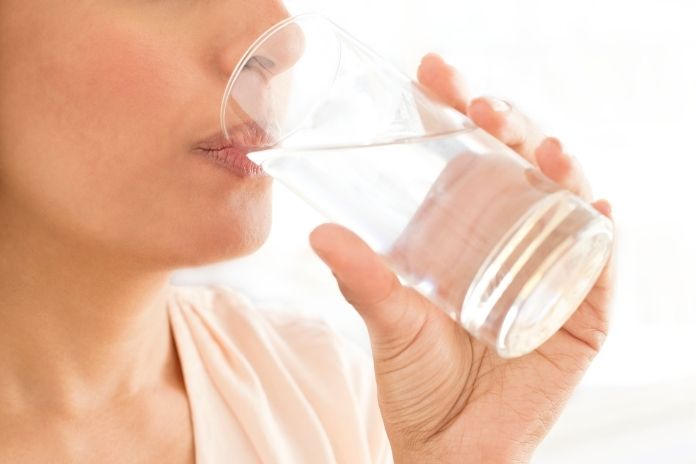
Drink plenty of fluids, especially warm liquids like water, herbal teas, and broths. Proper hydration helps thin mucus, making it easier to cough up.
2. Rest and Sleep
Get adequate sleep to allow your immune system to fight the infection effectively. Elevate your head while sleeping to make breathing easier.
3. Warm Salt Water Gargle
Mix 1 teaspoon of salt in a glass of warm water and gargle to soothe throat irritation from coughing.
- How often: 2-3 times daily
4. Honey
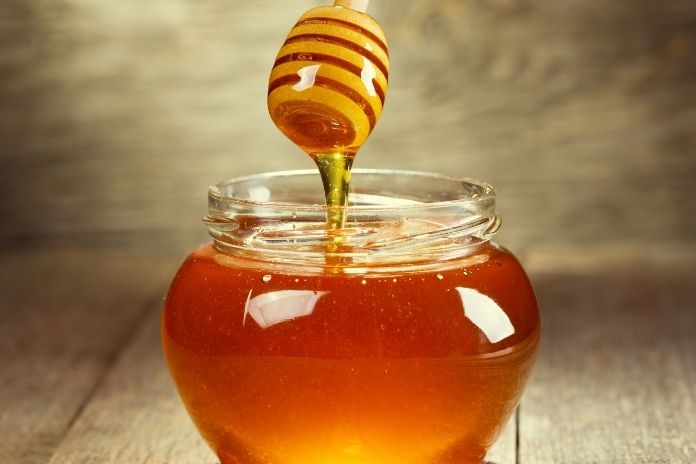
Raw honey has antibacterial and anti-inflammatory properties that may help soothe cough and throat irritation.
- How to use: Mix 1 teaspoon in warm water or tea
- How often: 1-2 times daily
- Note: Do not give honey to children under 12 months old
5. Ginger Tea
Ginger contains compounds that may help reduce inflammation and fight infection.
- How to use: Steep fresh ginger slices in hot water for 10 minutes
- How often: 2-3 cups daily
6. Turmeric
Contains curcumin, which has anti-inflammatory and antimicrobial properties.
- How to use: Mix 1/2 teaspoon of turmeric powder in warm milk
- How often: Once daily before bed
7. Steam Inhalation

Helps loosen mucus and ease breathing difficulties.
- How to use: Lean over a bowl of hot water with a towel over your head, breathe deeply
- How often: 2-3 times daily for 10-15 minutes
- Caution: Be careful to avoid burns from hot steam
8. Peppermint Tea
May help reduce congestion and soothe respiratory symptoms.
- How to use: Steep peppermint tea bags in hot water for 10 minutes
- How often: 2-3 cups daily
9. Warm Compress
Apply a warm compress to the chest to help relieve pain and reduce fever.
- How to use: Use a warm, damp cloth on the chest for 15-20 minutes
- How often: Several times throughout the day
10. Increase Vitamin C Intake

Supports immune system function.
Include citrus fruits, berries, and leafy greens in your diet.
Read More: 10 Ways to Boost Your Immunity
11. Garlic
Contains allicin, which has antimicrobial properties.
- How to use: Add fresh garlic to meals or consume 1-2 raw cloves daily
- Note: Start with small amounts to avoid stomach upset
12. Essential Oils (Topical Use Only)

- Eucalyptus oil: Mix a few drops with carrier oil and apply to the chest
- Peppermint oil: Use similarly for potential decongestant effects
- Always dilute: Never apply essential oils directly to skin
Abdul M. Khan, MD, a pulmonologist at Ochsner Health in Kenner, Louisiana, says, “A lot of home remedies are things that mostly involve treating your sinuses, treating the back of your throat to help you feel better from that standpoint to decrease mucus production.”
He adds, “The home remedies are going to have little effect on the actual treatment of pneumonia,” he said, noting “they might make some symptoms, such as cough or runny nose, feel a little better. But they aren’t going to treat the pneumonia itself.”
Read More: 19 Home Remedies for Chest Congestion
Warning Signs – Seek Emergency Medical Care
Call 911 or go to the emergency room immediately if you experience:
- Difficulty breathing or shortness of breath
- Chest pain that worsens with breathing
- Confusion or changes in mental awareness
- High fever (over 101.3°F/38.5°C) that doesn’t respond to medication
- Bluish lips or fingernails
- Rapid heart rate
- Severe weakness or fatigue
Prevention Tips

- Get vaccinated (pneumonia and flu vaccines)
- Wash your hands frequently with soap and water
- Avoid smoking and secondhand smoke
- Maintain a healthy lifestyle with good nutrition and regular exercise
- Avoid close contact with people who are sick
- Cover your mouth and nose when coughing or sneezing
Who’s at Higher Risk?
- Adults over 65
- Children under 2
- People with chronic conditions (asthma, COPD, diabetes, heart disease)
- Individuals with weakened immune systems
- Smokers
- People recovering from respiratory infections
Recovery Timeline
With proper medical treatment, most people begin to feel better within one to three days. Complete recovery typically takes:
- Young, healthy adults: 1-2 weeks
- Older adults or those with other health conditions: Several weeks to a month
- Severe cases may require longer recovery periods
Read More: 20 Health Benefits Of Parsley – Lead A Healthier Life!
Important Reminders
- Never replace medical treatment with home remedies alone
- Contact your doctor if symptoms worsen or don’t improve after a few days
- Take all prescribed medications as directed by your healthcare provider
- Follow up with your doctor as recommended
Pneumonia can be life-threatening, especially for vulnerable populations. While these home remedies may provide comfort and support healing, professional medical care is essential for proper diagnosis and treatment.
Take Action for Your Health
Don’t wait if you suspect pneumonia—early medical intervention can make all the difference in your recovery.
Schedule an appointment with your healthcare provider today if you’re experiencing symptoms, and remember that these natural remedies are most effective when used in conjunction with proper medical care. Your lungs and your life are worth the investment in professional treatment.
Frequently Asked Questions (FAQ)
Q: Can I treat pneumonia at home without seeing a doctor?
A: No, pneumonia requires medical evaluation and treatment. Home remedies should only supplement, never replace, professional medical care. Untreated pneumonia can become life-threatening.
Q: How long does it take for pneumonia symptoms to improve?
A: With proper treatment, most people start feeling better within 1-3 days. Complete recovery usually takes 1-2 weeks for healthy adults, but may take longer for older adults or those with chronic health conditions.
Q: Are there any home remedies I should avoid with pneumonia?
A: Avoid cough suppressants unless recommended by your doctor, as coughing helps clear mucus from your lungs. Also, avoid alcohol and smoking, which can impair your immune system and worsen symptoms.
Q: When should I go to the emergency room for pneumonia?
A: Seek emergency care immediately if you have difficulty breathing, chest pain that worsens with breathing, confusion, high fever over 101.3°F that doesn’t respond to medication, or bluish lips/fingernails.
Q: Can pneumonia be prevented?
A: Yes, vaccination is the most effective prevention method. The CDC recommends pneumonia vaccines for adults aged 65 and older, as well as for individuals with certain chronic medical conditions. Good hygiene, avoiding smoking, and maintaining overall health are also essential in preventing pneumonia.
Q: Is pneumonia contagious?
A: It depends on the cause. Viral and bacterial pneumonia can be contagious and spread through respiratory droplets when an infected person coughs or sneezes. Fungal pneumonia is typically not contagious from person to person.
Q: Can children use these home remedies?
A: Some remedies, like staying hydrated and using a humidifier, are safe for children. However, never give honey to children under 12 months old, and always consult your pediatrician before using any home remedies for children with pneumonia.
Q: What’s the difference between pneumonia and bronchitis?
A: Pneumonia affects the air sacs (alveoli) in the lungs, while bronchitis affects the bronchial tubes. Pneumonia is generally more serious and often requires antibiotic treatment, while bronchitis may resolve on its own with supportive care.
References
- https://www.mayoclinic.org/diseases-conditions/pneumonia/symptoms-causes/syc-20354204
- https://www.cdc.gov/pneumonia/causes.html
- https://www.health.harvard.edu/staying-healthy/why-drink-more-water
- https://www.ncbi.nlm.nih.gov/pmc/articles/PMC3609166/
- https://www.ncbi.nlm.nih.gov/pmc/articles/PMC3665023/
- https://www.ncbi.nlm.nih.gov/pmc/articles/PMC4022204/
- https://www.ncbi.nlm.nih.gov/pmc/articles/PMC5707683/
- https://www.ncbi.nlm.nih.gov/pubmed/10594976
- https://www.cdc.gov/vaccines/vpd/pneumo/index.html
- https://www.lung.org/lung-health-diseases/lung-disease-lookup/pneumonia/preventing-pneumonia
In this Article