













What if the key to lifting your mood was hiding in your kitchen right now? While medication and therapy remain important treatments for depression, research shows that certain everyday foods can provide powerful natural support for your mental health.
According to Anika Knüppel, who is a postdoctoral researcher in nutritional epidemiology at University of Oxford and a contributor to European MooDFOOD program, which focuses on preventing depression through food, “changing your nutrition can be a good addition to traditional therapy, like CBT and medication, and comes at a much lower cost and can be a great way to self-care.”
Nutritional interventions can improve mental health in two ways: by promoting healthy behaviors and decreasing bad ones. According to Knüppel, doing both is necessary for the optimal result.
These four common superfoods don’t just nourish your body—they can help rewire your brain for better emotional balance.
Read More: Emotional Burnout vs. Depression: How to Tell the Difference
1. Onions
You might not think of onions when considering foods that can boost your mood, but they’re surprisingly effective natural antidepressants. Along with other members of the Allium family, including garlic, shallots, leeks, scallions, and chives, onions offer more than just digestive benefits and cancer-fighting properties.
These vegetables are packed with antioxidant flavonoids, which are known for their anti-inflammatory effects. Research has shown that onion consumption can produce antidepressant-like effects, likely due to the quercetin content.
2. Seeds
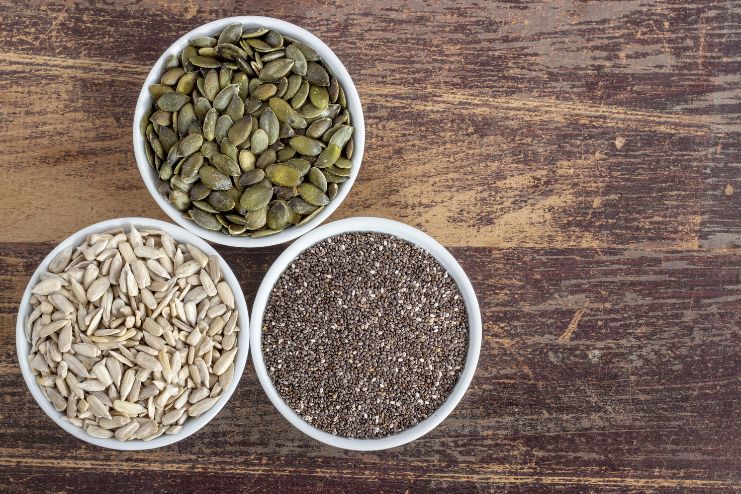
Next time you’re reaching for a snack, grab a handful of seeds instead. Sunflower, flax, hemp, and chia seeds are particularly beneficial for mood regulation because they’re loaded with omega-3 fatty acids, essential nutrients that your brain needs to function optimally.
Omega-3s have been studied in various mood disorders with promising results.
Beyond their individual nutritional benefits, seeds also enhance your body’s ability to absorb nutrients from other foods, making your entire diet more effective at supporting mental health.
3. Tomatoes
Tomatoes are nutritional powerhouses when it comes to fighting depression, thanks to their rich content of folic acid and alpha-lipoic acid, both of which have been proven to be mood enhancers. Research consistently shows that folate deficiency can increase depression symptoms.
Here’s how it works: Homocysteine is a compound that blocks the production of serotonin, dopamine, and norepinephrine, neurotransmitters essential for mental well-being. High levels of folate help prevent excessive homocysteine production, keeping these mood-regulating chemicals flowing. Folate is needed in the brain for the synthesis of norepinephrine, serotonin, and dopamine.
Alpha-lipoic acid plays its own important role by helping your body efficiently convert glucose into energy, which helps maintain stable mood levels throughout the day.
Read More: 10 Efficient Ways to Avoid Depression For Better Mental Peace
4. Beans
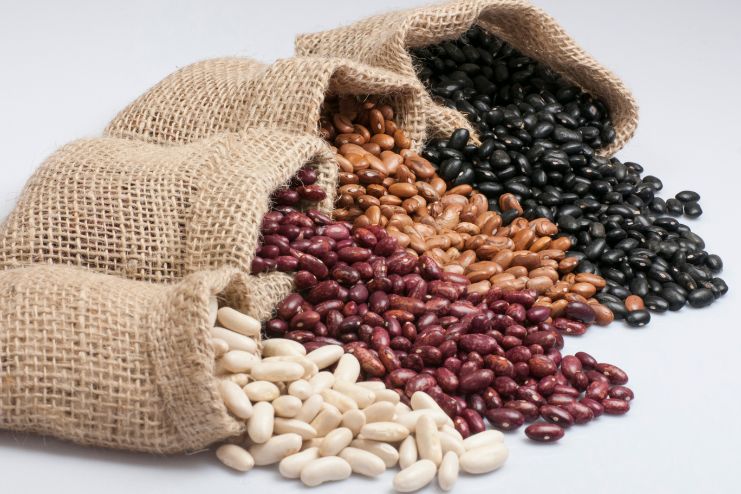
Beans aren’t just heart-healthy and great for weight management—they’re also excellent mood stabilizers. The key lies in how your body processes them: beans digest slowly, preventing the sudden hunger pangs that can trigger mood swings.
Any food that helps maintain steady blood sugar levels becomes a valuable ally in managing your emotional well-being. This slow, sustained energy release keeps you feeling more balanced and less prone to the ups and downs that can worsen depression symptoms.
Read More: 14 Ways to Cope with Seasonal Depression for Sustained Mental Health
Take Action for Your Mental Health
Ready to start feeling better naturally? Begin by adding just one of these mood-boosting foods to your daily routine this week. Whether it’s sprinkling chia seeds on your morning yogurt, adding an extra serving of beans to your lunch, or cooking with more onions and tomatoes, small changes can lead to significant improvements in how you feel.
Remember, while these foods are powerful allies in fighting depression, they work best as part of a comprehensive approach that may include professional support, regular exercise, and other healthy lifestyle choices. Your mental health is worth investing in—and it might be as simple as changing what’s on your plate.
References
- https://www.ncbi.nlm.nih.gov/pmc/articles/PMC6443770/
- https://academic.oup.com/bbb/article/72/1/94/5954282
- https://pmc.ncbi.nlm.nih.gov/articles/PMC10490031/
- https://www.psychiatrist.com/jcp/folate-depression-efficacy-safety-differences-formulations/
- https://www.pcrm.org/good-nutrition/nutrition-information/omega-3
- https://www.health.harvard.edu/blog/omega-3-fatty-acids-for-mood-disorders-2018080314414
- https://www.linkedin.com/in/anika-kn%C3%BCppel-149406114/
- https://www.bezzydepression.com/discover/dep-managing-depression/health-these-women-treated-their-anxiety-and-depression-with-food-heres-what-they-ate/
In this Article