












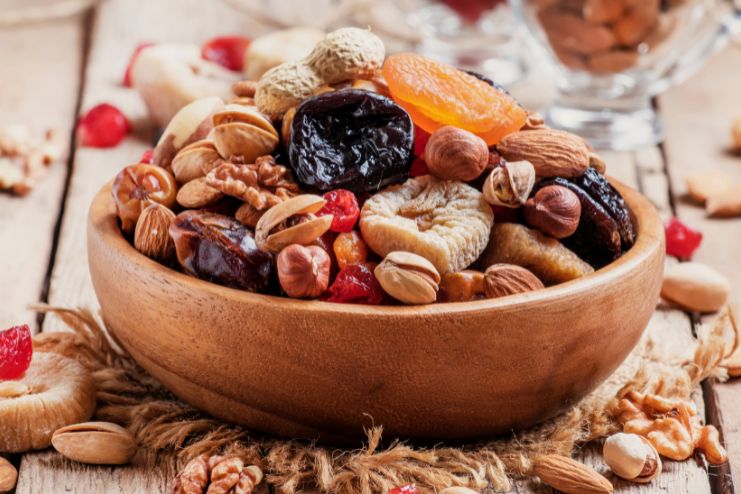
Dried fruits and nuts have been fundamental components of the human diet since prehistoric times, serving not only as convenient, shelf-stable foods but also as nutritional powerhouses that deliver exceptional health benefits.
These nutrient-dense foods represent some of nature’s most concentrated sources of vitamins, minerals, healthy fats, protein, and bioactive compounds that work synergistically to promote optimal health and prevent chronic disease.
In our modern world, where processed foods dominate grocery store shelves, dried fruits and nuts stand out as whole food options that bridge the gap between convenience and nutrition.
Unlike many manufactured snacks, these natural foods undergo minimal processing while retaining most of their original nutritional value. The dehydration process used in creating dried fruits actually concentrates many nutrients, making them incredibly dense sources of essential vitamins and minerals.
Recent scientific research has illuminated the remarkable health-promoting properties of these foods, revealing their potential to reduce the risk of cardiovascular disease, support brain health, aid in weight management, and provide protection against various chronic conditions.
This comprehensive guide explores the extensive benefits of incorporating dried fruits and nuts into your daily diet, backed by current scientific evidence and practical recommendations for optimal consumption.
1. Cardiovascular Health Protection

Heart Disease Prevention
The cardiovascular benefits of nuts are among the most well-documented health advantages supported by extensive research. Large-scale prospective cohort studies have consistently demonstrated that regular nut consumption is associated with significant reductions in cardiovascular disease risk.
Specifically, higher nut consumption has been linked to a 19% lower risk of cardiovascular disease incidence and a 25% reduction in cardiovascular mortality. The mechanisms behind these protective effects are multifaceted.
Nuts are rich sources of monounsaturated and polyunsaturated fats, which help improve cholesterol profiles by reducing harmful LDL cholesterol while maintaining or increasing beneficial HDL cholesterol. The magnesium content in nuts supports proper heart rhythm and blood vessel function, while potassium helps regulate blood pressure.
Cholesterol Management
Tree nuts and peanuts contain plant sterols and stanols, compounds that naturally block cholesterol absorption in the intestines. Regular consumption of nuts has been shown to reduce total cholesterol levels by 5-10% and LDL cholesterol by 6-12% in various clinical trials. The fiber content in nuts also contributes to cholesterol reduction by binding to bile acids and promoting their excretion.
Blood Pressure Regulation
The combination of potassium, magnesium, and L-arginine found in nuts supports healthy blood pressure levels. These nutrients work together to promote blood vessel relaxation and improve endothelial function, leading to better overall cardiovascular health.
2. Rich Antioxidant Properties
Free Radical Protection
Dried fruits and nuts are exceptional sources of antioxidants, including vitamin E, selenium, polyphenols, and flavonoids. These compounds protect cells from oxidative damage caused by free radicals, which are implicated in aging and chronic disease development. The antioxidant capacity of these foods helps maintain cellular integrity and supports the body’s natural defense systems.
Anti-Inflammatory Effects
Many of the bioactive compounds found in dried fruits and nuts possess anti-inflammatory properties. Chronic inflammation is an underlying factor in numerous health conditions, including heart disease, diabetes, and certain cancers. The regular consumption of these antioxidant-rich foods helps modulate inflammatory responses and may reduce the risk of inflammation-related diseases.
Skin and Cellular Health
The vitamin E content in nuts, particularly almonds and sunflower seeds, supports skin health by protecting against UV damage and promoting collagen synthesis. The antioxidants also support cellular repair mechanisms and may contribute to healthy aging at the cellular level.
Read More: All You Need to Know About Raisins’ Benefits
3. Brain Health and Cognitive Function
Neuroprotective Compounds
Nuts contain several compounds that specifically benefit brain health, including omega-3 fatty acids (particularly in walnuts), vitamin E, folate, and various polyphenols. These nutrients support neuronal function, protect against cognitive decline, and may reduce the risk of neurodegenerative diseases.
Memory and Learning Enhancement
Research suggests that regular nut consumption may improve memory, attention, and processing speed. The combination of healthy fats, antioxidants, and B vitamins supports optimal brain function and may help maintain cognitive abilities throughout the aging process.
Mood Regulation
The magnesium and tryptophan found in nuts and dried fruits can support mood regulation and stress management. These nutrients play roles in neurotransmitter production and may help alleviate symptoms of anxiety and depression. While some studies support these effects, more research is needed to fully establish the direct impact of these foods on mood and stress.
4. Weight Management Support

Satiety and Appetite Control
Despite being calorie-dense, nuts and dried fruits can actually support weight management when consumed in appropriate portions. The combination of protein, healthy fats, and fiber provides excellent satiety, helping to reduce overall calorie intake by preventing overeating at subsequent meals.
Metabolic Benefits
Studies have shown that people who regularly consume nuts tend to have lower body mass indices (BMI) and smaller waist circumferences compared to those who don’t. The thermogenic effect of processing the protein and healthy fats in nuts may also contribute to increased energy expenditure.
Blood Sugar Regulation
The low glycemic index of most nuts and the fiber content of dried fruits help stabilize blood sugar levels, preventing the rapid spikes and crashes that can lead to increased hunger and overeating.
Read More: Eating Walnuts Can Improve Heart And Gut Health, New Study Suggests
5. Diabetes Management and Prevention
Blood Glucose Control
Regular consumption of nuts has been associated with improved glucose tolerance and insulin sensitivity. The healthy fats, protein, and fiber in nuts help slow the absorption of carbohydrates, leading to more stable blood sugar levels throughout the day.
Reduced Diabetes Risk
Large epidemiological studies have shown that people who consume nuts regularly have a lower risk of developing type 2 diabetes. The Mediterranean diet, which emphasizes nuts and dried fruits, has been particularly effective in diabetes prevention.
Complications Prevention
For individuals with existing diabetes, nut consumption may help prevent complications by improving cardiovascular health markers and supporting better overall glycemic control.
6. Digestive Health Enhancement
Fiber Content and Benefits
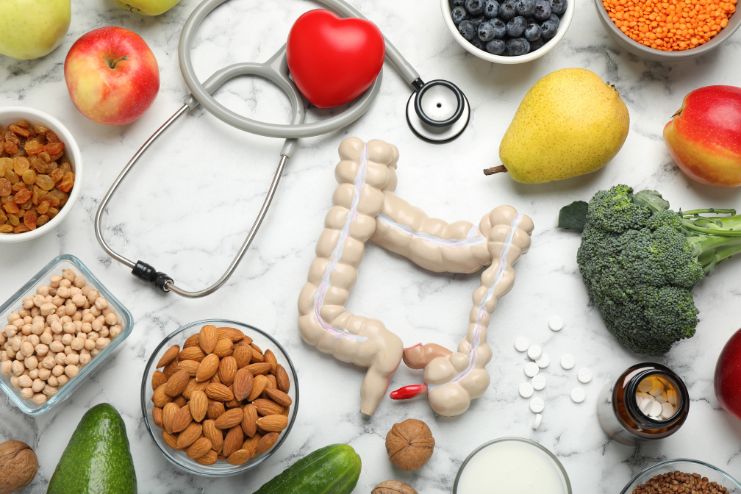
Dried fruits are excellent sources of both soluble and insoluble fiber, which are essential for optimal digestive health. Soluble fiber helps regulate blood sugar and cholesterol levels, while insoluble fiber promotes regular bowel movements and supports healthy gut bacteria.
Prebiotic Effects
Many dried fruits contain prebiotic compounds that feed beneficial gut bacteria, promoting a healthy microbiome. A diverse and healthy gut microbiome is increasingly recognized as crucial for overall health, including immune function and mental well-being.
Digestive Regularity
The combination of fiber and natural sugars in dried fruits can help promote regular bowel movements and prevent constipation, supporting overall digestive comfort and health.
Read More: 10 Fruits For Glowing Skin
7. Bone Health Support
Essential Minerals
Nuts are excellent sources of several minerals crucial for bone health, including calcium, magnesium, phosphorus, and manganese. These minerals work together to maintain bone density and strength throughout life.
Vitamin and Mineral Synergy
The magnesium in nuts helps with calcium absorption and bone mineralization, while the phosphorus supports bone matrix formation. This synergistic effect makes nuts particularly valuable for maintaining skeletal health.
Osteoporosis Prevention
Regular consumption of nuts, as part of a balanced diet, may help prevent age-related bone loss and reduce the risk of osteoporosis, particularly in postmenopausal women. While some evidence suggests these benefits, more research is needed to confirm a direct protective effect against osteoporosis.
8. Immune System Strengthening
Vitamin and Mineral Support
Dried fruits and nuts provide several nutrients essential for immune function, including vitamin E, zinc, selenium, and various antioxidants. These nutrients support the production and function of immune cells and help maintain the body’s defense systems.
Anti-Microbial Properties
Some nuts and dried fruits contain compounds with natural antimicrobial properties that may help the body fight off infections and support overall immune health. However, most of this evidence comes from laboratory studies, and more research is needed to confirm its effects in humans.
Stress Response
The nutrients in these foods also support the body’s ability to cope with stress, which can otherwise compromise immune function.
Read More: Immune-Boosting Citrus Salad: Spinach, Berries, and Almonds Galore
9. Energy and Athletic Performance

Sustained Energy Release
The combination of natural sugars, healthy fats, and protein in dried fruits and nuts provides both immediate and sustained energy release, making them excellent choices for athletes and active individuals.
Electrolyte Balance
Many nuts and dried fruits contain important electrolytes like potassium and magnesium, which are crucial for proper muscle function and hydration during physical activity.
Recovery Support
The anti-inflammatory compounds and protein content can support post-exercise recovery by reducing muscle damage and supporting repair processes.
10. Cancer Prevention Potential
Antioxidant Protection
The high antioxidant content of dried fruits and nuts may help protect against DNA damage that can lead to cancer development. These compounds neutralize free radicals and support cellular repair mechanisms.
Phytochemical Benefits
Many of the plant compounds found in these foods have been studied for their potential anti-cancer properties, including their ability to inhibit tumor growth and promote cancer cell death.
Population Studies
Large-scale population studies have suggested associations between nut consumption and reduced risks of certain types of cancer. However, it is important to note that these findings are associative, and more research is needed to establish definitive causal relationships between consuming these foods and cancer prevention.
Read More: 33 Best Anti-aging Foods To Add To Your Diet
11. Skin and Hair Health
Nutrient Support
The vitamin E, healthy fats, and minerals in nuts and dried fruits support skin and hair health from the inside out. These nutrients help maintain skin elasticity, promote healing, and support hair strength and shine.
Protection Against Damage
The antioxidants in these foods help protect skin from environmental damage and may slow signs of aging by supporting collagen production and cellular repair.
Hydration and Barrier Function
The healthy fats help maintain skin barrier function and hydration, contributing to overall skin health and appearance.
12. Mental Health and Mood Benefits
Stress Reduction
The magnesium content in nuts has been associated with reduced stress and anxiety levels. This mineral plays a crucial role in nervous system function and can help promote feelings of calm and relaxation.
Neurotransmitter Support
Several nutrients found in dried fruits and nuts support the production of neurotransmitters involved in mood regulation, including serotonin and dopamine.
Cognitive Mood Benefits
The improvement in cognitive function associated with nut consumption may also contribute to better mood and mental well-being by supporting overall brain health.
Optimal Consumption Guidelines
Portion Control
While dried fruits and nuts are incredibly nutritious, they are also calorie-dense. Recommended serving sizes are:
- Nuts: 1 ounce (28 grams) or about a small handful
- Dried fruits: 1/4 cup or about 2 tablespoons
Variety and Balance
Incorporating a variety of different nuts and dried fruits ensures a broader spectrum of nutrients and health benefits. Rotating between almonds, walnuts, cashews, pistachios, and different dried fruits provides optimal nutritional diversity.
Quality Considerations
Choose unsalted, unsweetened varieties when possible to avoid excess sodium and added sugars. Look for organic options to minimize exposure to pesticides, and store properly to maintain freshness and prevent rancidity.
Potential Considerations and Precautions
Allergies and Sensitivities
Tree nut allergies are among the most common and severe food allergies. Individuals with known allergies should avoid trigger foods and always read labels carefully.
Caloric Density
The high caloric content means these foods should be consumed mindfully as part of a balanced diet. Overconsumption can lead to unwanted weight gain.
Sugar Content in Dried Fruits
Some dried fruits are high in natural sugars and calories. Individuals with diabetes should monitor portions and choose unsweetened varieties when possible.
Vitamin C in Dried Fruits
While dried fruits are rich in many nutrients, it’s important to note that the dehydration process significantly reduces their vitamin C content compared to fresh fruit.
Read More: Top 7 Heart-Healthy Breakfast Products to Start Your Day Right
Conclusion
The scientific evidence overwhelmingly supports the inclusion of dried fruits and nuts as valuable components of a healthy diet. These nutrient-dense foods offer an impressive array of health benefits, from cardiovascular protection and brain health support to weight management assistance and immune system strengthening. Their convenience, shelf stability, and versatility make them practical choices for busy lifestyles while delivering exceptional nutritional value.
The key to maximizing benefits while minimizing potential drawbacks lies in mindful consumption, choosing high-quality varieties, and incorporating them as part of a balanced, varied diet. As research continues to unveil new aspects of their health-promoting properties, dried fruits and nuts remain among nature’s most effective functional foods.
Whether you’re looking to improve heart health, support cognitive function, manage weight, or simply add more nutrients to your diet, dried fruits and nuts offer a delicious and scientifically backed solution. By making these power-packed foods a regular part of your eating pattern, you’re investing in both immediate satisfaction and long-term health benefits that can last a lifetime.
The evidence is clear: these ancient foods hold modern solutions for optimal health and well-being, making them worthy additions to any health-conscious individual’s dietary repertoire.
References
- https://bmcmedicine.biomedcentral.com/articles/10.1186/s12916-016-0730-3
- https://www.jacc.org/doi/10.1016/j.jacc.2017.09.1118
- https://pubs.rsc.org/en/content/articlelanding/2020/fo/c9fo02703a
- https://www.mdpi.com/2072-6643/9/7/673
- https://academic.oup.com/ajcn/article/100/suppl_1/408S/4576520
- https://pubmed.ncbi.nlm.nih.gov/26944400/
- https://www.sciencedirect.com/science/article/abs/pii/S030881462030039X
- https://bmcmedicine.biomedcentral.com/
- https://www.jacc.org/
- https://nutritionj.biomedcentral.com/
- https://www.ncbi.nlm.nih.gov/pmc/articles/PMC3257681/
In this Article