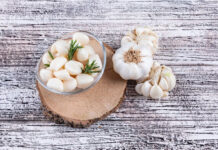








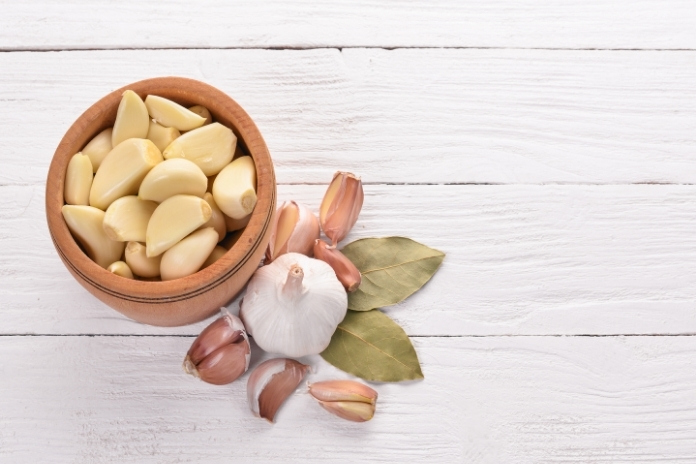
Garlic (Allium sativum) has been used for centuries in kitchens and folk medicine, valued as both food and remedy. Ancient cultures, from the Egyptians and Greeks to the Chinese, believed it could boost strength, ward off disease, and even protect against evil spirits.
Modern science has given those beliefs a biochemical foundation: garlic is packed with sulfur-containing compounds such as allicin, which form when cloves are crushed or chopped. These compounds have been shown in lab studies to possess antimicrobial, antiviral, anti-inflammatory, and immune-modulating properties.
But here’s where things get interesting. While the lab results are compelling, what matters most is whether these effects hold up in real life, when garlic is part of a normal diet or taken as a supplement.
Can it actually help you catch fewer colds, recover faster, or enhance immune function in a measurable way? The evidence suggests it can, sometimes, under certain conditions. It’s not a cure-all or a substitute for medical treatment, but it may offer modest support for your body’s natural defenses.
Below, we’ll look at what the strongest studies reveal, how consistent the results are, and what practical takeaways make sense if your goal is to use garlic smartly for immune support.
What’s in Garlic That Might Affect the Immune System
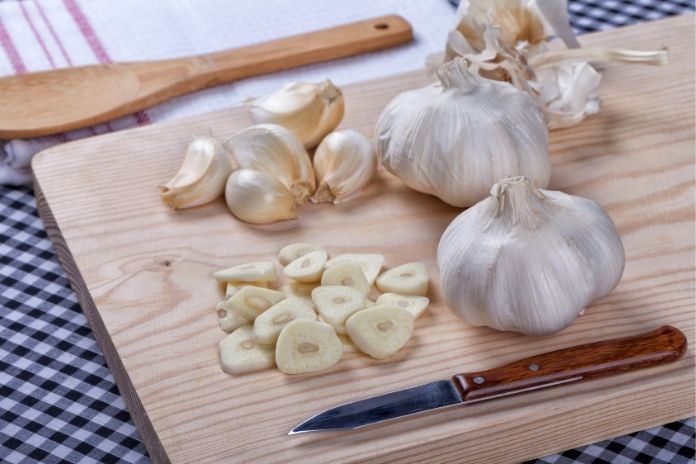
Garlic’s immune-related effects come from a complex mix of bioactive sulfur compounds and antioxidants that form when the clove is crushed, chopped, or chewed. These compounds interact with immune cells, influence inflammatory pathways, and may even inhibit pathogens directly.
Here’s a closer look at what’s inside and how it works.
1. Sulfur-Containing Compounds
The heart of garlic’s activity lies in its sulfur chemistry. When a garlic clove is intact, it contains a stable amino acid derivative called alliin. Once the clove is crushed or chopped, the enzyme alliinase converts alliin into allicin, the compound responsible for garlic’s sharp aroma and many of its biological effects.
- Allicin is short-lived but powerful. It rapidly breaks down into other sulfur derivatives like diallyl sulfide, diallyl disulfide, and ajoene, which continue to show antimicrobial, antioxidant, and anti-inflammatory properties in lab studies.
- These compounds have been observed to inhibit bacterial growth, interfere with viral replication, and modulate cytokine production, which could explain garlic’s reputation for supporting the immune system.
2. Aged Garlic Extract (AGE)
Another key form used in research is aged garlic extract (AGE), a preparation made by soaking sliced garlic in ethanol and water for several months. The aging process changes the chemical profile, converting unstable allicin into more stable and bioavailable compounds like S-allyl cysteine and S-allyl mercaptocysteine.
- These molecules are gentler on the stomach, better absorbed, and maintain antioxidant and immune-modulating effects.
- AGE is widely used in clinical studies because it provides a standardized concentration of active ingredients, making it easier to study than raw garlic.
- Research suggests that AGE may reduce the severity and duration of colds and improve immune cell function, especially natural killer (NK) and T cells.
3. Other Bioactive Compounds
Besides sulfur molecules, garlic contains small amounts of flavonoids, saponins, and trace minerals such as selenium, which may contribute to its antioxidant potential. Collectively, these components help protect immune cells from oxidative damage and support their function.
4. Preparation and Practical Use
The way garlic is prepared has a major impact on what bioactive compounds you actually consume:
- Crushing or chopping raw garlic and letting it rest for about 10 minutes before cooking allows alliinase to work, maximizing allicin formation.
- High heat destroys allicin, so lightly cooking or adding garlic toward the end of cooking helps preserve activity.
- Supplements vary widely, from dehydrated garlic powder to enteric-coated tablets and AGE capsules. Each form has a different composition and potency, so results from studies using AGE don’t automatically apply to dietary garlic or other supplement types.
In short, garlic’s immune effects come from a family of sulfur-based compounds, each with distinct chemistry and biological actions. Allicin dominates in fresh garlic, while aged garlic extract provides more stable, standardized compounds. How you prepare or supplement garlic determines how much of that potential your body actually gets.
Read More: Amazing Health Benefits of Garlic
How Garlic Compounds Interact with the Immune System
Laboratory and animal studies give us a clear sense of how garlic could influence immunity. The effects seen in these controlled settings don’t always translate perfectly to humans, but they help explain why garlic remains such an enduring focus of immune-support research. Here are the main mechanisms identified so far.
- Immune cell activation: Garlic constituents can stimulate macrophages, enhance natural killer (NK) cell activity, and modulate T-cell responses in experimental settings.
- Modulating cytokines and inflammation: Some garlic extracts reduce pro-inflammatory cytokines (TNF-α, IL-6) and oxidative stress markers in human and animal studies, suggesting an anti-inflammatory effect that could influence illness severity.
- Direct antimicrobial/antiviral activity: In vitro, allicin and related compounds have antibacterial and antiviral effects. This helps explain traditional uses, but doesn’t automatically mean the same effect occurs in the human body at normal dietary doses.
Mechanistic plausibility matters; it’s why garlic is a reasonable candidate for immune-support trials, but the human outcomes are what determine whether garlic actually reduces infections or symptoms.
What Human Studies Show: The Hard Evidence

Here’s the thing: lab work gives solid reasons to think garlic could help the immune system. Human trials give a mixed but cautiously optimistic picture, especially for standardized aged garlic extract (AGE). Below, I break the evidence down so it’s easy to use.
Aged garlic extract and immune markers/cold severity
A randomized, double-blind, placebo-controlled trial found that 90 days of aged garlic extract (AGE) supplementation improved NK cell function and γδ-T cell responses and reduced the severity of cold and flu symptoms compared with placebo (fewer symptoms, fewer days of feeling suboptimal).
The immune changes were measurable, and the clinical effect was a smaller but real reduction in symptom burden.
A larger review and follow-ups summarized similar findings: AGE tends to show immune-modulating effects in adults and may reduce symptom severity and duration, particularly in trials using standardized AGE doses (e.g., 2.56 g/day for 90 days in some studies).
Garlic supplements and common cold incidence
A randomized trial tested an allicin-containing garlic supplement vs a placebo over a winter period and reported significantly fewer colds in the garlic group (24 vs. 65 colds). This trial suggested reduced incidence, but study methods and reporting have limitations, and follow-up work is mixed.
A Cochrane-style systematic review and other reviews concluded that some trials show a protective effect against colds, but the evidence overall is limited by small study sizes, heterogeneous garlic preparations, and inconsistent reporting. The reviews called for larger, higher-quality trials.
Special populations and inflammation
Trials in people with obesity found that AGE supplementation modified inflammatory markers and immune parameters (e.g., reduced IL-6), suggesting garlic’s effects may be relevant where chronic inflammation blunts immune responses.
Important caveats about the human data
- Most positive trials use a supplement (often AGE) at concentrated doses, not simply one clove in a meal. Results from supplements do not automatically translate to raw or cooked garlic in food.
- Study sizes are modest, and populations vary (healthy adults vs older adults vs obese people vs cancer patients). That variability makes generalizing difficult.
- Outcomes differ. Some studies measure immune markers (NK cell activity), others measure clinical endpoints (number of colds, symptom severity). Improved lab markers do not always equal meaningful reductions in illness.
- Heterogeneity in products and dosing – raw garlic, garlic oil, allicin tablets, and AGE are not equivalent. Standardization matters for reproducible effects.
Bottom line from trials: There is consistent biological plausibility and a body of moderate-quality human trials (especially with AGE) showing immune modulation and reduced symptom severity for respiratory infections. The evidence is promising but not definitive enough to claim garlic as a universal immune shield.
Myth vs Fact: Straight Answers
Myth: Eating garlic will make you immune to colds and flu.
Fact: Garlic contains compounds that can support immune function and may reduce the severity or frequency of some respiratory infections in some trials, especially when standardized supplements are used. It isn’t absolute protection.
Myth: Raw garlic is always better than supplements.
Fact: Raw garlic provides allicin precursors and culinary benefits, but supplements like AGE are standardized and have been the subject of many clinical trials. Both have roles; they’re just different tools.
Myth: Garlic replaces vaccines and standard infection prevention.
Fact: Garlic is complementary at best. Vaccination, hand hygiene, good sleep, balanced nutrition, and medical care remain primary prevention strategies.
How to Use Garlic Sensibly for Potential Immune Benefits
If you want to include garlic as part of an immune-support plan, it helps to balance tradition with evidence. Garlic can complement your diet and lifestyle, but the key is knowing how to use it and what to realistically expect from it.
1. Start with Food, But Know the Limits
Using garlic regularly in cooking is a simple, safe way to tap into its bioactive potential.
- Saurabh Sethi, MD, Gastroenterologist, emphasizes that crushing or chopping garlic and letting it rest for about 10 minutes before cooking helps activate the enzyme alliinase, which in turn produces allicin, one of garlic’s key bioactive compounds. Heating too early or too aggressively breaks down the enzyme and reduces the health benefits.
- Add garlic toward the end of cooking or use it raw in dressings, dips, or toppings to retain more of its beneficial sulfur compounds.
- Realistically, dietary garlic provides much smaller amounts of active compounds than concentrated supplements. Still, it contributes flavor, antioxidant nutrients, and general dietary variety, all good for long-term health.
2. Consider Standardized Supplements for Measurable Effects
If your goal is targeted immune support rather than culinary use, aged garlic extract (AGE) is the form most consistently studied.
- Clinical trials using AGE, typically around 2.56 g/day for 90 days, reported improved natural killer (NK) cell activity and reduced cold and flu symptom severity.
- Choose products that clearly state standardization, dosage, and extract form. Supplements that don’t specify this can vary widely in composition and potency.
- AGE is also better tolerated than raw garlic and less likely to cause odor or stomach irritation.
3. Keep Dosing Expectations Realistic
There’s no established “immune-boosting dose” for raw or cooked garlic.
- Eating garlic in meals contributes useful bioactives, but it’s not equivalent to the standardized doses used in supplement trials.
- Supplements in research deliver concentrated, consistent compounds, something a diet alone rarely matches.
- If you prefer food sources, consistency matters more than quantity: small, regular intake over time is better than occasional large amounts.
4. Use Garlic as Part of a Broader Strategy
Garlic can play a supportive role, but it’s not a shield on its own.
- Pair it with proven immune-strengthening habits like vaccination, balanced nutrition, adequate sleep, stress management, and physical activity.
- Think of garlic as a complementary piece; it helps fine-tune immune responses, but the real foundation of resilience comes from overall lifestyle.
- For anyone taking blood thinners or preparing for surgery, check with a healthcare provider before starting concentrated garlic supplements, as they can influence clotting.
Dr. Sandra Darling, DO, emphasizes that garlic can support immunity, but not in the way people often imagine. She explains that allicin, the active compound released when garlic is crushed or chopped, shows antimicrobial and anti-inflammatory activity, which may help the body respond better to seasonal infections.
But she’s clear that garlic isn’t a force field against colds or flu. In her words, it should be seen as a helpful addition to a healthy routine – something that works alongside vaccinations, good sleep, hand hygiene, and balanced nutrition, not instead of them.
Bottom line: Garlic fits beautifully into an immune-supportive lifestyle when used wisely. Regularly include it in meals for steady, gentle benefits, or consider a standardized aged garlic extract if you want evidence-based immune modulation. Just remember, garlic supports the immune system; it doesn’t replace the basics that keep it strong.
Read More: 10 Ultimate Ways To Boost Immunity For A Healthy Living
Who Should Be Cautious?
- People on blood thinners (e.g., warfarin): Garlic (especially high-dose supplements) can increase bleeding risk or interact with anticoagulant drugs. Check with your clinician before adding supplements.
- People preparing for surgery: Stop high-dose garlic supplements as advised prior to invasive procedures to reduce bleeding risk.
- Those with gastrointestinal sensitivity: Raw garlic can cause heartburn, gas, or irritation for some people. Supplements may be easier to tolerate but still carry side effects in high doses.
- People with significant immune deficiencies: Garlic might modulate immune markers, but it won’t substitute for clinical immunotherapy, vaccines, or specialist care.
Takeaway
Garlic contains a mix of biologically active sulfur compounds, most notably allicin, that show antimicrobial, antioxidant, and immune-modulating effects in lab studies. These compounds can influence immune cell activity, reduce inflammation, and help the body respond more efficiently to pathogens.
That biochemical foundation explains why garlic has held its reputation for strengthening the body’s defenses for centuries. Human research gives cautious but consistent support. Several randomized controlled trials, particularly those using aged garlic extract (AGE), have found improved immune markers like natural killer (NK) cell activity and modest reductions in the severity and duration of cold and flu symptoms.
Systematic reviews echo this, calling the evidence promising but not conclusive, largely because studies differ in quality, sample size, and garlic preparation. What this means practically is that garlic is neither a miracle cure nor an empty myth. Used regularly in food, it can contribute to general immune resilience and overall dietary quality.
For those seeking more measurable effects, standardized AGE supplements have the strongest backing, provided they’re used consistently and responsibly. Still, garlic should be seen as a complement, not a replacement, for the foundations of immune health: vaccination, balanced nutrition, adequate sleep, exercise, and stress management.
People on blood thinners, preparing for surgery, or with serious medical conditions should consult a clinician before taking concentrated garlic supplements. Used wisely, garlic is a low-risk, evidence-aligned way to gently support your immune system.
FAQs
How much garlic should you eat daily to boost immune health?
There’s no official dietary dose. Trials showing immune benefits typically used standardized supplements (e.g., AGE around a few grams/day) rather than a set number of cloves. For food, one to two cloves daily as part of a balanced diet is reasonable for most people.
Does raw garlic work better than cooked garlic for immunity?
Raw garlic provides the substrate and enzyme that form allicin; high heat reduces allicin formation. Letting crushed garlic sit 5–10 minutes before cooking helps. That said, supplement forms like AGE have different, more stable compounds and are preferable in trials showing immune effects.
Can garlic supplements replace eating garlic in foods?
Supplements (especially AGE) have been used in clinical trials and may offer standardized dosing that food can’t reliably provide. But whole food garlic offers culinary and nutritional benefits. They’re complementary, not mutually exclusive.
Will garlic protect me from viruses like the common cold or flu?
Garlic may reduce the frequency or severity of colds in some studies, especially with supplements, but it does not guarantee protection. Use garlic as part of broader prevention efforts, including vaccination and hygiene.
Are there side effects or risks from eating too much garlic?
Excessive raw garlic can cause heartburn, gastrointestinal upset, and, in high supplemental doses, may increase bleeding risk, particularly when combined with anticoagulant medications.
References
- Ansary, J., et al. (2020). Potential health benefits of garlic based on human studies. Journal/Source.
- Arreola, R., et al. (2015). Immunomodulation and anti-inflammatory effects of garlic. Journal of Immunology Research.
- Gruenwald, J., et al. (2019). Effects of aged garlic extract on arterial elasticity in a placebo-controlled trial.
- Ishikawa, H., et al. (2006). Aged garlic extract prevents a decline in NK cell number.
- Josling, P. (2001). Preventing the common cold with a garlic supplement. Advances in Therapy.
- Lissiman, E., Bhasale, A. L., & Cohen, M. (2014). Garlic for the common cold.
- Nantz, M. P., et al. (2012). Supplementation with aged garlic extract improves both NK and γδ-T cell function and reduces the severity of cold and flu symptoms: A randomized, double-blind, placebo-controlled trial. Clinical Nutrition, 31(3), 337–344.
- Percival, S. S. (2016). Aged garlic extract modifies human immunity.
- Rouf, R., et al. (2020). Antiviral potential of garlic (Allium sativum) and its organosulfur compounds: A review. Frontiers in Microbiology.
- Xu, C., et al. (2018). Aged garlic extract supplementation modifies inflammation and immunity of adults with obesity: A randomized, double-blind, placebo-controlled clinical trial.
- Mayo Clinic. (2024). Warfarin side effects: Watch for interactions.
- Drugs.com. (n.d.). Garlic interactions with warfarin.
In this Article