












Negative core beliefs are surprisingly common, even in people who seem confident or even emotionally stable. Most of us have at least a few common negative core beliefs. These are the deep assumptions about ourselves, other people, or the world that quietly shape our daily thoughts and reactions.
Negative core beliefs stem from childhood experiences, repeated criticism, trauma, or those households where emotional needs weren’t met consistently. When you read through this list of core beliefs, you’ll likely recognize several negative core beliefs that feel uncomfortably familiar. That doesn’t mean failure, but awareness.
Understanding these types of negative core beliefs is a powerful first step. It helps you to separate who you really are from what you learned to believe about yourself.
This article emphasizes that having these beliefs doesn’t make you flawed; it makes you human. And once a belief has a name, it becomes easier to overcome.
Read More: How Do Core Beliefs Form? The Science of Early Programming
Self-Related Negative Core Beliefs
These negative core beliefs determine how you relate to yourself. They examine your self-worth, the decisions that you make, and how well you face challenges in life.
1. “I’m Not Good Enough/I’m A Failure”

What it means in daily life:
You often feel that anything you do is not good enough, even after receiving praise for your work. This belief allows you to reduce achievements as “small” or “lucky.” It convinces you that you have to work harder than anyone else just to be accepted.
How it manifests:
You overprepare to avoid an expected failure or don’t do anything at all. You constantly compare yourself to others and perceive them as doing better.
Related mental health struggles:
You may question your own capabilities and doubt yourself when making decisions. You may feel apprehensive in situations where your performance is visible. This belief makes you burn out faster, as you strive for perfection all the time.
2. “I’m Unlovable.”
What it means in daily life:
You feel that something in you makes true love impossible. Despite people expressing care, you doubt their sincerity. You may believe that any relationship you get into will end in disaster because of you.
How it manifests:
You either cling tightly to relationships or keep people at a distance. You read rejection into neutral behavior.
Related mental health struggles:
This belief feeds relationship anxiety and a fear of abandonment. It may further lead to depression in many cases. Individuals who hold this belief have difficulty trusting affection, even when it is genuine.
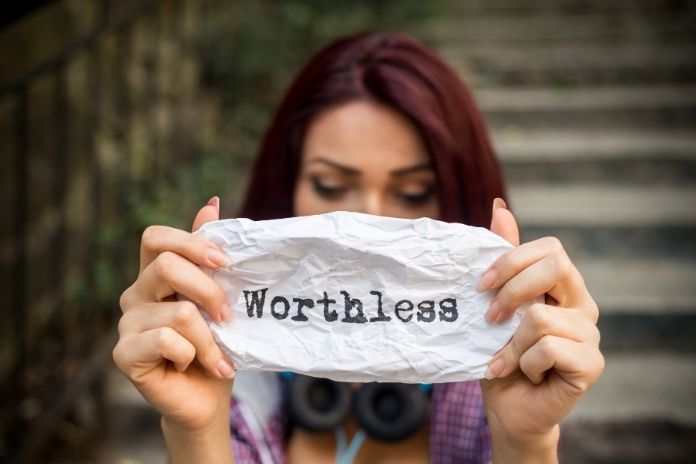
3. “I’m Worthless”
What it means in daily life:
You feel like your presence doesn’t matter, and you minimize your strengths. You may over-apologize because you’re sure you’re such a bother. You can’t see your inherent value.
How it manifests:
You accept mistreatment or stay silent even when you deserve better. You avoid opportunities because you feel undeserving of them.
Related mental health struggles:
It might lead to low self-esteem and loneliness. When a person feels he or she does not add value, this may intensify depressive thoughts. People start to withdraw socially because they feel others will not care.
4. “I’m Incompetent/I Can’t Do Anything Right.”
What it means in daily life:
You assume others know more, do better, and make fewer mistakes. You often wonder whether you are capable of handling even the simplest of tasks. You rarely take initiative since you fear you might make mistakes.
How it manifests:
You seek assurance constantly. You avoid leadership or anything that requires confidence.
Related mental health struggles:
This belief often appears in anxiety disorders. It can lead to feelings of helplessness at work or in academics. This common negative core belief hinders personal growth over time, as you stop trying new things.
5. “I’m Defective/There’s Something Wrong With Me.”

What it means in daily life:
You feel fundamentally flawed, broken, or different from others. You may fear that people will find out about your “setbacks.” You assume that any relationship might end when someone sees the “real” you.
How it manifests:
You hide personal details and avoid deep conversations. You overthink and analyze your behaviors to check if there is anything wrong.
Related mental health struggles:
Shame becomes a core feeling of emotion. You may have problems with identity and self-image. This is typical for those whose background includes trauma or chronic criticism.
6. “I’m a Burden.”
What it means in daily life:
You always feel like your needs bother others. You stop asking for help because you think it will annoy them. You shrink yourself to avoid being “too much.”
How it manifests:
You apologize all the time for minor things, and do not share your feelings when it counts.
Related mental health struggles:
The person usually struggles with feelings of guilt and people-pleasing, and can develop social anxiety because of the fear of taking up space. In more serious degrees, it may even lead to isolation with the aim of “protecting” others.
7. “I’m Powerless/I’m Helpless.”
What it means in daily life:
You feel you cannot control the circumstances. Problems are overwhelming because you do not consider yourself capable of influencing events. You expect others to take the lead most of the time.
How it manifests:
You avoid making decisions and give up easily in the face of obstacles.
Related mental health struggles:
This belief is strongly associated with helplessness. It makes them vulnerable to depression during stressful periods. People may stay in unhealthy situations since they feel incapable of change.
8. “I Don’t Deserve Anything Good.”
What it means in daily life:
You believe positive experiences are accidental or temporary. You assume good things happen to others, not you. When success comes, you feel guilty rather than proud.
How it manifests:
You let go of opportunities. You avoid compliments and undermine your achievements.
Related mental health struggles:
This belief reinforces cycles of self-punishment. It can lead to chronic dissatisfaction because joy feels undeserved. People remain in unhealthy relationships because better is not meant for them.
9. “I’m Ugly/I’m Unattractive”.
What it means in daily life:
You perceive your look as flawed, whether anyone compliments you or not. You may feel judged or watched when no one is paying attention to you. You compare yourself with others all the time.
How it manifests:
You avoid mirrors or check them obsessively. You skip social events due to anxiety about your appearance.
Related mental health struggles:
This belief often contributes to body dysmorphia. It may fuel social anxiety in public settings. Low confidence will affect your love life, friendships, relationships, and even work interactions.
10. “I’m Stupid/I’m Not Smart Enough.”
What it means in daily life:
You consider yourself intellectually less than other people. By replaying mistakes as proof of incompetence, you avoid situations where you fear judgment. This is known as an inferiority complex, where individuals feel insecure about their identity.
How it manifests:
You withhold ideas when working in groups. You let others make decisions because you don’t trust your own judgment.
Related mental health struggles:
This belief feeds imposter syndrome. It can increase school or work-related anxiety. Many individuals succumb to chronic self-criticism when they perform better.
Read More: How to Stop Intrusive Thoughts: 9 Therapist-Backed Techniques That Actually Work
Other-Related Negative Core Beliefs
These kinds of core beliefs influence how you interpret people’s intentions and behavior.
11. “People Can’t Be Trusted.”

What it means in daily life:
You assume that others can’t be trusted; they will lie to or disappoint you. You assume others are dishonest even when you don’t have evidence for this. You are suspicious of being vulnerable, as if it’s unsafe.
How it manifests:
You keep emotional distance; you double-check people’s words or motives.
Related mental health struggles:
This belief intensifies anxiety in relationships. It may prevent you from making meaningful connections with others. Many people are lonely because they cannot depend on others emotionally.
12. “People Will Hurt Me.”
What it means in daily life:
You believe people are always harmful. You interpret neutral actions as potential threats. And try to stay protected to prevent emotional pain.
How it manifests:
You avoid intimacy, staying hyper-aware of others’ moods or behaviors. All this just to avoid a feeling of being hurt by others.
Related mental health struggles:
This is a common belief following betrayal or trauma. It is often associated with hypervigilance, as many individuals struggle to relax socially since they are always expecting danger.
13. “People are Selfish.”
What it means in daily life:
You believe that others act on self-interest. Rarely would you expect them to be understanding or supportive. You view generosity as serving hidden motives.
How it manifests:
You avoid emotional involvement. You hold back from asking for help.
Related mental health struggles:
This belief can create social disconnection. It heightens resentment and cynicism. Over time, it may result in chronic mistrust.
14. “People will Leave Me.”
What it means in daily life:
You’re scared by others leaving, even without signs. You’re always looking for clues of distancing. You think relationships are temporary.
How it manifests:
You cling to relationships. Communication changes make you anxious.
Related mental health struggles:
This negative core belief adds to the insecurity in relationships. It can bring about emotional ups and downs. Many experience fear that overshadows real connection.
15. People are Judgmental.

What it means in daily life:
You assume others notice and judge your defects. You feel watched or scrutinized in social situations. You have a strong fear of humiliation.
How it manifests:
You rehearse conversations excessively. You avoid situations where eyes might be on you.
Related mental health struggles:
This belief is linked to social anxiety. It can make group interactions overwhelming. Many people experience avoidance patterns that reduce long-term confidence.
World-Related Negative Core Beliefs
These are negative core beliefs that influence how safe, fair, or predictable you believe the world is.
16. “The World is Dangerous.”
What it means in real life:
You consider the world to be unsafe and threatening. You assume danger where there is normally no threat. You have difficulty letting yourself relax.
How it manifests:
You are extremely overthinking about worst-case scenarios. You avoid novel situations.
Related mental health struggles:
It is a belief commonly held in anxiety disorders. It may lead to chronic fear and hypervigilance. Many people develop avoidance habits that shrink their comfort zone.
17. “Life is Unfair.”
What it means in daily life:
You assume effort won’t pay off. You expect injustice to occur in your life. You think others get chances while you don’t.
How it manifests:
You stop trying to reach your goals. You feel indignant about situations in which you feel that you have been treated unequally.
Related mental health struggles:
This belief fuels pessimism. It might even lead to hopelessness during challenges, as so many people feel stuck because they expect the circumstances to remain unfair.
18. “Bad Things Always Happen to Me.”
What it means in daily life:
You see yourself as unfortunate or jinxed; you expect the worst even when things are going well. You think good things won’t last or won’t count.
How it manifests:
You excessively prepare for disasters. You downplay the good times because you feel they will soon end.
Related mental health struggles:
This belief promotes anxiety during transitions. It leads to chronic stress and rumination; therefore, many people feel defeated before the events even occur.
19. “I am Incapable of Success.”
What it means in daily life:
You assume you lack the traits needed to achieve goals. You downplay progress as accidental. You fear trying because failure feels certain.
How it manifests:
You procrastinate on important goals. You avoid opportunities that might highlight your abilities.
Related mental health struggles:
This belief feeds into low motivation and may foster feelings of inadequacy at work or school. There are many individuals who, before embarking on a particular job, feel overwhelmed.
20. “Nothing Ever Works Out.”
What it means in daily life:
You expect plans to fail regardless of effort. You approach new situations with disappointment. You assume setbacks reflect a larger pattern.
How it manifests:
You give up easily. Long-term planning makes little sense to you.
Related mental health struggles:
This belief reinforces hopelessness, which can worsen depressive symptoms.
Many people stop seeking support because they assume it won’t help.
Read More: Embracing Imperfection: The Beauty of Self-Acceptance and Authenticity
How Multiple Beliefs Interact
Most people have a cluster of common negative core beliefs, rather than just one. The contents often reinforce each other. “I am unlovable” can feed “People will abandon me,” which strengthens “The world is unsafe.” The result is a belief system that combines emotional responses and behavior.
When you challenge one belief in therapy, several linked beliefs typically weaken. Over time, the patterns clarify, and you can see that your childhood experiences taught you these assumptions. Rarely is the core belief the surface one; it’s usually the one you’re afraid to say out loud.
Conclusion
Knowing your place on this list of core beliefs is a potent first step. None of these beliefs is universal; they’re only common because they’re learned, not because they’re true. Being aware makes you understand better why you’re thinking, reacting, and feeling as you do. Each belief listed here can change with reflection, support, and self-awareness.
Being able to name a belief does not define you. However, it frees you to see yourself more clearly. Save this list as a starting point for a deeper understanding of your inner world.
Frequently Asked Questions
-
Are negative core beliefs a mental illness?
No, these are learned thinking patterns, not symptoms of any disorder. Anyone can develop negative beliefs associated with their upbringing or experiences.
-
Can you have both positive and negative core beliefs at the same time?
Yes, most people feel confident in some areas and insecure in others; humans have mixed beliefs that change depending on the context.
-
What’s the most common core belief?
“I’m not good enough” seems to come up most often across age groups, cultures, and backgrounds. It is one of the most common negative core beliefs because it develops so easily during childhood.
References
- Everyday Health. (n.d.). Understanding an inferiority complex. Everyday Health.
- Day, M., & Fiske, S. T. (2019). Understanding the nature and consequences of social mobility beliefs. Harvard University.
- National Institute of Mental Health. (n.d.). Social anxiety disorder: More than just shyness.
- WebMD. (n.d.). What is imposter syndrome?
- Thrive Therapy and Counseling. (2022, January 22). Identifying negative core beliefs.
In this Article