












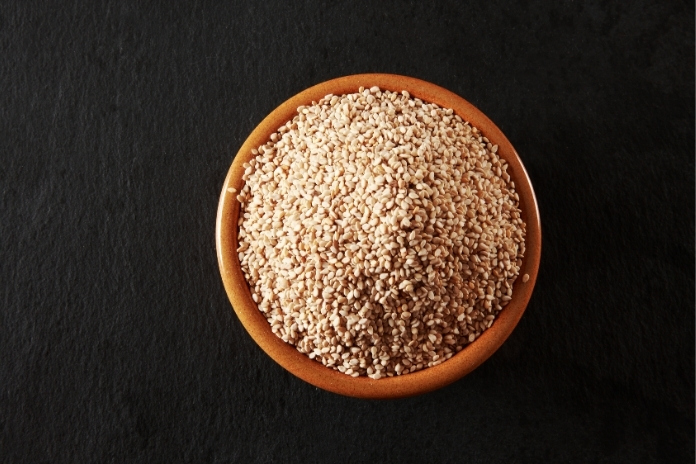
Those tiny white seeds you just picked off the top of your burger? They’re actually incredibly beneficial for your health. Yes, I’m talking about sesame seeds.
Sesame seeds are much more than just a garnish or condiment in Asian cuisine – their actual health benefits go above and beyond what most people realize.
In this article, we’ll explore the benefits of sesame seeds, along with some potential side effects you may not have known about.
What Are Sesame Seeds?
Sesame seeds are oil seeds that come from the sesame plant. They’re primarily grown in Africa and parts of India. These seeds are among the oldest known oil seeds and are prized for their rich, nutty flavor when added to dishes.
They can be consumed raw or toasted to bring out their full flavor.
So, are they actually beneficial for your health? Absolutely. They offer a wide range of benefits for your overall well-being.
Health Benefits of Sesame Seeds
Sesame seeds are rich in omega-3 fatty acids and possess remarkable healing properties that play a significant role in overall health and well-being. They’re also packed with beneficial antioxidants, vitamins, and dietary fiber, all of which positively impact your health.
Let’s walk through the various health benefits of sesame seeds that most people aren’t even aware of.
1. Weight Loss

When it comes to finding the best seeds for weight loss, sesame seeds rank high on the list. These small seeds aren’t just loaded with beneficial nutrients and vitamins – they’re also rich in dietary fiber, which helps you feel full and reach satiety more quickly.
The rich fiber content, along with essential minerals, helps boost metabolism, thereby aiding in weight loss. Additionally, sesame seeds help maintain healthy lipid profiles, further promoting weight loss.
Important note: While sesame seeds can support weight loss, they’re high in healthy fats and calories (about 160 calories per ounce). Enjoy them in moderation – stick to 1-2 tablespoons per day as part of a balanced diet.
2. Benefits for Polycystic Ovarian Syndrome (PCOS)
Sesame seeds, rich in omega-3 fatty acids, proteins, and essential minerals and vitamins, may offer some support in managing PCOS, although research is still emerging.
Note on Seed Cycling: You might have heard buzz about “seed cycling”—eating specific seeds (including sesame) during different phases of your menstrual cycle to balance hormones. Here’s the truth: while this practice has plenty of fans and success stories, the science isn’t there yet.
There’s little research backing its effectiveness. If you want to try seed cycling for hormonal balance, think of it as a complementary approach, not a cure-all. And definitely talk to your healthcare provider first, especially if you have any underlying health issues.
Read More: 9 Healthiest Seeds To Eat For Better Nutrition
3. Supporting Menstrual Regularity
In traditional medicine systems, particularly Ayurveda, irregular periods or menstrual cycles are often attributed to unbalanced hormone levels.
Sesame seeds have been used for centuries in these healing traditions to help regulate menstrual cycles. While modern scientific research on this specific benefit is limited, a small clinical study found that sesame seed consumption helped induce menstruation in women with oligomenorrhea (infrequent periods).
For those interested in traditional approaches, try consuming two sesame seed balls rolled in jaggery every day, though it’s best to consult with a healthcare provider first.
4. Relief from Constipation

Constipation, or the lack of proper bowel movements, can be very taxing on your health. Whatever the cause, sesame seeds can be an effective remedy. Because of their high dietary fiber content, they’re considered an effective solution for this issue.
Beyond their nutritional benefits, sesame seeds also help promote digestion and soften stools, which in turn helps relieve the signs of constipation.
5. Cancer Prevention
While there are numerous underlying causes of cancer, with lifestyle and diet playing pivotal roles, sesame seeds can be quite beneficial in cancer prevention.
Sesame seeds are rich in essential antioxidants that help regulate free radical levels. Excess free radicals in the body are a primary reason behind cancer development.
Additionally, the nutritional properties of sesame seeds, including their omega-3 fatty acids, also contribute to the prevention of this deadly disease.
6. Stronger Bones

The zinc present in sesame seeds helps boost overall bone mineral density and bone health. Not only that, but sesame seeds are also rich in calcium, which has a significant impact on bone health.
A lack of zinc and calcium in the diet often negatively impacts bone health, which is why it’s recommended to consume sesame seeds regularly.
7. Heart Health
The combination of antioxidant and anti-inflammatory properties helps reduce the risk of cardiovascular diseases. They also possess anti-atherogenic properties that contribute to better heart health.
Additionally, sesame seeds are loaded with beneficial fatty acids like oleic acid, which can lower bad cholesterol levels in the body, thus preventing the risk of atherosclerosis and other heart-related diseases.
“Like other seeds, sesame seeds are a good source of fiber and healthy fats. Sesame seeds are high in magnesium, vitamin E, and iron, and are a good source of calcium,” Liz Weinandy, MPH, RDN, lead dietitian at the Ohio State University Wexner Medical Center, told “Good Morning America.”
Read More: 11 Benefits of Sesame Oil for Skin You Need to Know
8. Improved Digestion

Sesame seeds are rich in dietary fiber, which supports better digestion. The fiber content helps smooth the functioning of the small intestine, promoting the overall process of defecation and helping prevent constipation and irritable bowel syndrome.
9. Diabetes Management
The magnesium in sesame seeds can combat the risk of diabetes and keep it under control. Sesame seeds also have a very low glycemic index, which helps prevent spikes in insulin levels after consumption.
The use of sesame oil by diabetic patients has shown positive outcomes in managing the condition.
10. Lower Blood Pressure

Studies have shown that the magnesium in sesame seeds can help treat conditions associated with hypertension.
The overall antioxidant and anti-inflammatory properties of sesame oil help reduce high blood pressure and keep it in check.
11. Reduced Inflammation
As mentioned earlier, sesame seeds are loaded with anti-inflammatory properties that help eliminate inflammation and the pain that accompanies it. Additionally, sesame seeds help manage pain and inflammation because of their copper content.
This is why doctors often suggest consuming sesame seeds when suffering from rheumatoid arthritis.
12. Anemia
Sesame seeds, especially the black variety, are loaded with essential iron compounds, which can combat iron deficiency and help correct the proper development of red blood cells. This not only cures iron deficiency anemia but also addresses the accompanying symptoms.
13. Protection from Radiation
DNA damage from radiation therapy can be quite common. Sesame seeds contain a compound called sesamol, which offers protective properties against this damage and can reverse it to ensure there are no negative implications in the future.
It has also been found to protect the intestines and spleen from radiation damage.
14. Oral Health
Sesame oil is one of the most commonly used oils for oil pulling, which helps remove dental plaque and eliminate persistent bacterial growth inside the oral cavity. Sesame oil pulling also boosts the overall rate of saliva secretion, which further impacts oral cavity health.
The benefits of eating sesame seeds include teeth whitening, making them look polished and healthier.
Sesame Seed Benefits for Skin

Just as sesame seeds benefit overall health and well-being, the benefits for skin are equally pronounced. Let’s review some of them.
15. Anti-Aging Properties
When it comes to anti-aging, the main culprits are stress and poor diet. Sesame seeds pack a powerful one-two punch with their antioxidant and nourishing properties that tackle aging at its source.
Their antioxidant properties fight excess free radicals in your body, helping keep the visible signs of aging, like fine lines and wrinkles, at bay.
16. Natural Sunscreen
Another common health benefit of sesame seeds is that they can serve as a natural sunscreen. Sesame seed oil can reduce the signs and symptoms of extended sun exposure. It actually protects both hair and skin from the damaging effects of sun rays.
17. Glowing Skin
Sesame seeds deliver serious benefits for your skin, and that coveted glow is one of the best. The omega-3 fatty acids work from the inside out to deeply nourish your skin. They also boost skin cell renewal, giving you a healthier, more radiant complexion.
Sesame Seeds Benefits for Hair

Your hair deserves the same nutritional love as the rest of your body. Bad hair days aren’t just frustrating – they can affect your entire mood. If you’re serious about maintaining healthy, vibrant hair, sesame seeds deserve a spot in your routine.
18. Hair Growth
The triple threat of omega-3, omega-6, and omega-9 fatty acids in sesame seeds works wonders for hair growth. These essential fatty acids don’t just nourish your hair follicles – they strengthen them right at the root, creating the perfect foundation for healthy hair growth.
Make it a habit to massage your scalp with warm sesame oil regularly and let it soak in – the results speak for themselves. The vitamins and nutrients in sesame seed oil boost both hair quality and growth. Plus, the phytosterols in sesame oil take your hair health to the next level.
19. Scalp Moisturizing
A dry scalp is often the root cause of numerous hair and scalp issues. If you’ve been battling dryness, it’s time to switch things up and give sesame seeds a try.
Sesame seed oil doesn’t just moisturize, it deeply nourishes your scalp, promoting overall scalp health. For best results, go with warm oil massages to really let those nutrients sink in.
20. Traditional Support for Hair Graying
If you’ve been worried about graying hair, it’s time to sit down and assess the problem before it gets out of hand.
In Ayurvedic medicine, black sesame seeds have been used for centuries to maintain hair pigmentation and prevent premature graying. Ayurvedic practitioners believe that sesame seeds balance the “Pitta” dosha, which governs metabolism and transformation in the body, including hair pigmentation.
The traditional approach involves regular consumption of black sesame seeds, often mixed with jaggery or honey, and topical application of sesame oil to the scalp.
From a modern nutritional perspective, sesame seeds possess beneficial anti-aging properties mainly because of their wide range of vitamins, minerals, and antioxidant properties. They protect cells from being attacked by free radicals, which may help maintain overall cellular health, including hair follicle cells.
While scientific studies specifically on sesame seeds preventing gray hair are limited, the nutritional support they provide aligns with traditional Ayurvedic wisdom passed down through generations.
Read More: Simple and Satisfying Buddha Bowls: One-Bowl Wonders for Balanced Meals
How to Include Sesame Seeds in Your Diet

Sesame seeds have a unique, nutty flavor that grows on you. The key to reaping their benefits is making them a regular part of your meals rather than treating them as a one-time addition.
Unlike supplements you take at specific times, sesame seeds work best when woven into your daily eating habits. The more consistently you eat them, the better the results.
Here are easy, delicious ways to add sesame seeds to your diet:
- Make tahini dip – This creamy sesame paste is perfect with veggies or pita bread
- Top your noodles – Sprinkle toasted sesame seeds over any Asian-inspired dish
- Bake them in – Add to homemade crackers or bread dough
- Roll into energy balls – Mix with melted jaggery for a sweet, nutritious snack
- Toss on salads – Toast them first for extra crunch and flavor
Nutritional Value of Sesame Seeds
When it comes to the nutritional benefits of sesame seeds, the list is impressive. Here’s a comprehensive breakdown:

*RDI = Recommended Daily Intake based on a 2,000-calorie diet for adults. These values are approximate and will vary depending on how much and in which form you’re eating the seeds. Individual nutritional needs may differ based on age, sex, and activity level.
Side Effects of Too Much Sesame Seeds
Like anything good, sesame seeds can cause problems if you overdo it. Many people dive in headfirst, assuming more is always better—but that’s not the case.
Here’s what can happen when you eat too many sesame seeds:
Digestive Issues
Too much of a good thing can backfire. Since sesame seeds are packed with fiber, it’s crucial to watch your portions. While moderate amounts help prevent constipation, going overboard can actually upset your stomach and cause digestive discomfort.
Allergies
You might not even know you’re allergic to sesame seeds until you try them. If you are allergic, avoid them completely. Watch for these warning signs: skin redness, rashes, itching, or irritation.
Read More: 24 Foods to Make You Poop and Prevent Constipation
Conclusion
Sesame seeds pack a serious nutritional punch for your health, skin, and hair. But here’s the thing: you need to know how much to eat, why you’re eating them, and when. Don’t just jump in blindly. When you eat them in moderation as part of a balanced diet, sesame seeds can be a game-changer for your nutrition.
Ready to unlock the power of sesame seeds? Start small by adding just one tablespoon of these nutritional powerhouses to your daily meals. Whether you sprinkle them on your morning oatmeal, blend them into smoothies, or use tahini as a delicious spread, you’re taking a simple yet powerful step toward better health.
Remember, the journey to wellness doesn’t require dramatic changes—sometimes the smallest seeds plant the biggest transformations.
Before making significant dietary changes, especially if you have existing health conditions or are taking medications, consult with your healthcare provider or a registered dietitian to ensure sesame seeds are right for you.
Frequently Asked Questions (FAQ)
What quantity of sesame seeds should I eat per day?
A typical recommended serving is 1-2 tablespoons (about 9-18 grams) of sesame seeds per day. This amount provides significant nutritional benefits without excessive calories. If you’re new to sesame seeds, start with smaller amounts and gradually increase to assess your tolerance.
Can I eat sesame seeds if I have a nut allergy?
Sesame seeds aren’t tree nuts, but sesame is considered a major food allergen. Some people with tree nut allergies may also be allergic to sesame seeds, while others aren’t. If you have any food allergies, check with an allergist before eating sesame seeds, and always read food labels carefully – as of 2023, sesame must be declared on all packaged foods in the United States.
Are black sesame seeds better than white sesame seeds?
Black sesame seeds are unhulled (with the outer shell intact) and contain slightly more nutrients, including higher antioxidant activity, calcium, and fiber, than white (hulled) sesame seeds. Both types offer excellent health benefits. Black sesame seeds taste slightly more bitter, while white seeds are milder and sweeter.
Should I toast sesame seeds before eating them?
Both raw and toasted sesame seeds are nutritious. Toasting brings out their flavor and makes them crunchier, but may slightly reduce some heat-sensitive nutrients. For maximum nutrient absorption, grinding or chewing seeds thoroughly matters more than whether they’re toasted. Whole seeds can pass through your digestive system undigested.
Can sesame seeds help with weight loss?
Sesame seeds can support weight loss as part of a balanced diet because of their high fiber and protein content, which help you feel full. However, they’re calorie-dense (about 160 calories per ounce), so portion control matters. They work best when they replace less nutritious foods rather than just adding extra calories to your diet.
Is it safe to eat sesame seeds during pregnancy?
Generally, sesame seeds are safe during pregnancy when eaten in normal food amounts and can provide beneficial nutrients like calcium, iron, and folate. However, some traditional practices suggest avoiding large amounts, especially in early pregnancy. Pregnant women should talk to their healthcare provider about appropriate intake levels.
How should I store sesame seeds?
Store sesame seeds in an airtight container in a cool, dark place. Unhulled (black) sesame seeds can stay at room temperature for up to 3 months, while hulled (white) seeds have more exposed oils and are best kept in the fridge, where they’ll last up to 6 months. For the longest freshness, freeze them for up to a year.
Can sesame seeds interfere with medications?
Sesame seeds may interact with certain medications, particularly blood thinners, diabetes drugs, and blood pressure medications, since they can affect blood sugar and blood pressure levels. If you’re on any medications, especially for chronic conditions, check with your healthcare provider before significantly increasing your sesame seed intake.
References
- https://www.ncbi.nlm.nih.gov/pmc/articles/PMC9573514/
- https://www.ncbi.nlm.nih.gov/pmc/articles/PMC11049391/
- https://www.ncbi.nlm.nih.gov/pmc/articles/PMC3544045/
- https://www.ncbi.nlm.nih.gov/pubmed/27074618
- https://www.ncbi.nlm.nih.gov/pmc/articles/PMC10345702/
- https://www.healthline.com/nutrition/sesame-seeds
- https://www.ncbi.nlm.nih.gov/pmc/articles/PMC4032840/
- https://www.ncbi.nlm.nih.gov/pubmed/15692166
- https://www.ncbi.nlm.nih.gov/pmc/articles/PMC4127822/
- https://www.ncbi.nlm.nih.gov/pubmed/21899433
In this Article