












You might be investing in new skincare products or hair treatments to achieve that radiant glow, but what if the real culprit behind dull skin and brittle hair is your shower routine? The truth is, many of us have unknowingly developed harmful shower habits that could be damaging our skin, hair, and overall well-being.
While old habits die hard, making simple changes to your routine can transform your skin, hair, and overall wellness. In this article, we’ll explore 19 common shower mistakes you might be making and provide practical solutions to help you achieve healthier results.
Read More: Should You Wash Your Face in the Shower? Know the Facts!!
19 Common Shower Habits That You Must Ditch
If you think you’re showering correctly, you might be surprised. Read on to discover common mistakes you might be making in the shower and how to avoid them.
1. Splashing Your Face With Hot Water:
A hot shower may feel wonderful, but splashing your face with hot water can cause more harm than good.
Why This Hurts:
- Hot water strips away your skin’s natural oils, leading to dryness, irritation, and flakiness
- For sensitive or acne-prone skin, hot water can cause redness and inflammation
- The intense water pressure from the shower can be too harsh for delicate facial skin
What To Do Instead:
- Wash your face at the sink with lukewarm or cool water after showering
- Use a gentle, pH-balanced cleanser to avoid stripping away moisture
- Pat your face dry with a clean towel—never rub
- Treat your face with special care for healthy, glowing skin
Read More: 18 Health Benefits Of Cold Shower – Kick-Start Your Body Functions
2. Using Soap Dishes (Switch to Shower Gels):
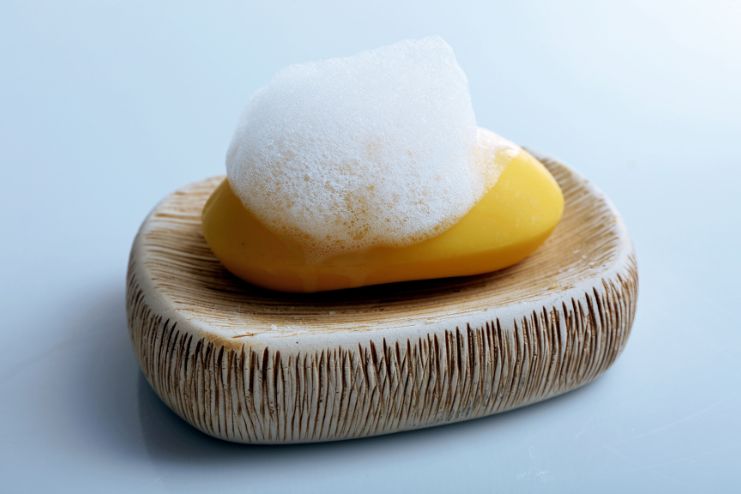
While soap dishes have been bathroom staples for decades, leaving bar soap exposed after showering is one of the habits you should abandon.
Why This Hurts:
- Exposed bar soap retains moisture, creating an ideal breeding ground for germs and bacteria
- These microbes transfer to your skin, potentially causing irritation or breakouts
What To Do Instead:
- Store your soap in a dry, well-ventilated area to prevent bacterial buildup
- Rinse the soap surface before use
- Consider switching to shower gels or liquid body washes for a cleaner alternative
3. Neglecting Your Legs and Feet:
One of the most common shower mistakes is forgetting about your legs and feet. While you may thoroughly clean the rest of your body, assuming that soap and water streaming down is sufficient for your lower body is incorrect.
Why This Hurts:
- Your feet are among the sweatiest parts of your body, providing ideal conditions for fungi and bacteria to thrive
- Without proper washing, these microbes linger, causing odor, infection, and poor hygiene
What To Do Instead:
- Wash your feet carefully with soap and water, paying special attention between your toes
- Use a soft exfoliating brush or loofah to remove dead skin and prevent buildup
- Dry your feet thoroughly after bathing to prevent fungal infections like athlete’s foot
Read More: 10 Simple Ways to Get Rid of Foot Odor Without Much Hassle.
4. Sticking to The Same Old Shampoo:
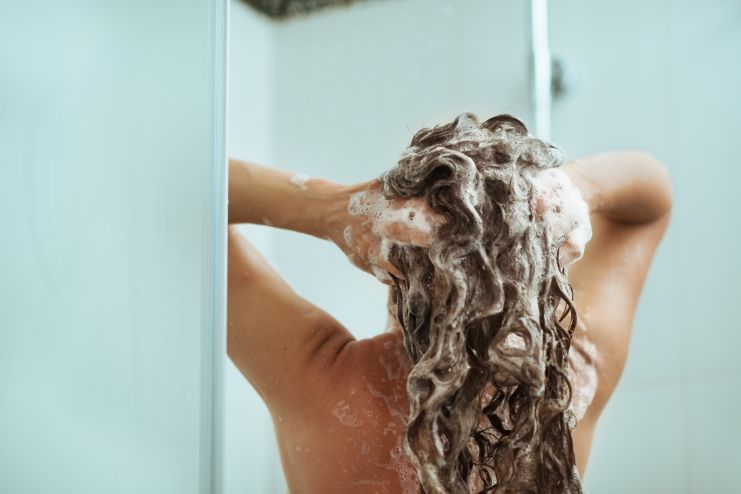
Your trusted shampoo may not work forever—your hair’s needs evolve over time.
Why This Hurts:
- Weather changes, hormones, and lifestyle shifts can affect your hair’s texture and needs
- Continuous use of the same shampoo can lead to product buildup, dullness, or dryness
- Your scalp may become accustomed to certain ingredients, reducing their effectiveness
What To Do Instead:
- Adjust your shampoo according to the season (moisturizing formulas in winter, clarifying ones in summer)
- Use a clarifying shampoo periodically to remove buildup if your hair feels heavy or dull
- Experiment with different formulas to find what works best for your hair’s current needs
5. Skipping the Final Cold Water Rinse

Hot showers feel amazing, but they can strip your skin and hair of essential moisture.
Why This Hurts:
- Hot water dehydrates the skin, making it dry, rough, and irritated over time
- Warm water can weaken hair follicles, potentially leading to increased hair loss
- Missing the benefits of cold water, which seals in moisture and strengthens hair
What To Do Instead:
- End your warm shower with a quick rinse of cold water before stepping out
- Cold water closes hair cuticles, making hair shinier and less prone to breakage
- This also boosts circulation, leaving you refreshed and energized
6. Not Replacing Your Loofah Regularly:
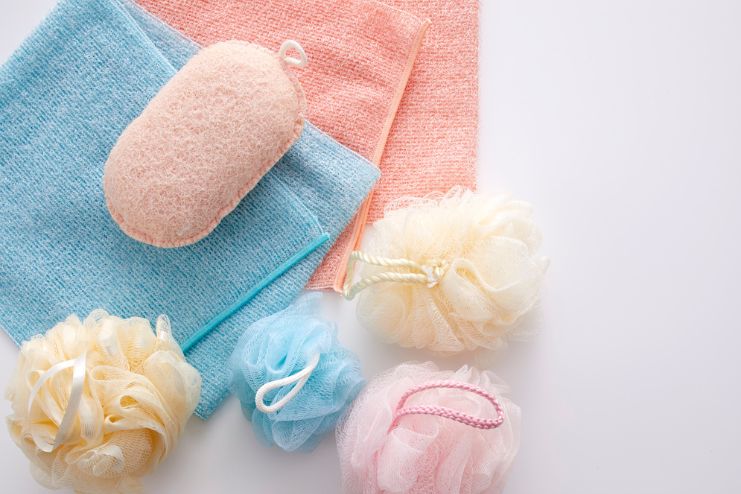
Loofahs may seem like the perfect tool for scrubbing away dead skin, but they can become breeding grounds for bacteria surprisingly quickly.
Why This Hurts:
- Loofahs retain moisture, creating ideal conditions for bacteria, mildew, and mold growth
- Dead skin cells cling to the mesh, meaning each use potentially spreads bacteria back onto your skin
What To Do Instead:
- Replace your loofah every 4-6 weeks to prevent bacterial growth
- Rinse and dry it thoroughly after each use to minimize moisture retention
- Consider using a washcloth or exfoliating mitt instead, as they’re easier to maintain and replace
7. Not Maintaining Your Shower Head:
Your shower head may appear clean, but it can secretly harbor bacteria, mold, and mineral deposits over time.
Why This Hurts:
- Shower heads provide a consistently moist environment, ideal for bacteria and fungi growth
- Mineral deposits and sediment can clog the small holes, reducing water pressure and flow
- Mold growth around the shower head can expose you to harmful microorganisms during each shower
What To Do Instead:
- Replace your shower head every 6-12 months, especially if you notice buildup or decreased water pressure
- Clean it monthly by soaking in white vinegar to dissolve mineral deposits and eliminate bacteria
- Use a small brush to clear the nozzle openings and prevent clogging
8. Not Washing Towels Frequently Enough:
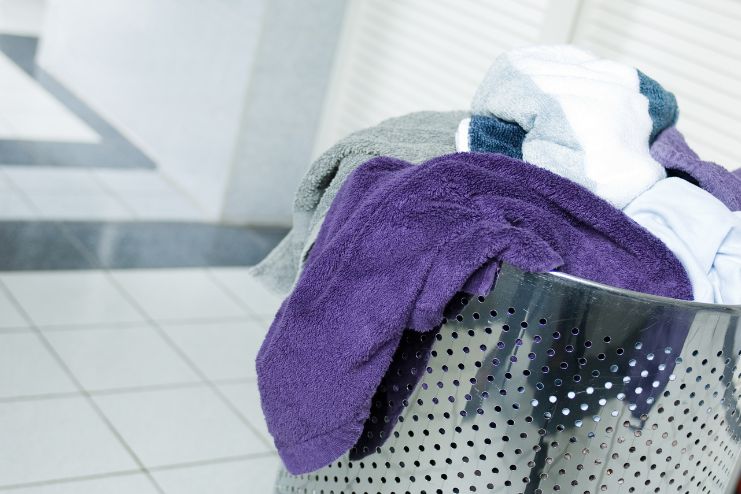
Towels might feel clean, but they can quickly become breeding grounds for bacteria and mildew without regular washing.
Why This Hurts:
- Damp towels create perfect conditions for bacteria and fungi to multiply
- Reusing unwashed towels transfers microbes back onto your clean skin, increasing the risk of irritation and infections
- Musty odors and rough texture indicate that bacteria and mold are already present
What To Do Instead:
- Wash bath towels after every 3 uses to prevent bacterial buildup
- Use hot water and quality detergent to effectively kill germs
- Ensure towels dry completely before reuse—never leave them crumpled or damp
9. Vigorously Rubbing Your Skin Dry:
Your post-shower routine is just as important as the shower itself. Scrubbing your skin harshly with a towel can cause more harm than good.
Why This Hurts:
- Vigorous rubbing removes natural oils, resulting in dryness and irritation
- It can create micro-tears in the skin, making it more sensitive and prone to damage
- Harsh rubbing can worsen skin conditions like eczema or rosacea
What To Do Instead:
- Pat your skin dry rather than rubbing—this is gentler and helps retain moisture
- Use a soft, absorbent towel to minimize friction
- Apply moisturizer to slightly damp skin to seal in hydration
Read More: 10 Body Parts You Are Not Washing Properly On A Daily Basis
10. Wrapping Wet Hair Tightly in a Towel:
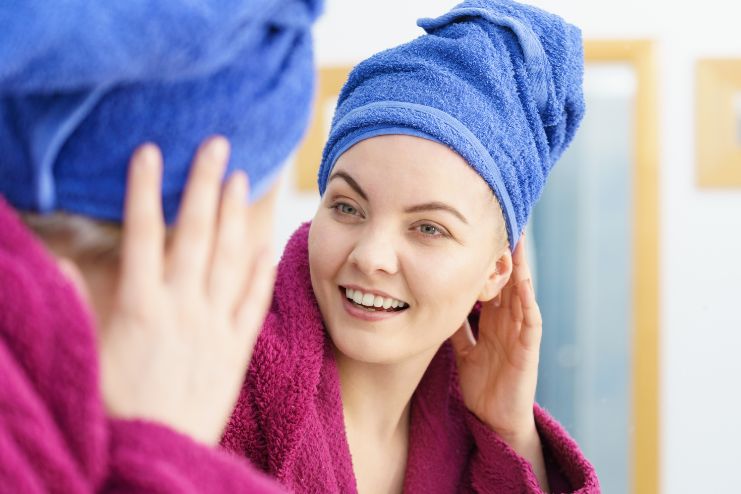
While it may seem like the most convenient way to dry your hair, tightly wrapping wet hair in a towel can cause significant damage.
Why This Hurts:
- Wet hair is fragile, and twisting it in a towel puts stress on both strands and roots
- The friction from the towel fabric can cause breakage, frizz, and weakening over time
- Tight wrapping can contribute to hair loss by pulling at the scalp
What To Do Instead:
- Gently squeeze out excess water using a microfiber towel or cotton t-shirt instead of rubbing or twisting
- Allow hair to air-dry partially before blow-drying if necessary
- Choose microfiber materials over rough towels to reduce friction and breakage
We love this microfiber towel.
11. Skipping Moisturizer After Showering:
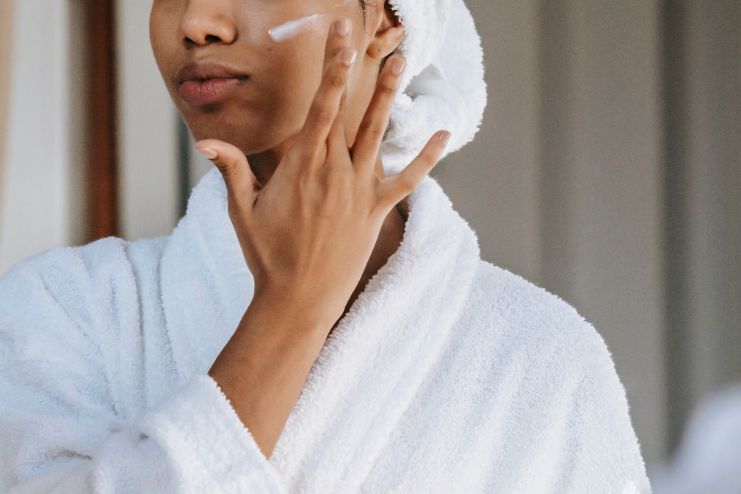
Stepping out of the shower without applying moisturizer can leave your skin vulnerable to damage.
Why This Hurts:
- Hot water strips natural oils from your skin, leaving it dry and susceptible to damage
- Skipping moisturizer can lead to dryness, irritation, and premature aging over time
- Damp skin is more receptive to moisturizer, helping to seal in hydration effectively
What To Do Instead:
- Apply moisturizer immediately after showering while your skin is still slightly damp
- Choose a hydrating lotion or body oil appropriate for your skin type
- For dry skin, look for products containing ceramides or hyaluronic acid for intensive hydration
Check out our favorite moisturizer here.
Read More: How to Build a ‘Skinimalist’ Routine Without Sacrificing Results
12. Skipping Post-Workout Showers:
Post-workout showers aren’t just about washing away sweat—they’re essential for skin health.
Why This Hurts:
- Sweat creates an ideal breeding ground for bacteria, which can lead to breakouts and body odor
- Leaving sweat on your skin can cause clogged pores, irritation, and even fungal infections
- Missing the opportunity to regulate body temperature and prevent post-workout chills
What To Do Instead:
- Shower as soon as possible after exercising to remove sweat and bacteria
- If time is limited, use cleansing wipes or take a quick rinse
- Choose a gentle, antibacterial body wash to prevent skin issues
13. Applying Conditioner On Your Scalp:
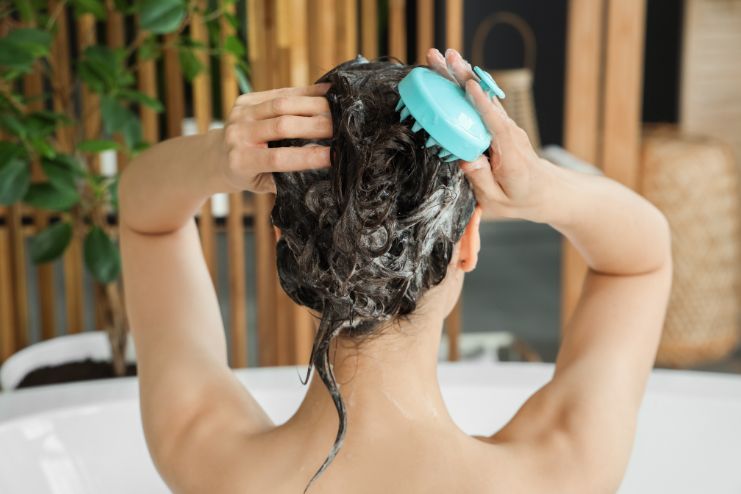
Conditioner is excellent for keeping hair soft and healthy, but applying it incorrectly can do more harm than good.
Why This Hurts:
- Conditioner on the scalp can make hair appear greasy and feel heavy
- The thick texture can clog scalp pores, causing buildup and irritation
- The hair ends are typically the driest and most damaged parts that need the most moisture
What To Do Instead:
- Apply conditioner from mid-length to the ends of your hair only
- For fine or oily hair, use a lightweight formula
- Leave conditioner on for a few minutes before rinsing for optimal moisturizing
14. Scratching Your Scalp With Nails:
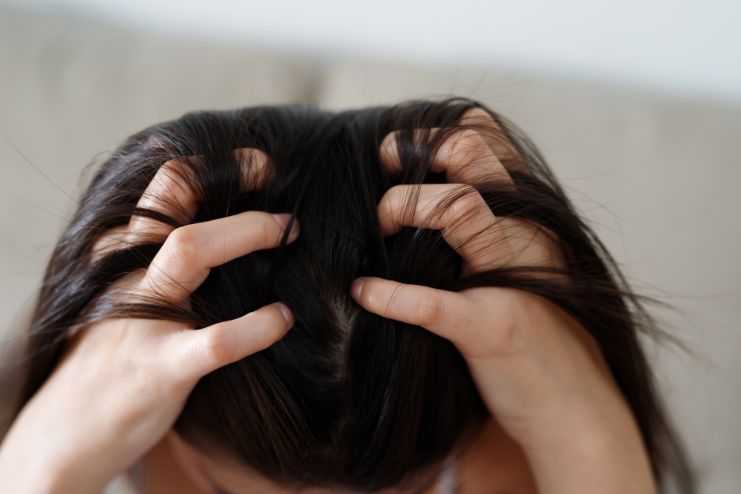
While scratching your scalp might feel satisfying, it can cause more harm than benefit in the long run.
Why This Hurts:
- Scratching creates microscopic wounds on the scalp, leading to irritation and flakiness
- It can worsen dandruff by disrupting the scalp’s natural protective barrier
- Aggressive scrubbing can cause inflammation and trigger excess oil production
What To Do Instead:
- Massage your scalp with your fingertips, not your fingernails
- Use a scalp massage brush for gentle yet thorough cleansing
- Rinse thoroughly to remove all product buildup and maintain scalp health
15. Over-Exfoliating Your Skin:
While exfoliation is beneficial for removing dead skin cells, overdoing it can strip your skin of essential moisture.
Why This Hurts:
- Daily exfoliation can weaken your skin barrier, causing dryness and irritation
- It removes natural oils, leading to increased dryness and sensitivity
- Over-exfoliation can cause redness, breakouts, and premature aging
What To Do Instead:
- Exfoliate only 2-3 times per week to maintain smooth skin without overdoing it
- Choose gentle exfoliants appropriate for your skin type—chemical exfoliants (AHAs/BHAs) are often gentler than harsh scrubs
- Always moisturize after exfoliating to restore hydration
16. Not Rinsing Soap Off Thoroughly:

Leaving soap residue on your skin may seem harmless, but it can cause irritation and dryness.
Why This Hurts:
- Soap residue can clog pores and cause itching, breakouts, or redness
- Many soaps contain fragrances and chemicals that can irritate skin when left on too long
- Inadequate rinsing can cause dryness and irritation, especially in sensitive areas
What To Do Instead:
- Take extra time to rinse thoroughly, ensuring no soap or shampoo remains
- Use lukewarm water for rinsing, as hot water can actually set residue
- Pay special attention to creases and folds (behind ears, underarms, neck) where soap tends to accumulate
17. Storing Loofahs and Bath Sponges in the Shower:
While keeping your loofah or sponge in the shower is convenient, it creates a bacterial breeding ground.
Why This Hurts:
- Moist loofahs and sponges retain water, providing ideal conditions for bacteria, mold, and mildew
- Each use transfers bacteria back onto your skin
- This can eventually lead to skin infections, irritation, and fungal growth
What To Do Instead:
- Squeeze out excess water after each use to minimize moisture retention
- Store in a dry, well-ventilated area outside the bathroom
- Replace loofahs every 6-8 weeks to maintain proper hygiene
Here’s our top pick for a loofah – AmazerBath Loofah Sponge.
18. Using Body Wash as Face Wash:
Your face and body have different skincare needs. Using body wash on your face isn’t an effective approach to healthy skin maintenance.
Why This Hurts:
- Body washes are often too harsh and can strip the face of natural oils
- Chemicals and fragrances in body wash can cause facial dryness, irritation, and acne
- Facial skin is more delicate and requires gentler, pH-balanced cleansers
What To Do Instead:
- Use a gentle, sulfate-free cleanser formulated specifically for facial skin
- For dry skin, choose a moisturizing cleanser with hyaluronic acid
For oily or acne-prone skin, opt for a foaming or gel-based cleanser
19. Not Using a Bath Mat:
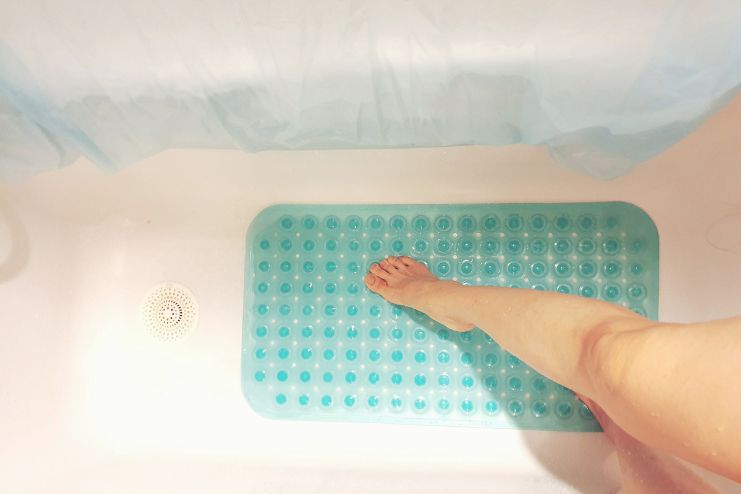
A bath mat isn’t just a luxury—it’s a safety essential that helps prevent dangerous slips and falls.
Why This Hurts:
- According to the CDC, 17.3% of bathroom injuries result from slipping on wet floors
- Wet bathroom surfaces significantly increase the risk of serious falls, fractures, and head injuries
- Excess moisture can promote mold growth, making your bathroom unsanitary
What To Do Instead:
- Place a non-slip bath mat outside your shower to absorb excess water
- Choose rubber-backed or quick-drying materials to prevent mold buildup
- Wash your bath mat regularly to keep it clean and bacteria-free
Final Thoughts:
Your shower routine may seem harmless, but small mistakes can accumulate over time, affecting your skin, hair, and overall hygiene. Making necessary changes—such as adjusting water temperature, rinsing properly, maintaining bathroom essentials, moisturizing consistently, and cleaning shower accessories regularly—can significantly improve your bathing experience.
While change can be challenging, it’s certainly achievable. These small adjustments can elevate your self-care routine and deliver noticeable improvements in the long run. Start implementing these healthier habits today to see the difference they can make for your skin, hair, and overall well-being.
References
- https://world.comfortzoneskin.com/blogs/blog/is-hot-water-bad-for-your-skin
- https://ningen.com/blogs/s/how-frequently-should-you-change-your-shampoo
- https://www.indiatoday.in/lifestyle/beauty/story/your-loofah-is-a-hotspot-for-germs-but-dont-just-ditch-it-2631620-2024-11-11
- https://www.clinikally.com/blogs/news/over-exfoliation-how-excessive-scrubbing-can-damage-skin
- https://www.schwarzkopf.com/article-overview/haircare/towel-dry-hair-correctly.html
- https://www.cdc.gov/mmwr/preview/mmwrhtml/mm6022a1.htm
- https://thebetterbath.in/blogs/showering-facts/everything-you-need-to-know-about-loofahs