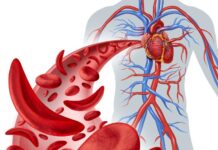
















Blood thinners for heart disease don’t truly thin your blood, despite the term. Rather, these drugs lessen the potential for dangerous blood clots to develop, which can obstruct blood vessels and cause major consequences like an ischemic stroke, a heart attack, or other cardiovascular issues.
Because preventing hazardous clots is frequently just as critical as treating the disease itself, doctors prescribe blood thinners to patients with certain heart and blood vessel disorders. These drugs have a significant impact on long-term heart health, blood clot prevention, and stroke prevention.
The types of blood thinners, their advantages, potential adverse effects, safety measures, and what to anticipate if your doctor prescribes one are all covered in this article.
- These medications don’t actually change your blood’s thickness; they simply stop dangerous clots from blocking your arteries.
- Anticoagulants slow down your body’s clotting process, while antiplatelets keep blood cells from sticking together.
- While they dramatically lower your risk of stroke and heart attack, vigilant monitoring is essential to manage bleeding risks.
Read More: Blood Clots and Travel: How to Stay Safe on Long Journeys
What Are Blood Thinners and How Do They Work?
Blood thinners are medications that stop blood clots from forming. They don’t disintegrate existing clots. However, they can prevent such clots from growing larger. Blood clots in your heart and blood vessels can result in blockages, heart attacks, and strokes, so it’s critical to treat them.
Blood thinners are used to treat or prevent abnormal clotting-related diseases, such as:
- DVT, or deep vein thrombosis
- Pulmonary embolism
- Stroke
- A heart attack
- AFib stands for atrial fibrillation
Blood thinners may also be utilized with certain medical devices, such as cardiac valves or stents, or following surgery. There are mostly two kinds:
Anticoagulants: These medications, including heparin and warfarin (also known as Coumadin), slow the formation of blood clots.
Antiplatelets: Drugs like aspirin and clopidogrel prevent platelets, blood cells, from clumping together to form clots. People who have experienced a heart attack or stroke are the primary users of antiplatelets.
Who May Need Blood Thinners for Heart Disease?
Blood thinners may be prescribed to people at higher risk of blood clot-related health issues. To lower their risk of stroke, people with AFib may take blood thinners. When a blood clot obstructs a brain blood vessel, a stroke may result. An irregular pulse makes it more difficult for the heart to pump blood effectively in AFib.
As a result, blood may accumulate in the left atrial appendage (LAA), a pouch in the heart’s upper chambers. Blood clots can develop when blood isn’t flowing continuously. A stroke results from a blood clot being pumped from the heart to the brain. Blood clotting can be avoided with the use of blood thinners.
Blood thinners are also used to treat the following medical conditions:
- Disorders of the heart or other blood vessels
- Preventing blood clots following surgery
- Problems of blood clotting
- Congenital heart defects
Types of Blood Thinners Used for Heart Disease

Antiplatelets and anticoagulants are the two categories of blood thinners. Aspirin, Plavix (clopidogrel), Effient (prasugrel), and Brilinta (ticagrelor) are examples of antiplatelet drugs. Coumadin (warfarin), Eliquis (apixaban), Xarelto (rivaroxaban), Pradaxa (dabigatran), and Lovenox (enoxaparin) are examples of anticoagulant drugs.
Aspirin: If you have heart disease, its antiplatelet and anticoagulant properties can help maintain blood flow and arterial patency. This drug, which was created in the 1960s, is not required for individuals who are only at risk, but it can be used for those who already have heart disease.
Clopidogrel: Aspirin and this drug are frequently administered together. It is frequently administered to individuals who have stents, but you should discuss the higher risk of bleeding with your cardiologist.
Warfarin: Also referred to as Coumadin, this drug is more potent than clopidogrel and aspirin. Doctors frequently prescribe this to individuals who have prosthetic heart valves, atrial fibrillation, or blood clots in their leg veins.
Read More: How to Manage Chronic Blood Clotting Disorders
Benefits of Blood Thinners for Heart Disease
Blood thinners offer numerous advantages, making them crucial for heart disease management and the prevention of cardiovascular complications.
Lower the Risk of Strokes and Heart Attacks: Blood thinners help reduce the risk of heart attack and stroke by preventing the formation of blood clots, a benefit particularly significant for those with pre-existing heart conditions or a history of cardiovascular events.
Prevent Clots in Individuals at High Risk: For individuals at elevated risk of blood clots, like those having atrial fibrillation or deep vein thrombosis, blood thinners are usually recommended. They help maintain smooth blood flow, thereby reducing the risk of arterial or venous clot formation.
Can Be Used Long-Term with Adequate Monitoring: When properly monitored and with regular check-ups, blood thinners can be used safely for long-term prevention of cardiovascular complications. To ensure that these medications are used safely and effectively, it is essential to have regular blood tests and follow-up appointments with your physician.
What Are the Possible Risks and Side Effects?
The most frequent adverse effect of the blood thinners is bleeding. They may also result in nausea, diarrhea, and an upset stomach. Depending on the kind of blood thinner you are taking, there may be additional adverse effects.
If you see any signs of severe bleeding, such as:
- Excessively heavy menstrual bleeding
- Urine that is red or brown
- Red or black bowel movements
- Persistent bleeding from the nose or gums
- Brown or bright red vomit
- Coughing up something crimson
- Severe discomfort, like a stomachache or headache
- Unusual bruises
- A wound that keeps bleeding
- A severe head injury or fall
- Weakness or dizziness
Warning Signs That Need Immediate Medical Attention

While many individuals may use blood thinners for years without any issues, certain symptoms must always be taken seriously. Timely treatment can avert complications that threaten life. If you encounter the following, seek medical help right away:
- Blood in the vomit
- Stools that are black and resemble tar
- Stool containing vivid red blood
- Blood in the urine
- Acute abdominal pain
- Expectorating blood
- Bleeding that is either heavy or abnormal and does not cease
- Big bruises without an apparent cause
- Severe weakness or loss of consciousness
Even though anticoagulants lower the likelihood of stroke, no drug can entirely remove this risk. If you observe the following, call emergency services right away:
- Unexpected loss of strength or sensation on one side of the body
- Struggles with verbal communication or comprehending spoken language
- Unexpected bewilderment
- Loss of vision in either one or both eyes
- Intense dizziness
Read More: Natural Remedies for Blood Clot Prevention: What Works and What Doesn’t
How to Take Blood Thinners Safely
When you have received a prescription for anticoagulants, it is crucial to follow the directions for use and to pay close attention to your healthcare provider’s guidance. Here are a few suggestions for the safe use of blood thinners:
Take Your Medication at the Same Time Each Day: When it comes to blood thinners, consistency is crucial. To ensure a consistent level of the drug in your bloodstream, take your medication at the same time each day.
Monitor for Signs of Bleeding: Stay vigilant for any indications of excessive bleeding, including atypical bruising, extended bleeding from wounds, or the presence of blood in your urine or feces. If you see any of these symptoms, get in touch with your doctor.
Notify Your Healthcare Providers: Always notify your healthcare providers about the use of blood thinners, particularly before any medical or dental procedures, as these medications increase the risk of bleeding.
Steer Clear of Specific Foods and Medications: For those on warfarin, it’s important to avoid foods rich in vitamin K (like green leafy vegetables), as they can affect the drug’s efficacy. Some non-prescription medications, like ibuprofen or aspirin, can also elevate the risk of bleeding when combined with blood thinners.
Maintain Follow-Up Appointments: It is very crucial to have regular check-ups with your healthcare practitioner to monitor your response to blood thinners and adjust your dosage as needed. Be present at all planned consultations and undergo any suggested blood tests, including INR tests for warfarin.
Do Blood Thinners Require Regular Blood Tests?

The response varies based on the medication you are using. While many newer medications do not require it, some blood thinners require frequent monitoring.
It is necessary to monitor the INR for older anticoagulants regularly.
A small blood sample will be analyzed to determine the rate of your blood clotting. A fingerstick or needle poke to draw blood from your arm is used to perform the blood test known as International Normalized Ratio (INR). Your care team might also obtain your prothrombin time, known as protime (PT).
- Preventing your blood from clotting is a delicate process that your care team closely monitors. An INR range will be established for you.
- As long as your INR remains within your range, the likelihood of bleeding or developing a clot is minimal.
- When your INR is outside your target range, your bleeding risk may increase.
- If your INR falls below your target range, you could be at an increased risk of developing a blood clot.
This is why your blood is frequently tested. Your care team will know if dose is appropriate for you through blood tests. To put it another way, your warfarin dose keeps your INR within the target range. This protects you from bleeding and clot formation.
Read More: Treating Blood Clots in Legs and 8 Impressive Home Remedies Without Side Effects
Conclusion
Heart disease management typically encompasses more than just symptom treatment; it also involves the prevention of hazardous blood clots before they lead to severe complications. When prescribed appropriately, blood thinners for heart disease are vital in lowering the risk of heart attacks, heart stroke, and other conditions related to blood clots.
Although these drugs can raise the risk of bleeding, adhering strictly to instructions for use and going to regular medical check-ups can enhance safety and efficacy. Understanding your medication’s mechanism of action, recognizing red flags, and adhering to your healthcare provider’s recommendations can enhance treatment success.
References
- National Library of Medicine. (2024, June 27). Blood thinners.
- WATCHMAN. How do blood thinner medications work?
- truHealthNow. The dangers of blood thinners.
- Advanced Cardiovascular Specialists. (2024, April 16). Blood thinners: What you need to know.
- Stockton Cardiology Medical Group. (2019, May 21). Common blood thinning medications & FAQ.
- Perkari, V. K., M.D. Blood thinners.
- University of Iowa Health Care. (2025, April). Blood tests that are needed when taking warfarin.
In this Article