















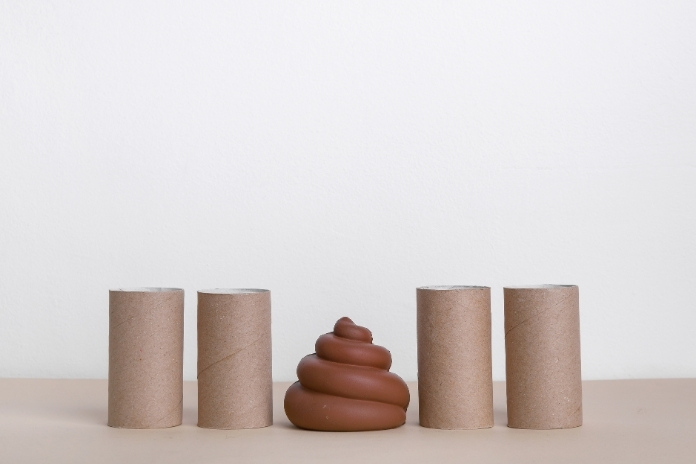
The majority of people don’t give their bowel movements much thought unless something changes. Nonetheless, you can learn a lot about your overall and intestinal health from your stool. Your food, hydration, gut flora, medications, and even certain medical disorders can all be reflected in the color, shape, size, consistency, and frequency of your bowel movements.
What does healthy poop look like? Healthy feces are typically soft, dark, well-formed, and easy to pass without straining. Even though everyone has slightly different bowel habits, knowing what constitutes normal stool can help you spot changes that might need to be addressed.
Healthy stool color, consistency, and healthy poop shape will all be explained in this article. You’ll also learn what your poop says about your health, common causes of stool changes, and when to worry about your poop.
- Healthy poop is typically a medium-to-dark brown sausage shape (Bristol Types 3 & 4) that passes easily without straining.
- “Normal” frequency ranges widely from three times a day to three times a week; consistency is what matters most.
- Temporary color or shape changes are usually just due to diet, but persistent shifts, pain, or blood require medical attention.
Read More: White Poop: Causes, Warning Signs, and What It Says About Your Liver and Digestion
What Does Healthy Poop Look Like?
Poop health is dependent on several factors. It matters how long it takes you to poop, how frequently you poop, and how your excrement appears. Seven types of excrement are shown on the Bristol stool scale:
- Type 1: Hard and distinct lumps (constipation).
- Type 2: Lumpy but sausage-shaped (moderate constipation).
- Type 3: Healthy and sausage-shaped with surface cracks.
- Type 4: Healthy, smooth, and soft like a snake.
- Type 5: Lacking fiber and soft blobs with distinct edges.
- Type 6: Mild diarrhea, fluffy and mushy, with ragged edges.
- Type 7: Watery and completely liquid (diarrhea).
Constipation is indicated by firm, challenging-to-pass stools (Types 1 and 2). Constipation can be relieved by eating more fiber-rich foods and drinking more water. Fruits, vegetables, nuts, and legumes are foods rich in fiber.
The best types of excrement are those that are easily passed and well-formed (Types 3 and 4).
Diarrhea or urgency is indicated by completely liquid or excessively liquid stools (Types 5, 6, and 7). Diarrhea can occasionally be brought on by a transient disease that goes away in a few days.
Healthy Poop Color: What’s Normal and What’s Not?
Healthy poop should typically be medium to dark brown. This distinctive hue is the result of a chemical reaction rather than a coincidence. Nonetheless, there may be a wide variety of hues in excrement. What those colors could be telling you is analyzed here.
Brown Stools: This is the objective. It shows that your intestines, gallbladder, and liver are all functioning properly.
Green Poop: This is rather typical and typically not a cause for concern. It frequently happens after you’ve eaten a lot of green vegetables (kale and spinach) or when food is passing through your system too rapidly (diarrhea), which keeps the bile from turning brown. Due to certain dietary dyes or quick transit, you could occasionally even observe blue-green excrement.
Orange-Colored Stools: These are typically caused by foods that are high in beta-carotene, such as sweet potatoes and carrots, or by certain drugs.
Yellow Stools: Your body may not be absorbing fat if your stool is yellow, oily, and smells especially bad. This may indicate pancreatic issues or malabsorption.
Bright Red Stools: These could be caused by red food dye or beets. They can also be a sign of hemorrhoids, lower gastrointestinal hemorrhage, or tiny tears (fissures).
Black or Tarry Stools: Pepto-Bismol and iron supplements can cause black stools. On the other hand, if it looks like tar or coffee grounds, it might be a sign of upper GIT bleeding.
White, Grey, or Clay-Colored Poop: This indicates that bile isn’t reaching the stool if it appears chalky or pale beige. This may indicate problems with the liver or gallbladder or a blockage in the bile duct.
Healthy Poop Shape and Consistency
Diet, fluids, drugs, activity, and the amount of time excrement spends in the intestines can all affect the consistency and form of stool, just as they do its color.
Type 1 Hard Poop
Constipation causes hard stools. Like stones, it is passed in distinct, hard chunks. Hard waste probably remained in the large intestine for some time. The stool hardens and fragments into pebbles due to the loss of water and nutrients during a prolonged stay in the colon. Additionally, the beneficial bacteria present in the colon’s excrement are absent from this type of stool.
Type 2 Firm Poop
Another indication of constipation is lumpy, linked, firm stools. This kind of excrement has dried in the intestines for too long, but it wasn’t dry enough to fragment into tiny bits. Because type two poop is typically huge and hard, it frequently hurts the most to pass.
Type 3 Cracked Poop
A sausage-shaped stool with surface cracks is a sign of poor nutrition or excessive sitting. Cracked stool is a type of stool that has been in the intestines for about a week before leaving, and it is most frequently associated with organic constipation (constipation caused by diet or lifestyle).
Type 4 Healthy Poop
Healthy feces are sausage-shaped, four to eight inches long, and roughly the breadth of a banana. It has the proper amount of water and nutrients when passed and stays intact when flushed. It looks like soft-serve ice cream. Pooping every one to three days is also part of having regular, healthy bowels.
Type 5 Soft Blob Poop
Stool is a little loose, passing as soft lumps with distinct edges. For those who have bowel movements two or three times a day, it is typical. This kind of bowel movement typically follows major meals. Soft and blob-shaped poop goes swiftly and effortlessly.
Type 6 Mushy Poop
Mushy feces with fluffy, pudding-like particles characterize an early stage of diarrhea. This type of feces has moved swiftly through the colon due to stress, a significant dietary or exercise change, or both. It is difficult to regulate the urge or timing of a bowel movement when there is mushy stool.
Type 7 Liquid Poop
An advanced form of diarrhea is liquid poop. It passes uncontrollably and lacks a solid form. When the small intestine is inflamed, fluid is forced into the gut, which is then flushed out of the body without being fully processed, resulting in diarrhea. Although the large intestine can also absorb liquid, the majority of it collects in the rectum, leading to violent diarrhea.
Read More: Breakfast Foods That Make You Poop: Natural Morning Options for Better Digestion
How Often Should You Poop?
Regular bowel movements might range from three per day to three per week, according to experts. The number of times you should poop in a day is not predetermined. Your age, diet, lifestyle, and stress levels are among the factors that affect how frequently you have bowel movements.
The frequency of your daily bowel movements is not as crucial as your overall health. Observe any changes in your bowel movements. You may be considered “regular” if you feel well and have three bowel movements a day. However, you should consult your healthcare physician if you move from pooping every day to twice a week and experience discomfort and bloating.
Additionally, variations in your stool’s consistency may be just as significant as the frequency of your daily bowel movements. You should speak with your healthcare physician if your bowel movements shift from smooth to hard pellets every other day. This could indicate a problem with your digestive tract.
Healthy Poop Size, Texture, and Odor

Your stool’s size, texture, and smell can reveal more about your gut health than just its color and frequency. Healthy poop usually has a rich brown hue, similar to milk chocolate, and a soft to firm consistency. The hue is a sign of healthy food digestion and is mostly determined by the bile your liver produces.
Variations in color, such as extremely light or dark colors, should be monitored, as they may indicate dietary changes or possible digestive problems. The optimal shape for healthy feces is soft and smooth, like a sausage or snake. This form recommends drinking plenty of water and eating a high-fiber diet.
A nutritional imbalance or dehydration may be indicated by small, hard lumps or excessively loose feces. Three times a day to three times a week is an ideal frequency for bowel movements. Frequent, pleasant bowel movements indicate a healthy digestive system. Changes in activity, hydration, and fiber intake can typically help with difficulty or irregularity.
What’s Normal to See in Your Stool?
It’s common to notice slight changes in your feces from time to time. The appearance of your bowel movements can be temporarily affected by a variety of factors, including your diet, hydration, travel, stress, and medications.
Knowing what is typical might help you identify symptoms that require medical treatment and save needless anxiety. It’s normally harmless to sometimes notice food particles in your feces.
Foods high in fiber, like:
- Corn
- Beans
- Tomato skins
- Seeds
- Leafy vegetables
Might not be completely digested. This does not necessarily indicate that your body is not absorbing nutrients. However, a digestive condition that needs to be evaluated may be indicated by undigested food in the stool, diarrhea, weight loss, or stomach pain.
What Your Poop Can Reveal About Your Health
Your feces can provide information about your lifestyle, medication use, nutrition, and fluid intake. Your feces may show if:
- You’re getting enough water
- You have an allergy or dietary intolerance
- You are experiencing significant tension
- You’re not getting enough fiber from your diet
- You have a parasite or worms
- Your digestive system is damaged
- You’re having problems with absorption and digestion
- Your kidneys and gallbladder are examples of organs whose health has changed
- Certain tumors, like bowel cancer, require screening
- You take certain nutrients or medications
Read More: Fluffy Poop: What It Means About Your Gut Health
Common Stool Changes and Their Possible Causes

Stool changes are frequent and frequently transient. Nonetheless, understanding the potential causes can help determine whether minor lifestyle adjustments or medical attention are required.
- Travel
- Exercise
- Dairy products
- Anxiety and stress
- Use of laxatives
- Side effects of medication
- Pregnancy
- Digestive disorders
- Ulcerative colitis
- Crohn’s disease
- Celiac disease
- Irritable bowel syndrome
Foods and Habits That Promote Healthy Bowel Movements
Simple lifestyle choices can help maintain healthy feces and greatly enhance digestive health.
- Consume more fiber
- Drink plenty of water
- Add healthy fats
- Consume regular meals
- Include prebiotics and probiotics
- Limit foods that cause constipation
- In the morning, sip warm liquids
- Keep an eye on portion sizes
When Stool Changes May Be a Medical Emergency
The majority of alterations in healthy poop are transient and go away on their own. On the other hand, some symptoms might indicate a serious illness that needs to be treated right away. Knowing when to worry about your poop can help you seek timely care and prevent complications:
- Severe pain in the abdomen
- Persistent vomiting
- Stool containing blood
- Unable to expel stool or gas
- Fever
- Rapid abdominal swelling
- Unexplained weight loss
When to Schedule a Medical Evaluation
You shouldn’t dismiss prolonged or severe changes in bowel movements, even if dietary changes or minor illnesses are the cause of periodic alterations. Consult a doctor if you encounter:
- Notable or enduring alterations in bowel habits
- Your stool contains blood
- Severe pain in the abdomen
- Unintentional weight loss
- Chronic constipation or diarrhea
Common Myths About Healthy Poop
Many misconceptions surround what healthy poop looks like. Understanding the facts can help you better monitor your digestive health without unnecessary concern.
You Should Poop Every Day: Some people have put the taboo subject of excrement on their “do not talk about” list. However, when the subject comes up, a lot of people think you should poop every day. It is common for people to have bowel movements three times a week, even if daily pooping is also common. Anywhere in the middle of the range is typical and quite individual-specific.
Probiotics are a Quick Fix for a Healthy Gut: Probiotics are great for your body because they support a healthy microbial community and have an impact on your immune system. Myths about gut health can originate from a variety of sources, and while probiotics are beneficial for your general health, they are not a panacea.
Although probiotics have been demonstrated to lessen the symptoms of inflammatory bowel disease (IBD) and irritable bowel syndrome (IBS), they cannot treat these conditions.
Only Drinkers Can Get Cirrhosis: Myths about gut health can range from lighthearted banter to false facts, like the idea that only drinkers can develop cirrhosis. There are additional lifestyle factors that can raise your risk of getting cirrhosis, even if heavy alcohol usage is one of the main risk factors. Diet, mental health, viral illness, and gender are a few of them.
Read More: Reasons You Need To Poop Right After a Meal – What Your Body’s Really Telling You
Conclusion
Understanding what healthy poop looks like may help you stay informed about overall digestive health. Healthy stool is usually dark, well-formed, soft, and simple to pass, though bowel movements naturally differ from person to person. Temporary changes in color, shape, or consistency typically resolve on their own and are often linked to food, hydration, or drugs.
Persistent changes, however, should never be disregarded, particularly if they are accompanied by pain, bleeding, or unexplained weight loss. Keeping an eye on your bowel patterns helps you spot potential issues early and seek medical help when needed.
References
- UnityPoint Health. What the color and consistency of your poop says about your health.
- Nebraska Medicine. (2021, May 24). What does healthy poop look like?
- Pathipat Durongpongkasem. (Febuary 27, 2019). Stool Color, Shape and Self Diagnosis.
- Mayo Clinic. (October 10, 2024). Stool color: When to worry.
- Centre for Gastrointestinal Health. What your poo says about your health.
- Metamucil. How often should you poop?
- Scripps Accountable Managed Group. Healthy poop: What your bowel movements reveal about your well-being.
- Mahendran Jayaraj, MD. (September 15, 2021). What Your Poop Says About Your Health.
- Consultants in Gastroenterology. (2024, August 15). What your bowel changes could be telling you.
- Hartford HealthCare. What your poop says about your health.
- Birmingham Gastroenterology Associates. 5 gut health myths debunked.
In this Article