














- Hormonal shifts in your 30s increase oil production and trigger deeper, stubborn acne.
- Stress, diet, and skincare habits often worsen inflammation and prolong breakouts.
- Persistent, painful acne may need targeted treatments, not just over-the-counter products.
Although acne is frequently associated with adolescence, many people’s breakouts don’t go away as they become older. You are not alone if you have adult hormonal acne or notice acne in your 30s. In fact, an increasing proportion of adults, particularly women, continue to have late-onset or persistent breakouts well into their 30s and beyond.
It can be perplexing and annoying, especially when once-effective products cease working.
In this article, we’ll examine the true hormonal acne causes, address the frequently asked question, “Why am I breaking out in my 30s?”, and dissect the science of hormonal acne women experience in their 30s. We’ll also look at late-onset acne causes, common triggers like stress and hormonal acne, and effective adult acne treatment options backed by research.

Read More: 6 Skincare and Hormone Mistakes We Make Trying to Fix Acne
What Makes Adult Hormonal Acne Different From Teen Acne
Typical Location of Adult Breakouts
About 85% of individuals aged 12-24 have at least mild acne. But it’s not simply a teenage issue. Acne can also strike adults well into their 30s, 40s, and beyond. Nearly every part of the body can develop acne, especially in areas with sebaceous (oil-producing) glands.
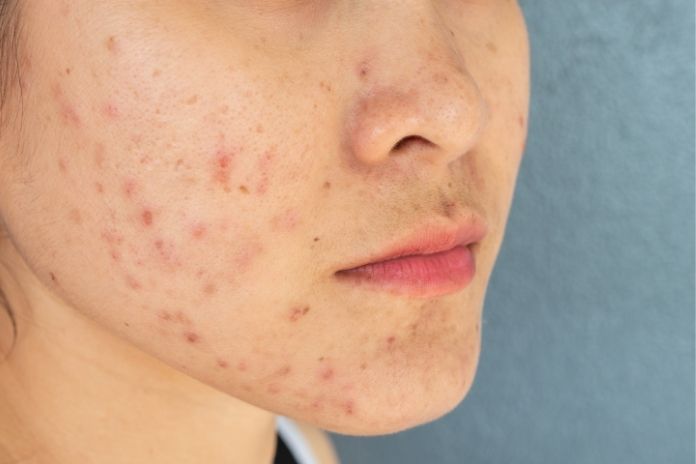
However, it is more prevalent in some areas. Adult acne can affect people of any gender, but because of hormonal changes, it is more common in women. It is most common on the lower face, jawline, neck, chest, and back.
Deeper, More Persistent Lesions
Acne in your 30s is typically much deeper and more unpleasant than during your teenage breakouts. Instead of forming surface-level whiteheads, these lesions often consist of cysts and nodules beneath the skin.
Increased sebum production, which clogs pores and fosters inflammation, is linked to these deeper outbreaks. They also take longer to heal and are more likely to leave signs or scars since they form deeper in the skin.
Why Adult Skin May Be More Sensitive and Reactive
Hormones during adolescence can influence your skin, leading to increased oil production, clogged pores, and breakouts. As you age, your skin becomes less elastic, dull, and dry. Your skin’s ability to protect itself from irritation deteriorates with time. Because of this, strong acne treatments that were effective when you were a teenager may now make your issue worse.
“Many people assume acne is an issue that primarily affects teens. But, plenty of people experience acne well into their adulthood. It tends to be more common for those who had acne during adolescence, “says Dr. Anar Mikailov, a board-certified dermatologist and the founder of KP Away.
Why Hormonal Changes Can Trigger Acne in Your 30s
Androgens and Increased Oil Production
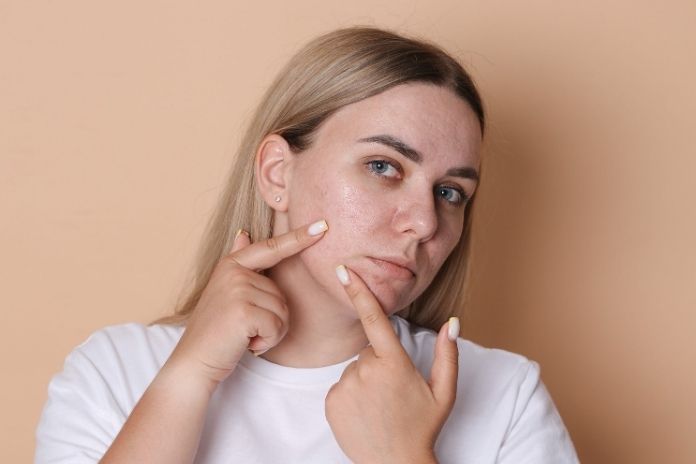
Androgen hormones, like testosterone, are the main cause of hormonal acne in adults. These hormones make oil glands work harder, which makes more sebum. Even small hormonal changes can lead to excess oil production, which may clog the pores and trigger inflammation.
Menstrual Cycle–Related Hormonal Fluctuations
Changes in estrogen and progesterone levels, both before and during menstruation, can cause breakouts. This type of acne usually appears on the chin and jawline, which are very sensitive to hormonal changes.
Stress Hormones and Breakout Patterns
Stress is a big problem that people often ignore. A high level of cortisol can cause the body to produce more oil and hormones, leading to an imbalance. There is a lot of proof that stress can cause hormonal acne. Long-term stress not only makes breakouts worse, but it also slows down the healing process, which makes acne last longer.
Common Causes of Adult Hormonal Acne
Adult acne is typically brought on by a mix of external and internal factors, including:
Hormonal Fluctuations: Periods, pregnancy, perimenopause, and disorders like PCOS are examples of hormonal changes.
Stress: Another important factor that can cause adult acne. Stress causes the body to release more cortisol, a hormone that tells your sebaceous glands to secrete more oil. This excess oil clogs the pores, creating an ideal environment for acne-causing bacteria to thrive.
Skincare Products: The skincare products you use and how you apply them can link to adult acne. Unknowingly, many people choose harsh cosmetics that strip skin of its natural oils and stimulate excessive sebum production, which can lead to outbreaks.
Diet and Nutrition: Adult acne can be strongly influenced by what you eat. Diets heavy in dairy, refined carbs, and processed sweets have been associated with acne outbreaks.
Environmental Factors: Acne can result from environmental factors. Breakouts can result from clogged pores and skin irritation caused by pollution, humidity, and exposure to severe weather.
Medications: Certain birth control pills and corticosteroids are examples of medications.
Genetics: Your genetic makeup can greatly influence your vulnerability to adult acne. You may inherit characteristics such as increased sebum production or more sensitive skin if you have a family history of acne, both of which can lead to breakouts.
Unlike teenage acne, adult acne is less about excess oil and more about inflammation, hormonal changes, and disrupted skin barriers.
Read More: Why Am I Getting Adult Acne Now? The Hormonal Truth About “Second Puberty”
Signs Your Breakouts May Be Hormonal
Acne Along the Jawline or Chin
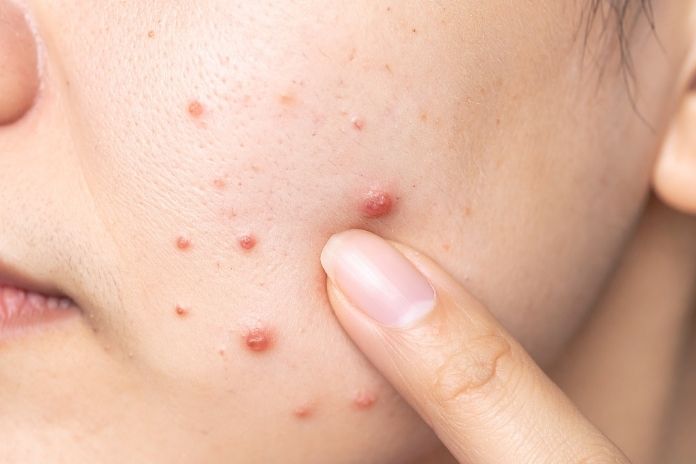
Hormones are probably involved if your breakouts are concentrated in the lower face, particularly in the chin and jawline, in adult acne.
Breakouts That Flare Before Menstruation
Recurrent breakouts that coincide with your cycle characterize menstrual cycle acne.
Painful, Deep Cystic Lesions
Adult hormonal acne is more likely to have deep, inflammatory acne than teenage acne.
Acne That Doesn’t Respond to Standard Over-the-Counter Products
The underlying cause may be hormonal rather than bacterial or surface-level if standard therapies are ineffective.
Skincare Habits That Can Worsen Adult Acne
Many things can cause acne, but certain actions might make it worse. Here are some of the most common things that can make acne worse:
Touching Your Face: When you touch your face, you can spread bacteria from your hands to your skin, which can lead to acne. It’s very important not to touch your face, especially if your hands are dirty.
Not Removing Makeup: Leaving makeup on overnight may clog your pores and trigger acne breakouts. You should always wash your face with a gentle cleanser before bed to remove your makeup.
Using Harsh Skin Care Products: Toners and astringents are two examples of harsh skin care products that can make your skin dry and make acne worse. Instead, use a mild, non-comedogenic moisturizer to keep your skin moist.
Not Protecting the Skin Barrier: Many people don’t use moisturizer because they think it will make their skin less oily. In reality, this reduces the skin barrier’s effectiveness, leading the skin to produce more oil.
Evidence-Based Treatment Options for Adult Hormonal Acne
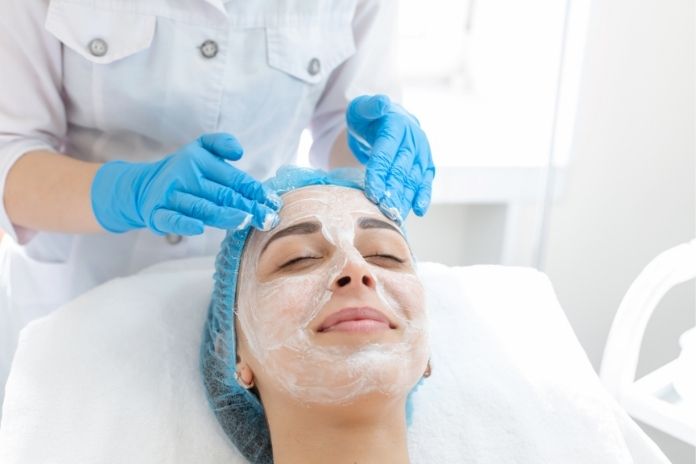
Doctors commonly use topical, oral, and lifestyle treatments to treat adult acne. Among the options are the following:
Topical Treatments: Salicylic acid, azelaic acid, benzoyl peroxide, and retinoids are topical therapies.
Oral Drugs: antibiotics, hormonal treatments (such as spironolactone or birth control), or, in extreme situations, isotretinoin.
In-Office Procedures: Chemical peels, laser therapy, or corticosteroid injections for cysts are examples of in-office procedures.
Many therapies take several weeks to show results, so consistency is crucial.
Read More: Acne Scars 101: How to Treat Different Types of Scars Effectively
Lifestyle Factors That May Influence Hormonal Acne
Stress Management and Sleep Quality
Managing stress is very important. Lowering cortisol levels can help with stress and hormonal acne. Exercise, meditation, and getting enough sleep may help keep hormones in balance.
Diet Patterns and Blood Sugar Stability
A healthy diet can help with insulin resistance, which may contribute to hormonal acne.
Pay attention to:
- Whole foods
- Low-GI meals
- Enough protein and fiber
Consistent Skincare Routine
Consistency is more important than complexity. A mild regimen reduces irritation and enhances the skin barrier function.
When a Healthcare Professional Should Evaluate Adult Acne
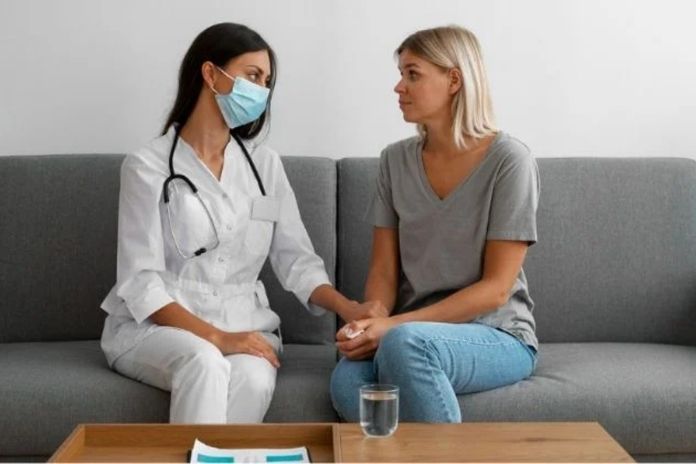
You need professional help to treat adult acne in some cases, even though over-the-counter drugs can treat many cases.
Breakouts that Don’t Go Away: If your acne doesn’t improve after using basic treatments for a few months, it might be time to see a dermatologist for a more targeted approach.
Painful or Cystic Acne: To avoid scarring, large, painful cysts or nodules may require specialized treatment, such as prescription drugs or surgery.
Accompanied by Irregular Periods or Excess Hair Growth: These symptoms may point to polycystic ovary syndrome (PCOS) or other endocrine conditions.
Emotional Distress: Acne can hurt your mental health and self-esteem. If it’s making your life worse, getting help from a professional might help you feel better emotionally and physically.
Persistent Acne Not Improving: If over-the-counter treatments don’t work, you need to see a professional for personalized adult acne treatment options.
Read More: Fungal Acne vs. Bacterial Acne: Spot the Difference and Treat Effectively
Conclusion
Dealing with adult hormonal acne isn’t easy, especially when it keeps showing up no matter what you do. Once you figure out what’s triggering your stress, hormones, or even how you live day to day, you start to feel a bit more in control. It’s not like the acne you got as a teenager.
This kind sticks around and needs a smarter routine, something steady but not too harsh, and sometimes you need to see a doctor. Instead of jumping at every quick fix you see, pay attention to patterns and dig into what’s really behind your breakouts, especially if you’re in your 30s and it just won’t quit.
In this Article