










We often talk a lot about heart disease, diabetes, or even hypertension. However, one topic that is left out most of the time is cholesterol. Cholesterol is equally important and can impact our bodies and overall health in several ways.
When was the last time you checked your cholesterol levels? If it was long back, or may be never, you must read this. Cholesterol is a word we’ve all become familiar with in the doctor’s waiting room, but it is still something that most people tend to think about as simply bad for them.
The truth is, though, that cholesterol is essential for life; your body relies on it to produce healthy cells, produce hormones, and help digest food.
The problem comes when cholesterol levels get too high. That’s when it can silently damage your arteries, increase your heart attack and stroke risk, and give you trouble you won’t even realize you have until it’s too late.
It is accountable for one-third of the global ischemic heart disease, according to the World Health Organization (WHO). In the United States alone, it is estimated that nearly 86 million adults are living with high cholesterol. So dangerous is high cholesterol that it is often symptomless, making it a “silent risk factor.”
This article explains why one requires cholesterol, its types, symptoms, causes, complications, and the latest ways of managing it efficiently.
Read More: 10 Proven Ways to Boost Your HDL Cholesterol Without Medication
Why is Cholesterol Important?
Consider cholesterol as a waxy fat dissolved in your blood. In moderation, it plays a critical role in:
- Building cell membranes and vitamin D.
- Producing sex hormones like estrogen and testosterone.
- Helping create bile acids to digest fats.
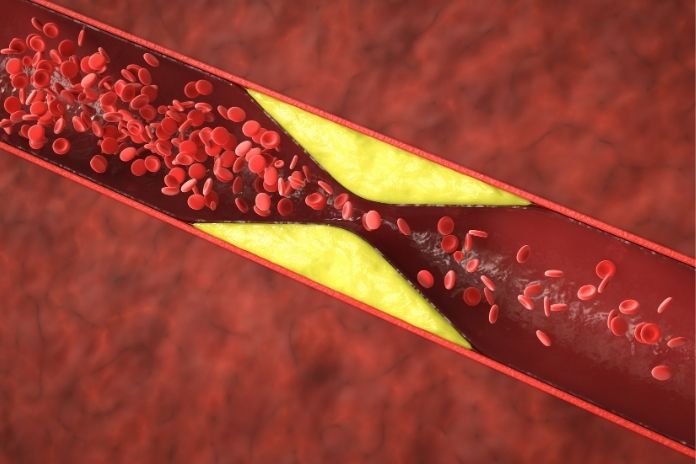
But in case of excess cholesterol, more particles, especially LDL cholesterol, start getting attached to the lining of the arteries. This leads to atherosclerosis, or hardening of the arteries. This ultimately results in:
- Narrowing of arteries that restricts the flow of blood.
- Inflammation of the walls of vessels, which renders them more likely to rupture.
- Blood clots may prevent blood from being sent to the brain or heart.
Doctors use cholesterol levels as one of several indicators to decide your cardiac risk profile. Along with cholesterol, they consider:
- Blood pressure measurements
- Diabetes status
- Age, gender, and race
- Smoking habit
By combining these, doctors can assess your risk of heart disease or stroke in the next 10 years. These results help you make the right changes, including certain lifestyle changes or starting new medications.
Forms of Cholesterol
All cholesterol is bad. It’s the proportion of the “good” to the “bad” that is important.
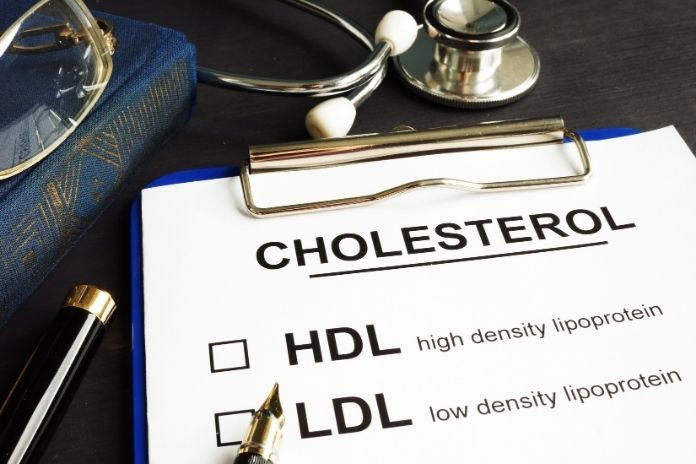
1. LDL (Low-Density Lipoprotein) – The “Bad” Cholesterol:
LDL carries cholesterol to your arteries. When you have a surplus, it adheres to the walls of arteries to form plaque deposits. This constricts blood vessels and exposes you to:
- Coronary artery disease
- Heart attack
- Stroke
2. HDL (High-Density Lipoprotein) – The “Good” Cholesterol:
HDL acts as a cleaner. It removes cholesterol from the arteries and brings it back to the liver, where it’s dissolved and expelled. Higher levels of HDL are a protective barrier against heart disease.
3. Triglycerides:
Not generally discussed much by everyone, triglycerides are a second form of blood fat. Higher triglycerides, increased LDL, or low HDL lead to cardiovascular risks. Alcoholic, carb-rich, and sweet diets tend to raise triglycerides.
What are the Signs of High Cholesterol?
Here’s the catch: high cholesterol is frequently asymptomatic, which means you won’t have a clue. There usually aren’t any symptoms until you get the levels checked. That’s why it’s advisable to get a regular cholesterol blood test done.
In certain cases, high cholesterol can result in:
- Xanthomas, which show up as yellow deposits of fat under the skin, most often on the eyelids, elbows, or knees.
- Xanthelasma has symptoms such as yellow spots near the eyes.
But in the majority, the initial “symptom” is a heart attack or stroke. This makes it necessary to have routine cholesterol screening as a preventive strategy.
Read More: Cholesterol Myths vs. Facts: Debunking Common Misconceptions
Risk Factors of High Cholesterol
Lifestyle and genetic factors also determine the level of cholesterol. These are non-modifiable and modifiable risks.
Modifiable Risk Factors:
Poor Diet:
- Diet rich in saturated fats (red meat, whole milk foods, fried foods).
- Trans fats (snack foods, baked goods, margarine).
- Low dietary fiber, vegetable, and fruit intake.
Obesity and Overweight: A BMI of 30 or higher increases LDL and triglycerides and decreases HDL.
Physical Inactivity: When you do not move often, it can lead to high cholesterol situation. Sedentary behavior lowers HDL levels and promotes bad cholesterol, that is, LDL.
Smoking: Chronic smoking damages the arterial walls, promotes plaque development, and lowers HDL cholesterol.
Excess Alcohol: Consuming excessive alcohol raises triglycerides and can cause fatty liver disease.
Diabetes: High blood sugar alters cholesterol metabolism and damages arteries.
Non-Modifiable Risk Factors
- Age: Cholesterol rises with age normally.
- Sex: Males are at risk at an earlier age; females are at greater risk after menopause.
- Ethnicity: South Asians, Africans, and Mediterranean peoples are at increased risk.
- Genetics: Familial hypercholesterolemia causes very high LDL since childhood.
Complications of High Cholesterol
If cholesterol levels stay high and untreated for years, the extra fatty buildup slowly destroys blood vessels. This makes them stiff and obstructs the blood flow. This quiet process often goes unnoticed until complications arise:
- Atherosclerosis: Excess cholesterol combines with fats, calcium, and cellular debris to create plaque within artery walls in Atherosclerosis. Gradually, this constricts the arteries, making it more difficult for blood to flow freely. This is the underlying cause of most cholesterol-related complications.
- Coronary artery disease (CAD): When atherosclerosis occurs in the arteries that supply the heart, it can cause angina(pain or tightness in the chest during exercise). Decreased blood flow makes the heart work harder, leading to a heart attack.
- Heart Attack (Myocardial Infarction): If a plaque of cholesterol bursts, it can develop a blood clot that blocks blood flow to a segment of the heart muscle entirely. If not treated immediately, this leads to permanent damage to the heart.
- Stroke: The same can happen in the brain-supplying arteries. A clot or rupture of plaque can interfere with blood flow, causing oxygen deprivation of brain tissue and resulting in a stroke, leading to paralysis, difficulty speaking, or death.
- Peripheral Artery Disease (PAD): Narrowing of the arteries in the legs and arms can be caused by high cholesterol, leading to pain, numbness, or cramping while walking (claudication). In extreme conditions, PAD can produce infections or non-healing wounds because of inadequate blood flow.
- Chronic Kidney Disease: The kidneys have a close network of very small arteries called nephrons, which filter out the waste. When the nephrons are damaged by the deposition of plaque, kidney function goes down slowly, finally resulting in kidney failure and dialysis. Hence, high cholesterol can damage the kidneys, too.
- Other Vascular issues: Chronic high cholesterol can also help cause aneurysms (flabby, bulging regions in arteries that can burst) and erectile dysfunction(due to decreased blood flow to the pelvic area).
How to Prevent High Cholesterol
Lifestyle choices are often the key to preventing high cholesterol, although some people with genetic factors may need medication despite this. The main preventive measures are:
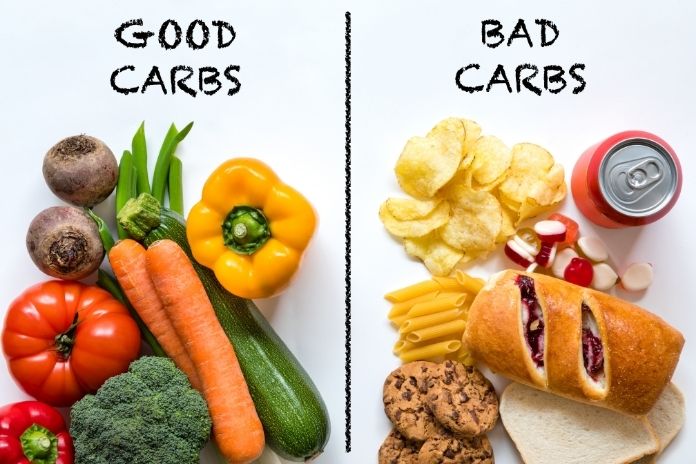
- Maintaining a heart-healthy diet is crucial. Emphasize intake of fruits, vegetables, whole grains, legumes, lean proteins, and healthy fats such as olive oil and nuts. Limit consumption of red meat, fried foods, full-fat dairy, and processed snacks.
- Regular exercise helps lower cholesterol. Aim for at least 150 minutes of moderate activity, including brisk walking, cycling, or swimming, per week. Regular exercise raises HDL cholesterol, lowers LDL, and triglycerides.
- Having a healthy weight also helps. Even a small weight loss of 5–10% of body weight can increase cholesterol levels.
- Quitting smoking increases HDL cholesterol and enhances cardiovascular health in general.

- Reducing alcohol or keeping it to a minimum, no more than one drink a day for women and two for men.
- Reduce stress, as continuous stress may act indirectly on cholesterol levels by stimulating unhealthy eating and smoking.
- Go for regular check-ups. Adults should have their cholesterol levels tested at least once every 4–6 years, or more frequently if they have risk factors such as diabetes or family history.
- For those with very high levels of genetic disorders, doctors may also prescribe statins or other lipid-reducing drugs in addition to lifestyle changes.
Read More: 10 Proven Ways to Boost Your HDL Cholesterol Without Medication
How is High Cholesterol Diagnosed?
The only sure way of diagnosing high cholesterol is through a lipid profile (blood test). This test helps us assess if we have high cholesterol, based on the following ranges:
- Total cholesterol:
- <200 mg/dL = desirable
- 200–239 mg/dL = borderline high
- ≥240 mg/dL = high
- LDL cholesterol:
- <100 mg/dL = optimal
- 100–159 mg/dL = near/borderline high
- ≥160 mg/dL = high
- HDL cholesterol:
- <40 mg/dL (men) or <50 mg/dL (women) = low (bad)
- ≥60 mg/dL = protective
- Triglycerides:
- <150 mg/dL = normal
- 150–199 mg/dL = borderline
- ≥200 mg/dL = high
How Often Should You Get Tested?
Here’s how regularly you must take a cholesterol test:
- Adults 20 and older: Every 4–6 years if no risk factors.
- Adults 40–74: Every 5 years as part of heart health checks.
- For high-risk populations (smokers, family history, diabetes, hypertension), more comprehensive testing is warranted.
- Children and teens with family histories of high cholesterol must also be screened.
Chase Noel, DO, a family physician at Baptist Health Medical Group, shares insights on high cholesterol and its testing. “When you look at the cholesterol panel, we’re not trying to say you have good cholesterol or you have bad cholesterol. We’re trying to determine what your cardiovascular risk is and whether you need treatment.”
He emphasizes various patient-specific factors, “whether the patient has hypertension, how well their hypertension is controlled, what their cholesterol levels are, smoking history, diabetes history, things of that nature to determine what their risk is and then to determine treatment,” he explained
Final Thoughts
Out of sight, but not out of mind, high cholesterol can be fatal. But don’t worry, the solution is awareness, prevention, and routine testing. With a healthy heart lifestyle, an understanding of your risk factors, and under the guidance of your physician, you can manage cholesterol and guard against long-term health.
Today’s modern medicine, along with small everyday lifestyle changes such as diet balancing and exercise, can go a long way in reducing the risk of cholesterol and having a healthier tomorrow.
Here’s your sign to get your cholesterol levels checked!
-
Feb 2017Written by Pradeepa polineni
-
Aug 2025Updated by Vaishnavi
References
- https://www.cdc.gov/cholesterol/testing/index.html
- https://medlineplus.gov/lab-tests/cholesterol-levels/
- https://www.cdc.gov/healthy-weight-growth/losing-weight/index.html
- https://www.niddk.nih.gov/health-information/kidney-disease/kidneys-how-they-work
- https://coastalvascular.net/peripheral-arterial-disease-pad/
- https://www.ncbi.nlm.nih.gov/books/NBK507799/
- https://medlineplus.gov/ency/article/000201.htm
- https://www.cdc.gov/cholesterol/data-research/facts-stats/index.html
In this Article