













In a world of constant and prevalent glucose monitors, blood sugar changes don’t go unnoticed for long. A sudden spike or a high reading often sparks the same urgent question: What can I drink right now to bring this down?
Drinks feel like the quickest, least disruptive fix. They are simple, accessible, and immediate. However, the purpose of managing blood sugar levels is not solely for immediate solutions. It is about understanding how the body processes glucose.
The reality is no drink can safely or reliably bring blood sugar back to normal instantly. Blood glucose regulation depends on a coordinated system involving hormones, muscle and tissue uptake, liver activity, hydration, and timing, not on a single beverage.
That said, some drinks can help prevent further rises, support a gradual reduction, or improve post-meal glucose control when used correctly and consistently.
This article breaks down what truly helps, what doesn’t, and why cutting through marketing hype so you can make informed, calm decisions about managing your blood sugar.
Read More: 10 Science-Backed Ways to Keep Your Blood Sugar Stable All Day
What “Lowering Blood Sugar Immediately” Realistically Means

When people ask how to lower blood sugar quickly, they are usually referring to two different situations. One is how to limit the rise in blood sugar after eating. The other is how to bring blood sugar down after a postprandial spike has already occurred.
These are not the same processes, and confusing them often leads to unrealistic expectations about how quickly high blood sugar (hyperglycemia) can be reduced. Furthermore, blood sugar does not fall quickly because glucose has to be actively cleared from the bloodstream.
This process is driven mainly by insulin, which signals muscle and fat cells to absorb glucose, and by the liver, which regulates how much glucose is released into circulation. Liquids pass quickly through the stomach, but glucose regulation takes hours, not minutes.
Fluid levels can affect blood glucose concentration, the rate of gastric emptying, and renal clearance, but fluid status cannot counteract hormonal regulation.
First Priority: Water
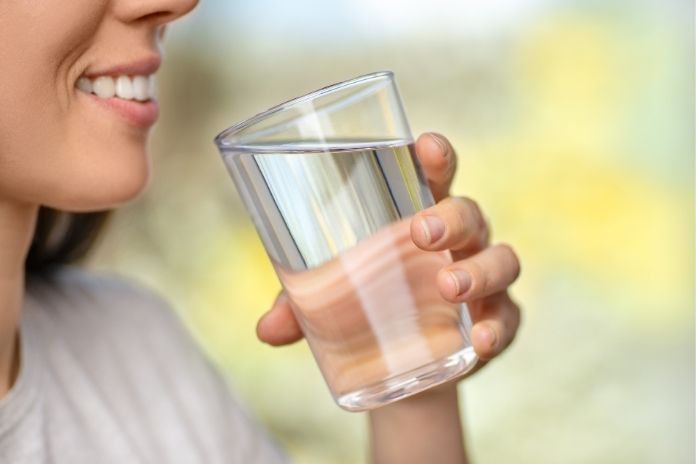
If there is one beverage that has been proven to improve blood sugar control, it is plain water. It may not be the most exciting recommendation, but staying hydrated is a basic principle of good metabolic health.
Hydration helps maintain normal blood volume and flow, ensuring that insulin can easily reach its target tissues. It also helps to maintain healthy kidneys, which can filter out excess glucose in the urine when blood sugar levels are high.
Even mild dehydration can lead to an increase in blood glucose concentration and can make it seem like the blood sugar levels are higher and more resistant to treatment.
Water is particularly useful when blood sugar levels are mildly to moderately high or when dehydration is the underlying issue. However, it does not help with severe hyperglycemia. Hence, water should not be used as a replacement for medications. More importantly, water helps to prevent blood sugar levels from getting worse rather than lowering them.
Sugar or flavored waters can be counterproductive in this regard. Even small amounts of sugar, fruit extracts, or sweeteners can contribute to an increase in glycemic levels, especially in people with insulin resistance. In the treatment of blood sugar levels, less is more. Hence, plain and unsweetened water is the best first-line treatment.
Read More: 7 Easy Apple Cider Vinegar Drink Recipes (Low-Sugar, No Fake Sweeteners)
Drinks That May Help Reduce Blood Sugar Spikes
Some beverages are often promoted as tools to lower blood sugar. Their effects are real but limited, and they work best as part of a broader strategy rather than as reactive fixes.
1. Unsweetened Herbal Teas
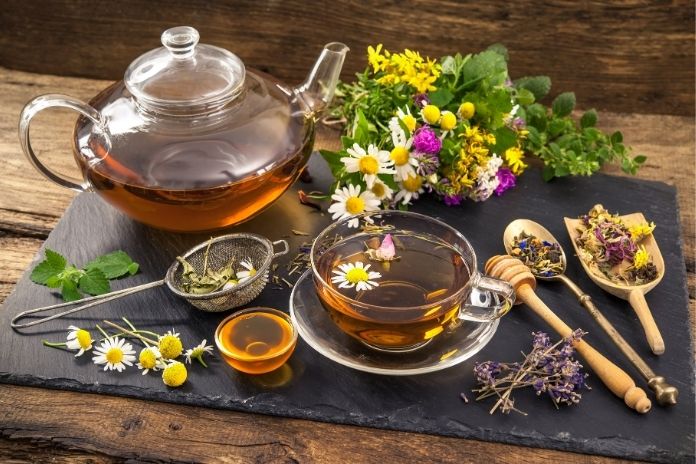
Herbal teas such as cinnamon, chamomile, and green tea are commonly discussed to manage diabetes. The possible benefit of these herbal teas lies in their bioactive compounds, particularly polyphenols, which have been shown to affect glucose metabolism in the body.
These compounds can delay carbohydrate breakdown, slightly increase insulin sensitivity, and reduce oxidative stress associated with diabetes. For example, green tea has been linked to gradual improvements in metabolic function, while cinnamon may help mitigate sudden spikes in blood sugar levels.
The problem lies in the timing and degree of the effect. Herbal teas don’t work as a quick fix for high blood sugar. Their real benefit is long-term support, helping smooth blood sugar responses over time, especially when consumed regularly with meals.
2. Apple Cider Vinegar (Properly Diluted)
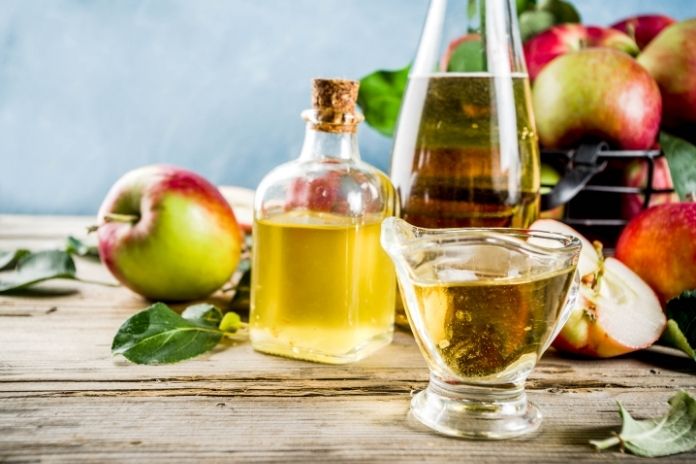
Apple cider vinegar (ACV) has one of the most robust bodies of evidence of any home remedy. Taking it as a drink before meals or its diluted version can regulate an increase in blood sugar levels after eating by reducing the rate at which the stomach empties and slightly encouraging the insulin response in the right way.
Timing is essential. It is more effective as a pre-meal carb drink than a post-meal carb drink. A typical dosage is one to two teaspoons diluted in water. We must remember that higher dosages can not increase their effectiveness. Instead, they can result in throat or stomach irritation.
However, it is not recommended for everyone. People with acid reflux, ulcers, kidney issues, or sensitive tooth enamel should not take it. It is not a standalone remedy or treatment but a conditional one to be used in a carefully considered overall strategy for managing diabetes.
3. Black Coffee or Plain Tea (Without Additives)
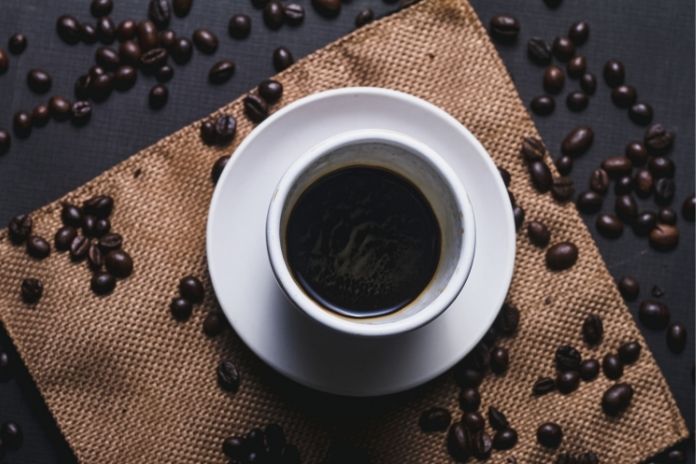
Coffee and black tea, unsweetened and without creamers or syrups, have been shown to have a complex effect on our bodies’ glucose regulation. Drinking coffee has been shown to improve insulin sensitivity and reduce the risk of type 2 diabetes.
However, caffeine can also stimulate the release of stress hormones, which can increase blood sugar levels, particularly if you’re not getting enough sleep, are stressed, or already have insulin resistance. For these individuals, coffee consumption could exacerbate blood sugar issues rather than improve them.
This is where the most important takeaway comes in. The best beverage for diabetes is the one that your own glucose levels indicate.
Drinks That Do NOT Lower Blood Sugar Quickly (Despite Popular Claims)
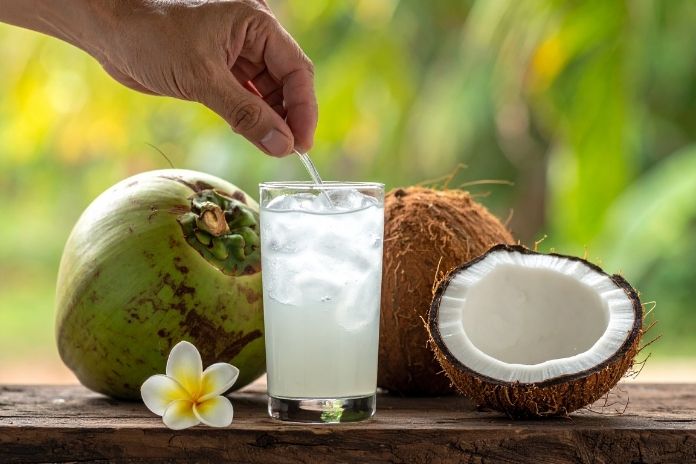
Fruit juices are commonly viewed as healthy alternatives for lowering sugar, but they’re essentially concentrated sugars with no fiber to buffer them. This means that sugar absorption happens rapidly, and blood sugar levels can skyrocket.
Honey drinks, lemon beverages, and coconut water have the same reputation, despite being derived from natural sources. They still contain sugars that can raise blood sugar levels, particularly if you drink them on an empty stomach or when your sugar levels are already high.
Detox drinks and supplements are particularly deceptive. They rarely have any concrete evidence of their ability to lower sugar levels, may contain hidden sugars or stimulants, and can interact with diabetes medications. In many cases, they end up creating the same blood sugar fluctuations they’re supposed to prevent.
Read More: Hidden Sugars in Your Favorite Foods (and How to Avoid Them)
Why Liquids Alone Can’t Fix High Blood Sugar
The regulation of blood sugar is essentially a hormone-controlled process. Insulin is a kind of gatekeeper that determines whether glucose remains in the bloodstream or enters cells. Fluids pass quickly through the intestines, but they do not directly stimulate muscle cells to absorb glucose.
The key to making a difference is muscle activity. When you are active, your muscles contract and establish an insulin-independent pathway to remove glucose from the bloodstream. This is why even mild exercise is often more effective at reducing blood sugar levels than a sugary drink.
Drinks can help the system, but they cannot substitute for the actual process that removes glucose from the bloodstream.
What Actually Helps Blood Sugar Come Down Faster Than Drinks
Taking a light walk after meals is one of the best ways to prevent the postprandial surge in blood sugar. Even a short 10 minutes of light activity can help improve the uptake of glucose by muscles.
Stress management is also important. Stressing oneself can increase blood sugar by stimulating the release of cortisol and adrenaline. Deep breathing exercises can help lower blood sugar modestly by suppressing this effect.
For patients on medications, it is important to follow and time the medication schedule. Nothing can substitute for the role of properly timed and adhered-to medications.
When a High Blood Sugar Reading Is a Medical Issue
If your blood sugar levels remain high and you experience symptoms such as feeling thirsty all the time, frequent urination, feeling tired, or having blurry vision, you need to see a doctor.
Do not treat your symptoms at home. If you experience them, seek immediate treatment. Prolonged hyperglycemia is not something that you can “drink away.”
Who Should Be Extra Careful With “Blood Sugar Lowering” Drinks
Individuals using insulin or sulfonylureas must be cautious, as combining certain drinks with medication can increase the risk of hypoglycemia. People with kidney disease, gastrointestinal conditions, or those who are pregnant should also approach these strategies carefully.
Even natural-seeming drinks can have negative effects for vulnerable individuals.
How to Use Drinks as Part of Better Blood Sugar Control
The key to drinks is that they should be used as a prevention, not a quick fix. Drinking water or unsweetened tea with meals, using apple cider vinegar if it is appropriate for you, and avoiding sugary drinks are more important than making last-minute changes.
When you combine these drinks with healthy meals and exercise, you are doing more to help control your diabetes in the long term than trying to make quick fixes.
The Practical Takeaway
No drink lowers blood sugar instantly or safely on its own. Water and certain unsweetened beverages may support gradual improvements and help prevent further spikes, but they are only part of the picture.
Sustainable blood sugar control comes from coordinated habits, including hydration, meals, movement, stress management, and medical care, and not from quick fixes.
References
- American Diabetes Association. (n.d.). Blood glucose and exercise.
- Centers for Disease Control and Prevention. (n.d.). 10 things that can spike your blood sugar.
- Max Healthcare. (n.d.). Blood sugar levels after eating.
- Metropolis Healthcare. (n.d.). Hydration and blood sugar: The impact of water intake on glycemic control.
- Hashimoto, K., Dora, K., Murakami, Y., Matsumura, T., Yuuki, I. W., Su, Y., & Hashimoto, T. (2025). Positive impact of a 10-min walk immediately after glucose intake on postprandial glucose levels. Scientific Reports, 15, Article 22662.
In this Article