














You finally land, collect your bags, and everything seems fine until your body refuses to cooperate. Travel constipation is a surprisingly common problem, yet it’s rarely talked about. One moment, your digestion is regular, the next, after a few hours of flying, driving, or sleeping in an unfamiliar bed, you feel bloated, sluggish, and stuck, unable to go even when the urge is there.
This happens because your gut runs on rhythm, and travel disrupts it in multiple ways at once. Meal times change, water intake drops, movement decreases, sleep gets irregular, and bathroom cues are ignored. Add in stress, airport or roadside food, and long periods of sitting, and your digestive system slows down fast.
Your colon is sensitive to these small but cumulative changes, which is why constipation often appears suddenly while traveling. The good news is that travel constipation is almost always temporary and not a sign that anything is seriously wrong. Once you understand the triggers, dehydration, disrupted circadian rhythms, reduced activity, and irregular eating, you can prevent and relieve them without harsh laxatives, discomfort, or panic.
In this guide, you’ll learn what travel constipation really is, how it differs from chronic constipation, why flights, road trips, and vacations slow your bowel movements, and which foods, habits, and strategies help keep your gut moving.
Whether you’re dealing with airplane constipation, road-trip slowdowns, or just want to avoid digestive problems on your next vacation, this article will help you maintain your gut’s natural rhythm no matter where your travels take you.
What is Travel Constipation?
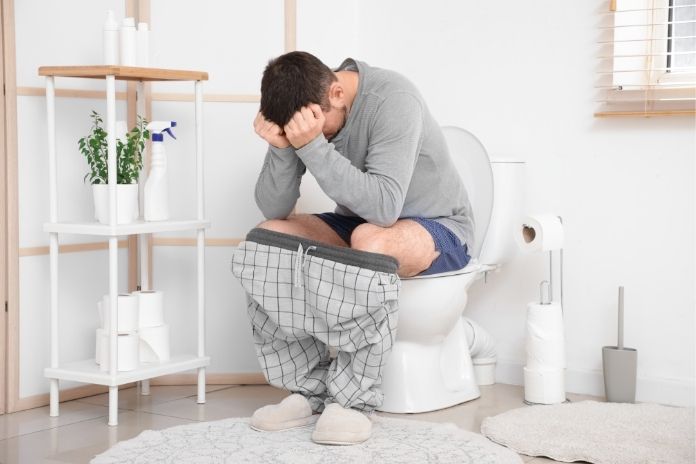
Travel constipation refers to short-term difficulty passing stools that shows up during a trip or shortly after you arrive, even in people who are usually regular at home. You might go from having easy daily bowel movements to suddenly skipping days, feeling backed up, or needing to strain. That shift can feel alarming, but it is one of the most common travel bowel problems people experience.
What makes constipation while traveling different is how quickly it appears. You do not need weeks of bad habits for it to start. A single long flight, a day of dehydration, or a disrupted sleep cycle can be enough to slow stool movement through the colon.
How Travel Constipation Differs From Chronic Constipation
Chronic constipation is a long-term medical condition, not a temporary inconvenience. In clinical research, it’s defined using standardized Rome IV criteria, which require symptoms to be present for at least six months. Scientists have shown that many people with chronic constipation have real physiological differences in how their digestive system works.
This can include slower gut motility, altered nerve signaling, and poor muscle coordination in the colon and rectum, all of which make stool move more slowly or make evacuation difficult. Researchers also study differences in gut microbiota, pelvic floor dysfunction, and disrupted nerve–muscle interaction as underlying contributors. In other words, chronic constipation reflects a functional problem in the digestive system itself.
Travel-related constipation is situational, not structural. It shows up because your routine is suddenly different. You eat at odd hours, drink less water, sit for long stretches, and ignore bathroom urges because you’re in airports, cars, or unfamiliar places. Jet lag can also disrupt circadian rhythms that normally regulate bowel movements. Your gut responds to these short-term stressors by slowing down, even though its underlying function is normal.
What this really means is that chronic constipation is about how your digestive system functions at a biological level. Travel constipation is about how your environment and habits temporarily interfere with that function. One reflects a long-term physiological issue. The other is a reversible, short-term slowdown triggered by lifestyle disruption.
Typical Symptoms People Notice While Traveling
Constipation on vacation or during flights does not usually start all at once. It tends to build over several days as stool becomes drier and harder to pass. Most people notice a mix of:
- Fewer bowel movements than normal
- Hard, dry, or lumpy stools
- Straining or discomfort when trying to go
- Bloating or a heavy, full feeling in the abdomen
- A sense that you are not completely empty after using the bathroom
Some people also feel more gassy or notice mild cramps, especially after meals. These symptoms can make travel uncomfortable, but they are usually not dangerous.
Why It Often Resolves After You Get Home
Here is the reassuring part. Travel constipation is usually temporary. Once you go back to your normal eating schedule, drink enough fluids, sleep at your usual times, and move your body again, gut motility starts to recover.
Your colon depends on rhythm. Regular meals trigger the gastrocolic reflex, which tells your intestines to move. Walking and daily activity stimulate bowel contractions. Adequate hydration keeps stool soft. When those three things return, bowel movements often follow within a few days, even without laxatives.
There’s a biological reason this works. “Travel constipation happens because you’re disrupting all the regular cues your digestive system relies on, eating, sleeping, drinking, and movement,” says gastroenterologist Leyla Maric, MD. “Once you return to your usual routine and restore hydration, motility often comes back on its own.”
That is why constipation while traveling almost always fades after the trip ends. The problem was never your gut itself. It was the way travel disrupted the signals that kept it moving.
Read More: 8 Simple Exercises To Relieve Constipation
Why Traveling Disrupts Normal Bowel Movements

Your digestive system runs on timing, not willpower. It expects food, fluids, movement, and bathroom access to happen in a familiar pattern. Travel breaks that pattern in almost every way. When that rhythm is lost, gut motility slows, stool sits in the colon longer, and constipation while traveling starts to build.
This is why travel constipation is not just about what you eat. It is about how your entire day changes. Flights, road trips, hotel stays, and packed schedules quietly shut down the signals that normally tell your intestines when to move.
Changes in Daily Routine and Bathroom Habits
At home, most people use the bathroom at roughly the same time each day, often in the morning or shortly after meals. That timing is driven by the gastrocolic reflex, a natural response where eating triggers the colon to contract and push stool forward.
Travel disrupts that reflex. You wake up at different hours, eat at odd times, skip meals, or grab food on the go. You might rush out of your hotel, sit on a plane, or be stuck in traffic when the urge normally hits. Without consistent meals and bathroom access, the colon stops getting clear signals to empty.
Over a few days, this delay adds up. Stool stays in the colon longer than it should, and the longer it sits, the more water is pulled out of it.
Ignoring the Urge to Go
One of the biggest causes of travel-related constipation is simply not listening to your body. Airports, buses, roadside stops, and unfamiliar bathrooms make people hold it in, even when the urge is strong.
Here’s what that does inside your gut. When stool remains in the colon, the colon keeps absorbing water from it. That makes the stool drier, harder, and more compact. What might have been an easy bowel movement becomes something you have to strain to pass later.
Do this a few times in a row, and gut motility slows even more. Your rectum becomes less sensitive to fullness, so the urge weakens. That is how a few ignored bathroom trips can turn into full-blown travel constipation.
Stress and Unfamiliar Environments
Travel is exciting, but it is also stressful to the nervous system. New places, tight schedules, jet lag, and worrying about where or when you can use the bathroom all activate the body’s stress response.
When the sympathetic nervous system is turned on, digestion is not a priority. Blood flow shifts away from the gut. Muscle contractions in the intestines slow down. The brain literally tells the digestive tract to pause.
“Stress doesn’t just make you uncomfortable, it literally slows down your gut,” says Tracey Torosian, Ph.D., a health psychologist who studies digestion. “When the sympathetic nervous system is activated, your body shifts resources away from your digestive tract toward functions needed for perceived threats,” she explains.
Add in unfamiliar bathrooms, lack of privacy, and that awkward feeling of trying to go in a hotel or airplane restroom, and your body often suppresses the urge altogether. Even when the stool is sitting there, the signal to release it gets muted.
This is why constipation on vacation or during flights is not just physical. It is also neurological. Your gut is waiting for safety, familiarity, and calm before it is willing to let go.
Common Causes of Constipation While Traveling
Travel constipation does not come from one single mistake. It builds when several small disruptions stack on top of each other. Dehydration, food choices, inactivity, and sleep shifts all work together to slow stool movement through the colon. Once that happens, stool sits longer, dries out, and becomes harder to pass.
- Dehydration, Especially During Flights and Road Trips: Dry cabin air, low water intake, and more coffee or alcohol pull water out of stool, making it hard, dry, and slow to pass by the time you land or arrive.
- Changes in Diet and Fiber Intake: Low fiber travel food and irregular meals remove the bulk and timing your gut needs, causing stool to become dense and harder to move through the colon.
- Reduced Physical Activity: Long hours of sitting reduce the muscle contractions that push stool forward, giving waste more time to dry out and cause constipation.
- Time Zone and Sleep Disruption: Jet lag and poor sleep throw off your gut’s internal clock, delaying bowel signals and slowing digestion during and after travel.
Symptoms That Suggest Travel Constipation
Travel constipation is usually not just about skipping a day or two. It shows up as a mix of signs that your gut is slowing down. Bowel movements become less frequent, often fewer than what is normal for you, and when you do go, the stool is hard, dry, or broken into small pieces.
Because stool and gas stay in the colon longer, bloating, abdominal pressure, and mild cramping are common. Many people also feel the urge to go but cannot defecate much, which happens when stool is present but too dry and compacted to move easily.
When these symptoms appear during a trip and improve after you return home, they are almost always caused by travel-related constipation rather than a serious digestive problem.
How to Get Relief From Travel Constipation
When constipation hits in the middle of a trip, the goal is to get your gut moving again gently. Water is the most important place to start because it rehydrates the stool from the inside. Small, frequent sips work better than forcing large amounts at once, especially after flights, hot weather, or caffeine and alcohol. Light movement is just as powerful.
Walking, stretching, and standing breaks wake up the nerves and muscles that control bowel contractions and often trigger a bowel movement within minutes. Food can help as well. Soluble fiber from oats, chia seeds, kiwis, and prunes pulls water into stool and softens it without irritating the gut. Kiwifruit in particular supports regularity in a gentle way that does not cause cramping.
How you sit on the toilet also matters. Elevating your feet straightens the rectum and reduces straining, and going after meals takes advantage of the gastrocolic reflex, when the gut is naturally more active.
Preventing Constipation Before and During Travel
The easiest way to deal with constipation while traveling is to keep it from starting. A few days before your trip, increasing water intake and eating fiber-rich foods helps stabilize stool so you do not leave already backed up. Sudden changes, like dramatically increasing fiber the day before travel, can cause bloating and discomfort, so gradual adjustments work better.
During travel, hydration needs to be steady and intentional. Thirst shows up late, so sipping water regularly keeps stool from drying out as it moves through the colon. Choosing foods that contain at least some fiber, such as fruit, vegetables, and whole grains, supports regular bowel movements even when eating out.
Movement ties everything together. Standing on flights, walking terminals, stretching at rest stops, and staying lightly active at your destination keeps gut motility from slowing down and makes travel constipation much less likely.
Are Laxatives Safe for Travel Constipation?
Laxatives can be useful, but they should not be the first solution. If constipation persists for several days despite hydration, fiber, and movement, short-term laxative use may be reasonable. Osmotic laxatives, such as polyethylene glycol, draw water into stool and are considered safer for occasional use. Stool softeners may also help without stimulating intestinal contractions.
According to the American College of Gastroenterology and American Gastroenterological Association guidelines on chronic idiopathic constipation, stimulant laxatives such as bisacodyl and sodium picosulfate are recommended only for short-term use or as rescue therapy because of side effects like abdominal cramping and diarrhea, and limited evidence on long-term safety.
Using laxatives without addressing dehydration, fiber intake, and movement often leads to recurrence. Overreliance can also reduce the gut’s natural responsiveness over time.
Read More: Gentle Relief: The Top 7 Laxative Powders for Effective Constipation Relief
Foods That Can Help (and Foods That May Worsen It)
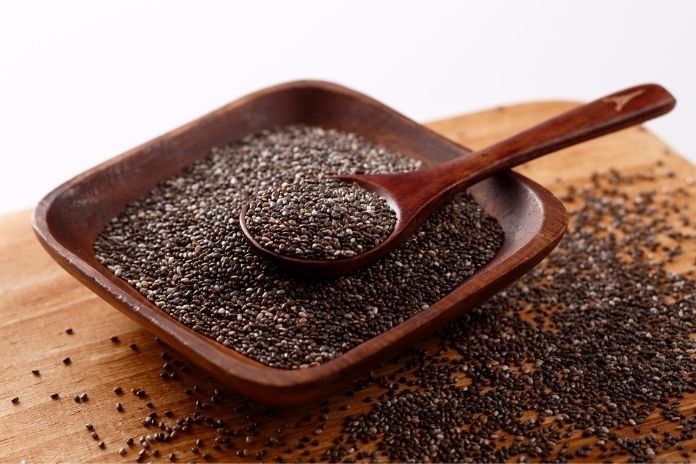
Your diet plays a crucial role in managing travel constipation. Choosing the right foods can help keep your bowel movements regular, while certain foods can make the problem worse. Travel-friendly fiber sources are easy to pack and gentle on the gut.
Oatmeal packets, chia or flax seeds, and fruits like apples, pears, and kiwis provide soluble fiber that draws water into the stool and keeps it soft. Prunes or prune juice are especially effective natural remedies, while whole-grain crackers or bars add bulk to help stool move more easily through the colon. These options are convenient, portable, and safe for short-term travel use.
On the other hand, foods that slow digestion can worsen constipation. Low-fiber, high-fat meals such as cheese-heavy dishes, fried foods, processed snacks, and excessive red meat tend to produce harder, slower-moving stools.
The key is balance. Fiber works best when paired with adequate hydration. Eating high-fiber foods without drinking enough water can actually make stool more difficult to pass. Maintaining this balance is essential for preventing constipation while traveling.
When Travel Constipation May Signal a Bigger Issue
Most travel-related constipation is harmless, but some signs require medical attention. Watch for red flags such as severe or persistent abdominal pain, blood in the stool, unexplained weight loss, constipation lasting longer than two to three weeks, or new constipation in adults over 50.
According to the NIH’s National Institute of Diabetes and Digestive and Kidney Diseases, you should see a doctor if constipation doesn’t improve with self-care or if it’s accompanied by warning signs such as rectal bleeding, blood in the stool, ongoing abdominal pain, or unexplained weight loss.
The guidance makes it clear that healthcare evaluation is appropriate when lifestyle changes don’t work or if alarm symptoms are present. If you experience constipation every time you travel, it may indicate underlying gut sensitivity, pelvic floor dysfunction, or dietary triggers. In such cases, consulting a healthcare provider is recommended to identify and manage the root cause rather than relying solely on short-term solutions.
Travel Constipation in Specific Situations
Flying combines dehydration, immobility, and stress, all factors that slow bowel movements. To minimize constipation on planes, stand and stretch periodically, drink water consistently, and limit alcohol and caffeine intake, which can increase fluid loss.
Long drives reduce bathroom access, encouraging stool withholding and slowing gut motility. Planning regular stops, staying hydrated, and moving whenever possible helps prevent stool buildup and discomfort.
Short trips often disrupt routines without giving your gut enough time to adjust, which can make constipation worse. Longer vacations allow your digestive system to gradually adapt to changes in schedule, diet, and sleep, reducing the likelihood of persistent constipation.
Conclusion
Travel constipation is a common and usually temporary problem that occurs when your gut reacts to changes in routine, diet, hydration, and activity. Long flights, road trips, unfamiliar meals, disrupted sleep, and even ignoring natural urges can all slow bowel movements and make stool dry or difficult to pass. While it can be uncomfortable, aggressive treatments are rarely necessary.
The most effective approach is preventative and practical. Staying consistently hydrated keeps stool soft, eating fiber-rich foods provides bulk and ease of passage, and gentle movement or stretching stimulates gut motility. Listening to your body’s natural signals and going when you feel the urge helps prevent buildup and straining.
Planning ahead, hydrating well before your trip, maintaining familiar dietary habits, and incorporating movement into travel routines ensure your digestive system can adapt to new environments.
Ultimately, travel constipation is manageable with simple lifestyle strategies. By prioritizing hydration, fiber, physical activity, and timely bathroom use, most travelers can keep their digestion regular and comfortable throughout their trip. With consistent habits, prevention becomes far easier than treatment, letting you focus on enjoying your travel rather than worrying about your gut.
References
- American College of Gastroenterology. (2023). ACG and AGA guideline on the management of chronic idiopathic constipation in adults. Cleveland Clinic Journal of Medicine, 84(5), 397–408.
- Cleveland Clinic. (n.d.). Travel constipation: Why it happens and what to do about it.
- Everyday Health. (n.d.). Vacation constipation: Why it happens and how to fix it.
- Gut Care Singapore. (n.d.). Maintaining normal bowel movements even while travelling.
- Harvard Health Publishing. (2022, August 4). Travel tummy troubles? Here’s how to prevent or soothe them.
- Henry Ford Health. (2021, July). How stress affects digestion.
- Houston Methodist. (2023, June). 10 things that lead to digestive problems while traveling.
- National Institute of Diabetes and Digestive and Kidney Diseases. (n.d.). Constipation: Symptoms and causes. National Institutes of Health.
- Needham Gastroenterology Associates. (n.d.). When travel stops you up.
- Sharma, A., Rao, S., & Camilleri, M. (2023). ACG and AGA clinical practice guideline on chronic idiopathic constipation in adults. The American Journal of Gastroenterology.
- Health.com. (n.d.). Travel constipation: Causes, prevention, and treatment.
In this Article