











Juice cleanses are everywhere in wellness circles. The idea is simple: skip solid meals for a few days, drink only pressed fruits and vegetables, and give your digestive system a “reset.” It sounds effortless: no cooking, no decisions, no heavy meals, just the promise of feeling lighter and cleaner.
When your stomach feels bloated, sluggish, or unpredictable, it’s tempting to believe that liquid food can somehow resolve the problem overnight. But here’s the reality: gut health isn’t about eliminating food; it’s about balance, diversity, and consistency. Your digestive system thrives on fiber, protein, healthy fats, and various nutrients that support the microbiome.
Juice cleanses are often low in fiber, high in sugars, and extremely restrictive, which can temporarily alter bowel movements, blood sugar, and energy levels, but these changes are not “detoxing” in any meaningful sense.
Short-term effects may feel positive: some people report feeling lighter, more energetic, or less bloated. That’s usually a response to reduced intake of processed foods, lower sodium, and temporarily smaller meals, not a magical cleansing effect.
On the flip side, longer-term or repeated juice cleanses can cause nutrient imbalances, muscle loss, and blood sugar fluctuations, and may even disrupt gut bacteria if fiber intake drops too low.
Understanding the real effects of juice cleanses allows you to make informed choices. Some outcomes are temporary, some can linger longer than expected, and many have nothing to do with “detoxing.” Before committing to a cleanse, it’s better to focus on sustainable habits that truly support gut health, regular fiber intake, hydration, diverse nutrients, and mindful eating.
What a Juice Cleanse Actually Does to Your Digestive System
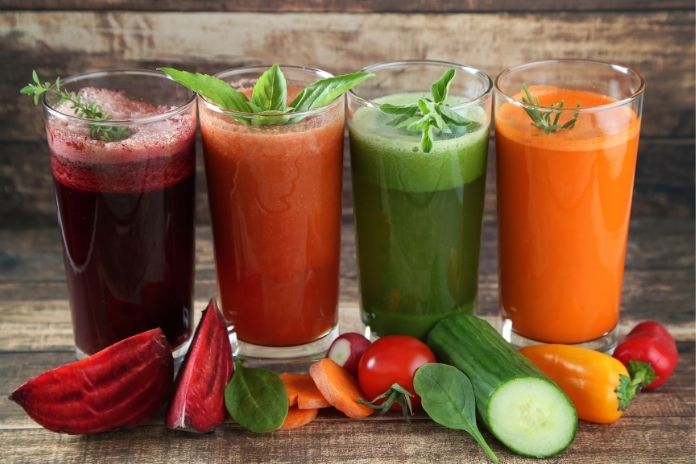
Most juice cleanses follow a simple template: large volumes of fruit and vegetable juice throughout the day, very little protein, almost no fat, and, most importantly, almost no fiber.
While juice can provide water-soluble vitamins, minerals, and antioxidants, it strips away the fibrous structure of whole fruits and vegetables that slows digestion, regulates blood sugar, and feeds the gut microbiome.
Without that fiber, the digestive system shifts from steady, gradual processing to rapid absorption. Harvard Health Publishing notes that the impact starts immediately. Chewing stops, which reduces saliva and its role in breaking down food and neutralizing acids. Gastric emptying accelerates, meaning liquid moves through the stomach faster than solid meals.
Blood sugar spikes more quickly, and the intestines absorb nutrients at an altered pace. For someone expecting a “gentle cleanse,” these rapid changes can actually feel jarring, ranging from mild bloating to unexpected diarrhea or energy crashes. The gut microbiome reacts just as quickly.
Research shows that the gut microbiome can respond very quickly to changes in diet, often within 24 to 48 hours of significantly altering what you eat. In diet intervention studies, short‑term shifts in nutrient intake produced measurable changes in microbial populations at the species and family level in just one to two days.
In short, juice cleanses don’t detox your gut; they shift its environment abruptly. The sudden influx of sugar, lack of fiber, and minimal protein or fat create rapid physiological responses that feel dramatic but are not inherently beneficial. Understanding these effects helps explain why short-term improvements may be more about reduced processed food intake or liquid restriction than any true digestive reset.
Read More: 7 Foods to Naturally Cleanse Your Liver
Why Juice Cleanses Can Backfire for Gut Health
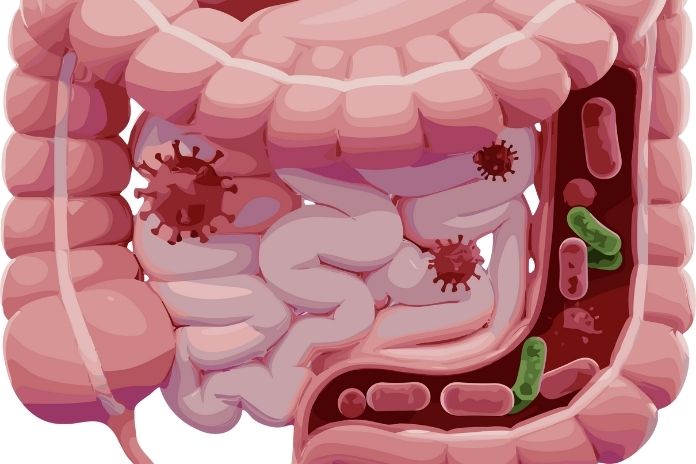
This is where most juice cleanse marketing stops, and real physiology begins. While the promise of a “reset” sounds appealing, the body’s digestive system and gut microbiome operate on principles that juice alone cannot satisfy.
Lack of Fiber and Its Impact on Gut Bacteria
Fiber isn’t optional; it’s essential fuel for a healthy gut. Beneficial gut bacteria ferment dietary fiber to produce short-chain fatty acids like butyrate, which strengthen the gut lining, regulate inflammation, and support immune function. When fiber intake drops drastically, these microbes lose their primary energy source, giving an advantage to less helpful bacterial strains.
Dr. Erica Sonnenburg, a microbiologist at Stanford University who studies diet‑microbiome interactions, explains that what you eat can fundamentally change the cells in your gut microbiome, and diets low in plant fiber tend to starve beneficial bacterial populations while allowing others to dominate.
The result is a temporary imbalance in microbial populations that can destabilize digestion, reduce production of gut-protective compounds, and even compromise immune signaling.
Blood Sugar Spikes Stress the Gut-Brain Axis
Juices deliver sugar in liquid form, often without the buffering effects of fiber, protein, or fat. Glucose enters the bloodstream rapidly, prompting a surge in insulin, followed by a quick drop in blood sugar. These fluctuations don’t just affect energy; they influence the gut directly.
The gut and brain communicate constantly through the vagus nerve and hormonal signals. Sudden blood sugar swings activate stress pathways that alter gut motility, increase sensitivity, and sometimes trigger cramping, bloating, diarrhea, or urgency.
The Cleveland Clinic notes that people with sensitive digestion or underlying gastrointestinal conditions such as IBS often experience more pronounced digestive responses to dietary shifts, because their gut function and microbiome balance are already more reactive than average.
This connection explains why juice cleanse side effects often feel both digestive and emotional at the same time. Rapid sugar absorption stresses not only your gut but also your nervous system, making the cleanse feel more intense than expected.
The Bottom Line: Juice cleanses create abrupt changes in digestion and microbiome balance rather than gentle support. They may temporarily reduce bloating or give a perception of “detox,” but they can also provoke instability in bowel habits, gut discomfort, and energy swings. True gut health comes from consistency, fiber-rich foods, balanced meals, and sustainable habits, not liquid-only interventions.
Read More: How to Detox Safely Without Fad Diets
Common Gut-Related Side Effects of Juice Cleanses

These are the effects people notice first, because they’re the ones you actually feel in your digestive system. Understanding why they happen helps separate myth from physiology.
Bloating and Abdominal Discomfort
Juice cleanse bloating isn’t a sign that your body is “detoxing.” It’s a signal that fermentation in the gut has shifted. Large amounts of fructose and sugar alcohols like polyols reach the intestines rapidly. Beneficial and less beneficial bacteria ferment these sugars, producing gas.
Normally, fiber would slow transit and regulate gas release, but liquid-only diets remove that buffer. The result is uneven gas buildup, pressure, and a feeling of fullness, even when calorie intake is low. People often feel distended or gassy despite consuming far fewer calories than usual.
Diarrhea or Loose Stools
Liquid diets move quickly through the digestive tract. Sugars in juice pull water into the intestines through an osmotic effect, softening stools and accelerating transit. Without fiber to provide bulk, the colon cannot regulate consistency effectively.
This is why diarrhea or frequent loose stools are among the most commonly reported complaints in juice cleanse studies and clinical nutrition observations. Rapid movement also reduces absorption of some nutrients, which can leave people feeling tired or lightheaded.
Constipation After the Cleanse Ends
This rebound effect surprises many first-timers. Once solid food is reintroduced, fiber intake jumps suddenly. The gut microbiome and motility need time to adapt. Until the microbial population and intestinal transit stabilize, stool can become harder to pass.
This temporary constipation is often misinterpreted as “toxins being released,” but it is really a simple matter of fiber and microbiome adjustment. Gradual reintroduction of solids usually resolves the issue within a few days.
Nausea and Acid Reflux
Large volumes of acidic fruit or vegetable juice can overwhelm the stomach’s natural buffering capacity. Without solid food to absorb and slow acid, reflux symptoms may worsen. People prone to gastritis, GERD, or sensitive stomachs often report nausea, heartburn, or discomfort.
Even mild acidity can trigger the vagus nerve, amplifying feelings of queasiness and digestive unease. Drinking slowly and pairing juice with small amounts of protein or fat can mitigate some of these effects, but they don’t eliminate the physiological stress of a liquid-only diet.
Key Takeaway: Juice cleanses create rapid, dramatic changes in digestion. Gas, bloating, loose stools, and post-cleanse constipation are not unusual; they are predictable responses to sudden shifts in fiber, sugar, and microbiome activity. Understanding these effects helps people approach juice cleanses with realistic expectations and reduces the tendency to interpret every gut sensation as a sign of detox or healing.
How Juice Cleanses Affect the Gut Microbiome
This is where long-term claims fall apart. Short-term studies show that juice-only diets can reduce microbial diversity. Beneficial strains that rely on complex carbohydrates decline. Opportunistic bacteria that tolerate sugar-heavy environments may increase.
A small but widely cited study published in Scientific Reports found that a three-day juice cleanse altered oral and gut bacteria in ways associated with increased intestinal permeability markers. Importantly, these changes did not translate into lasting microbiome improvements once normal eating resumed.
Read More: 6 Popular Detox Trends That Could Be Doing More Harm Than Good
Who Is Most Likely to Experience Side Effects
Not everyone reacts to juice cleanses in the same way.
Individuals with sensitive digestion or underlying gut disorders, such as irritable bowel syndrome (IBS), may experience worsened bloating, cramping, or diarrhea. Rapid sugar fermentation and accelerated intestinal transit can easily aggravate these conditions.
Those with blood sugar regulation issues, including prediabetes or diabetes, may feel shakiness, nausea, or fatigue, as the rapid spikes and drops in glucose trigger insulin swings.
Similarly, people prone to dizziness or lightheadedness may notice stronger effects due to sudden changes in blood sugar between juice servings.
People with a history of disordered eating may find juice cleanses physically and psychologically challenging. Severe calorie restriction can trigger anxiety, obsession with food, or unhealthy eating patterns, making professional guidance essential.
Even short-term juice cleanses can affect the absorption or effectiveness of medications that rely on food intake, such as certain diabetes, thyroid, or gastrointestinal drugs.
“When you’re swapping out food for juice, you end up not consuming adequate nutrition,” says Amber Sommer, RD, LD, illustrating why juice cleanses, with their low-calorie, low-protein, and low-fiber profile, can slow metabolism and cause fatigue, gut discomfort, or blood sugar swings.
Experts also note that juice cleanses can be especially problematic for people with underlying digestive conditions, because fermentable sugars and a lack of fiber tend to worsen symptoms like bloating and diarrhea.
Do Juice Cleanses “Detox” the Gut?
Contrary to popular marketing, your body already has a highly effective detoxification system. Your liver metabolizes toxins, and your kidneys filter and eliminate waste continuously. According to the Mayo Clinic, these organs function efficiently without the need for special diets, teas, or juice cleanses. The gut itself does not need “cleansing” to remove toxins.
It requires nourishment, fiber, and microbial support to function optimally. Periods of digestive rest, such as during illness or medically supervised fasting, are not equivalent to improving gut health. In fact, depriving gut microbes of fiber and nutrients can disrupt the delicate microbial balance, leading to digestive upset rather than cleansing benefits.
Juice cleanses may feel like they are detoxifying your system because of rapid weight changes, increased bathroom trips, or temporary shifts in energy, but these effects are largely physiological reactions to sudden dietary restriction, sugar intake, and fiber loss, not evidence of enhanced toxin elimination.
Long-term gut health depends on consistent nutrition, adequate fiber, hydration, and lifestyle factors, not short-term liquid diets.
Short-Term vs. Long-Term Effects of Juice Cleanses
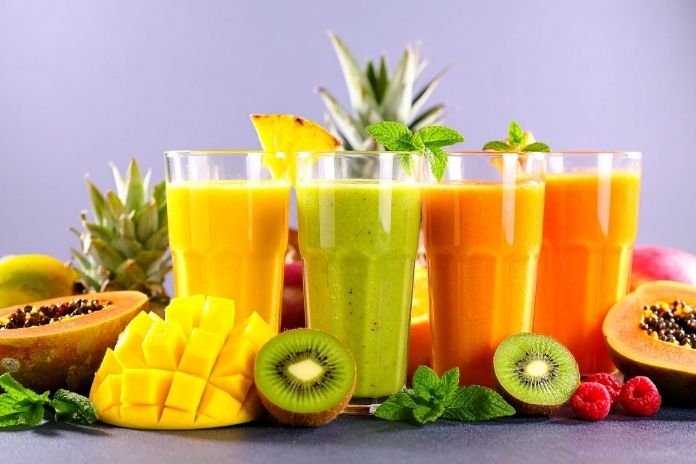
In the short term, many people report feeling lighter, less bloated, or even temporarily “cleaned out” after a juice cleanse. These effects usually reflect reduced sodium intake, lower overall food volume, and temporary calorie restriction rather than any true gut reset.
Energy fluctuations, feeling temporarily more alert or tired, are often driven by stress hormones like adrenaline and cortisol responding to sudden dietary changes, not improvements in digestion or microbial balance.
Over the longer term, these perceived benefits typically fade. Rebound hunger sets in, digestive irregularity can appear as the gut readjusts to solid foods, and the microbiome may temporarily lag due to fiber deprivation.
Studies and guidance from the World Health Organization consistently emphasize that long-term digestive and metabolic health depends on consistent dietary patterns rather than elimination-style, short-term interventions. Juice cleanses do not provide lasting improvements in gut function, microbial diversity, or overall digestive resilience.
Safer Ways to Support Gut Health Without a Juice Cleanse
If the goal is a healthier, balanced gut, there are far more effective and sustainable strategies than liquid-only cleanses.
A foundation of fiber-rich whole foods feeds beneficial gut bacteria steadily, keeping fermentation and short-chain fatty acid production consistent.
Vegetables, fruits (eaten whole), legumes, seeds, and whole grains provide both soluble and insoluble fiber that support digestion, regularity, and microbial diversity.
Incorporating fermented foods such as yogurt, kefir, kimchi, and sauerkraut adds live bacterial cultures that support microbial balance and maintain a resilient gut environment.
Balanced meals that include protein, healthy fats, and complex carbohydrates help stabilize blood sugar, regulate satiety, and slow digestion for more predictable bowel movements.
Gentle dietary “resets” can include reducing ultra-processed foods, excessive sugar, and alcohol without eliminating solid food entirely.
These small, consistent adjustments create meaningful long-term gut health benefits far more effectively than short-term cleanses. The key principle is consistency: nourishing your gut daily matters more than any dramatic but temporary intervention.
If You’ve Already Done a Juice Cleanse: How to Help Your Gut Recover
Reintroducing solid food after a juice cleanse requires a gradual approach. Start slowly to avoid overwhelming the digestive system. Begin with easily digestible, fiber-rich foods like cooked vegetables, soft fruits, oatmeal, and other whole grains. Introduce legumes, nuts, seeds, and raw vegetables gradually to allow gut bacteria to adapt without causing bloating or discomfort.
Protein should be reintroduced early in the recovery phase, both to stabilize blood sugar and to support the production of digestive enzymes. Hydration remains important, but it should complement regular meals rather than replace them. Liquid alone cannot restore normal gut motility or microbiome function.
Finally, focus on stability rather than chasing the temporary sensations a juice cleanse promised. The goal now is a resilient, balanced gut that functions optimally every day. Gradual, consistent nourishment, not dramatic fasting, builds long-term digestive health. Over time, your energy, digestion, and microbial balance will stabilize naturally, without the stress or disruption caused by liquid-only cleanses.
Key Takeaway
Gut health isn’t about shortcuts or dramatic resets; it’s about consistency, balance, and nourishment. Juice cleanses promise a “detox” or a fresh start, but what they actually do is remove the very components your digestive system relies on: fiber, protein, and balanced nutrients.
Without these, your gut microbes lose their fuel, transit becomes irregular, and digestive discomfort, bloating, cramping, diarrhea, or constipation often emerges. The side effects people feel during a juice cleanse aren’t evidence of toxins leaving the body; they are signals that your digestive system is out of rhythm.
Rapid sugar absorption, low-fiber intake, and disrupted gut microbial activity all contribute to short-term discomfort and, in some cases, longer-term instability once normal eating resumes. This “reset” often backfires, leaving the gut less prepared to process food than it was before. For sustainable digestive health, the strategy is simple: feed your gut regularly, steadily, and thoughtfully.
Whole foods, vegetables, fruits, legumes, whole grains, seeds, fermented foods, and balanced meals support microbial diversity, maintain proper bowel function, and stabilize blood sugar. Gradual, consistent nourishment strengthens the gut lining, supports immune function, and keeps your digestive system resilient over time. Ultimately, your gut doesn’t need cleansing.
It needs regular care, variety, and fiber-rich nutrition. Skipping meals for a liquid-only cleanse may feel appealing in the moment, but for long-term gut stability and digestive well-being, steady, balanced feeding always wins. A few days of juice won’t erase the effects of a poor diet or lifestyle, but consistent, mindful eating will build a healthy gut that functions optimally every day.
References
- BioCodex Microbiota Institute. (n.d.). The downside of fruit and vegetable juices for gut health.
- Cleveland Clinic. (n.d.). Can juice cleanses help you lose weight?
- Cleveland Clinic. (n.d.). Irritable bowel syndrome (IBS).
- Evidation. (n.d.). Juice cleanses: Effects on gut health.
- Health.com. (2023). Side effects of juice cleanses for gut health.
- Marbella Hospital. (n.d.). Nutritionist for microbiome’s health in Costa del Sol.
- MDPI. (2025). Effects of vegetable and fruit juicing on gut and oral microbiome composition. Nutrients, 17(3), 458.
- MDPI. (2019). Diet rapidly alters the human gut microbiome: Evidence from short-term interventions. Nutrients, 11(12), 2862.
- Mayo Clinic. (n.d.). Colon cleansing: What you need to know.
- News-Medical. (2025, February 5). Juice cleanse may harm gut and oral health.
- Newsroom OSF Healthcare. (n.d.). Cleaning up the facts about juice cleanses.
- NM.org. (n.d.). Is a juice cleanse good for you?
- Olive My Pickle. (n.d.). Rethinking detox: Beyond juice cleanses.
- Prevention. (2022, June). Juice cleanses may harm gut, increase inflammation, study finds.
- Stanford University News. (2025, May). Research matters: Diet rapidly reshapes gut microbiome.
- SquadTrip. (n.d.). How juice detox retreats help reset your gut health and energy levels.
- The Hill. (2020, November 16). Negative effects of juice cleanse, study finds.
- Times of India. (2023, January 3). The truth about juice cleanses: How they worsen gut health and metabolism, reveals study.
- Women’s Health Magazine. (2022, July). Juice cleanse and gut health: What a study reveals.
In this Article