












Choosing between a protein drink with water or milk is a common question for anyone using protein supplements. In reality, there is no right or wrong decision. In fact, when you combine proteins with water or milk, you get different benefits.
It is also easier on the stomach for many people, supporting smoother protein shake digestion. Moreover, it allows you to easily consume proteins without worrying about putting on weight because it has very few calories.
On the other hand, adding milk to your protein intake not only provides calories, protein, and carbs, but also adds various nutrients, such as calcium, to your intake, and it is also a filling drink. Many people choose to take protein with milk because it not only tastes better but also keeps you full for a long time.
In the following sections of this article, you will learn how to choose when to take proteins with water or when to take them along with milk.
Read More: Protein Powder in Coffee: How to Do It, Why It Works, and What to Watch Out For
What Changes When You Mix Protein with Water vs Milk?

The biggest difference in a protein shake with water or milk lies in the added nutrients versus pure protein delivery. When protein powder is mixed with water, the shake remains low in calories and provides protein in its simplest form.
This allows faster protein absorption, making it a good option after workouts or for people who prefer light and easy digestion. The texture is thinner, but it supports quick recovery without adding extra calories.
In contrast, mixing protein with milk adds carbohydrates, fats, calcium, and extra protein, which increases the overall calorie count. This makes the shake thicker, creamier, and more filling. Because milk digests more slowly, protein absorption is steadier rather than rapid, helping improve satiety and keeping hunger away for longer.
This choice matters because different fitness goals need different approaches. Water is often better for weight loss, calorie control, and fast digestion, while milk works well for muscle gain, strength training, or using protein as a meal replacement. Selecting the right liquid helps align your protein intake with your health and fitness goals.
Simon Jurkiw, a qualified sports nutritionist, strength and conditioning specialist, and Product Director at Bulk™, says, “Choosing between milk and water all depends on your goals”, said Simon. “If your goal is to gain weight or muscle, then milk is a good option with the extra protein and calories. If you want to lose weight, water makes sense as you’re saving yourself calories.
Read More: 15 Homemade Protein Shakes For Weight Loss You Should Try
Protein Shake with Water—When It Makes More Sense
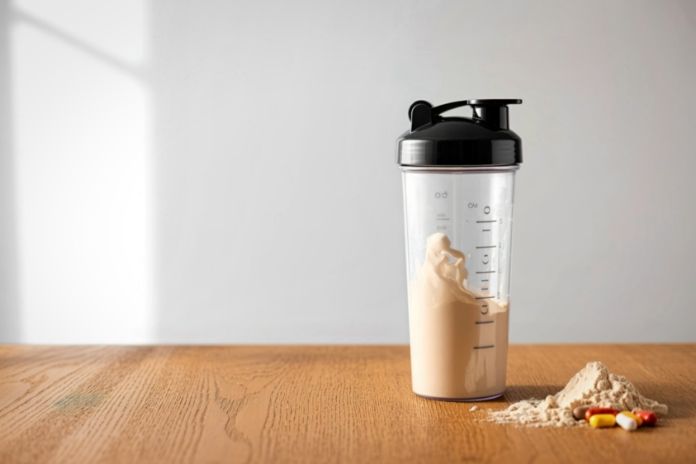
Choosing protein powder water vs milk often depends on how simple and light you want your shake to be. Mixing protein powder with water is a popular choice for those looking to manage calorie intake while still meeting daily protein needs.
Water adds no extra fats, carbs, or sugars, keeping the shake low in calories and easy on the stomach. This leads to lighter digestion, making it suitable for people who feel uncomfortable after heavy or creamy shakes.
Another major benefit is faster absorption. Since water does not slow digestion like milk, protein reaches the muscles more quickly. This makes water-based shakes ideal when immediate recovery is the priority rather than long-lasting fullness.
The shake feels lighter and does not increase satiety much, which is helpful if you don’t want a meal-like effect. For these reasons, water is commonly preferred post-workout or during fat-loss phases, where avoiding extra calories supports better results.
Who Benefits Most from Mixing Protein with Water
People aiming for weight or fat loss often choose water to keep their protein intake clean and controlled. It is also a better option for individuals with lactose intolerance, as milk-based shakes can cause bloating or digestive discomfort.
Water-based protein shakes are especially useful for early-morning or fasted workouts because they digest quickly and feel light on an empty stomach. Lastly, anyone who values convenience benefits from using water, as it is easily available, quick to mix, and fits well into a busy lifestyle.
Read More: High Protein Diet for Weight Loss: A Complete Guide to How It Works
Protein Shake with Milk—When It’s the Better Option

Mixing protein powder with milk is often the better choice when you need more nutrition from your shake. Milk naturally adds protein shake calories through extra protein, carbohydrates, and fats, making the drink more energy-dense and filling.
This added nutrition is useful for people who need more fuel during the day or want a shake that feels closer to a complete meal rather than a light supplement.
One key advantage of using milk is slower digestion and higher satiety. Milk takes longer to digest than water, which helps release protein gradually and keeps you full for longer. This reduces frequent hunger and unnecessary snacking.
The thicker, creamier texture also makes the shake more satisfying. While milk increases calories, it can still be used strategically, even in a protein shake for weight loss, when portion size and total daily calories are well managed.
Milk-based protein shakes are especially helpful for muscle gain and recovery. The combination of protein, carbs, and fats supports muscle repair after workouts and provides sustained energy. They also work well as meal replacements, offering balanced nutrition when you don’t have time for a full meal.
Who Benefits Most from Mixing Protein with Milk
People trying to gain muscle or weight benefit most from milk-based shakes due to higher calorie intake. Those who struggle to meet daily energy needs also find milk helpful.
Additionally, individuals using protein shakes as snacks or mini-meals may prefer milk for better fullness, taste, and nutritional balance.
Read More: High-Protein Beans: Top Varieties, Benefits, and How to Use Them
Water vs Milk: Nutrition Comparison

Water and milk affect nutrition differently, influencing calories, fullness, and how efficiently protein supports recovery and muscle growth.
Protein Content Differences
Water contains no natural protein, so when protein powder is mixed with water, all the protein comes solely from the supplement. Milk, however, adds its own high-quality protein, which can further support muscle protein synthesis. This makes milk-based shakes slightly higher in total protein, which may benefit people focused on strength training and muscle recovery.
Calorie and Carbohydrate Impact
Water has zero calories and carbohydrates, keeping protein shakes light and calorie-controlled. Milk naturally contains carbohydrates in the form of lactose, along with calories that vary depending on whether it is skimmed, low-fat, or full-fat. These added calories can support energy needs but may matter for those closely tracking intake.
Fat Content and Digestion Speed
Water contains no fat, allowing for faster digestion and quicker protein delivery to muscles. Milk includes varying fat levels, which slows the digestion speed. Slower digestion leads to gradual nutrient release, helping maintain fullness and steady energy rather than rapid absorption.
How These Differences Affect Daily Intake
Using water supports fast absorption and low-calorie intake, ideal for post-workout recovery or weight management. Milk adds nutrients, calories, and fullness, making it better for balanced meals and long-lasting energy. The right choice depends on daily goals and nutrition needs.
Read More: Shrimp vs Chicken for Weight Loss: Which Protein Is Better?
Does Milk Improve Protein Absorption or Muscle Growth?

Many people wonder whether adding milk to protein shakes improves absorption or muscle growth, or if protein intake matters more.
How Protein Absorption Actually Works
Protein absorption depends on how fast amino acids from food reach the bloodstream after digestion. Different proteins are digested at different speeds. Whey protein is absorbed quickly, while casein digests more slowly.
Whole milk contains both types, which means amino acids appear in the blood over a longer period, providing a steady supply for muscles. Some research shows that whole milk and whey protein, both significantly increase muscle protein synthesis (MPS) after intake, with similar effectiveness when total protein is equal.
Role of Total Protein Intake vs Liquid Choice
The overall amount of high-quality protein you consume matters more for muscle growth than whether it’s mixed with milk or water. Studies comparing milk protein to whey suggest that total amino acids in the bloodstream are key drivers of MPS, and when protein intake is matched, milk protein can be as effective as whey for stimulating muscle building.
Research reviews also emphasize that milk’s mix of fast and slow proteins supports sustained amino acid delivery, which may help keep MPS elevated after exercise.
What Studies Suggest About Mixed Macronutrients
Some studies find that milk’s combination of proteins, carbohydrates, and fats, not just the liquid choice, contributes to improved recovery and protein metabolism after resistance exercise.
For example, dairy proteins can raise blood amino acids over a longer window rather than peaking quickly, which may help overall muscle protein balance. In short, milk can support muscle growth when total protein and calories are sufficient, but the liquid choice itself isn’t the sole factor; what matters most is the amount and quality of protein you consume.
Read More: Turn Your French Toast Into a Protein Powerhouse
Digestion and Gut Comfort Considerations

Digestive comfort varies from person to person, and understanding how milk affects the gut can help prevent bloating and discomfort.
Lactose Intolerance and Bloating
Some people struggle to digest lactose, the natural sugar found in milk. This condition, called lactose intolerance, happens when the body doesn’t make enough of the enzyme needed to break down lactose.
As a result, milk and dairy products can cause bloating, gas, cramps, or discomfort after eating or drinking them. These symptoms happen because undigested lactose stays in the gut and ferments, leading to gas and swelling.
Why Some People Feel Heavy After Milk-Based Shakes
Even for people without lactose intolerance, milk-based shakes can feel heavy or hard to digest. Milk contains fats and proteins that take longer for the stomach to break down compared to water.
This slower digestion can make you feel full for longer but also can leave some people feeling sluggish or bloated, especially if they drink a creamy shake quickly or on an empty stomach. A slow digestive pace can be uncomfortable, particularly for those with sensitive guts or digestive conditions like irritable bowel syndrome (IBS).
Alternatives Like Lactose-Free or Plant-Based Milk
If regular milk causes discomfort, there are easy alternatives. Lactose-free milk provides the taste and many nutrients of milk without lactose, making it gentler on the gut.
Plant-based milks like almond, oat, or soy are other options for people who prefer dairy-free choices. These alternatives can reduce bloating and make shakes easier to digest while still offering a smooth, tasty base for protein powder.
Read More: Air Fryer Recipes for Guilt-Free Cravings (High Protein Options)
Protein With Water or Milk Based on Your Goal

Choosing between milk and water for protein shakes depends on your fitness goals, calorie needs, digestion, and daily lifestyle preferences.
For Muscle Gain
For muscle gain, whey protein with milk may offer an advantage because milk adds extra calories, carbohydrates, and fats that support recovery and muscle growth.
These nutrients help refuel muscles after workouts and make it easier to meet higher energy needs. That said, whey protein with water can still support muscle gain effectively if your overall protein and calorie intake throughout the day is sufficient.
For Weight Loss
When weight loss is the goal, whey protein with water is often the more practical choice. Water keeps the shake low in calories while still providing high-quality protein to preserve muscle mass.
This helps control hunger without adding extra calories that may slow fat loss. It is also lighter and easier to digest.
For General Health or Maintenance
For general health or maintenance, both whey protein with milk and whey protein with water can work well.
The choice depends on personal preference, taste, and digestive tolerance. Many people alternate between the two based on convenience. Ultimately, staying consistent with protein intake matters more than perfect optimization.
HealthKart Medical Reviewer Dr. Aarti Nehra, on choosing between whey protein with milk or water, said, “If muscle building is your goal, whey protein with milk will yield better results. For weight loss or lean muscle tone, whey protein with water is ideal to keep calories low.”
Read More: The Power of Macronutrients: Understanding Proteins, Carbs, and Fats in Your Diet
Timing Matters: When Water or Milk Works Best

The timing and type of protein shake, water, or milk can influence digestion, muscle recovery, and overall effectiveness for your goals.
Post-Workout Considerations
After a workout, muscles need protein quickly to start recovery. Mixing protein powder with water is often ideal at this time because it is low in calories and allows faster digestion.
The protein reaches your muscles quickly, supporting muscle protein synthesis and helping repair tissues efficiently. If you prefer a creamier texture, milk can still work, but the extra fats may slightly slow absorption.
Between-Meal Protein Shakes
For shakes taken between meals, milk can be a better choice. The added protein, carbs, and fats make the shake more filling and satisfying, helping manage hunger until your next meal. Water-based shakes are lighter, so they work well if you want a quick protein boost without adding extra calories.
Night-Time or Recovery-Focused Use
Protein before bed or during long recovery periods may benefit from milk. Its combination of fast (whey) and slow-digesting (casein) proteins provides a steady supply of amino acids overnight, promoting muscle repair and recovery.
Water can be used if you prefer a lighter option or are sensitive to dairy. Choosing the right liquid depends on timing, goals, and how your body handles digestion.
Read More: Top PCOS-Friendly Protein Powders for Energy & Metabolism Support
How to Decide What’s Right for You

Choosing between a protein shake with water or milk depends on goals, digestion, and lifestyle to maximize results and comfort.
Questions to Ask Based on Goals, Digestion, and Lifestyle
Choosing between water and milk for your protein shake depends on your fitness goals and personal digestion. Ask yourself: Are you aiming for weight loss, muscle gain, or general health? Do you tolerate dairy well, or do you experience bloating or discomfort? How busy is your schedule? Do you need a quick, light shake or a more filling option?
Water keeps shakes low in calories and is easy to digest, making it ideal for weight management or fast post-workout recovery. Milk adds calories, carbs, and fats, supporting muscle repair, satiety, and sustained protein release.
Why Preference and Consistency Matter Most
While nutritional differences exist, the most important factor is sticking with your protein routine. Whether you choose milk or water, consistency ensures you meet daily protein needs, which is key for muscle maintenance, recovery, or overall wellness.
When Switching Between Water and Milk Makes Sense
Switching between water and milk can work well depending on timing and context. Use water for post-workout shakes or fasted sessions, and milk when you want longer-lasting fullness, extra calories, or meal replacement. Tailoring your choice to goals and lifestyle helps you get the most out of every shake.
Read More: The Cottage Cheese Comeback: Why Fitness Experts Swear by This Protein-Packed Food
The Practical Takeaway on Protein Drinks with Water or Milk

Choosing water or milk for protein drinks depends on fitness goals, digestion comfort, calorie needs, and how you plan to use protein in your daily routine.
- Protein mixed with water keeps the shake light, low in calories, and easy to digest, making it ideal for post-workout recovery and fat-loss phases.
- Water-based shakes allow quicker protein absorption, which helps deliver amino acids to muscles faster after training.
- Protein mixed with milk adds extra protein, carbohydrates, and fats, increasing overall calories and nutritional value.
- Milk-based shakes are more filling and support satiety, making them useful as snacks or small meal replacements.
- Slower digestion with milk provides a steady release of nutrients, which can support muscle repair and sustained energy.
- People with lactose sensitivity may experience bloating or discomfort with milk and may prefer water or lactose-free options.
- Both options are flexible and can be used at different times of the day based on hunger levels and activity.
- Switching between water and milk helps balance calorie control with nutritional needs.
- Ultimately, meeting total daily protein intake consistently matters more than the choice of liquid.
Read More: 8 Best Plant-Based Proteins for Muscle Building

Mixing protein with water or milk is not about choosing a right or wrong option; it’s about matching your protein shake to your goal, digestion, and daily calorie needs. Water keeps the shake light, low in calories, and fast-digesting, making it useful after workouts, during fat loss, or when you want protein without added extras.
Milk, on the other hand, adds natural protein, carbohydrates, and fats, making the shake more filling and better suited for muscle gain, recovery, or use between meals. Timing also matters; water often works well post-workout, while milk can be helpful when you need sustained energy or fullness.
That said, research and expert advice consistently highlight one key point: total daily protein intake and long-term consistency matter far more than the liquid you mix it with. If you meet your protein needs regularly and choose an option your body tolerates well, you’re already on the right track.
The best protein shake is the one that fits your lifestyle and helps you stay consistent. Choose smart, stay consistent, and adjust based on your goals and how your body feels.
References
- Parmar, A. (2025, December 8). Protein Shake with Water or Milk: Which Is Better for Your Fitness Goals? Beastlife.
- Mohan, M. (2019, June 26). Should you consume whey with water or milk? AS-IT-IS Nutrition.
- Nakpro, S. (2025, August 12). The best liquid to mix your protein with: water, milk, or juice? NAKPRO NUTRITION.
- Milk vs. Water: Best Liquid for Whey Protein Powder? (2025, April 29). Dymatize.
- Boardman, J. (2020, May 28). Protein shake with milk or water | What’s the difference? – MYPROTEINTM. MYPROTEINTM.
- Richardson, F. (2025, February 25). Protein shake with milk or water? The Locker Room.
- Agrawal, M. (2022, November 28). Learn everything about whey protein absorption. Naturaltein.
- Bhatia, S. (2025c, September 11). Whey Protein with Milk or Water: Which One Works Better? Wellbeing Nutrition.
- Gaschereau, T. H. (2025, March 24). Protein shake with milk or water? Protein Supplies Australia.
- Tom. (2024, November 27). Protein Shake with Milk or Water: Which one is best? | BulkTM.
- Admin. (2024, November 7). Milk • The Nutrition Source. The Nutrition Source – Harvard Chan School.
- Ldn, K. K. R. (2022, June 30). Does milk count as fluid? EverydayHealth.com.
- View of Milk protein consumption improves muscle performance and total antioxidant status in young soccer athletes: a randomized controlled trial | Medical Journal of Indonesia. (n.d.).
- Roy, B. D. (2008). Milk: the new sports drink? A Review. Journal of the International Society of Sports Nutrition, 5(1), 15.
- Nutritionist, K. T. –. (2026, January 6). Top 10 foods for better digestion. Good Food.
- Parmar, A. (2025b, December 8). Protein Shake with Water or Milk: Which Is Better for Your Fitness Goals? Beastlife.
- Höck, M. (2024, November 25). Protein shake with water or milk: which is better? More Nutrition.
- Bhatia, S. (2025d, September 11). Whey Protein with Milk or Water: Which One Works Better? Wellbeing Nutrition.
- Kinetica Sports IE. (2022, November 16). When is the Best Time to Take a Protein Shake?
- (INDIA) PVT. LTD., S. N. (2024, October 25). Whey Protein with Milk or Water – Which Is Better? Scitron.
- Protein Powder with Milk or Water: Which is Best for You? (2025, January 29). Spartan Nutrition.
- News, G. F. (2025, August 26). Protein Shake with Milk or Water: Which Mix Is Best? G FUEL.
In this Article