














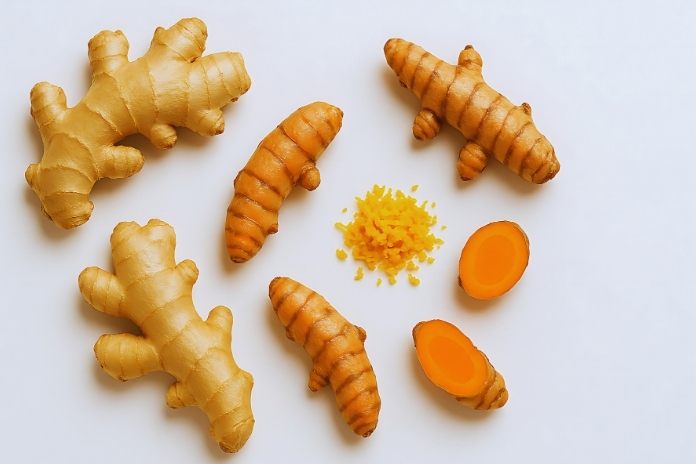
If you’ve looked for natural ways to fight inflammation, you’ve likely come across the popular pair: ginger and turmeric. This isn’t by chance. Both are powerful, natural anti-inflammatory herbs with a long history of use in medicine.
Both ginger and turmeric reduce inflammation. But the manner in which it occurs, the degree at which it will affect you the most, and the time at which one will be better than the other vary based on the type of inflammation, your body processes, and the consistency with which you use these two. This article explains the uses of both turmeric and ginger for inflammation.
Read More: How to Use Ginger for Stomach Problems
How Inflammation Happens – and How Certain Spices Can Help
Inflammation can be worrisome when it becomes chronic. Acute inflammation, such as when you exercise and then notice swelling, is a natural process related to repair. Chronic inflammation, though, can be a problem.
Dietary changes have also been considered for another important reason. Many inflammatory mechanisms are balanced by foods that we can choose to eat every day. In that sense, anti-inflammatory spices differ from pills that focus on a single aspect. Their approach involves transporting natural plant compounds that can simultaneously soothe multiple mechanisms.
This is why certain products, such as ginger and turmeric, can be useful for managing an inflammatory response. They work because they contain compounds that have anti-inflammatory properties: gingerol in ginger and curcumin in turmeric.
Ginger And Inflammation: What It Does In Your Body
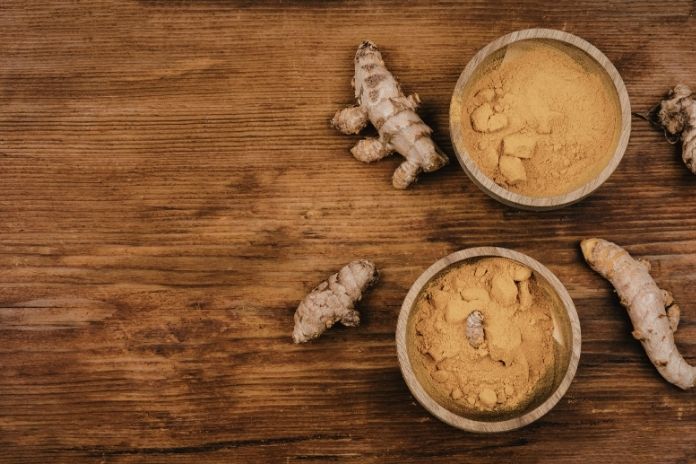
Key Compounds in Ginger That Reduce Inflammation
The active anti-inflammatory punch of ginger comes mainly from compounds known as gingerols and shogaols. Fresh ginger contains high levels of gingerols, while drying or cooking increases the levels of shogaols. Both compounds are powerful antioxidants that directly contribute to ginger’s anti-inflammatory properties.
How Ginger Affects Inflammatory Pathways
Ginger and its active components may affect the overall inflammatory process. It works quickly, as it modulates COX enzymes and prostaglandins, the same participants responsible for pain, swelling, and muscle aches. It is basically like the use of NSAIDs, yet gentler and with much fewer GI risks when one is using it in food amounts.
Beyond that, it improves circulation, reduces oxidative stress, and aids in digestion. The gut itself is a huge driver of systemic inflammation.
What Ginger Helps With Most
Ginger works well for:
- Muscle soreness and inflammation from exercise, wherein fast pain relief helps.
- Digestive gut inflammation; bloated and crampy
- Inflammation of nausea, such as from sickness or motion
If your inflammation flares up in a reactive, short-term, or digestion-related way, ginger often acts faster than turmeric.
Turmeric And Inflammation: How Does It Work In The Body?
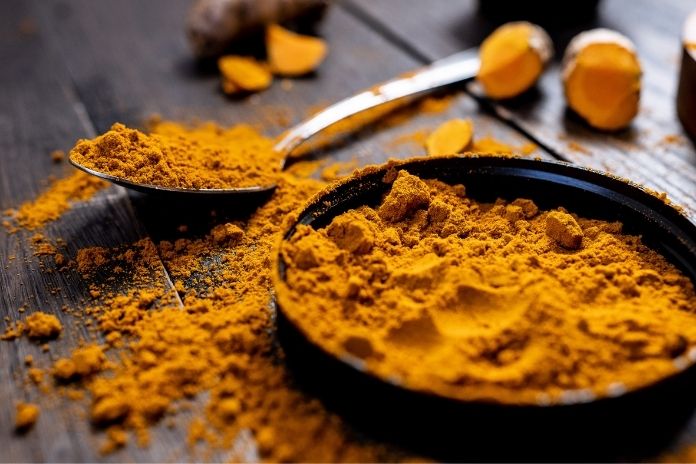
Curcumin and Its Anti-Inflammatory Role
Turmeric acts through curcumin, which has far-reaching impacts on chronic inflammatory processes. The compound curcumin decreases Nuclear Factor-kappa B (NF-κB), the main modulator of inflammatory genes, and reduces the levels of pro-inflammatory cytokines. This is why the anti-inflammatory potential of curcumin is being extensively studied in chronic inflammatory pathologies.
Why Turmeric Is Stronger for Systemic Inflammation
Turmeric truly stands out when dealing with inflammation:
- Chronic rather than acute
- Systemic, affecting joints, metabolism, or immune balance
- Also, helps with autoimmune or degenerative problems
This makes turmeric particularly relevant for joint pain, arthritis-like symptoms, and long-term metabolic stress.
Limits of Turmeric Absorption
One of the main aspects in the conversation of ginger versus turmeric is, of course, bioavailability. On its own, curcumin is not well absorbed.
This is why combining turmeric with black pepper matters. The piperine can significantly increase curcumin absorption. Without this combination, turmeric’s effects are very limited, especially when taken as a supplement.
Read More: Turmeric For Arthritis – Is It Effective?
Ginger vs Turmeric: The Practical Look at Inflammation
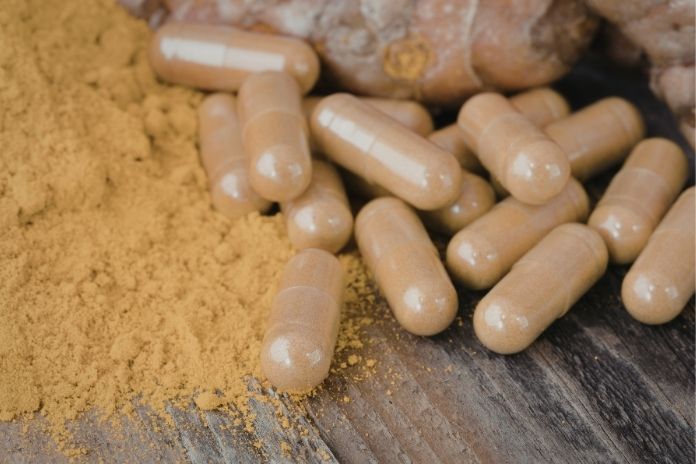
Speed of Relief
Ginger offers quicker relief, especially for digestion and muscle soreness, sometimes in a matter of hours or within days.
Turmeric takes a bit longer to start working, but its effects add up over time, and generally within weeks.
Type of Inflammation Each Targets Best
Here’s a clean, focused bullet version that keeps the flow intact without overdoing it:
- Ginger works best for acute inflammation, offering quicker relief for issues like muscle soreness and digestive irritation.
- It is particularly effective for gut inflammation, as it helps calm the digestive tract and support healthy motility.
- Turmeric is better suited for chronic inflammation that builds over time and requires long-term regulation.
- Its effects are more systemic, making it especially helpful for joint-related and whole-body inflammatory conditions.
In other words, it depends on the situation surrounding inflammation: that would be one factor in choosing between ginger and turmeric.
Tolerance and Side Effects
Ginger is generally easier on the stomach and tends to be better tolerated, especially when used for short periods.
Turmeric might upset the gut, especially when taken in higher doses, which is common in supplements. When consumed improperly, it may also interact with medications.
Comparison of turmeric vs ginger, which one is best suited for certain inflammatory conditions:
Arthritis And Joint Pains:
Turmeric is often effective for long-standing joint inflammation, as curcumin directly modulates chronic inflammatory pathways. Ginger has been used to reduce pain perception, but is generally less effective for structural joint issues on its own.
Gut And Digestive Inflammation:
Here, ginger clearly outshines, soothing the digestive tract and aiding motility. It helps lower oxidative stress, which, in turn, makes it more effective in treating gut inflammation.
Exercise-Induced Muscle Soreness:
In the case of post-workout soreness, ginger acts faster and is more practical. Turmeric could support recovery in the long term, but it is not ideal for immediate relief.
Low-Grade Metabolic Or Chronic Inflammation:
Turmeric plays a role in this aspect, improving insulin sensitivity and inflammatory markers, as well as reducing oxidative stress. Hence, making it a better choice for chronic low-grade inflammation associated with metabolic health.
Read More: Did You Know About The Efficacy Of Turmeric For Brain Memory?
Ginger vs Turmeric Supplements vs Food: Does Form Matter?
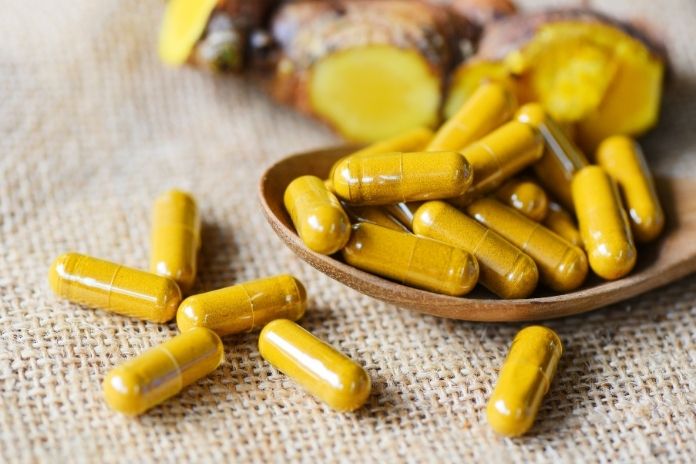
The type matters a lot for the result.
In cooking, using fresh or powdered ginger is a quick way to obtain the anti-inflammatory benefits of gingerol.
“We truly need more studies in turmeric and, more specifically, curcumin before either can be recommended as a therapeutic agent, but if you’re determined to use one or the other for arthritic pain, I would recommend preparations of curcumin – and in doses of less than 1,200 milligrams to minimize side effects,” says Dr Robert Ashley, MD, an internist and assistant professor of medicine at the University of California, Los Angeles.
For beginners, it is always safe to stick to food, as it is relatively easier to tolerate. Move to supplements only when consistency and a good formulation have been perfected.
Can You Take Ginger and Turmeric Together?
In many instances, yes, they work well together. Ginger can aid digestion and circulate blood throughout the body. This can contribute to turmeric’s overall effectiveness by enhancing its potency.
However, it’s not something that anyone can do. Consuming large dosages of both simultaneously could increase the risk of bleeding or cause gastrointestinal upset in certain individuals.
Who Should Be Careful With Ginger or Turmeric
People with these conditions should use ginger or turmeric with care. In case you:
- Take blood thinners.
- Suffer from gallbladder issues; turmeric can exacerbate these.
- Are pregnant, especially with supplement dosages.
- Have a highly sensitive gastrointestinal tract.
Typically, portion sizes are good, but consult with a healthcare professional before taking supplements.
How to Decide Between Ginger and Turmeric for Inflammation
If your inflammation appears in the gut, is temporary, or results from exercise, lean towards ginger. If it’s chronic, arthritic, or feels like it’s throughout your body, turmeric will be the better choice.
If your system supports both, use them in combination. Turmeric can be used for chronic inflammation regulation in the body, and ginger for the gut.
Key Takeaway: Ginger vs Turmeric Isn’t About Which Is “Better”
The reality is complex. They all work in distinct mechanisms, on distinct types of inflammation, at distinct timelines. The key here is consistency, not focusing on a higher dose. In fact, for most people, addressing natural, food-based anti-inflammatories first might be more practical than going head-on into higher doses.
Ginger and turmeric don’t compete; they help in their own ways in inflammation. The trick is knowing when to call upon each one.
References
- Ashley, R. D. (2018, October 18). Can turmeric reduce inflammation? UCLA Health
- International Journal of Advanced Research in Science, Communication and Technology. (2024). Ginger (Zingiber officinale) and turmeric (Curcuma longa): Anti-inflammatory properties [PDF].
- Hewlings, S. J., & Kalman, D. S. (2017). Curcumin: A review of its effects on human health. Foods, 6(10), 92.
- Black, C. D., Herring, M. P., Hurley, D. J., & O’Connor, P. J. (2010). Ginger (Zingiber officinale) reduces muscle pain caused by eccentric exercise. Journal of Pain, 11(9), 894–903.
- Zhou, X., Afzal, S., Wohlmuth, H., Münch, G., Leach, D., Low, M., & Li, C. G. (2022). Synergistic anti-inflammatory activity of ginger and turmeric extracts in inhibiting pro-inflammatory mediators. Molecules, 27(12), 3877.
- Li, Y., Li, J., Zhang, X., & Liu, Y. (2023). Anti-inflammatory properties of ginger bioactive compounds and their molecular mechanisms. Journal of Integrative Medicine, 21(5), 397–406.
In this Article