














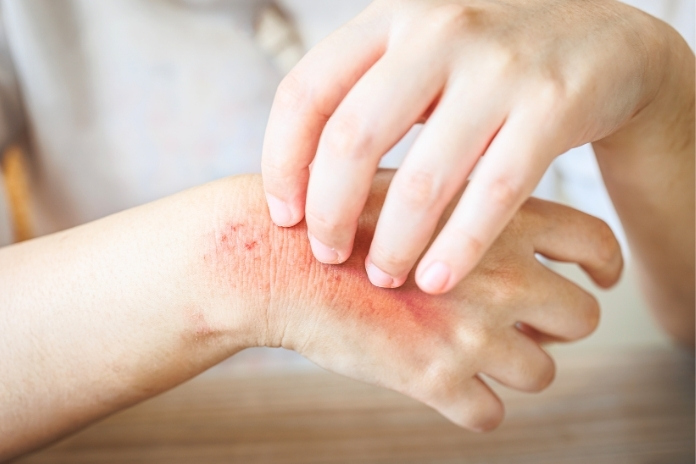
Introduction: Why Prevention Matters
Fungal skin infections are extremely common, yet many people live with ongoing itching, rashes, and irritation without realizing how preventable they are. These organisms thrive in warm, moist environments such as sweaty clothing, locker rooms, and skin folds, which is why daily hygiene and preventive habits matter.
Preventing fungal infections isn’t just about treating rashes, it’s about creating an environment where fungi struggle to grow. Simple, consistent habits like regular cleansing, moisture control, breathable fabrics, and supporting your immune system can significantly reduce flare-ups and discomfort.
Healthy skin acts as a natural barrier, while a strong immune system can often stop fungal overgrowth before symptoms appear. Nutrition, quality sleep, and stress management support this process from the inside out, complementing smart external care.
The good news is that antifungal hygiene habits are easy to build into everyday life. In this article, you’ll learn seven evidence-based strategies to help protect your skin, reduce the need for repeated treatments, and feel more confident and comfortable in your own skin.
Read More: Fungal Acne vs. Bacterial Acne: Spot the Difference and Treat Effectively
Habit 1: Keep Skin Clean and Completely Dry
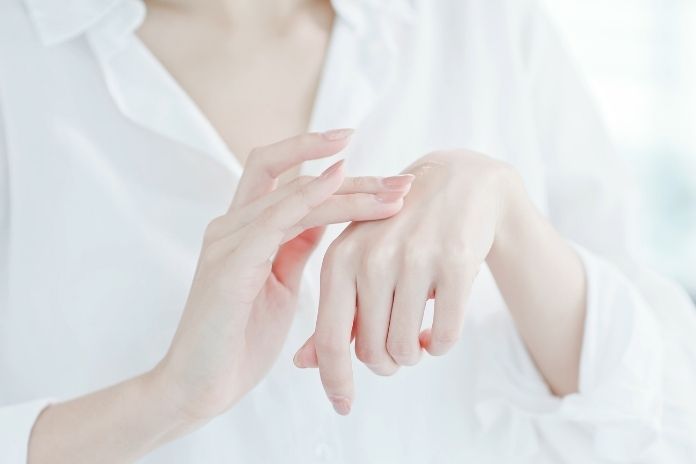
The cornerstone of preventing fungal infection is clean, dry skin. Fungi love warmth and moisture; therefore, sweat, damp clothes, and trapped humidity quickly raise your risk.
Give special attention to areas that tend to collect moisture: between the toes, in the groin, in the armpits, under the breasts, and in skin folds.
The gentle daily wash with mild soap, followed by thorough drying, goes a long way toward preventing fungal infections in everyday life.
After showering, try not to rub harshly with your towel; the friction can lead to small tears in the skin and irritation. Gently pat your skin dry, being most gentle on sensitive skin or places where folds occur.
Spend a little extra time between the toes or in skin creases that tend to hold water when drying. If you have an existing rash or infection, use a separate towel for those areas so the fungus does not spread to healthy skin.
Individuals who reside in hot or humid climates may benefit from a light, fragrance-free powder on areas of the body that tend to sweat. This helps with moisture control, making conditions less suitable for fungal growth.
These simple antifungal hygiene steps help to minimize the risk for athlete’s foot, jock itch, and ringworm with little added effort to your day. With time, flare-ups may be minimized, and irritation lowered.
Read More: Are Potato Skins Healthier Than the Potato Flesh? What the Research Really Shows
Habit 2: Wear Breathable Clothing and Footwear
What you wear every day makes a big difference in preventing skin fungus. Tight, synthetic clothing keeps heat and sweat close to your skin, the ideal environment for fungi to grow. Breathable, moisture-wicking fabrics help your sweat evaporate more quickly, keeping your skin cooler and drier. Here are some tips:
Choose the Right Fabrics: Tight, synthetic clothing traps heat and sweat, perfect conditions for fungus. Instead, opt for breathable, moisture-wicking fabrics that help sweat evaporate quickly. Cotton underwear, loose-fitting clothes, and quick-drying activewear work especially well in hot weather or during exercise.
Pick Better Footwear: Closed shoes made from non-breathing materials create warm, humid conditions that invite athlete’s foot. Look for shoes with mesh, fabric, or ventilated designs that allow airflow. Rotate your shoes so each pair dries completely between wears.
Don’t Forget Your Socks: Moisture-wicking socks pull sweat away from your skin and keep shoes drier. Change them after exercise or long days on your feet to prevent fungal infections around your toes and feet.
Habit 3: Practice Good Shower Hygiene
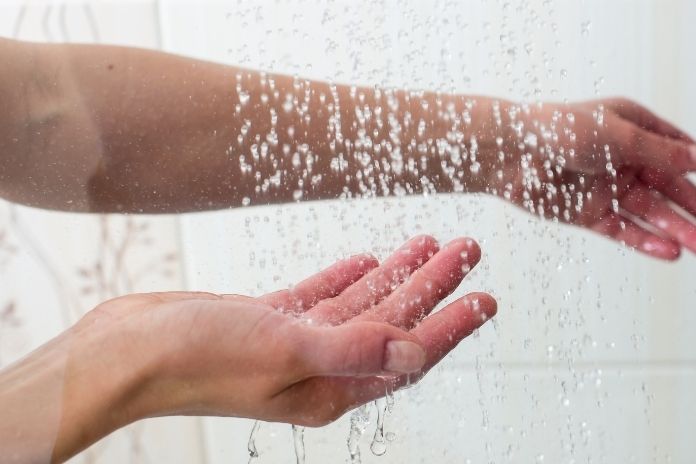
Good shower hygiene is one of the easiest ways to avoid fungal infections. Try to shower as soon as possible after workouts, sports, or other activities that leave you sweaty.
The longer sweat and moisture sit on your skin, the greater the opportunity fungi have to multiply. Rinsing off promptly and drying thoroughly fit naturally into a skin care routine focused on fungus prevention.
Avoid sharing towels, washcloths, loofahs, or razors, even with family members. These items can carry fungal spores from person to person and spread infection to other parts of the body.
Replace loofahs and sponges often since they can harbor moisture and bacteria deep within. If possible, use washcloths or silicone scrubbers that are easier to clean and dry faster.
After every bath or shower, hang towels and bathmats so they can fully dry. Rolled-up, damp fabrics set up a perfect environment for fungus and bacteria to grow.
Opt for quick-drying materials regarding bath accessories and wash them frequently in warm or hot water. These simple steps will grant strong support to fungal infection prevention without much extra trouble.
Read More: Daily Exercises To Transform Your Core Beliefs
Habit 4: Keep Your Home Environment Clean
Maintaining a clean home environment effectively prevents fungal infections by eliminating moisture and spores that thrive in damp areas. Proper ventilation and dehumidifiers in humid rooms further curb fungal proliferation by reducing excess moisture levels. Regularly emptying and disinfecting laundry baskets prevents spore accumulation from damp fabrics.
Keep Your Home Clean: Your home can either protect you from fungus or make infections come back. Wash towels, bedsheets, pillowcases, and gym clothes in hot water at least once a week or more often if you’re treating an active infection.
Use high temperatures and dry everything thoroughly before folding and storing to keep moisture away.
Focus on Moisture-Prone Areas: Bathrooms, laundry rooms, and other damp spaces need extra care. Clean shower floors, tiles, and drains regularly with suitable cleaners to reduce fungal growth.
Don’t forget laundry baskets that hold sweaty clothes or wet towels, they can also harbor spores.
Care for Shoes and Slippers: If foot infections keep returning, extend your cleaning routine to your footwear. Use disinfectant sprays or wipes inside shoes and sprinkle antifungal powder if recommended.
Always let them dry in a well-ventilated area instead of a closed cupboard where moisture can build up.
Read More: Beauty Sleep Hacks: 8 Tips for Glowing Skin and Restful Nights
Habit 5: Avoid walking barefoot in public places
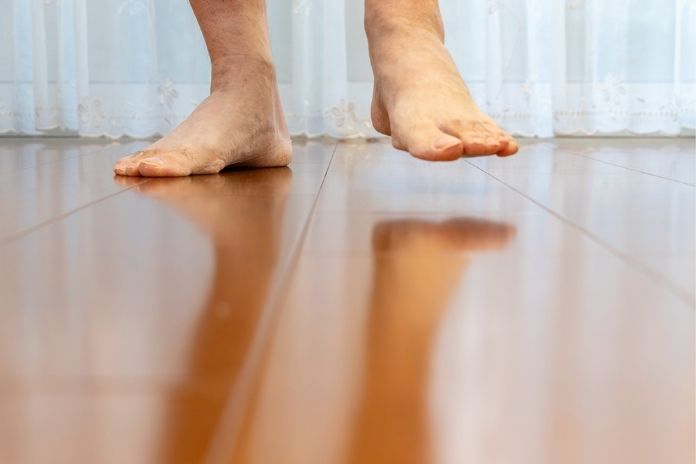
Public places where numerous people go barefoot are major risk zones for fungal infections. The floors in locker rooms, community pools, shared showers, and the changing areas of gyms are usually warm and damp, ideal places for fungi to survive on for extended periods.
When a person already infected with the fungus walks across them, they might leave behind microscopic spores. The next bare foot that steps on them could pick up the spores and develop athlete’s foot or ringworm.
Wearing flip-flops or waterproof sandals in such environments is a simple yet powerful tip for preventing skin fungus. This thin barrier stops your feet from making direct contact with potentially contaminated surfaces. Keep a dedicated pair of shower shoes in your gym or swim bag so you are never forced to go barefoot in shared spaces.
This single habit is one of the most effective ways to avoid and reduce recurring infections.
Always rinse your feet well after using public facilities, dry your feet carefully between the toes, and wear clean socks. If you are prone to infections, using an antifungal powder or spray can provide extra protection and help prevent fungal infections.
By wearing protective footwear with good hygiene, you greatly reduce your risk of either picking up or spreading fungal infections in public.
Habit 6: Support Your Skin Barrier and Immune System
Healthy skin does more than look good; it actively blocks germs, including fungi. When skin is dry, cracked, or otherwise compromised, it provides an easier point of entry for spores that can initiate infection.
Daily moisturizing with a mild, fragrance-free product helps repair and maintain this barrier. Pay careful attention to your hands, feet, and any areas that frequently feel tight, flaky, or irritated.
Your immune system works synergistically with the skin barrier to keep fungal growth in check. A diet rich in fruits, vegetables, whole grains, lean protein, and healthy fats supplies your immune system with the nutrients it needs.
Consistent, good-quality sleep and effective stress management support hormone balance and immune strength. Together, these lifestyle choices build immune health and help your body react quickly to early fungal overgrowth.
People with diabetes or prediabetes should be especially cautious, as high blood sugar can weaken immune responses and create an internal environment favorable to yeast and other fungi.
For this group, good blood sugar control and daily foot checks alongside timely attention to redness, scaling, or itching are crucial habits for avoiding fungal infections. Long-term protection and reduced complications are afforded by regular guidance from a healthcare professional.
Read More: Are Pore Strips Bad for Your Skin? Dermatologists Explain
Habit 7: Use Antifungals Proactively When Needed
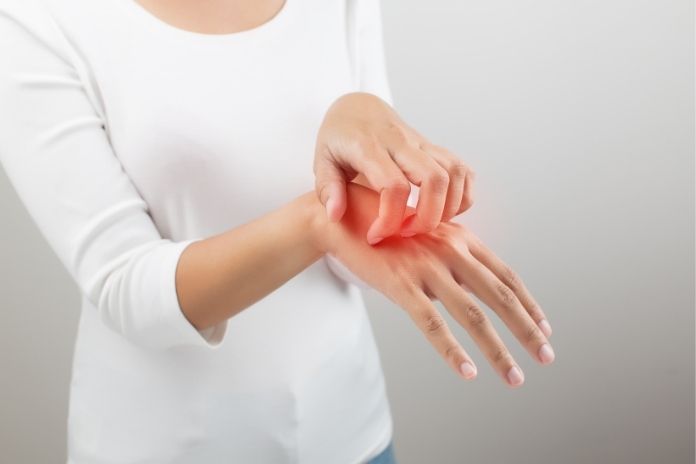
Unfortunately, despite good hygiene, fungal infections in high-risk areas often return. Targeted antifungal products can therefore be very useful for supporting this, particularly in areas prone to excessive sweating: the groin, under the breasts, and even inside shoes.
Powders and sprays for fungal control keep such areas dry and decrease the number of fungal spores on the skin. Used correctly, they fit into a broader approach to preventing fungal infections.
Apply antifungal powders or sprays only to clean, thoroughly dry skin, using them according to the label instructions. Pay particular attention to folds, toes, and areas that tend to stay moist or experience friction.
Dust or spray the inside of shoes. Let the shoes air-dry before putting them back on. The greater your physical activity, the more physically demanding your job, and the more humid your climate, the more valuable these antifungal hygiene measures are.
If you experience repeated infections related to sweat, a medicated antifungal wash recommended by your doctor may help reduce the fungal load on your skin. Remember, though, products are designed to support good habits, not replace them.
If symptoms do not improve or keep returning, it is important to seek medical advice for an assessment and personalised treatment.
It is prudent to use antifungal creams, powders, and sprays with caution and not on a long-term basis without supervision. Overuse of stronger medicated products may irritate your skin or mask deeper problems.
Be especially careful with creams that contain only topical steroids without antifungal ingredients. These may briefly reduce redness and itching, yet allow fungus to spread more deeply. When you’re in doubt, consult with a dermatologist or a qualified health professional.
Read More: Toilet Infections: Types, Symptoms, Prevention, and Treatment
Putting It All Together
It has more to do with a set of simple, sustainable habits than with a single product for preventing fungal infections. Keeping your skin clean and dry, wearing breathable clothes, being smart about shower and home hygiene, protecting your feet in public areas, and taking good care of your skin barrier and immune system all provide solid natural defenses against fungal infections.
Carefully selected antifungal products can offer an extra line of defense when needed, not replacing but supplementing the basic measures. You will get closer to maintaining healthy, comfortable skin each day if you are consistent and aware.
References
- Almaguer, M., Medina, N., & Alastruey-Izquierdo, A. (2022). Climate change, fungi and fungal infections: Back to the future. Current Research in Environmental Sustainability, 4, 100138.
- Agbadamashi, D. J., & Price, C. L. (2025). Novel strategies for preventing fungal infections—Outline. Pathogens, 14(2), 126.
- Brandt, M. E., & Park, B. J. (2013). Think fungus—Prevention and control of fungal infections. Emerging Infectious Diseases, 19(10), 1688–1689.
- Pagano, L., & Marín Fernández, O. (2025). Clinical aspects and recent advances in fungal diseases impacting human health. Journal of Antimicrobial Chemotherapy, 80(Suppl. 1), i2–i8.
- Agbadamashi, D. J., & Price, C. L. (2025). Novel strategies for preventing fungal infections—Outline. Pathogens, 14(2), 126.
- Park Hospital. (n.d.). How to treat and prevent fungal infections of the skin.
- Athena Skin & Laser. (n.d.). How hygiene routine can prevent fungal infections.
- Gnat, S., Łagowski, D., & Nowakiewicz, A. (2024). Climate change and fungal skin infections: Emerging challenges. Frontiers in Fungal Biology, 4, 1338726.
- Kokilaben Dhirubhai Ambani Hospital. (n.d.). How to protect your skin from fungal infections.
- MedShadow Foundation. (n.d.). 6 lifestyle tips to prevent fungal skin infections.
- Rodrigues, M. L., & Nosanchuk, J. D. (2023). Advances in antifungal therapy: New drugs and strategies. Expert Review of Anti-infective Therapy, 21(1), 1–12.
- Bupa UK. (n.d.). Fungal skin infections.
- Bongomin, F., et al. (2023). Global and multi-country burden of fungal infections. Journal of Fungi, 9(6), 602.
- Zhang, H., et al. (2025). Environmental determinants of superficial fungal infections: A global analysis. Scientific Reports, 15, Article 98919-8.
- Healthline. (n.d.). Fungal skin infection: Types, symptoms, and treatment.
- Rao, G. R., & Pai, G. S. (2025). Clinical profile of superficial fungal infections. Scholars Journal of Applied Medical Sciences, 13(1), 13–19.
- Murdock, B. J., & Feldmesser, M. (2020). A synopsis of the immunology of fungal infections. Annual Review of Immunology, 38, 425–454.
- SA Health. (n.d.). Fungal infection.
- Citizens Hospitals. (n.d.). Fungal infections: Causes, symptoms, types and treatment options.
- Almaguer, M., Medina, N., & Alastruey-Izquierdo, A. (2023). Environmental changes and superficial fungal infections: A global perspective. Science of The Total Environment, 859, 160000.
In this Article