











If your mornings feel rushed but your gut feels… stuck, you’re not alone. Constipation affects millions of adults, and for many, the problem shows up first thing in the morning when nothing happens. Here’s the thing. Morning is actually when your digestive system is most ready to go. After you wake up, your colon becomes more active thanks to the gastrocolic reflex.
This is a normal biological response where eating triggers movement in the large intestine. What you choose for breakfast can either support that reflex or shut it down. That’s why choosing breakfast foods that make you poop matters. Certain foods stimulate digestion, soften stool, hydrate the intestines, and support gut bacteria. Others slow things down.
This article breaks down foods that help you poop in the morning, explains why they work, and shows you how to build a gut-friendly breakfast that supports regular, comfortable bowel movements without relying on laxatives.
How Breakfast Foods Trigger a Bowel Movement
A morning bowel movement isn’t random or accidental. It’s the result of several digestion mechanisms working together, many of which are most responsive right after you wake up. Breakfast acts as the signal that tells your gut it’s time to move.
Let’s break down how specific breakfast components support this process.
- Fiber adds bulk and softness: Insoluble fiber adds bulk that triggers colon movement, while soluble fiber absorbs water to soften stool. Fiber-rich breakfasts like oats, berries, and seeds are linked to lower constipation rates, according to Harvard Health.
- Water-rich foods hydrate the intestines: Fiber needs fluid to work. Fruits, smoothies, yogurt, and cooked grains add moisture, helping stool move more easily and reducing strain.
- Healthy fats lubricate the digestive tract: Healthy fats stimulate bile release, which supports stool movement. Very low-fat diets are often linked to sluggish digestion.
- Warm foods and drinks activate gut motility: Warm coffee, tea, or oatmeal triggers the gastrocolic reflex, prompting the colon to contract. This effect isn’t just from caffeine.
- Probiotics support bowel regularity: Probiotic foods like yogurt and kefir help balance gut bacteria, improving stool consistency and predictability over time.
What this really means is that breakfast isn’t just fuel for the day. It’s a daily opportunity to train your digestive system to function smoothly, consistently, and on schedule.
As Dr. Kyle Staller, a gastroenterologist and director of the Gastrointestinal Motility Laboratory at Massachusetts General Hospital and assistant professor at Harvard Medical School, explains, regular bowel movements are influenced by a mix of factors like fiber intake, hydration, and the way your digestive system responds to food.
His research and clinical focus on gut motility and chronic constipation underscore why components of breakfast, fiber-rich foods, adequate fluids, and gut-stimulating meals can help prompt bowel activity through natural digestive reflexes.
The Best Breakfast Foods That Make You Poop
Below are the most effective, evidence-backed foods for morning bowel movements. These aren’t trends or social media hacks. They’re everyday foods supported by digestive physiology, clinical research, and real-world dietary practice. Each option works slightly differently, which is why combining a few often delivers the best results.
Oatmeal
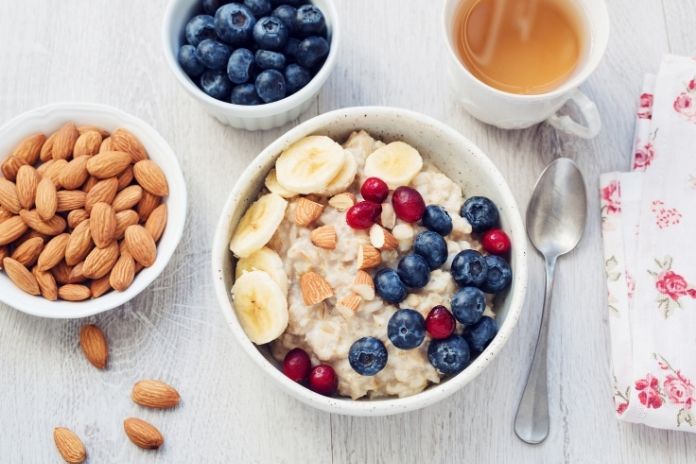
Oatmeal is one of the most reliable high-fiber breakfast foods for constipation and digestive regularity.
It contains both soluble and insoluble fiber. Soluble fiber absorbs water and forms a soft, gel-like texture that helps stools stay hydrated. Insoluble fiber adds bulk, which stretches the colon and signals it to contract and move waste forward.
Oats are also rich in beta-glucan, a soluble fiber shown to support gut bacteria and improve stool consistency. A review in Nutrients found that β-glucan, a soluble fiber in oats and barley, supports digestive regularity by increasing intestinal viscosity and speeding up colonic transit, without the excess gas or discomfort that can accompany other fibers. This makes it useful for people with sensitive digestion.
How to optimize oatmeal for digestion:
- Choose plain rolled or steel-cut oats over instant varieties.
- Cook with water or milk for added hydration.
- Top with berries, chia seeds, or ground flaxseed to increase fiber and water retention.
Chia Seeds
Chia seeds punch far above their size when it comes to digestive support. Just two tablespoons provide nearly 10 grams of fiber. When mixed with liquid, chia seeds absorb several times their weight in water and form a gel that helps stool move smoothly through the intestines.
Registered dietitian and nutrition expert Dr. Lisa Young, PhD, RDN, points out that chia seeds are rich in fiber and incredibly absorbent. When soaked, they form a gel-like texture that supports digestive regularity and helps stool move smoothly through the gut. This gel effect is part of why they’re often recommended as a gentle way to support bowel movements when paired with plenty of water.
Best ways to use chia seeds:
- Stir into overnight oats or yogurt.
- Blend into smoothies.
- Let them soak in liquid before eating to reduce bloating.
If you’re new to chia, start with one tablespoon daily and increase gradually.
Flaxseeds
Flaxseeds are a classic natural laxative food, and the science supports their reputation. They contain soluble fiber, insoluble fiber, and omega-3 fatty acids. This combination softens stool, supports lubrication, and stimulates intestinal contractions.
In a randomized study published in Nutrition & Metabolism, adults with chronic constipation consumed 10 g of flaxseed daily for 12 weeks and saw significant improvements in constipation symptoms, including stool consistency and bowel movement reports, compared with a placebo.
How to get the most benefit:
- Use ground flaxseed, not whole.
- Add one tablespoon to oatmeal, smoothies, or yogurt.
- Drink adequate fluids alongside flax to prevent bloating.
Greek Yogurt or Kefir
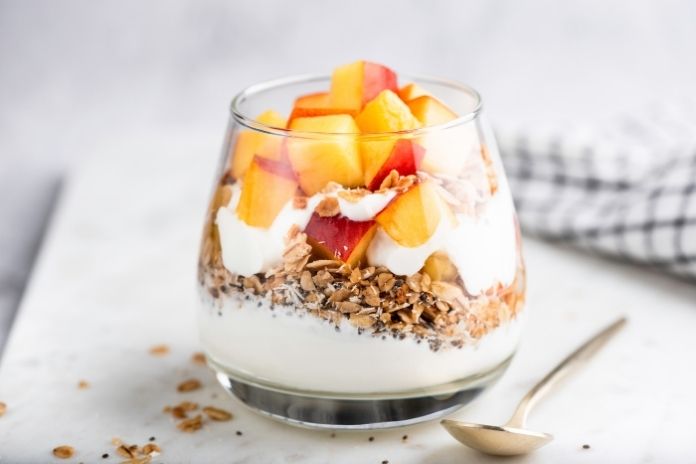
If constipation is linked to gut imbalance, probiotics play a key role. Greek yogurt and kefir contain live bacterial cultures that support gut motility and stool consistency. Multiple analyses found that probiotic products containing Lactobacillus and Bifidobacterium species increased stool frequency and improved gut transit time in adults with constipation.
Choose wisely:
- Opt for unsweetened varieties.
- Look for live and active cultures.
- Pair with fiber-rich fruit for a stronger effect.
Coffee or Warm Tea
Coffee is famous for making people poop, and it’s not just the caffeine.
A classic study published in Gut found that both regular and decaffeinated coffee stimulate colonic motor activity within minutes of ingestion, increasing the number of propagated contractions in the colon compared with water, evidence that coffee triggers a gastrocolic response independent of caffeine.
Tea works similarly, especially warm herbal or green tea. While the effect is gentler than coffee, it still supports gut motility and hydration.
Helpful tips:
- Drink coffee or tea after eating, not on an empty stomach.
- Try half-caf or decaf if caffeine causes jitters.
- Pair with a fiber-rich breakfast for consistency.
Read More: Do You Need to Poop After Coffee? Here’s What It Means
Prunes or Prune Juice
Prunes are one of the most researched constipation relief foods. They contain fiber and sorbitol, a naturally occurring sugar alcohol that draws water into the colon. This combination makes prunes particularly effective for slow transit constipation.
A randomized clinical trial published in Alimentary Pharmacology & Therapeutics compared dried plums (prunes) with psyllium in adults with chronic constipation and found that prunes significantly improved the number of complete spontaneous bowel movements per week and stool consistency more than psyllium did.
How much is enough:
- Two to four whole prunes.
- Or a small glass of prune juice.
- Best consumed with breakfast rather than alone.
Berries
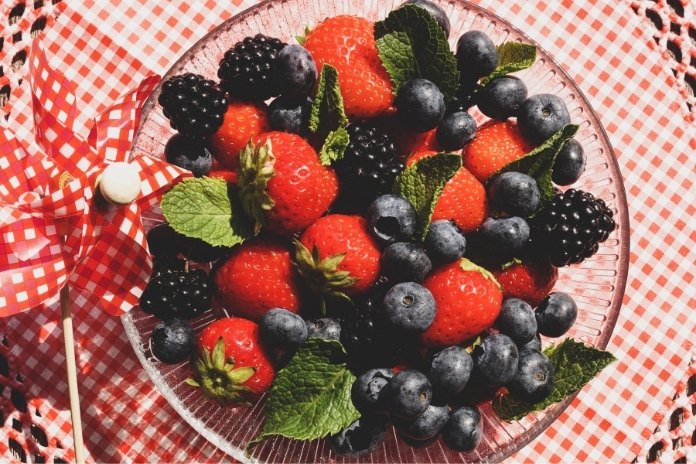
Berries are fiber-rich, water-dense, and easy on the gut. Raspberries stand out with about 8 grams of fiber per cup, while blueberries and blackberries provide a mix of soluble and insoluble fiber. Berries also contain polyphenols that support gut bacteria diversity.
Harvard Health reports that diets rich in berries are associated with improved digestive health and lower inflammation, both of which support regular bowel movements.
Easy ways to add berries:
- Stir into oatmeal or yogurt.
- Blend into smoothies.
- Eat fresh alongside toast or eggs.
Read More: Do Blueberries Make You Poop? Benefits And Causes
Apples and Pears
Apples and pears contain pectin, a soluble fiber that helps soften stool and regulate bowel movements. Pears also contain sorbitol, giving them a gentle natural laxative effect. Eating the fruit whole, with the skin intact, provides the most fiber.
According to Mayo Clinic, eating plenty of fiber-rich foods such as fruits helps increase the weight and size of stool and softens it, making it easier to pass and reducing the chances of hard, dry stools, a key benefit for people who struggle with constipation.
Best practice:
- Eat raw or lightly cooked.
- Pair with protein or fat to reduce bloating.
- Drink water alongside for the best results.
Avocado Toast
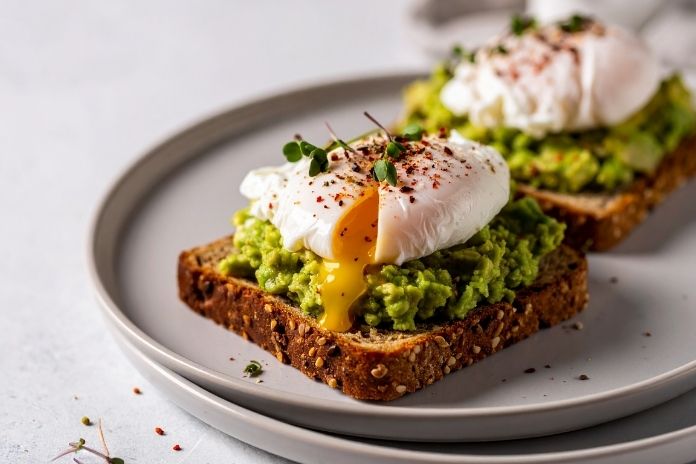
Avocados combine fiber and healthy fats, making them ideal for digestion. One medium avocado contains about 10 grams of fiber. The fats stimulate bile flow, which helps lubricate the digestive tract and support stool movement.
When paired with whole-grain toast, avocado becomes a balanced gut-friendly breakfast that promotes regular bowel movements without blood sugar spikes.
Upgrade ideas:
- Add leafy greens or tomato slices.
- Use whole-grain or sprouted bread.
- Sprinkle flax or chia seeds on top.
Smoothies
Smoothies are one of the easiest ways to build a fiber-rich breakfast, especially for people who struggle with whole fruits or vegetables. They allow you to combine fiber, fluids, probiotics, and healthy fats in a form that’s easy to digest and hydrates the gut.
A constipation-friendly smoothie includes:
- Berries
- Spinach or kale
- Chia or ground flaxseed
- Greek yogurt or kefir
- Water or unsweetened almond milk
Hydration plus fiber equals movement.
Whole-Grain Toast
Whole grains provide insoluble fiber that speeds up intestinal transit. Unlike white bread, whole-grain toast retains the bran and germ, which help move stool through the intestines more efficiently.
Best toppings for digestion:
- Avocado
- Nut butter
- Eggs
- Sautéed greens
Leafy Greens
Spinach, kale, and other leafy greens are rich in fiber and magnesium. Magnesium helps relax intestinal muscles, making bowel movements easier and less strained. Low magnesium intake has been linked to chronic constipation. Leafy greens are versatile and easy to include in breakfast.
Simple ways to eat them:
- Add to omelets.
- Blend into smoothies.
- Sauté lightly as a breakfast side.
When you combine fiber, hydration, healthy fats, warmth, and probiotics at breakfast, you’re not forcing a bowel movement. You’re working with your body’s natural digestive rhythm. That’s what leads to consistent, comfortable mornings over time.
What to Eat Together for Maximum Effect
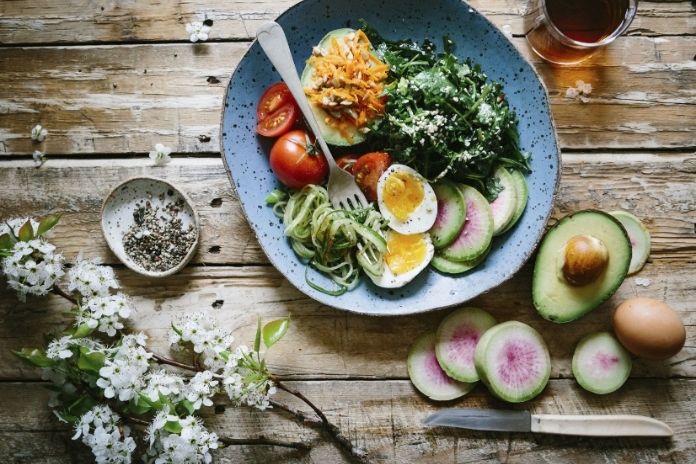
Individual foods absolutely help, but digestion rarely works in isolation. The gut responds best when multiple mechanisms are activated at the same time. That’s why strategic food combinations are far more effective than relying on a single “constipation-fixing” ingredient.
The goal is simple. Each breakfast should include at least two or three of the following:
- Fiber for bulk.
- Fluids for hydration.
- Healthy fats for lubrication.
- Warmth to activate gut motility.
- Probiotics to support consistency over time.
When these elements show up together, bowel movements tend to become more predictable and comfortable.
High-fiber + hydration + healthy fats
This combination softens stool while encouraging movement through the colon.
Example: Oatmeal with berries, chia seeds, and flaxseed
- Oatmeal provides soluble and insoluble fiber.
- Berries add water and additional fiber.
- Chia and flax absorb fluid and help the stool slide through more easily.
This type of breakfast is especially effective for people dealing with hard or infrequent stools.
Probiotics + fruit-based fiber
This pairing supports both immediate digestion and long-term gut balance.
Example: Greek yogurt with pears and ground flax
- Yogurt introduces beneficial bacteria.
- Pears supply pectin and sorbitol to soften stool.
- Flax adds gentle laxative support and healthy fats.
Over time, this combo helps normalize bowel habits rather than triggering urgency.
Fiber + fats + warmth
Warmth activates the gastrocolic reflex, while fiber and fats support stool movement.
Example: Avocado toast with spinach and a warm drink
- Whole-grain toast and spinach provide fiber and magnesium.
- Avocado supplies healthy fats that stimulate bile flow.
- Coffee, tea, or warm water helps wake up the gut.
This option works well for people who feel the urge to go shortly after eating.
Smooth, blended combinations for sensitive digestion
For those who feel bloated or uncomfortable with whole foods, blending can help.
Example: A smoothie with berries, leafy greens, chia or flax, yogurt, and water
- Blending reduces mechanical stress on digestion.
- Liquids improve hydration.
- Fiber and probiotics work together gently.
This approach is ideal during travel, stress, or digestive flare-ups.
Why consistency matters more than perfection
One high-fiber breakfast won’t fix chronic constipation. The gut responds to patterns.
Eating similar gut-supportive breakfasts daily helps train the colon to move at predictable times. Over days and weeks, this consistency strengthens the gastrocolic reflex and improves stool regularity without forcing the process.
You don’t need to rotate endlessly or chase “superfoods.” Pick two or three combinations that work for you and stick with them. That’s how digestion becomes reliable instead of frustrating.
Read More: 24 Foods to Make You Poop and Prevent Constipation
Breakfast Foods That Can Worsen Constipation
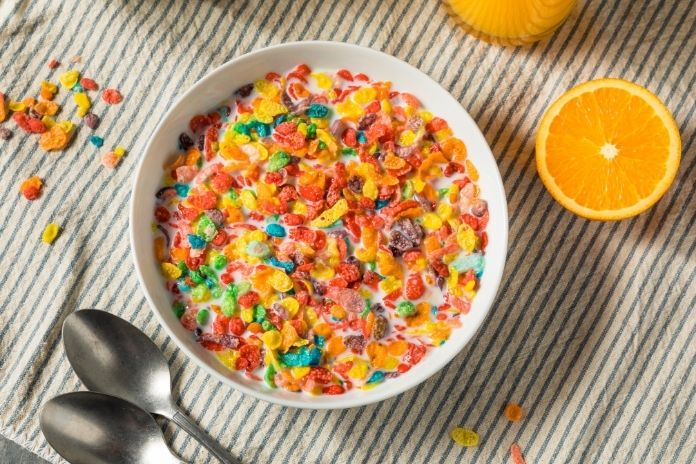
Not all breakfast foods support healthy digestion. Some common morning choices can slow gut motility, dry out stool, and interfere with the body’s natural bowel rhythm. When constipation keeps coming back, these foods are often playing a quiet but consistent role, especially when they replace fiber-rich, whole-food options.
Breakfast foods that may worsen constipation include:
- Refined grains and pastries: White bread, croissants, muffins, and similar refined-grain foods are low in fiber because the bran and germ are removed during processing. Without fiber to add bulk, the colon receives less stimulation, which can slow bowel movements and lead to harder stools.
- Sugary cereals: Many boxed cereals contain minimal fiber and high amounts of added sugar. Excess sugar can disrupt gut bacteria and pull water into the small intestine instead of the colon, leaving stool drier. These cereals also lack the protein and fats needed for steady digestion.
- Large amounts of cheese: Cheese is low in fiber and high in saturated fat. While some fat supports digestion, large amounts without fiber can slow intestinal movement. In people sensitive to dairy or lactose, cheese may also contribute to bloating and firmer stools.
- Processed meats: Bacon, sausage, and deli-style meats are low in fiber and high in sodium and preservatives. Excess sodium can shift fluids away from the stool, making it harder to pass. Over time, these foods may also increase gut inflammation and impair normal motility.
- Skipping breakfast entirely: Skipping breakfast eliminates one of the strongest natural triggers for a bowel movement. The gastrocolic reflex depends on food intake to stimulate colon contractions. Without that signal, stool stays in the colon longer, allowing more water to be absorbed and increasing the risk.
Johns Hopkins Medicine notes that choosing whole, fiber-rich foods supports healthy digestion, and that processed foods often contain added sugar, fat, and salt and have lost many of their original nutrients, meaning a diet high in processed, low-fiber foods can undermine digestive health and contribute to constipation.
How Long Before These Foods Work?
The timeline for digestive improvement varies from person to person, and understanding what to expect can prevent frustration.
- Immediate effects: Some breakfast choices stimulate bowel movements quickly. Warm foods and beverages, especially coffee or tea, can activate the gastrocolic reflex within 15 to 30 minutes. For many people, this creates a reliable morning urge to go.
- Short-term changes: Fiber-rich meals often take longer to show results. As fiber increases stool bulk and water retention, the colon needs time to adjust. Mild improvements may appear within 24 to 48 hours.
- Longer-term consistency: For lasting regularity, consistency matters more than speed. Most fiber-based improvements become noticeable after two to three days of regular intake. Over time, the colon adapts by increasing muscular contractions and improving stool transit.
What this means is simple. If you want reliable digestion, focus less on quick fixes and more on daily habits. When supportive breakfast foods become routine, bowel movements tend to follow naturally.
Conclusion
Constipation isn’t just about cutting foods out. It’s about what you consistently include, day after day, in a way your body understands and responds to. Digestion thrives on patterns, not extremes. The right breakfast foods that make you poop work with your body’s natural rhythms instead of fighting them. Fiber adds bulk and gives the colon something to push against. Water softens stool so it can move without strain.
Healthy fats help lubricate the digestive tract and support bile flow. Warm foods and drinks activate the gastrocolic reflex, signaling the gut that it’s time to go. Probiotics support balance behind the scenes, helping regulate stool consistency and frequency over time.
This isn’t about forcing a bowel movement or chasing quick fixes. You don’t need extreme cleanses, detox teas, or supplement stacks. Those often create urgency without improving long-term gut function. What actually works is a smart, intentional breakfast built around whole foods that support digestion every morning.
When these choices become routine, the gut learns the pattern. Bowel movements become more predictable, less uncomfortable, and far less stressful. Over time, what once felt like a daily struggle turns into something simple, regular, and almost automatic.
References
- EatingWell. (n.d.). Breakfast foods to help you poop. EatingWell.
- Johns Hopkins Medicine. (n.d.). Foods for constipation.
- Health. (2023, July 7). Breakfast foods to help you poop: Oatmeal and more.
- MedlinePlus. (n.d.). Constipation: Patient instructions. U.S. National Library of Medicine.
- National Institute of Diabetes and Digestive and Kidney Diseases. (n.d.). Eating, diet, and nutrition for children with constipation.
- GoodRx. (2023, March 10). Why do I have to poop right after I eat?
- Cleveland Clinic. (2022, June 15). Gastrocolic reflex: Why eating triggers bowel movements.
- HealthyFood.com. (n.d.). Why do I poo in the morning? A gut expert explains.
- Times of India. (2023, April 10). Harvard gastroenterologist warns: 7 breakfast habits harming your gut every morning.
- HealthShots. (2023, January 5). Breakfast recipes to help you poop.
- GoodRx. (2023, February 2). Foods that make you poop: Help with constipation.
In this Article