














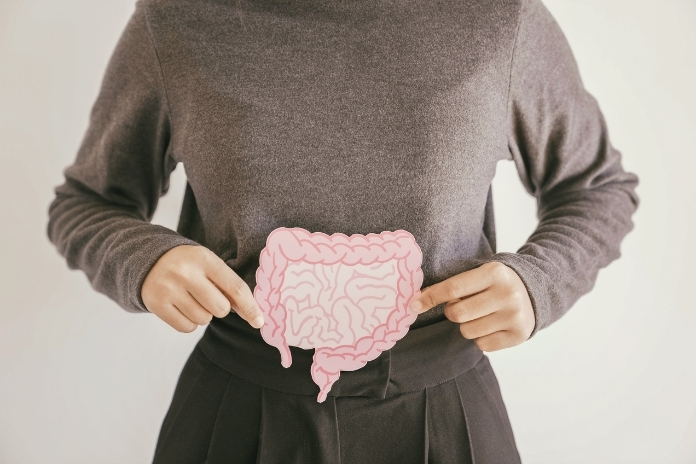
When the belly feels swollen, tight, heavy, or uncomfortable, most of us directly blame what we ate. Dairy, gluten, sugar, or “something that didn’t agree with me” all become default explanations. While food may be the cause in some cases, this narrow focus often hides the real issue.
In fact, most underlying causes of inflammation in the belly have little or nothing to do with diet.
Stress hormones, sleep disruption, breathing patterns, medications, hormonal changes, infections, and fluid regulation problems are common reasons for abdominal inflammation unrelated to food. This is why many people feel inflamed while fasting, eating light, or on restrictive diets.
Understanding these causes of inflammation in the belly is important, not for relieving symptoms, but for preventing chronic inflammation that gradually impacts digestion, metabolism, and overall health.
Read More: Is Inflammation the Root of All Chronic Diseases? What You Should Know
What Belly Inflammation Actually Means: Inflammation vs. Bloating
While often used interchangeably, bloating and inflammation are biologically different.
Bloating is physical distension caused by gas accumulation, slowed bowel movements, or temporary fluid shifts. It typically varies throughout the day and may resolve with bowel movements or movement.
Inflammation is a response from the immune system. It consists of the release of cytokines, increased blood vessel permeability, tissue irritation, and fluid leakage into surrounding tissues. When this process affects the digestive tract or abdominal cavity, it results in persistent swelling, pressure, or tightness. This feeling is often described as “feeling inflamed” rather than gassy.
The abdomen is particularly vulnerable because it:
- Contains immune-rich gut tissue.
- Responds quickly to stress hormones.
- Is influenced by sex hormones.
- Is regulated by the nervous system.
When inflammation becomes chronic, you may experience a few symptoms. This can be daily distension of the abdomen, constipation, discomfort, and a swollen belly despite following a diet.
Unseen Reasons for Belly Inflammation That Have Nothing to Do With Food
1. Chronic Stress & High Cortisol (“Stress Belly”)

Chronic stress is among the most powerful yet underestimated causes of belly inflammation.
High levels of cortisol:
- Slows stomach emptying.
- Reduces intestinal motility.
- Increased gut permeability.
- Promotes visceral fat storage.
Over time, this leads to the classic cortisol belly, where inflammation and fat accumulate around the abdomen, even without overeating. Because cortisol suppresses digestion, inflammation can flare without eating, making this a key example of inflammation without eating.
2. Poor Sleep or Irregular Sleep Patterns

Sleep deprivation promotes systemic inflammation. Even short-term sleep loss disrupts levels of inflammatory markers, including CRP and IL-6.
Here’s how poor sleep affects digestion:
- Disrupts gut motility.
- Changes glucose metabolism.
- Impairs fluid balance.
- Stimulates sympathetic nervous system activity.
This brings about morning belly puffiness, daytime swelling, and worse digestive inflammation triggers, irrespective of the diet.
3. Hormonal Imbalances: Estrogen, Progesterone, and Thyroid

Hormonal belly inflammation is most common, especially among women.
- Estrogen dominance increases fluid retention and vascular permeability.
- Low progesterone slows digestion and promotes constipation.
- A deficiency of thyroid hormone reduces metabolic rate and gut motility.
These factors affect abdominal swelling, which often worsens during PMS, perimenopause, menopause, or thyroid dysfunction. This abdominal inflammation is unrelated to food and fluctuates with hormonal cycles.
4. Chronic Stress Breathing (Shallow Breathing)

Shallow chest breathing maintains the nervous system in a stressed-dominant state.
Limited diaphragmatic movement:
- Reduces intestinal massage.
- Traps swallowed air.
- Encourages abdominal muscle protection.
- Disrupts vagus nerve signaling.
Since the diaphragm is directly connected with gut motility, limited breathing results in non-food-related bloating and continuous tightness of the abdomen.
5. Sedentary Lifestyle & Weak Core Muscles

Movement is essential for proper digestion. Prolonged sitting:
- Slows intestinal transit
- Increases gas retention
- Compresses abdominal organs
Weak core muscles do not support the abdominal cavity properly, thus allowing internal pressure to build. It often leads to evening belly bloating, non-food causes, mainly among desk-bound people.
6. Dehydration: Fluid Retention Paradox

Dehydration can cause water retention. If fluid intake is poor:
- The body retains water.
- Electrolyte imbalance impairs muscle contraction.
- Bowel movements slow
Belly inflammation appears food-related but is actually driven by a fluid imbalance and digestive inflammatory triggers.
Read More: 6 Everyday Household Items That May Be Triggering Inflammation (and What to Do Instead)
7. Medications That Cause Belly Inflammation

Several medications commonly contribute to abdominal inflammation not due to food:
- Antidepressants slow gut motility.
- Steroids encourage water retention.
- Hormonal contraceptives impact estrogen balance.
- NSAIDs irritate the gut lining
- Antibiotics disrupt gut bacteria.
These effects help explain why belly inflammation may start or get worse after medication changes, with no changes in diet.
8. Low-Grade, Lingering Viral or Bacterial Infections
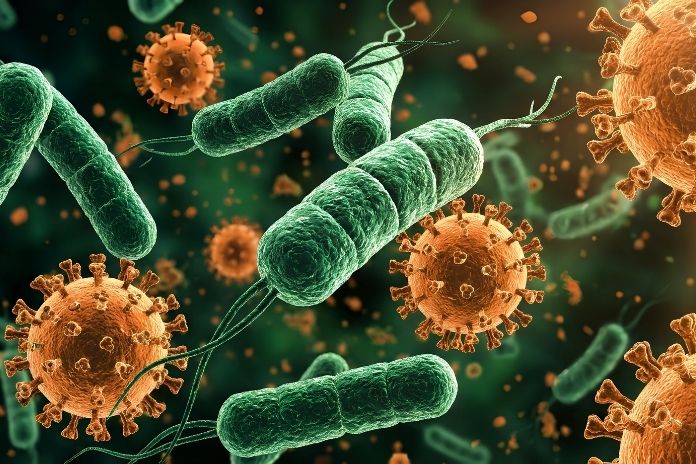
Infections can result in residual gut inflammation even after symptoms resolve.
Post-viral effects may include:
- Changed nerve signalling
- Slowed motility
- Increased gut permeability
Persistent bloating might not always happen due to food, but can be a result of the flu, COVID, or gastrointestinal infections.
9. Gut Microbiome Imbalance: Not Caused By Food Alone
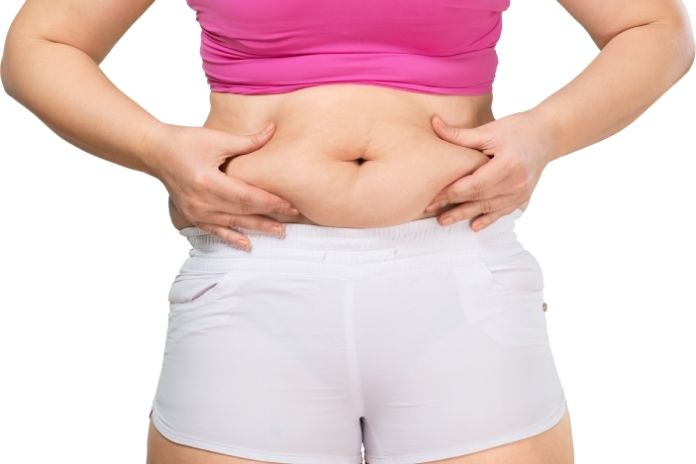
While diet matters, gut bacteria are shaped by stress, sleep, illness, and medications, too.
Microbiome disruption results in:
- Excess Gas Production.
- Immune activation.
- Reduced digestive efficiency.
These are causes of ongoing abdominal swelling that do not respond to food elimination alone.
10. Fluid Retention Due To High Sodium In Nonfood Sources

An inflamed belly could be a result of fluid retention due to high sodium in non-food items.
Hidden sources of sodium include:
- Medications
- Supplements
- Sports drinks
- IV fluids
Hormonal fluctuations amplify sodium sensitivity, making this a subtle but significant cause of belly inflammation.
When Belly Inflammation Is a Sign of a Health Condition

Not all abdominal swelling is functional or lifestyle-related. Sometimes, belly inflammation may indicate an underlying condition that necessitates medical evaluation.
1. IBS, SIBO, or Slow Gut Motility
These conditions of Irritable Bowel Syndrome and SIBO are due more to nervous system dysregulation than food intolerance.
Triggers often involve:
- Chronic stress
- Past infections
- Medications
- Hormonal changes
This is why symptoms are so unpredictable, and food elimination alone often does not work.
2. PCOS or Endometriosis
Both polycystic ovary syndrome and endometriosis involve inflammatory hormonal conditions.
Abdominal swelling in these conditions is driven by:
- Estrogen Imbalance
- Inflammatory factors
- Fluid retention
- Pelvic congestion
Importantly, inflammation typically worsens independently of meals.
3. Hypothyroidism
In Hypothyroidism, the reduced thyroid hormone slows metabolism and gut motility.
This leads to:
- Constipation
- Gas retention
- Fluid accumulation
- Persistent abdominal swelling
Symptoms usually improve only when thyroid levels are well managed.
4. Liver or Kidney Problems (Rare but Important)
Less commonly, progressive abdominal distension reflects ascites accumulation of fluid resulting from either liver or renal failure. This swelling is usually persistent, progressive, and unrelated to meals.
Hidden Lifestyle Triggers People Overlook
Even without disease, everyday habits can silently drive belly bloating for non-food causes.
- Wearing Tight Clothes: Limits diaphragm movement, compresses organs, and increases inflammation from pressure.
- 2 Holding in Gas or Delaying Bowel Movements: Increases intestinal pressure and enhances inflammatory signaling.
- Inadequate Fiber: Low intake of fiber slows down transit and worsens digestive inflammation triggers.
- Drinking Carbonated Beverages During Stress: Increases swallowed air and abdominal distension.
- Continuously Tightening Abdominal Muscles: Keeps muscles chronically tight, interfering with gut–brain communication and making inflammation worse.
Read More: Best Anti-Inflammatory Foods To Counter Inflammation
How to Reduce Belly Inflammation: Non-Food Strategies
Reducing belly inflammation, which is not food-related, can be easy if you follow certain tips. True relief comes through dealing with root causes:
- Deep breathing restores diaphragmatic movement.
- Stress regulation reduces cortisol-driven inflammation.
- Consistent sleep reduces inflammatory markers.
- Gentle post-meal walking improves motility.
- Proper hydration prevents fluid retention.
- Medication review identifies hidden triggers.
When to See a Doctor – Red Flags
Belly inflammation can be a result of several factors. However, seek medical attention if you have:
- Persistent swelling lasting weeks
- Severe and sharp abdominal pain
- Unexplained weight loss
- Fever or vomiting
- Blood in stool
- Significant menstrual change
- Progressive or worsening swelling
Conclusion
Belly inflammation is not always about food, and often isn’t. By uncovering the hidden belly inflammation, you transcend managing symptoms and go right to the mechanisms driving discomfort.
When stress, sleep, hormones, breathing, movement, hydration, and medications are addressed, the inflammation in the abdomen typically improves without requiring extreme dietary restrictions.
References
- EatingWell. (n.d.). Sneaky reasons for bloating
- Genesis Fertility. (n.d.). PCOS vs. endometriosis: Differences, symptoms, and treatment
- Keszthelyi, D., Troost, F. J., & Masclee, A. A. M. (2021). Understanding the role of neurotransmitters in irritable bowel syndrome. Frontiers in Neuroscience, 15, Article 8347293
- PainFlame. (n.d.). Weak core muscles and navel displacement: Causes and solutions
- Institute for Quality and Efficiency in Health Care. (n.d.). In brief: What is inflammation? In InformedHealth.org. National Library of Medicine
- Frank-Raue, K., & Raue, F. (2023). Thyroid dysfunction in peri- and postmenopausal women: Cardiovascular risk and other outcomes. Frontiers in Endocrinology, 14, Article 1039837
In this Article