













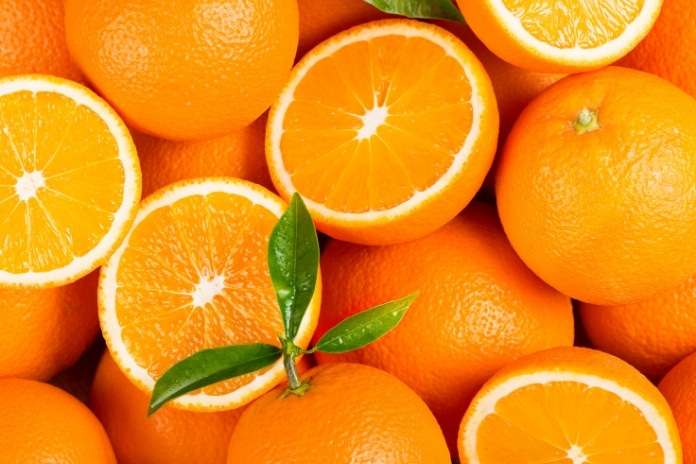
Most of us eat oranges for the juicy, refreshing sweetness of the flesh, or we squeeze them for a bright glass of vitamin C–rich juice.
In the process, the white spongy layer that clings between peel and segments, the pith, or albedo, usually gets scraped off and tossed. It’s easy to see why: it tastes bitter, feels fibrous, and doesn’t look particularly appetizing.
But here’s the thing: that so-called “waste” is one of the most nutrient-dense parts of the fruit. A 2022 review noted that citrus albedo can contain higher concentrations of key bioactive compounds than the juice itself.
In other words, the white part isn’t filler; it’s functionally active nutrition.
This article unpacks what the orange pith really is, what nutrients and compounds it delivers, how it differs from the flesh and juice, and what the latest research says about its benefits.
You’ll also find practical ways to eat more of it without grimacing at the bitterness, plus expert insights on when it might make sense to limit it (for instance, with certain digestive sensitivities). By the end, you might just start seeing that white layer as the quiet hero of your morning orange.
What is the Orange Pith? Nutritional and Phytonutrient Highlights

The pith, botanically known as the albedo, is the spongy, fibrous layer that lies between the colored outer rind (flavedo) and the juicy segments of citrus fruits.
It’s structurally important for the fruit: it holds segments together and protects the inner tissues, and because of that defensive role, the pith accumulates fiber and plant defense molecules that also benefit humans.
Key nutrients and phytochemicals concentrated in the pith include:
- Soluble fiber (pectin): Pith is a rich source of pectin, a gel-forming soluble fiber that slows digestion, feeds beneficial gut bacteria, and can modestly lower LDL cholesterol when consumed at therapeutic doses. Pectin is widely extracted from citrus for the food industry and medical studies because the albedo is concentrated in it.
- Flavonoids (hesperidin, naringenin, eriocitrin): The pith and adjacent peel hold high levels of citrus flavanones. Several compositional studies report that the albedo and peel contain significantly more flavanones than the inner juice and segment membranes. Hesperidin, in particular, is abundant and biologically active in human trials.
- Other compounds: Lignans, phenolic acids, and small amounts of carotenoid precursors (β-carotene) and minerals may also be present at higher concentrations in the pith than in the pulp. In short, the pith is an antioxidant-and-fiber hotspot relative to the juice.
Why this concentration? Plants concentrate defensive and structural molecules in tissues that encounter the environment most directly. The albedo sits right under the peel, so it accumulates pectin (to strengthen cell walls) and flavonoids (to deter pests and protect from UV), making it a small but potent storehouse of beneficial compounds.
Pith vs. Flesh vs. Juice, What You’re Gaining (and Losing)
When you compare whole fruit, flesh, and juice, the differences matter:
- Flesh/juice: The juicy segments and their squeezed liquid provide immediate hydration, simple sugars, and vitamin C. Fresh orange juice is a valuable vitamin-C source but is low in fiber and often higher in sugar per serving than a whole orange.
- Pith (albedo): A concentrated source of pectin and flavonoids; it contributes soluble fiber and bioactive compounds that are largely absent from juice. The albedo and peel have higher flavanone content than the juice, sometimes several times higher, making these parts disproportionately important for certain health effects.
That matters for real outcomes. A glass of pure orange juice provides vitamin C and phytonutrients, but lacks the gel-forming soluble fiber that pectin provides, and contains more free sugars.
The pith helps slow carbohydrate absorption and supplies pectin that has been linked, across mechanistic studies and clinical trials, to modest reductions in LDL cholesterol.
Although it’s certainly not where all the nutrients are, the pith can be good for you. It is high in fiber that may help lower cholesterol levels, and contains as much vitamin C as the fruit itself. Pith also contains assorted flavonoids, including hesperidin, which may help blood vessels function better and may reduce inflammation. – Dr. Andrew Weil, M.D.
Read More: Fruit Juice Or Whole Fruits? Difference and Advantages!
Health Benefits of Eating the Pith: What Evidence Suggests
Most people know oranges are healthy, but few realize how much of that power sits in the bitter white pith. Scientists have started unpacking what this overlooked layer actually does inside the body, and the findings go far beyond vitamin C.
Studies link compounds in the albedo to better cholesterol control, vascular function, gut health, and even blood-sugar balance. Here’s a look at what the evidence says about these benefits and how solid the science really is.
1. Cholesterol and blood-lipid effects (pectin)
Pectin is one of the most consistently studied soluble fibers for lipid-lowering. Meta-analyses and randomized trials show that citrus pectin taken in gram quantities reduces total and LDL cholesterol by a measurable amount, typically modest but clinically relevant when added to a heart-healthy diet.
For example, clinical work using ~6 g/day of citrus pectin reported LDL reductions in the range of roughly 6–7% versus control over short interventions. That degree of reduction is similar to what other soluble fibers achieve and supports the idea that the pith’s pectin contributes to heart health.
Read More: Food Swaps to Manage High Cholesterol Without Sacrificing Taste
2. Vascular function and blood pressure (citrus flavanones)
Hesperidin and related flavanones in citrus have been studied in randomized trials for blood-pressure and endothelial benefits.
A controlled trial giving hesperidin-rich orange products showed improvements in systolic blood pressure and pulse-wave measures in people with prehypertension and stage 1 hypertension, suggesting flavanones can favorably affect arterial function.
These are compound-specific effects observed when bioactive flavanone doses are in the hundreds of milligrams per day, levels that are richer in peel and albedo than in juice alone. They reduce endothelial dysfunction, oxidative stress, and low‑grade inflammation, which underlie early atherosclerosis and impaired vascular tone.
Read More: 17 Ways to Lower Your Blood Pressure Naturally
3. Antioxidant and anti-inflammatory actions
Multiple lab and animal studies show citrus flavonoids reduce oxidative stress markers and inflammatory mediators; human data are emerging.
A 2022 review of citrus bioactives noted high antioxidant capacity in albedo and peel fractions, and clinical studies of hesperidin report reductions in oxidative biomarkers, mechanisms plausibly linked to improved vascular and metabolic health over time.
4. Gut microbiota and prebiotic potential
Pectin is fermentable; gut bacteria break it down into short-chain fatty acids (SCFAs) that nourish colon cells and modulate metabolism and inflammation. Recent reviews position citrus pectin and albedo polysaccharides as favorable substrates for beneficial microbes, highlighting a second pathway through which pith consumption could support metabolic health and gut integrity.
5. Blood sugar control and metabolic effects
Some citrus flavonoids (e.g., naringenin) show effects on carbohydrate metabolism in preclinical work and small human studies. They can moderate post-prandial glucose responses and may improve insulin sensitivity in certain contexts.
While whole-fruit patterns are more important than single compounds, leaving the pith on adds fiber and bioactives that together blunt rapid sugar absorption compared with juice alone.
Bottom line on evidence: The strongest clinical support is for soluble fiber (pectin) lowering LDL cholesterol modestly and for hesperidin having beneficial vascular effects at specific dosages.
Systematic reviews of citrus peel extracts and pectin support a plausible benefit across lipids, endothelial function, oxidative stress, and gut-microbiome pathways, but many human trials use extracted or concentrated forms, not just raw pith, so effect sizes depend on dose and bioavailability.
How to Incorporate More Pith (Without Gut Upset)
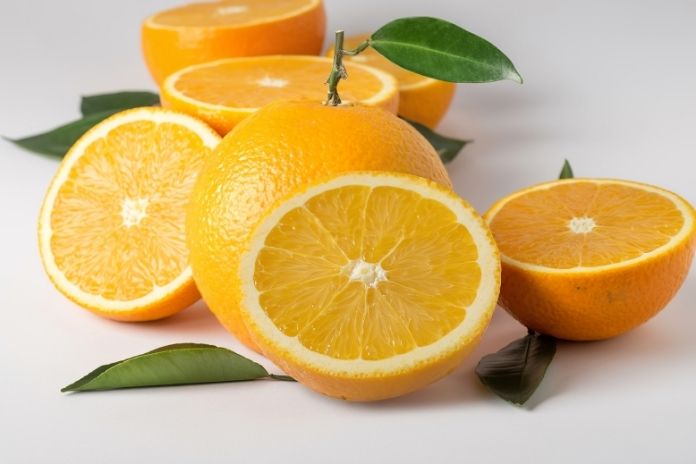
The idea of eating the white, spongy layer under an orange peel doesn’t sound particularly inviting, and that’s fair. The pith’s slightly bitter taste and fibrous texture can be off-putting if you’re not used to it. But you don’t have to chew through thick chunks of albedo to get its benefits.
A few simple changes in how you peel, prepare, and serve citrus can make a big difference. The goal isn’t to eat the pith as a separate food; it’s to retain more of it naturally in ways your palate (and digestion) will tolerate.
Here’s how to get more of the good stuff, without discomfort or bitterness overload:
- Don’t strip the pith completely: When peeling an orange, resist the urge to scrape every last white thread away.
- Eat segments rather than juice: Whole fruit always beats juice. When you eat an orange as-is, you keep the fiber matrix and albedo compounds that slow sugar absorption. According to Harvard Health Publishing, fiber in whole fruit helps moderate post-meal blood sugar and supports satiety, benefits you lost when juicing removes the pulp and pith.
- Blend it into smoothies: If texture is the problem, let your blender handle it. Combine peeled oranges (with pith intact) into smoothies; the blending process disperses the fibrous bits while preserving the pectin and flavonoids. Pairing it with protein or fat (like Greek yogurt or nut butter) further blunts sugar spikes and enhances nutrient absorption.
- Add thin slices to salads or savory dishes: Use thinly sliced orange rounds or supremes with the pith left on in salads, grain bowls, or even grilled dishes. The slight bitterness balances beautifully against salty cheeses, nuts, or vinaigrettes made with honey, mustard, or vinegar. Many chefs actually keep a bit of the pith for texture and complexity, a trick borrowed from Mediterranean cooking.
- Try low-sugar marmalade or candied pith: Traditional marmalade uses both the peel and pith, retaining natural pectin and flavanones even after cooking. Choose low-sugar versions or make your own at home to reduce excess sugar while preserving nutritional value. It’s not an everyday food, but it’s a creative way to use every part of the fruit.
- Introduce it gradually if your gut is sensitive: The soluble fiber in pith (mainly pectin) is fermentable, which means it can cause bloating or gas if you suddenly increase intake. Start small, leave a bit of pith on one orange per day, and see how your digestion responds. Over time, your gut microbiota adjusts, and tolerance improves.
- Wash and prep carefully: Because the pith sits just beneath the peel, pesticide residues from conventional farming can cling to the surface. Always wash citrus thoroughly under running water and scrub gently before peeling.
When Pith Might Be Less Practical or Acceptable & Safety Considerations
- Texture and palatability: The pith is bitter and spongy; this matters for children and people with texture sensitivities. In those cases, blending or thinly slicing can help.
- Gastrointestinal issues: People with certain GI conditions (severe IBS, strictures, or recent intestinal surgery) may find increased fiber irritating; consult a clinician before substantially increasing pectin intake.
- Pesticide residues: Because the pith adjoins the peel, any surface residues can be present near the albedo. Washing, brushing, and choosing organic when possible mitigate that risk.
- Interactions and concentrated extracts: High doses of isolated flavonoids (as supplements) can interact with medications and have different pharmacology than the amounts in whole pith. Whole-food consumption is generally safe for most people, but discuss concentrated hesperidin supplements with your clinician if you’re on medications for blood pressure or cholesterol.
Conclusion
The white pith of an orange often gets peeled away without a second thought, yet it’s one of the most underrated parts of the fruit. That slightly bitter layer isn’t waste, it’s a powerhouse of soluble fiber, flavonoids, and antioxidants that quietly support heart health, blood sugar balance, and a healthy gut microbiome.
Research found that the orange albedo contains particularly high levels of hesperidin and naringenin, flavonoids known to reduce oxidative stress and inflammation. Another study reported that these compounds may help improve vascular function by enhancing nitric oxide activity and protecting capillary walls.
The soluble fiber in the pith, especially pectin, also supports cholesterol regulation and digestive health. And because most juices and peeled segments lack this fibrous layer, skipping it means missing out on nutrients that contribute to metabolic and cardiovascular resilience.
In practice, leaving a thin layer of pith on your orange, or blending whole segments (with some pith intact) into smoothies, adds meaningful nutrition with minimal bitterness. So next time you reach for an orange, don’t strip it too clean; the pith is where much of the quiet power lies.

References
- https://en.wikipedia.org/wiki/Orange_juice
- https://www.bbc.com/future/article/20220627-how-orange-juice-took-over-the-breakfast-table
- https://www.quora.com/Why-is-eating-an-orange-better-than-drinking-the-squeezed-juice-from-the-orange
- https://pubs.acs.org/doi/10.1021/acs.jafc.2c00756
- https://content.schoolinsites.com/api/documents/0b5921b820044b8e9386f6d4883d7a40.pdf
- https://mmf.siirt.edu.tr/dosya/personel/mesrubat-ve-mesrubat-teknolojisi-ders-kitabi-siirt-2018221143430322.pdf
- https://www.researchgate.net/publication/382805810_Characterisation_of_the_Volatile_Compounds_and_Key_Odourants_in_Japanese_Mandarins_by_Gas_Chromatography-Mass_Spectrometry_and_Gas_Chromatography-Olfactometry
- https://files.eric.ed.gov/fulltext/ED620640.pdf
- https://ipcm.wisc.edu/wp-content/uploads/sites/54/2022/11/UW_FieldCropScoutingManual_web.pdf
- https://scispace.com/pdf/plants-civilization-an-introduction-to-the-14uti69gm1.pdf
- https://ipps.org/wp-content/uploads/2025/05/I.P.P.S._Vol_48_1998.pdf
- https://link.springer.com/content/pdf/10.1007/978-1-349-03704-9.pdf
- https://www.stanfordchildrens.org/en/topic/default?id=fruit-vs-fruit-juice-whats-the-difference-197-30060
- https://fitpass.co.in/blog/whole-fruits-vs-juices-which-is-truly-healthier
In this Article